Table of Contents >> Show >> Hide
- What You’re Actually Buying
- Why Rectangular Containers Win (And It’s Not Even Close)
- Microwavable: What It Means (And What It Doesn’t)
- Materials & Design: The Practical Breakdown
- How to Microwave Glass Containers Without Drama
- Real-Life Use Cases (With Specific Examples)
- Cleaning & Care: Make Them Last
- Choosing the Right Rectangular Size
- How Bormioli Rocco Compares to Other Glass Food Storage
- Who This Is Perfect For
- FAQs
- Conclusion
- Real-World Experiences: What Using These Feels Like (About )
If your fridge is a museum of mismatched lids, mysterious containers, and that one takeout box you swear is “still fine,” allow me to introduce a calmer, cleaner option: Bormioli Rocco’s rectangular microwavable glass food storage. These containers are the kind of kitchen upgrade that doesn’t require a remodeljust a small decision to stop playing “Guess Which Lid Fits” at 11:43 p.m.
This guide breaks down what these containers are, what “microwavable” really means in real life, how to use them safely (without turning your microwave into a steam-powered volcano), and why the rectangular shape is secretly the MVP of meal prep.
What You’re Actually Buying
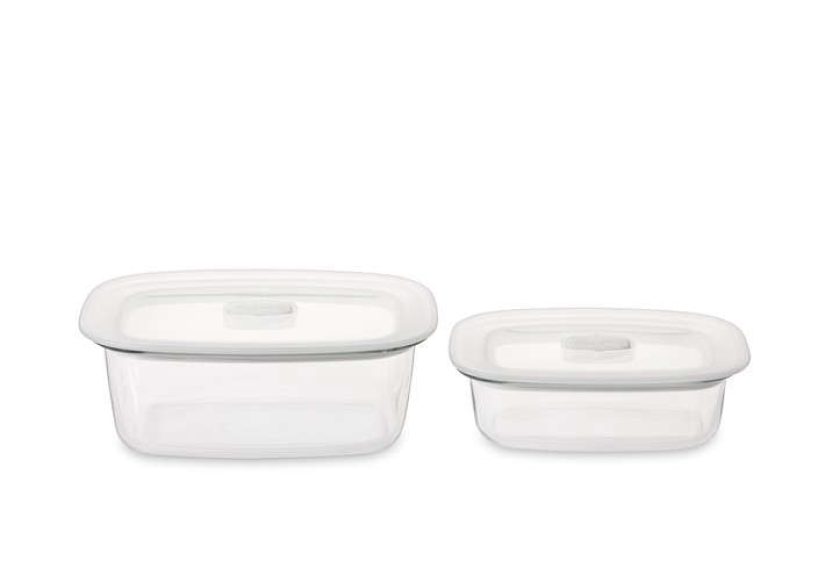
Bormioli Rocco’s rectangular glass storage containers are commonly sold in sets and typically feature:
- Clear glass bases (so you can see what you forgot to eat)
- Matching plastic lids designed to seal for storage
- Everyday versatility for fridge, dishwasher, and reheating
In U.S. product listings for the rectangular line, you’ll often see sizes like 13.5 oz (compact, snacky, sauce-friendly) and larger options like 37.25 oz (leftovers, meal prep portions, “I cooked too much chili again”). Many listings also highlight freezer storage down to about -4°F and microwave use without the lid.
Why Rectangular Containers Win (And It’s Not Even Close)
Round containers have their place. But rectangular containers? They’re the organizational adults in the room.
1) They stack like they’ve read Marie Kondo
Rectangles line up neatly in the fridge and pantry, leaving fewer awkward gaps. Less wasted space means fewer “I can’t fit this bowl anywhere, so it’s living on the door shelf now” moments.
2) They fit real food shapes
Leftover lasagna. A slice of cornbread. Chicken breasts. Roasted veggies. Most cooked food naturally forms rectangles (or can be persuaded into them). You get less air space, which can help reduce drying out and keep things looking better when reheated.
3) Meal prep becomes less of a puzzle
Portioning is easier when the container shape matches what you’re storing. You can lay items flat instead of stacking them in a tall tower of regret.
Microwavable: What It Means (And What It Doesn’t)
“Microwavable” is a beautiful word. It suggests convenience, speed, and a future where you don’t eat cold leftovers straight from the fridge like a raccoon. But it also has fine printespecially when lids are involved.
The simple rule
Microwave the glass base, not the lidunless the manufacturer explicitly says otherwise. Many U.S. listings for Bormioli Rocco rectangular containers specifically note microwave use when used without the lid.
Why lids are the usual suspect
Plastic lids can warp, weaken, or trap steam if sealed during heating. Even when lids are “microwave-safe,” they usually need to be vented (not snapped down airtight) to avoid pressure buildup and messy explosions.
Materials & Design: The Practical Breakdown
Glass base: the star of the show
Glass is popular for food storage because it’s nonporous, doesn’t hang onto odors as easily as many plastics, and can handle reheating when it’s designed for it. It’s also the easiest way to stop tomato sauce from permanently tattooing your containers.
Lid: storage hero, heating sidekick
In common rectangular sets, the lid is often described as a plastic material used for sealing during storage. The lid’s main job is to keep food covered and reduce spillsnot to do the hot work in the microwave.
How to Microwave Glass Containers Without Drama
Here’s the “safe and sane” routine for reheating in rectangular glass containers. It’s not complicatedit’s just the stuff you’ll wish you did after you’ve scrubbed soup off the ceiling.
Step 1: Remove the lid (or vent it properly)
If your container is marketed as microwave-safe without the lid, follow that. If you want cover to prevent splatter, use a microwave-safe cover, a vented lid, or even a paper towel laid loosely on topanything that lets steam escape.
Step 2: Avoid thermal shock (aka “Why did my glass crack?”)
Even strong glass can crack if it experiences sudden temperature changes. To reduce risk:
- Don’t move the container straight from freezer to microwave. Let it sit a bit first.
- Heat in shorter bursts, stirring between rounds for even warming.
- Don’t place hot glass on a cold wet countertop. Use a trivet or towel.
Step 3: Reheat leftovers thoroughly
Food safety guidance commonly recommends reheating leftovers to a safe internal temperature (often 165°F), especially for mixed dishes. A quick stir midway helps eliminate cold spotsmicrowaves are famous for heating unevenly.
Real-Life Use Cases (With Specific Examples)
Meal prep lunches
Rectangular glass containers are great for lunches that need structure:
- Chicken + rice + veggies in tidy rows (yes, your lunch can have boundaries)
- Pasta with sauce on one side and a sprinkle of cheese added after reheating
- Stir-fry that reheats best when spread thin instead of piled high
Sauces, snacks, and small leftovers
Smaller rectangular sizes work well for:
- Homemade salad dressing
- Leftover salsa, pesto, or gravy
- Cut fruit, cheese cubes, or snack portions
Fridge organization you can actually maintain
Because the glass is clear and the containers are uniform, you’ll spend less time opening lids to identify food. That alone is worth something in the currency of daily sanity.
Cleaning & Care: Make Them Last
One of the perks of glass is that it usually comes out of the dishwasher without holding grudges. Still, a few habits help keep your set looking good:
For the glass base
- Dishwasher-safe is typically a selling pointuse it.
- If something bakes on, soak with warm water and a little dish soap before scrubbing.
- A paste of baking soda and water can help with stubborn stains without scratching.
For the lid
- Place lids on the top rack if dishwashing.
- Avoid high-heat drying if you notice warping over time.
- Let lids fully dry before stacking to prevent lingering moisture smells.
Choosing the Right Rectangular Size
If you’re shopping a set (or building your own), here’s a practical cheat sheet:
Small (snacks + sauces)
Best for dips, chopped fruit, leftovers from side dishes, or portioned ingredients. These are the containers you’ll use constantly once you have them.
Medium (single meals)
Perfect for lunch portions, meal prep dinners, and leftovers like pasta, rice, or roasted vegetables.
Large (family leftovers)
Great for bigger batches: soups, chili, stew, shredded chicken, or an entire “I overcooked again” situation.
How Bormioli Rocco Compares to Other Glass Food Storage
In U.S. reviews and buying guides, glass storage containers are often compared by:
- Glass type (tempered vs. borosilicate)
- Lid design (snap-lock, silicone gasket, vented options)
- Heat range (microwave only vs. oven-safe lines)
- Leak resistance (great for soups vs. better for dry foods)
Bormioli Rocco’s rectangular containers are typically positioned as everyday, practical storagegreat for fridge/freezer organization and microwave reheating (often without the lid). If your priority is oven cooking, you’ll want to confirm you’re buying an oven-safe line specifically designed for that use. Not all glass storage is meant to double as bakeware.
Who This Is Perfect For
- Meal preppers who want neat stacks and easy reheating
- Leftover lovers who are tired of plastic staining and smells
- Busy families who want containers that go fridge → microwave → dishwasher
- People trying to reduce plastic use for hot foods
FAQs
Can I microwave it with the lid on?
Many U.S. listings for Bormioli Rocco glass storage emphasize microwave heating without the lid. If you cover food while microwaving, vent it so steam can escape and avoid sealing the container airtight.
Is it leakproof?
Some lids are described as airtight or sealing well for storage, but “leakproof” depends on lid fit, food type, and whether the container is carried upright. For soups, transport cautiously until you trust the seal with your specific lid style.
Does glass ever break in the microwave?
It canusually due to thermal shock, existing micro-cracks, or using glass that isn’t labeled microwave-safe. Avoid sudden temperature changes and follow the manufacturer’s use instructions.
Is glass “safer” than plastic for microwaving?
Many food and consumer safety sources encourage caution with heating plastics due to potential chemical migrationespecially with older, scratched, or single-use containers. Glass is often recommended as a sturdier alternative for reheating when it’s labeled microwave-safe.
Conclusion
Bormioli Rocco’s rectangular microwavable glass food storage is one of those upgrades that quietly improves your day: leftovers stay visible, lids match more often than not, and reheating feels less like a chemistry experiment. The big takeaway is simple: use the glass base for microwaving, vent your cover, avoid thermal shock, and treat the lid like a storage toolnot a cooking tool.
If you’re building a kitchen setup that supports meal prep, reduces plastic use for hot foods, and keeps your fridge from looking like a leftover-themed escape room, these containers are a strong (and stylish) step in the right direction.
Real-World Experiences: What Using These Feels Like (About )
Let’s talk about what it’s actually like living with rectangular microwavable glass containersbecause product specs are helpful, but real life is where the lids get judged.
Week one usually starts with optimism. You fill a few containers with leftovers, stack them nicely, and open the fridge door just to admire it. For a brief moment, your refrigerator looks like it belongs to someone who owns matching socks. That’s the magic of rectangular glass: it makes your food look organized, even if you are not.
Then comes the first “busy-day microwave test.” You pull a container from the fridge, pop the lid off, and reheat lunch in short bursts. The rectangular shape helps food heat more evenly when it’s spread out rather than piled high. Rice fluffs instead of becoming a dense brick. Roasted vegetables don’t turn to mush as quickly. Pasta reheats better when there’s room to stir without launching sauce over the rim. The key habit that tends to develop fast is stirring halfway throughbecause microwaves love cold spots like toddlers love puddles.
A couple of weeks in, you notice the cleanliness advantage. Glass doesn’t hold onto smells the way many plastic containers do. If you’ve ever stored garlic-heavy pasta in plastic and then wondered why your strawberries taste like an Italian restaurant, you’ll appreciate this. Tomato sauce rinses away without leaving permanent orange shadows. You stop doing that thing where you hide stained containers in the back of the cabinet like they’re embarrassing childhood photos.
The lids become the “experience” topic, because lids always do. When you treat them as storage lidssnap on for the fridge, remove for microwavingthey behave well and last longer. If you try to microwave with the lid tightly sealed, you’ll learn quickly why steam needs an escape route. Most people end up developing a simple routine: remove lid, cover loosely (paper towel, vented cover), heat, stir, heat again. It’s not glamorous, but it prevents the microwave from smelling like yesterday’s curry for the next three days.
By month one, you start using the containers for more than leftovers. You portion fruit for quick snacks, store pre-chopped onions (brave), stash marinating chicken in the fridge, and build “ingredient kits” for weeknight dinners. The rectangular footprint makes them easier to line up in the fridge like little edible filing cabinets.
The biggest long-term win is consistency. When your containers stack well, clean easily, and don’t smell weird, you actually keep using them. And when you keep using them, meal prep becomes less of a heroic weekend project and more of a normal life habit. Rectangular glass containers don’t solve every kitchen problembut they do solve the daily chaos of “Where did I put that leftover?” and “Why does this lid not fit anything I own?” And honestly, that’s a pretty great return on investment.