Table of Contents >> Show >> Hide
- What happens right after your Botox appointment?
- Why Botox aftercare actually matters
- The first 4 hours: the golden window
- The first 24 hours: what to do (and what to avoid)
- Days 2–7: letting your Botox settle in
- What you can do after Botox
- When to call your provider right away
- Myths vs. reality: clearing up common Botox aftercare confusion
- Simple Botox aftercare checklist
- Real-world Botox aftercare experiences: what patients wish they’d known
- 1. “I didn’t realize how normal the bumps and redness were.”
- 2. “The aftercare rules weren’t as scary as I imagined.”
- 3. “I underestimated how much planning ahead helps.”
- 4. “I wish I’d taken good ‘before’ photos.”
- 5. “Communication with my provider made all the difference.”
- 6. “Botox is temporaryand that’s actually comforting.”
- Final thoughts
If you’re reading this, chances are you’ve just had Botox or you’re about to congrats on joining the “my-forehead-has-boundaries-again” club. While the injections themselves are quick, what you do after your appointment can make a big difference in how smooth, natural, and long-lasting your results turn out.
The good news? Botox aftercare is not complicated. You don’t need to clear your schedule for a week or hide from the world. But there are a few smart do’s and don’ts that help prevent bruising, keep the product where it’s supposed to be, and reduce the risk of side effects.
This guide walks you through what to expect immediately after your injections, the most common aftercare instructions your provider may give you, and how to handle minor side effects like redness or tenderness. Think of it as the handbook you wish came with that little needle poke.
What happens right after your Botox appointment?
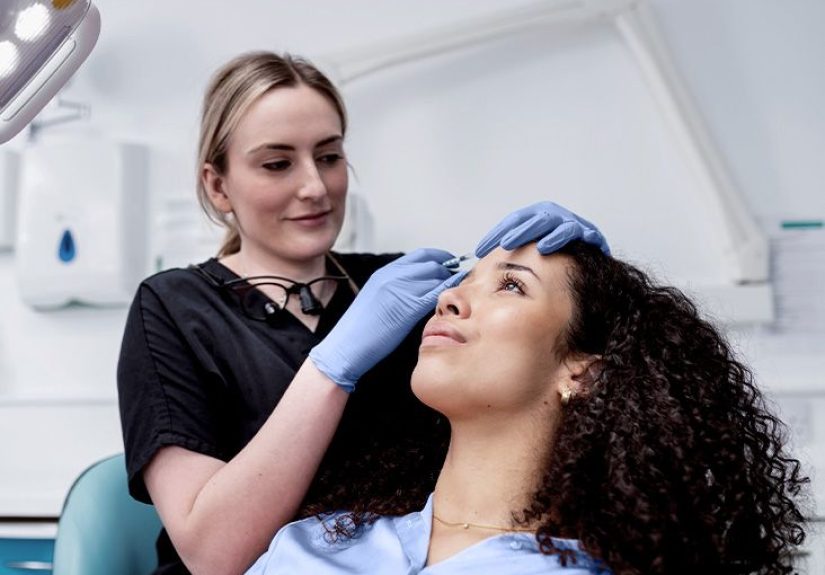
Most people are surprised by how fast a Botox visit is. You check in, answer a few questions, maybe take some “before” photos, and then your provider does a series of tiny injections in specific muscles. The whole thing can take just 10–20 minutes.
Immediately afterward, it’s completely normal to notice:
- Small red bumps or raised spots at the injection sites. These usually flatten within 20–30 minutes.
- Mild redness or swelling where the needle went in. This typically fades within a few hours.
- Occasional pinpoint bruises, especially around areas with lots of small blood vessels (like crow’s feet).
In many cases, you can go back to work or your usual routine right away. Most professional societies and major medical centers note that there’s essentially no formal “downtime” after Botox you don’t need to go home and lie in a dark room. You just need to be a little thoughtful about what you do for the rest of the day.
Why Botox aftercare actually matters
You might wonder, “If Botox is injected into the muscle, does anything I do really change the result?” To a point, yes.
Botox works by temporarily blocking nerve signals to certain muscles, softening movement lines like frown lines, forehead creases, and crow’s feet. Right after treatment, the product is still settling in. Good aftercare aims to:
- Keep Botox where it was placed. Excessive rubbing, pressure, or certain positions may theoretically encourage it to spread to nearby muscles, which could lead to asymmetry or drooping.
- Reduce bruising and swelling. Avoiding heat, alcohol, and some medications can reduce blood vessel dilation and extra bleeding under the skin.
- Support the best cosmetic result. You paid for those smoother lines aftercare helps you get the full benefit.
Remember: you won’t see instant “frozen” results as you walk out of the office. Most people notice changes starting around 2–5 days after treatment, with full results showing up by about 10–14 days. Your aftercare routine helps that process go as smoothly as your future forehead.
The first 4 hours: the golden window
Different providers have slightly different rules, but the early hours after Botox are where the instructions are the strictest. Common advice includes:
1. Stay upright
Most injectors recommend staying upright and avoiding lying flat or bending deeply forward for at least 3–4 hours after treatment. That means no post-Botox nap on the couch and maybe skip the deep yoga forward folds until later.
The idea is to reduce the chance of the product drifting away from the muscle it was carefully placed in. You don’t have to stand like a statue, but sitting, walking, or light activities with your head generally above your heart are ideal.
2. Hands off the injection sites
This is a big one: don’t rub, massage, or press on the treated areas for at least several hours, and usually up to 24 hours, unless your provider specifically instructs you otherwise.
That includes:
- Skipping facials, facial massage, or aggressive cleansing brushes.
- Avoiding leaning on your hands or pressing your forehead on your desk.
- Being gentle if you need to apply skincare around the area.
If you like to check every new spot on your face in 4K detail, this is your sign to resist the urge and give your skin a little personal space.
3. Gentle facial movement (if your provider recommends it)
Some practitioners suggest lightly “exercising” the treated muscles for example, raising your eyebrows, frowning, or smiling off and on for the first hour after injections. The idea is to help the product target the right muscle fibers more effectively.
Not all providers feel this is necessary, so follow the instructions you were given. If your injector didn’t mention it, you don’t need to force dramatic eyebrow performances in the mirror.
The first 24 hours: what to do (and what to avoid)
Once you’re past the first few hours, the rules relax a bit, but there are still a few important guidelines in the first day or so:
Skip strenuous workouts
Light walking is fineand encouragedbut most experts recommend avoiding vigorous exercise like running, high-intensity interval training, heavy lifting, or hot yoga for 24 hours.
Intense workouts increase blood flow and body temperature, which might contribute to more bruising and potentially affect how the product settles. Think of this as your rest day, prescribed by medicine, not laziness.
Avoid alcohol (for one night)
Alcohol can dilate blood vessels and increase your risk of bruising. Many clinics suggest skipping wine, cocktails, or beer for 24 hours after Botox.
If you already avoided alcohol for a day or two before the appointment, you’re basically doing Olympic-level aftercare. One more night won’t hurt.
Keep away from intense heat
For at least a day, avoid:
- Saunas and steam rooms
- Hot tubs and very hot baths
- Hot yoga or heated workout studios
Again, this is about controlling blood flow and inflammation. Showers are finejust don’t turn your bathroom into a tropical rainforest.
Go easy on makeup and tools
Most people can apply light makeup a few hours after treatment as long as they’re gentle. The key is to avoid pressing, rubbing, or dragging brushes, sponges, or fingers firmly over the injection sites.
Some injectors prefer that you skip makeup on the treated area for the rest of the day to minimize infection risk, especially if there’s any pinpoint bleeding or open pores. If you’re unsure, ask your provider what they recommend.
Use cold, not pressure, for swelling
If you notice mild swelling or tenderness, a cool compress can be soothing. Use a clean, soft cloth or ice pack wrapped in a towel and lightly rest it near (not smashed onto) the treated area for short intervals.
Avoid placing heavy pressure directly on the injection sites. Think “gentle chill,” not “press and freeze.”
Days 2–7: letting your Botox settle in
Over the next several days, any early bumps or redness should fade, and you’ll start to notice your muscles moving less. This is when people often look in the mirror and think, “Oh, there it is.”
During this phase, common advice includes:
- Continue to avoid facial treatments like chemical peels, microdermabrasion, or aggressive microneedling on the treated areas for about 1–2 weeks (or as advised).
- Sleep on your back if you can, especially the first couple of nights, to avoid prolonged pressure on freshly treated areas.
- Watch for side effects like significant pain, drooping eyelids, or difficulty swallowing, and contact your provider if anything feels off.
Minor headaches or a feeling of “tightness” in the treated muscle group can happen and often resolve on their own. Over-the-counter pain relievers your provider approves (often acetaminophen rather than blood-thinning NSAIDs) may help.
If you’re worried that “nothing is happening yet,” give it time. Full cosmetic results may take up to two weeks, and your follow-up or “tweak” appointment is often scheduled around that mark so your provider can see the final effect.
What you can do after Botox
With all this talk about restrictions, let’s zoom out and talk about what’s totally fine and even encouraged after treatment:
- Go back to normal daily life. Work, errands, school pickup, answering emails: all fair game.
- Use gentle skincare. A mild cleanser, non-irritating moisturizer, and broad-spectrum sunscreen are all good choices. Just apply them with light pressure over treated areas.
- Stay hydrated. Drinking water supports your skin and overall health, even if it doesn’t directly change Botox’s effect.
- Practice good sun protection. Sunscreen, hats, and shade help prevent new wrinkles from forming, so your Botox investment goes further.
- Keep your follow-up appointment. If your provider offers a 2-week check-in, use it. It’s the best time to fine-tune dosing or placement if needed.
In short, Botox should fit into your life, not take it over. After the initial 24-hour window, you can gradually return to your usual workouts and routines, just following the timeline your injector gives you.
When to call your provider right away
Serious complications from Botox are rare, especially when it’s administered by a qualified medical professional using approved doses. Still, it’s important to know what’s normal and what’s not.
Common, usually mild side effects include:
- Redness, swelling, or tenderness at injection sites
- Small bruises
- Mild headache
- A feeling of heaviness or tightness in the treated area
These usually improve within a few days. However, you should contact your provider or seek urgent medical care if you notice:
- Worsening or severe pain, swelling, or bruising
- Significant drooping of an eyelid or eyebrow that interferes with vision
- Difficulty swallowing, speaking, or breathing
- Muscle weakness away from the injection area
- Allergic-type symptoms like hives, rash, or trouble breathing
These can be signs of a rare but serious reaction or toxin spread and need prompt medical attention. If something feels wrong, don’t “wait and see” for dayscall the clinic that treated you or use emergency services if symptoms are severe.
Myths vs. reality: clearing up common Botox aftercare confusion
“If I accidentally lie down, I’ve ruined everything.”
Relax. While it’s smart to try to stay upright for several hours, one quick lean or a forgotten couch moment doesn’t usually erase your results. If you truly spent hours face-down on a massage table right after injections, that’s worth mentioning to your providerbut one slip-up is rarely a disaster.
“I can’t touch my face at all for days.”
You don’t need to hover your hands around your face like you’re in a no-touch museum. The main concern is firm pressure and massage over the treated muscles soon after treatment. Gentle cleansing, light makeup, or skincare with a soft touch is usually fine after that initial window, as long as your provider hasn’t said otherwise.
“If I exercise too soon, the Botox disappears.”
There’s no evidence that one early workout completely erases Botox, but intense exercise immediately afterward may increase bruising or slightly alter how the product settles. Think of the 24-hour rest from heavy exercise as a “better safe than sorry” rule, not a lifetime ban from the gym.
“Botox aftercare instructions are the same for everyone.”
Not quite. Your aftercare can vary depending on:
- Where you were injected (forehead vs. neck vs. jaw muscles)
- How much product was used
- Your medical history and medications
- Whether you also had fillers or other procedures the same day
That’s why the best Botox aftercare instructions will always be the ones your own provider gives you. Use this article as a helpful guide, but follow your injector’s specific advice first.
Simple Botox aftercare checklist
Here’s a quick summary you can mentally pin for your next appointment:
- First 4 hours: Stay upright, avoid bending deeply, don’t rub or massage injection sites.
- First 24 hours: Skip intense workouts, alcohol, saunas, and hot yoga; avoid heavy pressure and aggressive facial treatments.
- Ongoing: Use gentle skincare and sunscreen, sleep on your back if possible, and watch for any unusual symptoms.
- Two-week mark: Evaluate your results and attend any scheduled follow-up to adjust dosing if needed.
Do that, and you’ve covered the basics of Botox aftercare like a pro.
Real-world Botox aftercare experiences: what patients wish they’d known
Medical guidelines are helpful, but sometimes the most useful insights come from people who’ve actually been in the chair. While everyone’s experience is different, certain themes pop up again and again when patients talk about their first Botox session and the days that followed.
1. “I didn’t realize how normal the bumps and redness were.”
Many first-timers walk out of the clinic, look in the car mirror, and panic: “Why do I have little mosquito bites all over my forehead?” Those small raised bumps and slight redness are incredibly common. They usually settle within minutes to a couple of hours.
What patients often say in hindsight is that they wish they’d known this ahead of time so they didn’t worryor schedule a big meeting 30 minutes after their appointment. If you’re planning Botox before an event, aim for at least a few days’ buffer.
2. “The aftercare rules weren’t as scary as I imagined.”
Before treatment, people sometimes imagine a week of rigid rules: no sleeping, no sweating, no smiling, no fun. In reality, most find that the aftercare is highly manageable:
- You can still work, run errands, and live life.
- You simply skip intense workouts for a day and avoid pressing on the treated areas.
- Most “restrictions” are common sensedon’t go to a 200°F sauna immediately after someone injected your face.
One common comment from regular Botox users: “By my second or third time, the aftercare just felt like routine self-care, not a big production.”
3. “I underestimated how much planning ahead helps.”
Seasoned patients often become strategic with their scheduling. They’ll book Botox:
- On a day when they can skip heavy workouts without guilt
- At least two weeks before big events like weddings, reunions, or photoshoots
- At a time of day when they know they’ll be upright for several hours afterward (midday instead of late night)
This simple planning reduces stress around following aftercare instructions and allows for full results to bloom before important occasions.
4. “I wish I’d taken good ‘before’ photos.”
Because Botox results develop gradually over days, it’s easy to forget how deep lines looked before you started. Patients who snap clear, relaxed-face and “make a frown” photos before their first treatment often say they appreciate having something to compare later.
Those images also help during follow-ups. You and your provider can look at the before/after together and fine-tune the dose or placement to better match your goals.
5. “Communication with my provider made all the difference.”
People who feel happiest with their Botox experience tend to describe one thing in common: a good relationship with their injector. That includes:
- Asking questions about aftercare and understanding the “why” behind each instruction
- Knowing what’s normal vs. what should prompt a phone call
- Feeling comfortable sending a message or picture if something seems off during the first week
One of the most reassuring pieces of advice from experienced patients is: “Don’t Google yourself into a panicreach out to your provider instead. They know exactly what they did and what’s expected at each stage.”
6. “Botox is temporaryand that’s actually comforting.”
For first-timers, the idea of injecting a muscle-relaxing toxin into your face can feel intense. But hearing that Botox’s cosmetic effects typically last around 3–4 months actually helps many people feel more at ease. If you love the result, you can maintain it with regular appointments. If you decide it’s not for you, the effects gradually wear off.
Aftercare is your role in that partnership: your injector handles the precise placement; you handle the next 24 hours with a bit of extra care so those tiny injections deliver their best possible payoff.
Final thoughts
Botox aftercare doesn’t require a medical degree or a color-coded spreadsheet. It’s mostly about treating your freshly treated muscles with respect for a day: no intense workouts, no face-smooshing, no boiling yourself in a steam room.
By staying upright for a few hours, avoiding pressure and heat, and keeping an eye on how you feel, you’re doing your part to protect your results and minimize side effects. Pair that with a qualified provider and open communication, and Botox becomes less of a mystery and more of a straightforward, repeatable part of your self-care routineminus the drama, plus the smoother lines.