Table of Contents >> Show >> Hide
- What Coconut Oil Actually Is (and Why People Think It’s Special)
- Why Coconut Oil Might Seem Like a Weight-Loss Helper
- What the Research Actually Says About Coconut Oil and Weight Loss
- The Bigger Issue: Coconut Oil Is Calorie-Dense and High in Saturated Fat
- So… Should You Use Coconut Oil If You’re Trying to Lose Weight?
- What Works Better Than “One Magic Oil” for Weight Loss
- The 10-Second Verdict
- Real-World Experiences: What People Commonly Notice (and What It Usually Means)
- Experience #1: “I put coconut oil in my coffee and got hungrier later.”
- Experience #2: “I swapped butter for coconut oil in baking, and my portions got smaller.”
- Experience #3: “My stomach was NOT happy.”
- Experience #4: “I used it in cooking and lost a little weight… but I also changed everything else.”
- Experience #5: “My cholesterol numbers changed, so I rethought it.”
Coconut oil has had more comebacks than a boy band reunion tour. One minute it’s a “miracle” fat, the next it’s the nutritional equivalent of a plot twist
you didn’t ask for. So what’s the real dealcan coconut oil actually help you lose weight, or is it just an expensive way to make your sauté pan smell
like vacation?
Here’s the honest answer: coconut oil might help a tiny bit in very specific situations (mostly when it replaces other fats),
but it’s not a weight-loss shortcut. And because it’s high in saturated fat and calorie-dense, it can just as easily slow progress if you treat it like a
free pass. Think of it as a toolnot a magic wand, not a villain, and definitely not a reason to “add a tablespoon to everything.”
What Coconut Oil Actually Is (and Why People Think It’s Special)
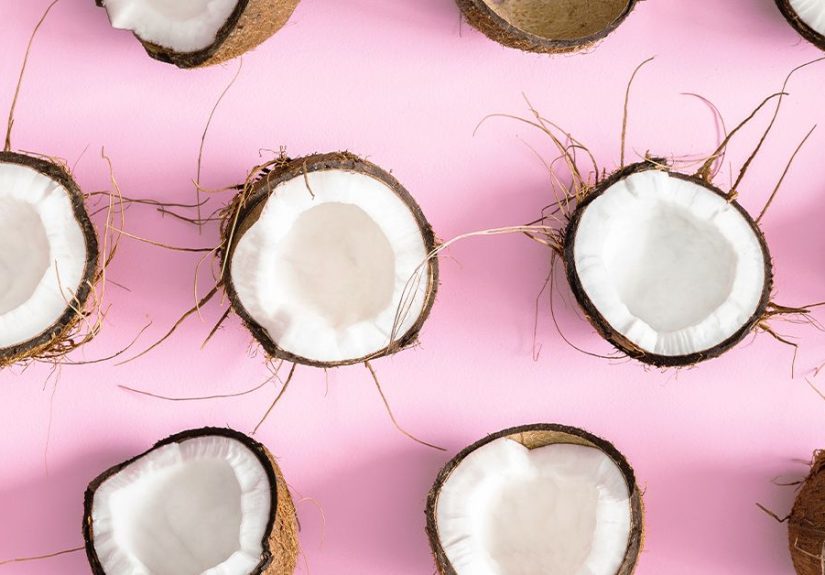
Coconut oil is the fat extracted from coconut meat. Nutritionally, it’s almost pure fatno protein, no fiber, and not much in the way of vitamins or
minerals. Its biggest claim to fame is its fatty acid profile: it contains a lot of saturated fat and a large portion of a fatty acid called
lauric acid.
Virgin vs. Refined: Same Calories, Different Vibes
Virgin (unrefined) coconut oil keeps more coconut aroma and flavor. Refined coconut oil has a more neutral taste and
usually tolerates higher heat better. For weight loss, neither version has a meaningful edgeyour body doesn’t hand out bonus points because something is
“virgin.”
The “MCT” Confusion
Coconut oil is often marketed as being rich in medium-chain triglycerides (MCTs), which are fats that can be metabolized differently
than long-chain fats. That sounds promising… until you learn the detail that gets left out of the Instagram caption:
coconut oil isn’t the same thing as pure MCT oil.
Many of the well-studied MCT benefits come from oils rich in C8 (caprylic) and C10 (capric) fats. Coconut oil contains
some of those, but a lot of its “medium-chain” reputation comes from C12 (lauric acid), which behaves more like a long-chain fat in the
body than true C8/C10 MCTs. Translation: coconut oil may not deliver the same metabolism-boosting effects you’d expect from the MCT research you’ve seen
quoted online.
Why Coconut Oil Might Seem Like a Weight-Loss Helper
The coconut oil weight-loss story usually relies on three ideas:
(1) it may increase energy expenditure a little,
(2) it may affect appetite in some people,
and (3) it might change body measurements like waist circumference in certain short-term studies.
Let’s break those down without the marketing glitter.
1) “It boosts metabolism!” (Sort of… but not dramatically)
MCTs can be absorbed and used more quickly for energy than long-chain fats, which may slightly increase calorie burn (thermogenesis) in some studies.
But most of that evidence comes from diets using concentrated MCT oilnot typical coconut oil used in normal cooking amounts.
If you’re adding coconut oil on top of your usual intake, the extra calories can easily cancel out any tiny metabolic effect.
2) “It keeps me full!” (Sometimes… but not consistently)
Some people report that fats in general make meals more satisfying. That can be trueadding a measured amount of fat to a high-fiber, high-protein meal
can improve satiety and make eating patterns easier to stick with. But coconut oil is not uniquely powerful here. In fact, research comparing coconut oil
to true MCT oil suggests coconut oil isn’t as strong for satiety as MCT oil.
3) “It targets belly fat!” (Marketing loves this line)
You can’t spot-reduce fat with a single food. Your body loses fat systemically based on energy balance, hormones, genetics, sleep, stress, and activity.
Some small studies have suggested modest changes in waist circumference when coconut oil is used in place of other fats, but these results are typically
small, short-term, and not guaranteed.
What the Research Actually Says About Coconut Oil and Weight Loss
If you line up the evidence, a pattern shows up: when coconut oil is studied in real humans under controlled conditions, any weight-related effects tend to
be smallsometimes statistically noticeable, but often not practically meaningful.
Short-term trials: occasional modest changes, lots of “it depends”
Some randomized trials have tested coconut oil against other fats (like olive oil or butter) and looked at body weight, waist measurements, and blood
markers. Results vary. A few show small decreases in weight or waist, others show no meaningful difference. Many are short (weeks rather than months) and
involve small groups of participants, which makes it hard to draw big conclusions.
Meta-analyses: the “big picture” view
Meta-analyses pool data from multiple studies to estimate the overall effect. Recent meta-analytic work suggests coconut oil’s effects on body weight and
BMIif presentare typically tiny, and changes in waist circumference are often not significant. In plain English: if coconut oil “helps,”
it’s not the kind of help you can count on to change your life or your jeans size by itself.
That doesn’t mean coconut oil is “bad” or “useless.” It means it’s not a weight-loss strategy. At best, it’s a cooking fat that might be neutral or mildly
helpful when used carefullyespecially if it replaces less favorable fats in your diet.
The Bigger Issue: Coconut Oil Is Calorie-Dense and High in Saturated Fat
Weight loss (or weight management) is fundamentally about long-term patterns. Coconut oil is still fat, and fat is calorie-dense. One tablespoon is about
120 calories. If you add two tablespoons a day because a video told you it “melts fat,” that’s roughly an extra snack’s worth of caloriesevery day
without providing protein or fiber to keep you full.
Saturated fat and cholesterol: the trade-off you can’t ignore
Coconut oil is high in saturated fat compared with most non-tropical vegetable oils. Multiple systematic reviews and meta-analyses have found that, compared
with oils like olive, canola, or sunflower, coconut oil tends to raise LDL (“bad”) cholesterolthough it may also raise HDL (“good”)
cholesterol. Many major health organizations emphasize replacing saturated fats with unsaturated fats to support cardiovascular health.
This matters because the goal isn’t just “lose weight at any cost.” The goal is to improve health outcomesenergy, blood pressure, cholesterol, blood sugar,
strength, endurance, and overall wellbeing. If coconut oil crowds out unsaturated fats, it may not be a win, even if the scale budges slightly.
How much saturated fat is “too much”?
U.S. dietary guidance generally recommends keeping saturated fat below a certain percentage of daily calories, and heart-focused guidance often suggests
even lower targets for people at higher risk. Coconut oil can use up a large portion of that limit quicklyespecially if you also eat cheese, red meat,
baked goods, or other saturated-fat-heavy foods.
So… Should You Use Coconut Oil If You’re Trying to Lose Weight?
You can, but it works best under one rule:
swap, don’t stack.
That means you use coconut oil instead of another fat, not in addition to everything you already eat.
Smart ways to use coconut oil (without sabotaging your goals)
- Measure it. Pouring “until it looks right” is how 1 tablespoon becomes 3, and suddenly your stir-fry costs as much as brunch.
- Use it for flavor moments. Coconut oil shines in curries, stir-fries, roasted sweet potatoes, or a light sauté where that coconut note
actually adds something. - Choose unsaturated oils for everyday cooking. For most meals, oils like olive or canola are better aligned with heart-health evidence.
Save coconut oil for occasional use. - Don’t “drink” your calories by accident. Adding coconut oil to coffee can be an easy way to consume extra calories quickly without
feeling fuller.
Who should be cautious?
If you have high LDL cholesterol, a strong family history of heart disease, diabetes, or other cardiometabolic risk factors, it’s especially important to
be thoughtful about saturated fat intake. Coconut oil isn’t automatically off-limits, but it probably shouldn’t be your primary fat source.
If you’re unsure, a registered dietitian or clinician can help you personalize choices based on your lab results and goals.
What Works Better Than “One Magic Oil” for Weight Loss
If your goal is healthy, sustainable weight loss, coconut oil is not the starring role. It’s more like a supporting actor with a small speaking part.
The big drivers tend to be:
- Consistent calorie awareness (not extreme restriction, just honest tracking or portion habits).
- Higher protein and fiber to support fullness and muscle maintenance.
- Strength training to protect lean mass and improve metabolic health.
- Sleep and stress management, because your appetite hormones are not impressed by all-nighters.
- Food quality: more minimally processed foods makes it easier to manage hunger and energy.
If coconut oil helps you cook more at home (instead of ordering takeout), that’s actually a real benefitbecause cooking at home tends to improve control
over portions and ingredients. But again: it’s the overall pattern doing the work, not the coconut oil itself.
The 10-Second Verdict
Can coconut oil help you lose weight? Possibly a tiny amount, mainly when it replaces other fats and is used in measured portions.
Will coconut oil cause weight loss by itself? No. It’s calorie-dense, and the weight-loss effect seen in research is generally small and
inconsistent.
Real-World Experiences: What People Commonly Notice (and What It Usually Means)
The internet is full of coconut oil “success stories,” but real life is messierand more interestingthan before-and-after photos. Below are common
experiences people report when they try coconut oil for weight management, along with what those experiences usually reflect. (These are representative,
reality-based examplesnot medical advice and not guarantees.)
Experience #1: “I put coconut oil in my coffee and got hungrier later.”
Some people try “bulletproof-style” coffee with coconut oil. The first couple of days can feel energizing, mostly because fat slows digestion and the
routine feels different. But a common twist is that hunger returns fastor cravings show up mid-morning. Why? Coffee fat drinks can be calorie-heavy while
still low in protein and fiber. Your body may not register that as a satisfying “meal,” so you end up eating the same lunch anyway… plus the extra oil.
The lesson: if you like coconut oil coffee, keep it occasional and small, or pair it with a protein- and fiber-rich breakfast instead of using it as a
meal replacement.
Experience #2: “I swapped butter for coconut oil in baking, and my portions got smaller.”
This one actually makes sensesometimes. Coconut oil has a strong flavor that can change how sweet foods taste, and some people find they’re satisfied with
less because the flavor is richer. If you’re baking at home, you’re also controlling ingredients and reducing the odds of mindless snacking on ultra-processed
packaged sweets. In this scenario, coconut oil isn’t “burning fat.” It’s supporting a better routine: planned treats, portion awareness, and fewer random
snack attacks.
Experience #3: “My stomach was NOT happy.”
Coconut oil can cause digestive discomfort for some people, especially when taken in larger amounts (like spoonfuls or heavy coffee add-ins). Symptoms can
include cramping or urgent bathroom tripsyour gut essentially filing a complaint with management. If that happens, it’s a sign to reduce the amount or
stop. Weight loss that comes from digestive distress is not the kind you want.
Experience #4: “I used it in cooking and lost a little weight… but I also changed everything else.”
This is the most common “secret” behind many success stories: coconut oil gets added at the same time as meal prep, fewer restaurant meals, more vegetables,
and better portion control. People often start paying attention to ingredients and cooking methods, and that’s what moves the needle. Coconut oil becomes
the mascot of a broader lifestyle upgrade. If you’re seeing progress in a scenario like this, celebrate the habits: consistent home-cooked meals, balanced
plates, and routines you can repeat.
Experience #5: “My cholesterol numbers changed, so I rethought it.”
Some people love coconut oil and use it dailythen get routine labs and notice LDL cholesterol creeping up. That doesn’t happen to everyone, but it’s
common enough that major health organizations warn against relying on coconut oil as a primary fat. In real life, the fix is usually simple: keep coconut oil
as an occasional flavor choice, and use unsaturated oils most of the time. This approach still lets you enjoy coconut oil without letting it take over your
heart-health budget.
Bottom line from the real-world angle: coconut oil can be part of a healthy diet, but it works best as a measured ingredient in an overall pattern built on
satisfying meals, smart portions, and sustainable habits. If it helps you cook more and enjoy nutritious foods, great. If it leads you to add extra calories
without noticingor pushes saturated fat too highit’s not helping your goal.