Table of Contents >> Show >> Hide
- Can You Freeze Mushrooms?
- Should You Freeze Mushrooms?
- What Happens to Mushrooms in the Freezer?
- The Best Way to Freeze Mushrooms
- How Long Do Frozen Mushrooms Last?
- Can You Freeze Raw Mushrooms?
- Which Mushrooms Freeze Best?
- How to Use Frozen Mushrooms
- Fresh vs. Frozen Mushrooms: Which Is Better?
- Common Mistakes to Avoid
- So, Can You Freeze Mushrooms, and Should You?
- Kitchen Experiences: What People Learn After Freezing Mushrooms
Mushrooms are one of those ingredients that somehow manage to be both humble and dramatic. One minute they’re hanging out quietly in a paper bag in your fridge. The next, they’ve turned slimy, sad, and suspiciously like a science fair project. So it’s only natural to ask: can you freeze mushrooms, and should you?
The short answer is yes, you can freeze mushrooms. The better answer is yes, but there’s a right way to do it. Mushrooms are full of water, which means freezing can change their texture. If you toss raw mushrooms into the freezer and hope for the best, you may end up with spongy, rubbery, or watery results. Not exactly the glamorous future those mushrooms deserved.
Still, freezing mushrooms can be a smart move when you have too many on hand, bought a bulk pack that looked like a bargain until you got home, or want to cut food waste without staging a weeklong mushroom festival in your kitchen. When frozen properly, mushrooms can be incredibly useful for soups, sauces, stir-fries, omelets, risottos, casseroles, and pasta dishes.
In this guide, we’ll break down whether freezing mushrooms is worth it, when it makes sense, how to do it properly, and what kinds of mushrooms freeze best. We’ll also talk texture, storage, thawing, common mistakes, and the kitchen reality nobody tells you: sometimes “can” and “should” are two very different questions.
Can You Freeze Mushrooms?
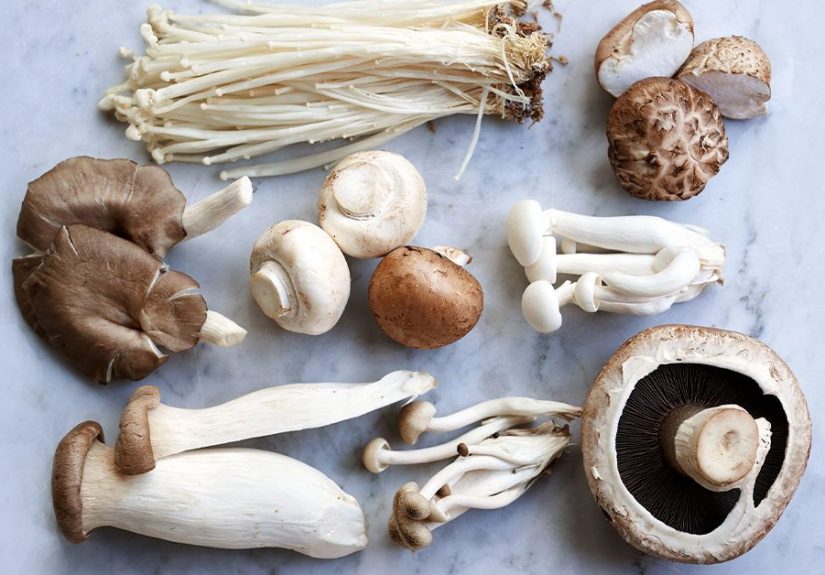
Yes, mushrooms can absolutely be frozen. In fact, freezing is one of the best ways to extend their shelf life when you know you won’t use them while they’re still fresh. This works especially well for everyday varieties like white button, cremini, baby bella, portobello, and shiitake mushrooms.
That said, mushrooms freeze best when they’re prepared first. Most preservation experts recommend either steam blanching or sautéing before freezing. Why? Because heat treatment helps slow enzyme activity that can affect flavor, color, and texture during storage. It also gives mushrooms a better shot at tasting like actual food when you defrost them later.
Technically, you can freeze raw mushrooms. But that doesn’t mean it’s the best option. Raw mushrooms tend to suffer the most in the freezer because their high water content turns into ice crystals, which damage the cell structure. Once thawed, they can become limp and a little tragic. Fine for soup, maybe. Great for a fresh mushroom toast situation? Not so much.
Should You Freeze Mushrooms?
This is where things get interesting. Whether you should freeze mushrooms depends on how you plan to use them later.
Freeze mushrooms if:
- You have extra mushrooms that will spoil before you can use them.
- You plan to cook them later in hot dishes.
- You meal prep and like having ready-to-use ingredients on hand.
- You bought mushrooms in bulk and want to save money.
- You’d rather avoid food waste than hold a farewell ceremony over a mushy carton.
Skip freezing if:
- You want to use them raw in salads or on a veggie platter.
- You care a lot about a firm, fresh texture.
- You only need to store them for a few days and can use the refrigerator instead.
- You’re working with delicate mushrooms that are best enjoyed fresh.
So yes, you should freeze mushrooms if your goal is convenience, longer storage, and future cooked meals. No, you probably shouldn’t if your dream is a crisp, fresh mushroom experience afterward. Frozen mushrooms are more of a “weeknight dinner hero” than a “charcuterie board diva.”
What Happens to Mushrooms in the Freezer?
Mushrooms contain a lot of moisture. During freezing, that water forms ice crystals. As those crystals expand, they break down the mushroom’s structure. When the mushrooms thaw, they often release extra liquid and become softer than they were when fresh.
That sounds a little gloomy, but it’s not a dealbreaker. It just means frozen mushrooms are best used in dishes where softness isn’t a problem. Think gravy, stroganoff, pizza topping, soups, pasta sauce, stir-fries, scrambled eggs, and cooked fillings. In these dishes, the texture change is much less noticeable, and the flavor still shines.
In fact, many home cooks prefer to freeze mushrooms already cooked because it saves time later. Instead of washing, slicing, and sautéing them on a busy evening, you can reach into the freezer like the organized culinary genius you always meant to become.
The Best Way to Freeze Mushrooms
If you want the best quality, don’t just dump mushrooms in a bag and call it a day. A little prep goes a long way.
Step 1: Start with good mushrooms
Choose mushrooms that are firm, dry, and free from slimy spots or obvious decay. Freezing does not magically improve old produce. The freezer is a preservation tool, not a redemption arc.
Step 2: Clean them gently
Wipe mushrooms with a damp paper towel, brush off dirt, or rinse them quickly under cool water if needed. Then dry them well. Don’t soak them for ages. Mushrooms are already water-rich enough without taking them on a spa retreat.
Step 3: Trim and cut
Trim the stem ends and slice larger mushrooms into even pieces. Smaller mushrooms can be left whole if you prefer. Uniform pieces freeze and cook more evenly.
Step 4: Pre-cook them
You have two strong options:
- Steam blanching: This is excellent for preserving color and texture. Some guides also recommend a brief lemon juice or citric acid dip before steaming to reduce darkening.
- Sautéing: This is the easiest method for many home cooks. Cook mushrooms in a skillet until they are just tender or nearly done. You can use a little butter or oil, but don’t drown them.
Sautéing gives mushrooms a richer flavor, while steaming may help them keep quality a little longer. Either method is better than freezing them raw if texture matters to you.
Step 5: Cool them completely
Before freezing, let the mushrooms cool. Packing warm mushrooms into freezer containers creates condensation, and condensation leads to ice crystals, and ice crystals lead to freezer sadness.
Step 6: Freeze in a single layer first
Spread the mushrooms on a baking sheet or tray in a single layer and freeze until firm. This keeps them from clumping into one giant mushroom glacier.
Step 7: Pack and store
Transfer the frozen mushrooms to airtight freezer bags or freezer-safe containers. Remove as much air as possible, label with the date, and store them in the coldest part of the freezer.
How Long Do Frozen Mushrooms Last?
From a food safety perspective, foods kept continuously frozen at 0°F can remain safe for a very long time. But quality is another story. For best flavor and texture, frozen vegetables are generally best used within about 8 to 12 months, and many cooks prefer using frozen mushrooms even sooner for peak results.
If you sautéed your mushrooms before freezing, they may be especially handy during the first few months, when texture and flavor still feel close to fresh-cooked. The longer they sit, the more likely they are to dry out, develop freezer burn, or lose some of their magic.
Can You Freeze Raw Mushrooms?
Yes, but it’s usually not the best choice. If you freeze raw mushrooms, expect them to come out softer and wetter after thawing. Some people still do it when they’re short on time, and the mushrooms can work in heavily cooked dishes later. But if you’re asking for the best method, raw freezing is the lazy shortcut that sometimes sends a complaint email to your future self.
If you must freeze raw mushrooms, slice them first, freeze them in a single layer, then transfer them to a freezer bag. Use them directly from frozen in soups, stocks, casseroles, or sautéed dishes where texture won’t be under a spotlight.
Which Mushrooms Freeze Best?
Common grocery store mushrooms usually freeze well enough for cooked dishes. These include:
- White button mushrooms
- Cremini mushrooms
- Baby bella mushrooms
- Portobello mushrooms
- Shiitake mushrooms
- Morels, when properly cleaned and cooked first
Thicker mushrooms often hold up better than very delicate ones. Wild mushrooms can also be frozen, but they should be correctly identified, cleaned carefully, and cooked before freezing. If you foraged them yourself, extra caution matters. “Mysterious forest mushroom” is not the energy your freezer needs.
How to Use Frozen Mushrooms
The good news is that frozen mushrooms are wonderfully practical. In many cases, you don’t even need to thaw them first. You can add them straight to hot pans or simmering dishes.
Best uses for frozen mushrooms:
- Soups and stews
- Pasta sauces
- Risotto
- Stir-fries
- Omelets and frittatas
- Casseroles
- Gravy and pan sauces
- Pizza and baked pasta toppings
- Stuffing and savory bread pudding
If you thaw them first, do it safely in the refrigerator, cold water, or the microwave, and avoid leaving them on the counter at room temperature. If you thaw them in the microwave or cold water, cook them promptly.
Fresh vs. Frozen Mushrooms: Which Is Better?
Fresh mushrooms are best when texture matters most. They’re ideal for roasting, grilling, stuffing, slicing into fresh recipes, or sautéing when you want that plump, juicy bite.
Frozen mushrooms are better when convenience matters more than pristine texture. They shine in cooked recipes where they blend into the dish and contribute deep, savory flavor.
So this is not really a battle. It’s more like a casting decision. Fresh mushrooms are your lead actor. Frozen mushrooms are your reliable character actor who quietly saves dinner on a Wednesday.
Common Mistakes to Avoid
- Freezing old mushrooms: Start with fresh mushrooms for the best outcome.
- Skipping the drying step: Extra moisture leads to ice and mushiness.
- Freezing a giant clump: Tray-freeze first so you can grab what you need.
- Using weak packaging: Air exposure causes freezer burn and stale flavor.
- Expecting fresh texture after thawing: Frozen mushrooms are for cooked dishes, not texture perfection.
- Forgetting the date: Labeling saves you from guessing whether that bag is mushrooms or a freezer-era mystery.
So, Can You Freeze Mushrooms, and Should You?
Yes, you can freeze mushrooms, and yes, you should when it helps you reduce waste, save prep time, and preserve mushrooms for future cooked meals. The key is knowing that frozen mushrooms are not a perfect substitute for fresh ones. They’re softer, sometimes wetter, and better suited for recipes where they’ll be cooked thoroughly.
If you want the best results, clean them, trim them, and either steam blanch or sauté them before freezing. Store them well, use them within a reasonable window for best quality, and add them straight to soups, sauces, and skillets when life gets busy.
In other words, freezing mushrooms is less about creating an exact copy of fresh mushrooms and more about giving yourself a smart, practical backup plan. And in a world where produce can turn on you overnight, that’s a very beautiful thing.
Kitchen Experiences: What People Learn After Freezing Mushrooms
One of the most common experiences people have with freezing mushrooms is realizing that the freezer solves one problem but creates a different one. The original problem is speed: mushrooms go bad quickly. You buy them with noble intentions, use half the package, and then life happens. Suddenly, three days become six, and the mushrooms in the fridge look like they’ve seen things. Freezing gives you a way to hit pause before that happens.
Another common experience is learning that texture expectations need a little adjustment. People who freeze mushrooms for the first time often expect them to thaw like berries or peas. Then they open the bag, find softer slices, and wonder whether they did something wrong. Usually, they didn’t. Mushrooms just behave differently because they hold so much water. Once home cooks start using them in hot dishes instead of trying to recreate a fresh mushroom sauté from scratch, the results improve fast.
Many people also discover that sautéing before freezing is a game changer. The mushrooms shrink, release some moisture, develop flavor, and take up less freezer space. Later, they can be tossed into pasta sauce, spooned over toast, folded into scrambled eggs, or stirred into soup with almost no effort. That tiny bit of prep up front often feels annoyingly responsible in the moment and deeply satisfying later.
There’s also the tray-freezing lesson. Nearly everyone who skips this step does it once. Just once. Because reaching for “a handful of frozen mushrooms” and getting a single mushroom brick is the kind of kitchen inconvenience that sticks with a person. After that, a sheet pan and single layer suddenly feel like wisdom instead of extra work.
People who cook often come to appreciate frozen mushrooms most on rushed nights. They may not be glamorous, but they are dependable. A bag of pre-cooked mushrooms in the freezer can rescue a bland ramen bowl, bulk up a stir-fry, make a jarred pasta sauce taste more intentional, or turn leftover rice into something that feels like dinner instead of a shrug.
And then there’s the food-waste factor, which might be the biggest lesson of all. Freezing mushrooms is not just about preservation. It changes how people shop and cook. Instead of feeling pressure to use everything immediately, they become more comfortable buying ingredients with a backup plan. That can reduce waste, lower grocery stress, and make weeknight cooking easier. The mushrooms may come out softer, sure, but the trade-off is often worth it. A slightly softer mushroom in a rich sauce beats a slimy mushroom in the trash every single time.