Table of Contents >> Show >> Hide
- What “cheap” really means (and what it doesn’t)
- Step 1: The “free-ish” wins that make everything look newer
- Under $50: Tiny swaps with outsized impact
- $50–$200: The big visual levers
- 1) Paint: the cheapest square footage upgrade on Earth
- 2) Paint the vanity instead of replacing it
- 3) Replace the mirror (or at least stop letting it bully your design)
- 4) Upgrade the showerhead for comfort (and a “new bathroom” feeling)
- 5) Peel-and-stick wallpaper (yes, in a bathroomif you’re smart about placement)
- $200–$500: The weekend upgrades that look like a renovation
- The “looks expensive” playbook (without expensive behavior)
- Renter-friendly bathroom updates (no drilling, no drama)
- Moisture, ventilation, and safety (the part you’ll thank yourself for)
- Three cheap bathroom update game plans (pick your budget)
- Conclusion: Cheap doesn’t mean cheap-looking
- Real-World Experiences: What People Learn Doing a Cheap Bathroom Update (The Fun Way)
Your bathroom doesn’t need a full-blown demolition derby to look better. In fact, most “wow” bathroom makeovers aren’t about ripping out tilethey’re about fixing the handful of details your eyes trip over every single day: yellow lighting, sad hardware, grimy caulk, and that mirror that screams “builder grade, 2009.” The goal of a cheap bathroom update is simple: maximum visible change, minimal money and mess.
Below is a practical, budget-friendly roadmap (with real-world cost ranges, weekend timelines, and the “don’t do this unless you enjoy regret” warnings), written for regular humansnot people who casually own a wet saw.
What “cheap” really means (and what it doesn’t)
A budget bathroom refresh usually means you’re not moving plumbing, not retiling the whole room, and not buying a new vanity “just because.” You’re upgrading surfaces and fixtures you can change quickly: paint, lighting, mirrors, hardware, textiles, storage, and the stuff that makes the room feel clean.
The golden rule of cheap bathroom updates
Don’t pay to change what you can’t see. Spend money where your eyes land first: vanity area, mirror + light, shower/tub surround, and the floor perimeter. Everything else is supporting cast.
Step 1: The “free-ish” wins that make everything look newer
Before you buy anything, do the unsexy stuff. It’s not glamorous, but it workskind of like flossing.
Deep clean like you’re getting your security deposit back
- Descale faucets and showerheads (vinegar soak or a descaler).
- Scrub grout with a grout brush and the right cleaner, then rinse and dry.
- Degrease vanity fronts and baseboards (soap scum + dust = sadness paste).
- Polish glass and mirrors; remove water spots.
Declutter surfaces (your bathroom is not a storefront)
Clear the counter. Put daily items in a tray. Hide backups in a basket or cabinet. When the visual noise drops, the room instantly reads “updated,” even if nothing physically changed.
Fix the lighting temperature
If your bathroom bulbs look like a fast-food heat lamp (very yellow) or a spaceship interrogation (very blue), swap them. Choose a consistent color temperature across bulbs so your face doesn’t look different depending on which side of the sink you’re standing on.
Under $50: Tiny swaps with outsized impact
This is the sweet spot for a budget bathroom makeover. You’re aiming for high-visibility details.
1) Replace gross caulk (the makeover no one posts, but everyone notices)
Old caulk can discolor, crack, or grow mildew, and it makes an otherwise nice bathroom look permanently “meh.” Re-caulking around the tub, shower edge, and sink is one of the cheapest visual upgradesjust remove the old caulk completely, clean, dry, then apply new. If your caulk line currently resembles a mountain range, you’re exactly the target audience.
2) Swap cabinet hardware
New knobs/pulls are the “new shoes” of bathrooms: small, fast, and surprisingly transformative. The trick is consistency: pick a finish that matches (or intentionally complements) your faucet and light fixture so it looks planned, not accidental.
3) Upgrade soft goods
A crisp shower curtain, fresh bath mat, and coordinated towels can change the whole vibe. Pro tip: go simple on the big items (curtain, rug) and add personality with smaller pieces (hand towels, art).
4) Add one “intentional” accessory
A small plant (real or convincing fake), a framed print, or a matching soap dispenser set helps the bathroom feel styled. You’re not decorating a museumjust convincing your brain the room has its life together.
$50–$200: The big visual levers
1) Paint: the cheapest square footage upgrade on Earth
Paint is often the highest ROI move in a cheap bathroom update. Use bathroom-appropriate paint (mildew-resistant formulas help), and don’t skip prep:
- Wash walls (soap scum and hair spray are paint’s sworn enemies).
- Patch holes, sand smooth, dust off.
- Use painter’s tape where it matters.
Color ideas that look “expensive” without being fussy: soft white, warm greige, moody navy on a vanity, or a two-tone wall treatment (light above, darker below) to add depth in a small bathroom.
2) Paint the vanity instead of replacing it
Replacing a vanity can snowball into plumbing adjustments, flooring gaps, and “how did I get here?” moments. Painting it is cheaper, faster, and often looks shockingly goodespecially with new hardware. Use a durable cabinet/trim paint or a cabinet-rated system.
3) Replace the mirror (or at least stop letting it bully your design)
A large, simple mirror makes the room feel bigger and brighter. A framed mirror can add “custom” energy instantly. If you can’t replace it, consider a DIY frame kit or a clean-lined stick-on frame solution.
4) Upgrade the showerhead for comfort (and a “new bathroom” feeling)
A new showerhead is one of those upgrades that’s both practical and emotionally validating. You use it daily, and it can improve spray quality while saving water, depending on the model. It’s also a beginner-friendly DIY for many setups.
5) Peel-and-stick wallpaper (yes, in a bathroomif you’re smart about placement)
Peel-and-stick wallpaper can be easier than traditional wallpaper and works well as an accent: above tile lines, on one statement wall, or behind shelving. Keep it away from direct shower spray, and make sure your wall is clean and dry before applying. If your bathroom is very humid and under-ventilated, fix that first (we’ll get there).
$200–$500: The weekend upgrades that look like a renovation
1) Replace the vanity light fixture (the “face filter” of the room)
Lighting is everything. A modern vanity light can make your entire bathroom read newereven if nothing else changed. Choose a size proportional to your mirror/vanity and use bulbs that flatter skin tones (your morning self deserves kindness). If electrical work isn’t your comfort zone, hire a pro for this stepcheap updates should not include “accidental blackout.”
2) Replace the bathroom faucet
A new faucet updates the vanity area instantly. The key is fit: confirm hole configuration (single-hole vs. widespread) before you buy. Many faucet swaps are manageable with basic tools, but budget time for cleaning gunk under the old fixture (nature’s adhesive).
3) Add real storage where it actually helps
A bathroom feels updated when it feels functional. Consider:
- Over-toilet shelving (anchored properly, not “balanced optimistically”).
- A narrow rolling cart for tight spaces.
- Drawer organizers and under-sink bins to keep chaos contained.
4) Refresh grout carefully (and know when to stop)
Grout is tricky. Cleaning and sealing can help a lot. “Grout paint” can be a temporary cosmetic fix in some cases, but it’s not magic, and it may not last long especially in wet zones. If grout is cracked, missing, or mold keeps returning, regrouting (or targeted repair) is usually the better long-term move.
The “looks expensive” playbook (without expensive behavior)
Unify finishes
Bathrooms look coherent when metal finishes aren’t fighting. You don’t need everything to match perfectly, but aim for a clear plan: one dominant finish (chrome, brushed nickel, matte black, brass) and one supporting finish at most.
Make one bold choice
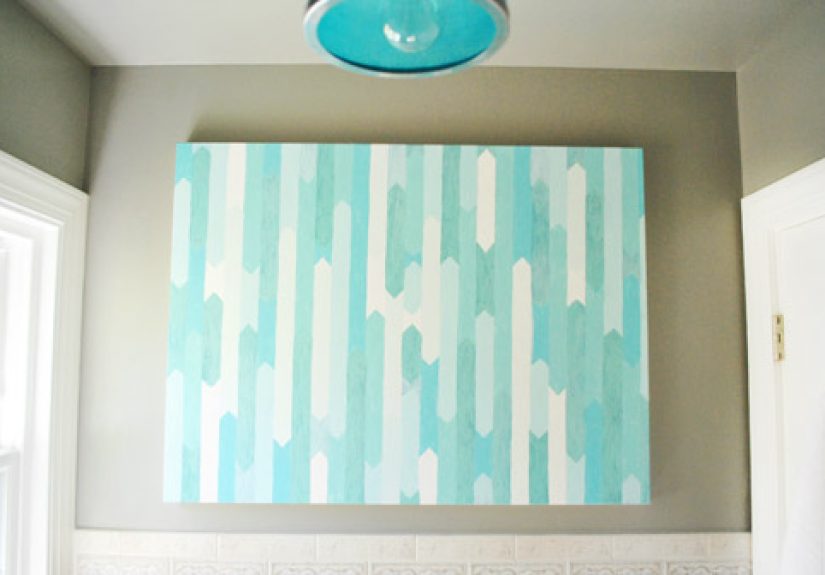
A cheap bathroom update feels intentional when there’s one “moment”: a moody vanity color, a patterned curtain, a statement mirror, or a dramatic wall color. Pick one star; let everything else be the backup dancers.
Scale matters
Too-small art, tiny rugs, and undersized mirrors make the room feel awkward. When in doubt: go slightly larger on the mirror, and choose a bath mat that actually anchors the vanity zone.
Renter-friendly bathroom updates (no drilling, no drama)
- Peel-and-stick wallpaper as an accent wall (avoid direct spray).
- Temporary vinyl floor tiles if your existing floor is smooth and you can remove later.
- Swap the showerhead (keep the original to reinstall later).
- Command-strip shelving for lightweight items.
- Textile makeover: curtain, towels, rug, and a small lidded trash can that doesn’t look like it belongs in a gas station.
Moisture, ventilation, and safety (the part you’ll thank yourself for)
Size your bath fan correctly (or your cute wallpaper will suffer)
A common rule of thumb is about 1 CFM per square foot for typical bathrooms, and guidance often starts at a minimum around 50 CFM for small baths. Bigger bathrooms or multiple fixtures may need more airflow. If your mirror stays foggy forever, your fan is either undersized, underperforming, or venting into the wrong place (yes, that happens).
Mold cleanup: protect yourself and don’t mix chemicals
If you’re dealing with visible mold, use proper protection (like a well-fitting respirator for some situations and gloves), ventilate the area, and avoid mixing cleaning productsespecially anything involving bleach and ammonia. Clean the mold and fix the moisture source, or it’ll come right back like a bad sequel.
Older homes: assume lead paint risk unless you know otherwise
If your home was built before 1978, treat paint disturbance seriously. Use lead-safe work practices: contain dust, keep kids/pets out, and consider testing or hiring certified help for projects that create dust (sanding, scraping, demolition). A cheap update isn’t worth a health risk.
Electrical reality check
Bathrooms and electricity have a complicated relationship. If you’re changing fixtures or adding outlets, code and safety matter: GFCI protection, correct ratings for damp locations, and proper shutoff at the breaker. If you’re unsure, hire a licensed electrician for that portion and keep the rest DIY.
Three cheap bathroom update game plans (pick your budget)
Plan A: Under $75 “Saturday Reset”
- Deep clean + declutter
- New caulk line where needed
- New shower curtain + fresh towels
- Swap bulbs to consistent color temperature
Result: Cleaner, brighter, less datedfast.
Plan B: Under $250 “Weekend Glow-Up”
- Paint walls (or vanity)
- New hardware (vanity pulls, towel bar if needed)
- New mirror or DIY mirror frame
- Replace showerhead
Result: Vanity zone looks redesigned without replacing the vanity.
Plan C: Under $500 “Looks Like You Renovated (But You Didn’t)”
- Paint + vanity refresh
- New vanity light fixture
- New faucet (if compatible)
- Storage upgrade (over-toilet shelf or cabinet organizers)
Result: The whole room reads modern, cohesive, and intentional.
Conclusion: Cheap doesn’t mean cheap-looking
The best affordable bathroom ideas follow the same pattern: fix what looks dirty, modernize what looks dated, and improve function where life gets annoying. Paint, caulk, lighting, and a few smart swaps can create a small bathroom refresh that feels like a renovationwithout the renovation budget.
If you remember nothing else, remember this: keep it cohesive, keep it dry, keep it clean. Your future self (and your guests) will notice.
Real-World Experiences: What People Learn Doing a Cheap Bathroom Update (The Fun Way)
If you’ve never done a budget bathroom makeover, here’s the part no one admits until it’s too late: the bathroom is a tiny room with big feelings. You walk in confidentarmed with a paint roller and optimismand five minutes later you’re negotiating with a towel bar that was installed by someone who hated joy. The good news? Most “lessons learned” are predictable, which means you can steal other people’s wisdom and skip a few headaches.
First: prep is the difference between “cute refresh” and “why is it peeling?” People often assume paint is the fast part. It’s not. The fast part is rolling color on the wall. The slow part is cleaning soap scum off walls, sanding glossy vanity doors, and taping edges so your trim doesn’t look like it was painted during a mild earthquake. The folks who swear painting “didn’t work” usually skipped the boring steps.
Second: lighting exposes everything. Many budget updates include a new mirror or brighter bulbs, and suddenly the bathroom looks “worse” for a day because now you can see the dingy caulk line, the chipped paint behind the toilet, and the grout that has been quietly plotting against you. This is normal. It’s not the light’s fault. The light is simply telling the truth. The fix is also budget-friendly: recaulk, touch up paint, and clean or reseal grout where it’s still structurally sound.
Third: one change makes you want to change everything. Someone replaces the faucet and now the towel ring looks ancient. They swap the towel ring and suddenly the cabinet pulls feel off. This is how bathrooms convince you to overspend. The antidote is a simple “finish plan”: decide your primary metal finish (say, brushed nickel) and a single accent (maybe matte black), then stop shopping like the bathroom is doing a psychological experiment on you.
Fourth: water is undefeated, so moisture control is not optional. People who add peel-and-stick wallpaper or new textiles without fixing ventilation often discover that humidity is a ruthless critic. If your mirror fog takes forever to clear, upgrade the fan, run it longer, or crack a window when possible. It’s not glamorous, but it keeps your “cheap bathroom update” from becoming a “why is my paint bubbling?” documentary.
Fifth: the biggest “luxury” feeling is function. Real households rave about small wins: a showerhead that actually rinses shampoo, drawer organizers that prevent countertop clutter, a mirror big enough to use without leaning like you’re dodging lasers. When daily friction goes down, the bathroom feels more expensiveeven if you didn’t buy expensive things.
Finally: budget projects feel better when you build in a “save your sanity” buffer. People who plan a cheap update for Saturday morning and “finish by lunch” often end up eating cold pizza at 10 p.m. while waiting for paint to dry. A smarter approach: plan two sessions. Day 1 is cleaning, prep, and painting. Day 2 is hardware, styling, and the satisfying “before/after” reveal. Your timeline will be more realistic, your results cleaner, and your bathroom will stop feeling like a pop-up construction site.