Table of Contents >> Show >> Hide
- First, a quick face map: where is the pain really coming from?
- 9 reasons your cheeks might hurt
- 1) Sinus inflammation or a sinus infection
- 2) A tooth problem (cavity, cracked tooth, gum disease) or a dental abscess
- 3) TMJ disorder (jaw joint irritation) or bruxism (clenching/grinding)
- 4) Salivary gland stones or infection (parotid/submandibular gland)
- 5) Shingles (herpes zoster) affecting the face
- 6) Trigeminal neuralgia (nerve pain that loves drama)
- 7) Migraine (often mistaken for “sinus headache”) and other headache syndromes
- 8) Skin and soft tissue infection (cellulitis) or inflamed skin conditions
- 9) Injury, facial fracture, or plain old muscle strain
- When cheek pain is urgent
- Practical next steps (without guessing your diagnosis)
- FAQ: quick answers people actually search for
- Conclusion
- Real-World Cheek Pain Experiences (What People Commonly Describe)
- The “I woke up with a tired face” morning
- The “bending over makes it worse” sinus saga
- The “one tooth started a rebellion” dental story
- The “it hurts when I eat… but only at the start” salivary-gland clue
- The “light touch feels like lightning” nerve pain experience
- The “pain first, rash later” shingles surprise
- The “my cheek looks angry” skin inflammation moment
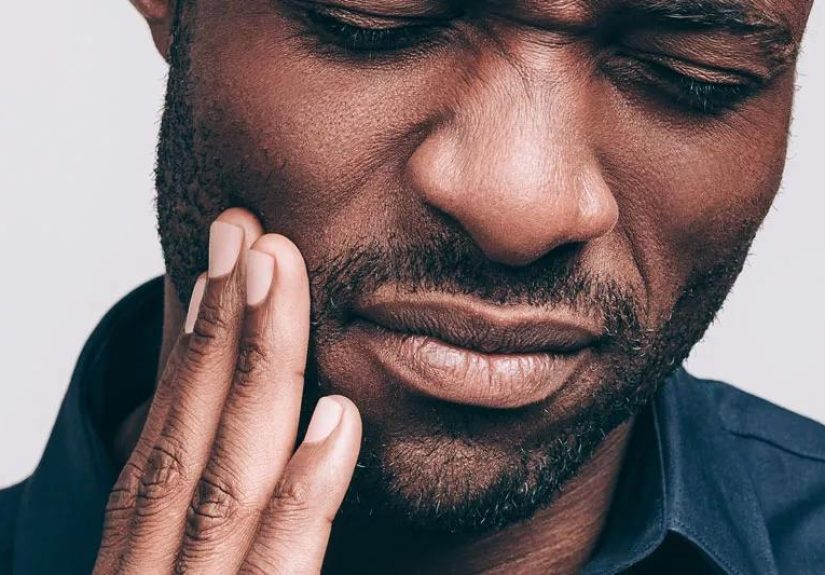
Your cheeks are innocent. They just sit there, being cheeky, catching compliments, holding up glasses, and occasionally getting smushed by your pillow. So when one (or both) starts hurting, it can feel weirdly personallike your face is staging a tiny protest.
“Cheek pain” is a broad label. The ache might be on the cheekbone, deep in the face near the sinuses, inside the mouth, near the jaw joint, or even radiating from teeth, nerves, or skin. The good news: most causes are treatable. The important part is figuring out which neighborhood the pain lives inbecause the fix for a sinus problem is wildly different from the fix for a tooth infection (and “ignore it” is a bad plan for both).
First, a quick face map: where is the pain really coming from?
Before we get into the nine common reasons, do a 20-second self-check. Don’t worrythis isn’t a medical exam, just a “what should I suspect first?” sorting hat.
- Cheekbone / under-eye pain that worsens when bending forward: often points to sinus pressure.
- Pain with chewing or when biting down: often suggests teeth or TMJ (jaw joint).
- Swelling near the jaw/ear, especially around meals: think salivary gland issues.
- Electric, shock-like jolts triggered by touch, talking, brushing teeth: suspect nerve pain.
- Skin tenderness, warmth, redness: could be a skin/soft tissue infection or inflammation.
- New rash or blisters, usually on one side: shingles enters the chat.
9 reasons your cheeks might hurt
1) Sinus inflammation or a sinus infection
The maxillary sinuses sit behind your cheeks. When they’re inflameddue to a viral cold, allergies, or sometimes a bacterial infectionyou can feel pressure, tenderness, or a dull ache in the cheeks and under the eyes. Some people notice it gets worse when they bend forward, like tying shoes or picking up a dropped phone (which, inconveniently, happens 47 times a day). Facial pressure around the cheeks is a classic sinusitis clue.
Common clues:
- Stuffy nose, thick nasal discharge, postnasal drip
- Pressure in cheeks/forehead, worse when bending over
- Upper tooth ache (yes, sinuses can “borrow” your teeth’s address)
- Possible fever or fatigue
What to do: Hydration, saline rinses, humidified air, and OTC pain relief can help with viral or allergy-related inflammation. If symptoms are severe, persist beyond ~10 days, or you develop high fever or worsening facial swelling, it’s time to contact a clinician to evaluate for complications or bacterial infection.
2) A tooth problem (cavity, cracked tooth, gum disease) or a dental abscess
Teeth are masters of misdirection. A problem in an upper molar can radiate pain into the cheek, jaw, ear, or even the side of the face. A dental abscessan infection that can form when bacteria get into the toothmay cause intense tooth pain plus swelling of the face or cheek. Swelling with trouble swallowing or breathing is an emergency.
Common clues:
- Throbbing pain, sensitivity to hot/cold, pain with chewing
- Gum swelling, bad taste or bad breath, possible fever
- Cheek swelling on one side, tender lymph nodes
What to do: If you suspect an abscess or significant tooth infection, don’t “wait it out.” A dentist can confirm the source and treat it (often by drainage, root canal, or extraction depending on severity). Seek urgent care if you have facial swelling with fever, spreading redness, or any breathing/swallowing difficulty.
3) TMJ disorder (jaw joint irritation) or bruxism (clenching/grinding)
Your temporomandibular joint (TMJ) connects your jaw to your skull right in front of the ear. When it’s irritated, the pain can show up in the jaw, temples, ear area, and yesyour cheeks. Clenching and grinding (especially during stress or sleep) can fatigue the jaw muscles and make your face feel like it did an unplanned workout.
Common clues:
- Pain with chewing, yawning, or opening wide
- Jaw clicking/popping, jaw stiffness, morning soreness
- Headaches, ear fullness, facial muscle tenderness
What to do: Soft foods for a few days, heat or cold packs, gentle jaw stretching, posture attention, and stress management can help. A dentist may recommend a night guard if grinding is an issue. Persistent locking, worsening pain, or significant bite changes deserve evaluation.
4) Salivary gland stones or infection (parotid/submandibular gland)
Saliva isn’t glamorous, but it’s doing important work. If a salivary duct gets blocked by a stone, you may feel swelling and pain in the gland sometimes in the cheek areaespecially when eating or even thinking about food (your glands get excited and then hit a traffic jam). Johns Hopkins notes symptoms can worsen around meals.
Parotitis (inflammation/infection of the parotid gland, near the cheek and jaw) can also cause facial swelling and pain, sometimes worse after eating.
Common clues:
- Swelling near the cheek/jaw or in front of the ear
- Pain that spikes with meals
- Dry mouth, foul taste, fever if infected
What to do: Hydration, warm compresses, gentle massage, and sour candies (to stimulate flow) are commonly suggested supportive measures. If you have fever, significant swelling, or worsening painget checked to rule out infection needing treatment.
5) Shingles (herpes zoster) affecting the face
Shingles can start with burning, shooting pain, tingling, or itchingoften on one side of the facebefore a rash appears. Then the rash usually shows up in a band-like distribution, sometimes with blisters. Facial involvement is especially important because it can affect the eye depending on the nerve branch involved.
Common clues:
- One-sided burning or stabbing pain, skin sensitivity
- Rash/blisters appear after the pain (sometimes days later)
- Possible fever, headache, feeling run-down
What to do: If you suspect shinglesespecially on the facecontact a healthcare professional promptly. Antiviral treatment is time-sensitive and can reduce severity and complications when started early.
6) Trigeminal neuralgia (nerve pain that loves drama)
Trigeminal neuralgia causes sudden, intense, electric shock-like facial pain, typically on one side, often involving the cheek or jaw. It can be triggered by light touch, brushing teeth, talking, eating, or even a breezebasically, activities your face used to do for free.
Common clues:
- Brief bursts of severe, stabbing or shock-like pain
- Triggered by touch or routine movement
- Often no visible swelling or redness
What to do: This is not a “tough it out” situation. A clinician (often neurology) can confirm the diagnosis and discuss medication options and, in some cases, procedures. The key is accurate diagnosis because tooth pain and trigeminal neuralgia can mimic each other.
7) Migraine (often mistaken for “sinus headache”) and other headache syndromes
Facial pressure and cheek discomfort can occur with migraine, and many people label it a “sinus headache.” The American Migraine Foundation notes that a large share of self-diagnosed sinus headaches are actually migraines.
Cluster headaches are different but can also cause severe one-sided pain around one eye and can radiate to other parts of the face and head.
Common clues:
- Migraine: throbbing or pressure-like pain; light/sound sensitivity; nausea; may have watery eyes or congestion
- Cluster: severe, stabbing one-sided pain (often around the eye), restlessness, tearing/runny nose on the painful side
What to do: Track triggers, timing, and associated symptoms. If facial pain comes with classic migraine featuresor repeats in patternstalk to a clinician. Effective treatments exist, and correct labeling matters.
8) Skin and soft tissue infection (cellulitis) or inflamed skin conditions
If the cheek looks red, feels warm, swollen, and tender, a skin/soft tissue infection like cellulitis is on the list. Cellulitis can cause swelling, warmth, pain, and fever, and it may spread if untreated.
Common clues:
- Redness, warmth, swelling, tenderness
- Fever/chills, feeling unwell
- Skin may look “tight” or pitted
What to do: Because cellulitis can worsen quickly, seek medical evaluationespecially if fever is present, the area is spreading, or you’re immunocompromised. Don’t try to “pop” anything on the face if you suspect infection.
9) Injury, facial fracture, or plain old muscle strain
Did you take an elbow during basketball? Face-plant into a cabinet door? Even a minor bump can bruise tissues over the cheekbone and make chewing or smiling painful. More serious trauma can involve facial fractures, which may cause pain, swelling, bruising, numbness, and visible contour changes.
Common clues:
- Recent impact or fall
- Swelling/bruising, tenderness to touch
- Numbness under the eye or altered sensation
- Difficulty opening the mouth or bite feels “off”
What to do: If pain is significant, swelling is rapidly increasing, vision is affected, numbness is present, or the face looks asymmetrical after trauma, get evaluated promptly.
When cheek pain is urgent
Most cheek pain isn’t an emergency, but some symptoms should move you from “Googling at midnight” to “Get help now.” Seek urgent care or emergency evaluation if you have:
- Difficulty breathing or swallowing
- Rapidly worsening facial swelling
- High fever with facial swelling or redness
- Severe dental pain with swelling (possible spreading infection)
- Eye symptoms with facial rash (especially suspected shingles)
- New facial droop, weakness, or sudden numbness
- Significant facial trauma, vision changes, or a bite that suddenly feels misaligned
Practical next steps (without guessing your diagnosis)
Try these questions
- What triggers it? Chewing (teeth/TMJ), bending forward (sinus), light touch (nerve).
- Any swelling? Salivary gland, infection, dental abscess, trauma.
- Any rash? Think shingles or skin inflammation/infection.
- Any fever? Infection becomes more likely.
- One side or both? Many nerve and dental issues are one-sided; sinus/allergy can be both.
Low-risk comfort measures (while you arrange care if needed)
- Warm compress for muscle/TMJ soreness; cool compress for swelling
- Soft foods, smaller bites, avoid gum or chewy foods if jaw hurts
- Hydration and saline rinses if congestion is involved
- Good oral hygiene; avoid very hot/cold foods if teeth are sensitive
- Over-the-counter pain relief only if safe for you (check labels and health conditions)
If symptoms are persistent (days to weeks), severe, or recurring, a clinician or dentist can help pinpoint the source. Facial pain is notoriously good at impersonating other conditions, so getting the right diagnosis is half the battle.
FAQ: quick answers people actually search for
Why does my cheek hurt when I chew?
Chewing-related cheek pain commonly points to dental issues (cavity, cracked tooth, abscess) or TMJ/muscle strain from clenching and jaw overuse. If there’s swelling near the jaw or pain that worsens around meals, salivary gland blockage is also a possibility.
Can sinus problems cause cheek and upper tooth pain?
Yes. Maxillary sinus inflammation can create pressure and tenderness in the cheeks and may feel like upper tooth ache. Look for congestion and pain that worsens when bending forward.
What if my cheek hurts but my tooth looks fine?
Teeth can hurt without visible changes, but other causes include TMJ issues, sinus inflammation, trigeminal neuralgia, migraine, salivary gland problems, or skin/soft tissue inflammation. A dentist can rule out subtle dental causes; a clinician can evaluate non-dental causes if the dental exam is normal.
Conclusion
Cheek pain is one of those symptoms that sounds simple until you realize your face is basically a busy intersection of sinuses, teeth, nerves, muscles, glands, and skin. The trick is matching the patterntrigger, location, swelling, congestion, rash, feverto the most likely source. And if the pain is severe, the swelling is fast, or you have red-flag symptoms, don’t wait for it to “sort itself out.” Your cheeks deserve better.
Real-World Cheek Pain Experiences (What People Commonly Describe)
Medical explanations are helpful, but real life is messy. People rarely walk into a clinic saying, “Hello, I’m presenting with maxillary sinus tenderness.” They say things like, “My face feels like it got into a bar fight with a brick,” while holding a cup of coffee they can’t sip because it hurts to smile. Here are common cheek-pain storylines people reportuseful for recognizing patterns (not for self-diagnosing).
The “I woke up with a tired face” morning
A lot of people notice cheek and jaw soreness first thing in the morning. They’ll describe it as a dull, tired ache near the jawline or in the cheek muscles, sometimes with a headache that feels like it started behind the temples. The giveaway is that it often improves as the day goes on… unless stress ramps up and the clenching returns. People are frequently surprised to learn that nighttime grinding can make the face feel like it ran a marathon while the rest of the body did absolutely nothing. A dentist mentioning “wear facets” or a partner hearing grinding sounds at night often completes the puzzle.
The “bending over makes it worse” sinus saga
Another classic experience: a heavy, pressurized ache under the eyes that flares when bending down to tie shoes, pick up laundry, ortragicallywhen leaning forward to look for the TV remote. Some people say their cheekbones feel bruised even though they didn’t hit anything. Add congestion, thick nasal drainage, and an overall “stuffed head” feeling, and sinus inflammation becomes a prime suspect. People are also commonly startled by how sinus pressure can feel like upper tooth pain, leading them to worry about a dental catastrophe… only to find out their sinuses were the drama club all along.
The “one tooth started a rebellion” dental story
Dental pain can start small“a little zing when I drink something cold”and then escalate into a steady throb that seems to radiate into the cheek and jaw. People sometimes report chewing on only one side “for a few days” (which becomes “for two weeks,” if you ask follow-up questions). When swelling appears, it can feel puffy, tight, and tender, and some describe a bad taste or a weird pressure that makes it hard to focus. The emotional arc is predictable: denial, googling, bargaining with mouthwash, then finally calling the dentist when the pain starts winning every argument.
The “it hurts when I eat… but only at the start” salivary-gland clue
Salivary gland blockage has a strangely specific vibe. People might say, “My cheek swells up when I start eating, then it calms down,” or “Sour candy makes it worse, which is unfair because sour candy is supposed to make life better.” The pain can feel like a pressure build-up near the cheek or jaw, especially around meals, as the gland tries to push saliva through a narrowed duct. If infection sets in, the discomfort can shift from “annoying” to “wow, my face is mad,” with tenderness and sometimes fever.
The “light touch feels like lightning” nerve pain experience
People describing trigeminal neuralgia often sound baffled: “I barely touched my face and it felt like an electric shock,” or “Brushing my teeth set it off.” The episodes may be short but intense, and the fear of triggering the next jolt can become its own burden. Many people try to “avoid” the pain by chewing carefully, talking less, or skipping normal hygiene stepsuntil they realize this is not a problem to solve with grit and silence. The standout feature is how disproportionate the pain is compared to the trigger: a breeze, a sip of water, a gentle tapboom.
The “pain first, rash later” shingles surprise
Shingles often fools people at the start. They’ll report a burning or deep aching pain on one side of the face, sometimes with tingling, and assume it’s a tooth issue or sinus pressure. Then the rash appears days later, and suddenly the mystery gets a very visible plot twist. People frequently describe the skin as tender to the point where even washing the face feels irritating. Facial shingles can be especially stressful because of possible eye involvement, which is why prompt evaluation matters if shingles is suspected.
The “my cheek looks angry” skin inflammation moment
With skin and soft tissue inflammation (including cellulitis), people often notice warmth and tenderness firstthen realize the area is visibly red or swollen. Some describe it as a patch that feels hot, tight, and sore, as if the skin itself is bruised from the inside. When fever or fatigue joins the party, it’s a sign the body is treating this like a serious situation (because it can be). Unlike acne or minor irritation, cellulitis tends to spread or worsen rather than slowly “dry up and behave.”
Bottom line: cheek pain experiences can be dramatically different depending on the cause. The most useful takeaway is pattern recognitionwhat triggers it, what else is happening (swelling, congestion, rash, fever), and how quickly it’s changing. That information helps a dentist or clinician get you to the right fix fasterso your cheeks can go back to their main job: existing quietly and looking good in photos.