Table of Contents >> Show >> Hide
- What “Perfect” Means (Because Cookies Are Personal)
- The Ingredient Science (So You Can Control the Outcome)
- Method Matters: The Five Steps That Change Everything
- Foolproof Base Recipe: Classic Chewy Chocolate Chip Cookies
- Customize Your Texture: Quick “If You Want X, Do Y” Guide
- Troubleshooting: When Cookies Have Opinions
- Make-Ahead, Storage, and Freezer Victory
- Chocolate Chip Cookies in Real Life: of Cookie Experiences
- Conclusion
Chocolate chip cookies are the edible equivalent of a warm hug that also happens to have chocolate in it. They’re nostalgic, a little chaotic,
and somehow always better when you “accidentally” eat one while it’s still too hot and your mouth goes, “Worth it.”
This guide isn’t here to gatekeep cookies. It’s here to help you make the kind of chocolate chip cookies you actually wantwhether that’s
crispy edges with a chewy center, soft-baked and pillowy, or big bakery-style boulders that look like they bench-press mixing bowls.
What “Perfect” Means (Because Cookies Are Personal)
Ask ten people for the “best chocolate chip cookies” and you’ll get ten passionate monologues. The truth: perfection depends on texture,
flavor, and how dramatic you want your cookie to be.
Choose your cookie personality
- Chewy: Bendy center, caramel notes, slightly crisp rim. Classic “just one more” cookie.
- Crispy: Snappy edges, deep toasty flavor, great for dunking.
- Soft-baked: Tender and plush, like the cookie version of a hoodie.
- Thick bakery-style: Tall, gooey, dramatic. The cookie that posts gym selfies.
You can get any of these on purposewithout praying to the Oven Godsif you understand a few simple levers: butter temperature, sugar choices,
flour amount, mixing style, and whether you chill the cookie dough.
The Ingredient Science (So You Can Control the Outcome)
Butter: flavor, spread, and texture
Butter is the lead actor. Softened butter creamed with sugar traps air for a lighter texture. Melted butter
tends to make cookies denser and chewier, often with more spread. Brown butter adds a nutty, toffee-like depth that makes
your kitchen smell like you just got a promotion.
If you brown butter, let it cool until it’s warmnot hotso the dough doesn’t turn greasy. Think “comfy bath,” not “lava.”
Sugar: chew vs crisp (and the flavor dial)
Sugar isn’t just sweetnessit’s structure and texture.
- Brown sugar brings moisture and chew, plus caramel flavor.
- Granulated sugar encourages spread and crisp edges.
- More brown than white usually = chewier cookies. More white = crispier cookies.
Want that iconic chewy-center/crisp-edge combo? A balanced mix of both sugars is your best friend.
Flour: structure (and how “cakey” sneaks in)
Too much flour is the #1 reason cookies go cakey or dry. Flour should be measured carefully (spoon-and-level if using cups, or better:
weigh it). Over-flouring makes the dough stiff, limits spread, and gives you muffin-tops pretending to be cookies.
If you want extra chew, consider bread flour (higher protein) or a blend of bread flour and all-purpose flour.
More protein = more structure = more chew.
Eggs: moisture and tenderness
Eggs bind and add water. Extra egg whites can make cookies puffier/cakier, while extra yolk can increase richness and chew.
For many home bakers, a single whole egg plus one yolk is a sweet spot for a chewy cookie without going puffy.
Leavening: baking soda vs baking powder
Baking soda promotes spread and browning (hello, crisp edges). Baking powder tends to add lift and can
push cookies toward cakey if overused. Most classic chocolate chip cookies lean on baking soda, sometimes with a tiny bit of powder for lift.
Chocolate: chips, chunks, and why chopped bars win
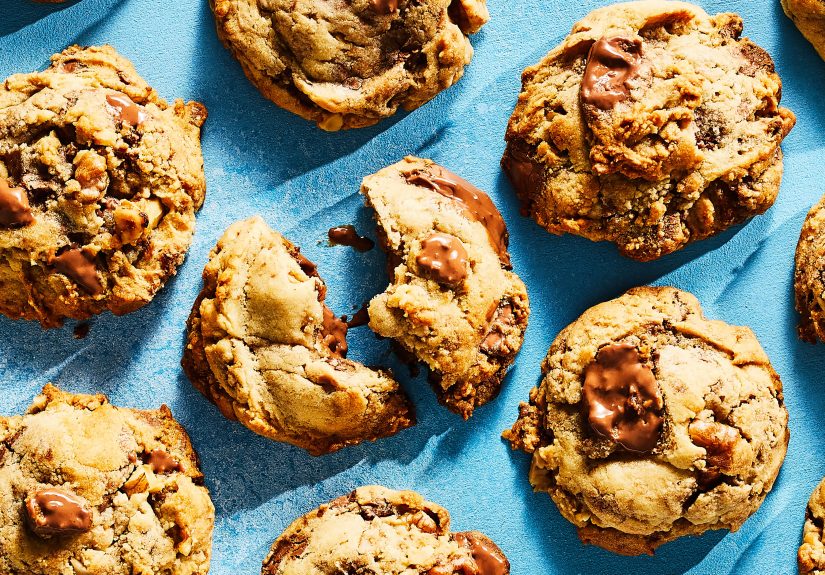
Chocolate chips are convenient and nostalgic. But if you want puddles and layers of melty chocolate, try chopping a bar.
You get shards, chunks, and flecks that melt differentlymore goo, more drama, more “how did you DO this?”
Pro move: use a mixchips for structure + chopped chocolate for puddles.
Salt and vanilla: tiny ingredients, massive impact
Salt makes chocolate taste more chocolate-y. Vanilla rounds everything out. If you like the sweet-salty vibe, sprinkle a pinch of flaky sea salt
on top right before baking (or right after if you forgot because you were busy licking the spoon).
Method Matters: The Five Steps That Change Everything
1) Creaming vs “lazy mix”
Creaming softened butter with sugar creates tiny air pockets, which helps with a lighter texture and more even baking. If you melt butter,
you’ll usually get a denser, chewier cookie. Neither is “right”they’re just different destinations.
2) Don’t overmix once flour arrives
Mix flour in gently, just until no dry streaks remain. Overmixing develops gluten, which can make cookies tough or oddly bready.
Your goal is “combined,” not “beaten into submission.”
3) Chill the dough (your easiest upgrade)
Chilling cookie dough improves flavor and texture. It lets flour hydrate and firms up the fat, reducing spread. Even a short chill helps;
an overnight rest can be a game-changer for deeper caramel notes and better browning.
4) Portion consistently
A cookie scoop keeps sizes even so everything bakes at the same rate. Inconsistent scoops lead to the world’s saddest cookie situation:
half-burned, half-raw.
5) Pull them early
The secret to soft centers is taking cookies out when the edges are set and the centers still look slightly underdone. They finish cooking on
the hot pan as they cool. If you wait until the center looks “fully baked,” you often overshoot into dry territory.
Foolproof Base Recipe: Classic Chewy Chocolate Chip Cookies
This is a reliable “everyday best” recipe: crisp edges, chewy center, strong vanilla-butter flavor, and lots of chocolate. It’s designed to be
easy, but still bakery-level when you use the optional upgrades.
Ingredients (makes about 24 medium cookies)
- 2 1/4 cups (270g) all-purpose flour
- 1 teaspoon baking soda
- 3/4 teaspoon fine salt
- 3/4 cup (170g) unsalted butter, softened (not melted)
- 3/4 cup (150g) packed light brown sugar
- 1/2 cup (100g) granulated sugar
- 1 large egg + 1 egg yolk
- 2 teaspoons vanilla extract
- 1 1/2 to 2 cups (255–340g) semisweet chocolate chips and/or chopped chocolate
- Optional: 1 cup toasted walnuts or pecans
- Optional: flaky sea salt for topping
Instructions
- Preheat oven to 350°F. Line 2 baking sheets with parchment paper.
- Whisk flour, baking soda, and salt in a bowl. Set aside.
- In a large bowl, beat softened butter, brown sugar, and granulated sugar until fluffy, about 2–3 minutes
(by hand with enthusiasm, or with a mixer). - Add egg, yolk, and vanilla. Mix until smooth.
- Add dry ingredients and mix gently until just combined.
- Fold in chocolate (and nuts if using).
- Chill the dough for at least 30 minutes (best: 12–24 hours). If chilling longer, scoop portions first for easy baking later.
- Scoop dough into 2-tablespoon mounds, spacing them 2–3 inches apart. Sprinkle flaky salt on top if desired.
- Bake 10–12 minutes, until edges are golden and centers look slightly soft. Cool on the sheet 5–10 minutes, then move to a rack.
Optional upgrades (pick one, not all at onceunless you enjoy chaos)
- Brown butter upgrade: Brown the butter, then cool until warm. Expect deeper toffee flavor and slightly denser chew.
- Chocolate upgrade: Use chopped chocolate bars for pools and shards.
- Chew upgrade: Swap 1/2 cup (60g) of the flour for bread flour.
Customize Your Texture: Quick “If You Want X, Do Y” Guide
If you want chewier cookies
- Use more brown sugar than white sugar.
- Try 1 whole egg + 1 yolk.
- Chill the dough at least 1 hour (overnight is excellent).
- Consider a little bread flour for extra chew.
If you want crispier cookies
- Increase granulated sugar slightly and reduce brown sugar slightly.
- Flatten dough balls a bit before baking for more spread.
- Bake a minute longer, but don’t torch themgolden is the goal.
If you want thick, bakery-style cookies
- Chill the dough thoroughly (at least a few hours).
- Use larger dough portions (1/4 cup each) and bake longer.
- Keep the dough tall (don’t flatten); thick cookies need height going in.
If you want soft-baked cookies
- Don’t overbakepull them when centers look underdone.
- Use brown sugar for moisture.
- Store with a slice of bread for a day to help retain softness (cookie magic is real).
Troubleshooting: When Cookies Have Opinions
“My cookies spread into one giant cookie continent.”
- Butter was too warm or melted; chill dough before baking.
- Too little flour; measure carefully (or weigh it).
- Hot baking sheet; use a cool sheet for each batch.
“My cookies are cakey. I wanted chewy.”
- Too much flour (very common). Spoon-and-level or weigh.
- Overmixing after adding flour.
- Too much leavening or extra egg whites.
“My cookies are dry.”
- Overbaked. Pull them earlier.
- Too much flour.
- Not enough brown sugar or fat for the texture you want.
“My cookies didn’t brown nicely.”
- Oven may run coolan inexpensive oven thermometer helps.
- Chilling dough improves caramelization and browning.
- Using some granulated sugar helps crisp edges and browning.
Make-Ahead, Storage, and Freezer Victory
Chocolate chip cookies are basically a meal prep strategy disguised as dessert.
Refrigerator
Store dough tightly covered for up to 72 hours. Many bakers swear the flavor gets better with time as the dough rests and hydrates.
Freezer
Scoop dough into balls, freeze on a tray, then store in a freezer bag. Bake straight from frozenjust add 1–3 minutes to bake time.
This is how you become the kind of person who “just happens to have cookies.”
Finished cookies
Store in an airtight container. For maximum chew, avoid leaving them uncovered (unless you’re trying to create a cookie crouton situation).
If cookies dry out, a quick warm-up can bring back some softness.
Chocolate Chip Cookies in Real Life: of Cookie Experiences
Chocolate chip cookies aren’t just a recipethey’re a social event that happens to involve flour. Think about how often cookies show up when
people want to say something without making it weird. New neighbors? Cookies. Thank-you gift? Cookies. Apology for accidentally “reply-all”ing
the entire company? Definitely cookies.
There’s also the unmistakable way cookies change the mood of a house. The smell hits firstwarm butter, toasted sugar, chocolate doing its
melty thingand suddenly everyone appears in the kitchen like you rang a dinner bell. People who were “not hungry” become cookie consultants.
Someone will ask, “Are these almost done?” every two minutes, as if staring through the oven window makes time move faster. (It doesn’t. But
it does make you feel involved, so… respect.)
Cookies create tiny rituals. The first cookie is “quality control,” obviously. The second cookie is “still warm, so it doesn’t count.”
Then there’s the moment you move them to a rack and realize you’re now guarding fragile, molten disks that will break if you look at them
wrong. And yet, somehow, a cookie still disappears off the tray. Mysterious. Unsolved. Possibly supernatural.
And let’s talk about the life skill of customizing cookies for people. Some friends love a thin, crispy cookie that snaps like a good joke.
Others want a thick, chewy center that feels like comfort food in portable form. Once you learn the basicsmore brown sugar for chew, chilling
for better structure, pulling cookies early for softnessyou can “tailor” a batch to a crowd. That’s not just baking; that’s cookie diplomacy.
Cookies also have a way of marking moments. Bake sales and school events turn cookies into currency. Road trips make cookies a morale booster.
Holidays make cookies a tradition, where the kitchen becomes a production line and someone inevitably says, “Next year, we’re starting earlier,”
while doing exactly the same frantic late-night baking as last year. And on ordinary daysthose days that don’t need a reasoncookies can be
the reason. They’re a tiny celebration you can schedule for yourself.
Maybe the best “experience” of all is watching someone take that first bite. There’s often a pause, a little smile, and then the words you
want to hear: “Okay… these are dangerous.” That’s the magic of chocolate chip cookies. They’re familiar, but when they’re done right, they feel
speciallike you took a classic and turned the dial up just enough to make people remember it.