Table of Contents >> Show >> Hide
- Why Mold Shows Up on Leaves and Soil (And Why It’s Not Always a Villain)
- Does Cinnamon Actually Help? The Honest, Non-Magical Answer
- DIY Cinnamon Spray Recipe (That Won’t Wreck Your Spray Bottle)
- How to Use Cinnamon Spray on Moldy Leaves
- How to Use Cinnamon for Moldy Soil (Where It Often Shines More)
- Prevention: The Not-So-Secret Sauce (That Works Better Than Any Spray)
- When to Skip the DIY Hack and Level Up
- FAQs
- Conclusion
- Experience Add-On: Real-World “Field Notes” From Cinnamon Spray Fans (and Skeptics)
If you’ve ever looked at your plant and thought, “Why does my potting soil look like it’s growing a tiny white beard?”
congratulationsyou’ve met mold. The good news: most of the time, it’s more “annoying houseguest” than “plant apocalypse.”
The even better news: your kitchen cabinet may have a surprisingly useful helpercinnamon.
This article breaks down what that fuzz actually is, when cinnamon spray is worth a spritz, how to make it without turning
your spray bottle into a clogged cinnamon latte machine, and what the real pros recommend for preventing mold on leaves and soil.
Expect practical steps, a little science, and just enough humor to keep your philodendron from judging you.
Why Mold Shows Up on Leaves and Soil (And Why It’s Not Always a Villain)
1) Mold on potting soil: usually a moisture problem, not a horror movie
The classic “white fuzzy stuff” on the soil surface is often a saprophytic fungusbasically nature’s cleanup crew, feeding on
decaying organic matter in potting mix. It’s not typically attacking your plant directly, but it is waving a big sign that says:
“Hey friend, this soil is staying damp for too long.”
- Most common causes: overwatering, poor drainage, low light, and stale air (aka “the sauna setup”).
- Why it matters: even harmless surface fungi often mean your roots are spending too much time wetprime conditions for rot and fungus gnats.
2) Moldy leaves: different “fungus vibes,” different fixes
Leaves can get funky for several reasons, and they don’t all respond to the same treatment. Quick cheat sheet:
- Powdery mildew: looks like flour dusting; often thrives in moderate temps and shade, and loves crowded foliage.
- Gray mold (Botrytis): shows up as grayish fuzz on dying tissues/flowers; thrives with high humidity and leaf wetness.
- Sooty mold: black, wipeable coating; usually grows on sticky honeydew from sap-sucking insects (the mold is a symptom, not the root cause).
Does Cinnamon Actually Help? The Honest, Non-Magical Answer
Cinnamon gets hyped online as a natural fungicide, and there’s a reason: cinnamon contains compounds (like cinnamaldehyde and eugenol)
that can inhibit fungal growth. But here’s the reality check: grocery-store cinnamon is not standardized, and its potency can vary.
So while cinnamon can be a helpful support toolespecially for mild surface issuesit’s not a guaranteed cure for established leaf disease.
Think of cinnamon spray like a decent umbrella. It can help in light rain. In a hurricane, you need a roof.
In plant terms: cinnamon is best paired with the fundamentalsbetter airflow, smarter watering, and sanitation.
DIY Cinnamon Spray Recipe (That Won’t Wreck Your Spray Bottle)
Cinnamon powder does not dissolve like sugar. It suspends, settles, and can clog sprayers if you treat it like a magic potion.
The trick is to infuse and strain like you’re making tea for a plant with fancy taste.
Simple Cinnamon “Tea” Spray
- 2 cups hot water
- 1–2 cinnamon sticks or 1 tablespoon ground cinnamon
- Optional: 1–2 drops mild liquid soap (as a spreaderhelps droplets coat leaves evenly)
- A coffee filter, cheesecloth, or very fine strainer
Steps
- Infuse: Add cinnamon to hot water. Cover and steep 30–60 minutes (longer is fine).
- Cool completely: Warm spray + leaves = unnecessary drama.
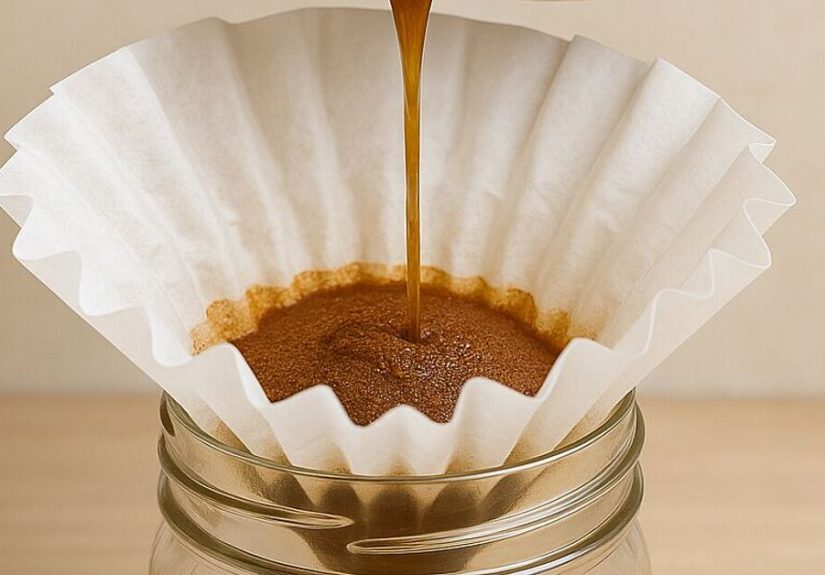
- Strain like you mean it: Run it through a coffee filter or fine cloth to remove grit.
- Optional soap: Add 1–2 drops. Don’t overdo itplants aren’t dishes.
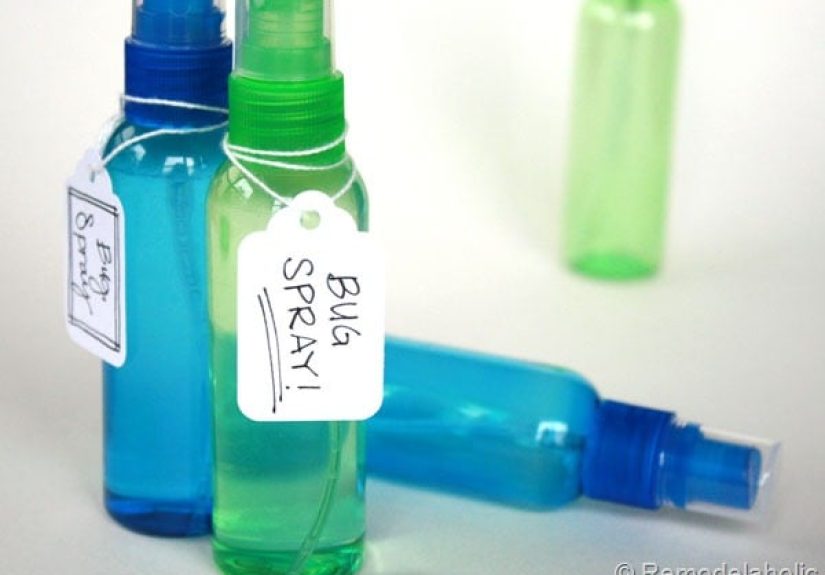
- Bottle it: Pour into a clean spray bottle. Label it (unless you enjoy surprise cinnamon showers).
Storage tip: Use within a week and keep it cool. If it smells “off,” toss it and remake.
This is plant care, not fermentation class.
How to Use Cinnamon Spray on Moldy Leaves
Leaf mold is rarely solved by spraying alone. Your goal is to reduce spores and make the plant environment less inviting to fungus.
Here’s a practical routine that works with how fungal problems actually behave.
Step-by-step leaf treatment
- Isolate the plant (briefly): If you have multiple plants, give the moldy one some personal space so spores don’t throw a party.
- Prune the worst parts: Remove heavily infected leaves/flowers with clean scissors. Bag and trash them (don’t compost indoors).
- Improve airflow: Space plants out, open a window, or run a small fan nearby (gentle airflow, not a leaf hurricane).
- Spray lightly: Mist tops and undersides of leaves until just evenly coatednot dripping.
- Timing matters: Spray in the morning or when the plant will dry quickly. Avoid harsh direct sun right after spraying.
- Repeat: Every 5–7 days for 2–3 rounds if you’re seeing improvement.
Spot-test like a responsible plant parent
Always test on one leaf first, especially on delicate plants (fiddle-leaf figs, some begonias, ferns). If you see spotting or burn in 24 hours, dilute more
or skip spraying leaves and focus on environmental fixes.
How to Use Cinnamon for Moldy Soil (Where It Often Shines More)
Cinnamon is most popular for soil-surface issues and seed-starting situations because the mold is often superficial.
If the top of the soil looks fuzzy, you can usually handle it with a combo of removal, drying, and light cinnamon help.
Option A: The “scrape and reset” method (fastest)
- Scrape off the mold: Remove the top 1/2 inch of soil where the mold is most active.
- Replace with fresh mix: Add clean potting soil, or a top layer of coarse material (like horticultural sand) to discourage persistent dampness.
- Let it dry: Hold watering until the top 1–2 inches are dry (adjust for plant type).
Option B: Light cinnamon “dusting” on the surface
Sprinkle a thin layer of cinnamon over the soil surfacethink “salt bae,” not “snowstorm.”
The goal is a light coating, not a thick crust that can trap moisture.
Option C: Cinnamon spray for soil surface
Use your strained cinnamon spray to mist the soil surface lightly, then focus on drying conditions afterward.
If the soil stays wet, no spray will win that battle.
If soil mold keeps returning, check these root causes
- Drainage: Pot must have drainage holes. Decorative cachepots need an inner pot that drains.
- Soil texture: Old, compacted mix holds water too long. Refresh or repot if it’s staying soggy.
- Light: Low light slows drying. Move closer to a brighter window (without sun-scalding).
- Airflow: Stagnant corners stay damp. Rotate plants or add gentle circulation.
Prevention: The Not-So-Secret Sauce (That Works Better Than Any Spray)
Most reputable plant pathology guidance comes back to the same principles: reduce leaf wetness, reduce humidity around foliage,
increase air circulation, and practice good sanitation. The cinnamon hack works best when it’s the sidekicknot the superhero.
Watering upgrades (easy wins)
- Water early: Morning watering gives leaves time to dry (helpful for issues like gray mold).
- Water the soil, not the leaves: Especially for plants prone to leaf fungi.
- Let the top layer dry: For most houseplants, wait until the top inch or two is dry before watering again.
Airflow + spacing (your plant’s social distancing era)
- Don’t pack plants leaf-to-leaf like a subway at rush hour.
- Prune crowded growth so air can move through the canopy.
- Use a small fan on low a few hours a day if your room is humid and still.
Sanitation (boring, but undefeated)
- Remove dead leaves and fallen debris from the soil surface.
- Clean tools between plants.
- Use clean pots and fresh mix for seedlings or sensitive starts.
When to Skip the DIY Hack and Level Up
Cinnamon spray is a fun, low-cost experiment for mild issues. But if you have fast-spreading leaf disease, repeated outbreaks, or a valuable plant
that’s declining, it’s smart to pivot to proven methods.
Consider stronger action if:
- Mold returns immediately after drying improvements.
- Leaves are dying rapidly or stems are soft/mushy (possible rot).
- You see classic, persistent powdery mildew across multiple leaves.
- Flowers and tender growth keep getting gray, fuzzy patches (Botrytis loves high humidity).
- You have sooty mold plus sticky residuecheck for insects (scale, aphids, mealybugs) and treat the pests.
In those cases, follow label directions for an appropriate fungicide (including some low-toxicity options) and prioritize environmental fixes.
And if the plant is sentimental or expensive: taking a clear photo and consulting a local extension resource can save you weeks of trial-and-error.
FAQs
Will cinnamon spray kill fungus gnats?
It’s not a reliable gnat solution. Fungus gnats thrive in consistently moist soil. Drying the soil appropriately, using sticky traps,
and addressing organic buildup is usually more effective than any cinnamon mist.
Can I use cinnamon essential oil instead of powder?
Essential oils can be much stronger than kitchen cinnamon and can burn leaves if overconcentrated. If you try it, use an extremely dilute mix,
emulsify properly, and spot-test first. For many plant owners, the “tea + strain” method is safer and more forgiving.
Is mold on soil dangerous to people?
Many common soil molds are not especially hazardous in normal household situations, but mold sensitivities vary.
If you have allergies or asthma, wear gloves, avoid inhaling dust, increase ventilation, and consider replacing the top layer of soil.
Why does my soil mold appear in winter?
Lower light and cooler temps slow evaporation, so soil stays wet longer. That combinationwet + slow drying + low airflowis basically
a welcome mat for surface fungi.
Conclusion
Cinnamon spray for moldy leaves and soil is a classic DIY plant care hack for a reason: it’s simple, cheap, and sometimes genuinely helpfulespecially
for mild, surface-level soil mold. Just keep expectations realistic. Cinnamon works best as a supporting player while you fix the real culprits:
too much moisture, not enough airflow, and messy plant hygiene.
If you treat the environment first and use cinnamon as your bonus move, you’ll get the best of both worlds: fewer fuzzy surprises, healthier roots,
and a home that smells faintly like you’re baking something (even though you’re just trying to keep a pothos alive).
Experience Add-On: Real-World “Field Notes” From Cinnamon Spray Fans (and Skeptics)
Below is a compilation of common experiences plant owners report when trying cinnamon spray and cinnamon top-dressing. Think of it as the “street level”
viewwhat tends to happen in real homes with real watering habits (and real forgetfulness).
1) The first win is usually psychological. People often feel immediate relief because cinnamon makes the problem feel “handled.”
And honestly? That matters. When you finally do somethingscrape the soil, open a window, space your plants outyou’re already making the biggest changes.
Cinnamon becomes a ritual that nudges you into better habits. (Your plant enjoys the improved airflow. Your sprayer enjoys the attention… until it doesn’t.)
2) Cinnamon “tea” works better than dumping powder everywhere. A frequent lesson is that ground cinnamon straight on leaves can look messy,
cling to moisture, and sometimes leave speckles that are hard to rinse. The strained tea approach is gentler, less gritty, and less likely to turn the plant into
a spice-rubbed chicken. People who strain well also report fewer clogged nozzles and fewer frustrated bathroom-sink cleanouts.
3) Soil mold often improves fastif watering changes happen. When cinnamon is paired with letting the top layer dry, soil-surface fuzz can fade
within a week or two. But the recurring pattern is clear: if someone keeps watering on schedule instead of by soil dryness, the mold comes right back,
cinnamon or not. The “aha” moment for many plant parents is learning to water based on the plant’s needs and the room’s conditionsnot the calendar.
4) Cinnamon can feel “meh” on established leaf diseases. For powdery mildew or gray mold already spread across leaves,
people often see only modest improvement unless they also prune, isolate, and correct airflow/humidity. That’s not cinnamon being “bad”it’s the reality
that fungal diseases are opportunists. If the environment stays perfect for fungus, the fungus stays… enthusiastic.
5) The best success stories come from the “whole routine,” not the spray. The plant owners who report the strongest results are the ones who:
remove infected tissue, stop misting, water early, avoid splashing leaves, space plants out, and keep the soil surface free of dead debris.
Cinnamon is their finishing touch, not their only tool. In other words: the hack works best when it rides shotgun with actual plant care.
6) Some plants are drama queens about sprays. Certain foliage (especially thin-leaved or fuzzy-leaved plants) can spot or react to sprays,
even mild ones. A common “field note” is to always spot-testand to avoid spraying right before intense sun. People who switch to soil-only cinnamon
(or focus purely on airflow and watering) often get better outcomes on sensitive plants.
7) Cinnamon is a great gateway to better diagnosis. Many folks start with “mold,” then realize it’s actually sooty mold (and the real issue is
sticky honeydew from pests), or it’s just mineral residue, or it’s harmless saprophytic growth on a too-wet potting mix.
The act of treating it pushes them to look closerand that’s where the real plant-care upgrade happens.
8) The long-term takeaway is simple: cinnamon is a nice helper, but plants thrive on boring consistency.
Good drainage, correct light, and not drowning the roots beats any DIY potion. Still, if cinnamon nudges you into doing the right things,
it deserves a tiny standing ovation… and maybe a secure spot in your plant-care cabinet next to the pruning shears.