Table of Contents >> Show >> Hide
- Why This Classic Roll Works
- Ingredients for Classic Dinner Rolls
- Equipment You’ll Need
- Step-by-Step Classic Dinner Roll Recipe
- Pro Tips for Soft, Fluffy Homemade Dinner Rolls
- Optional Upgrade: Tangzhong for Extra Pillowy Rolls
- Make-Ahead, Storage, and Freezing
- Troubleshooting: How to Fix Common Dinner Roll Problems
- Serving Ideas (Because Rolls Deserve a Spotlight)
- FAQs
- Conclusion: The Classic Roll You’ll Make on Repeat
- Kitchen Experiences and Roll Memories (The Extra )
Let’s talk about the unsung hero of the dinner table: the classic dinner roll. Not the “sad, pale grocery-bag pillow”
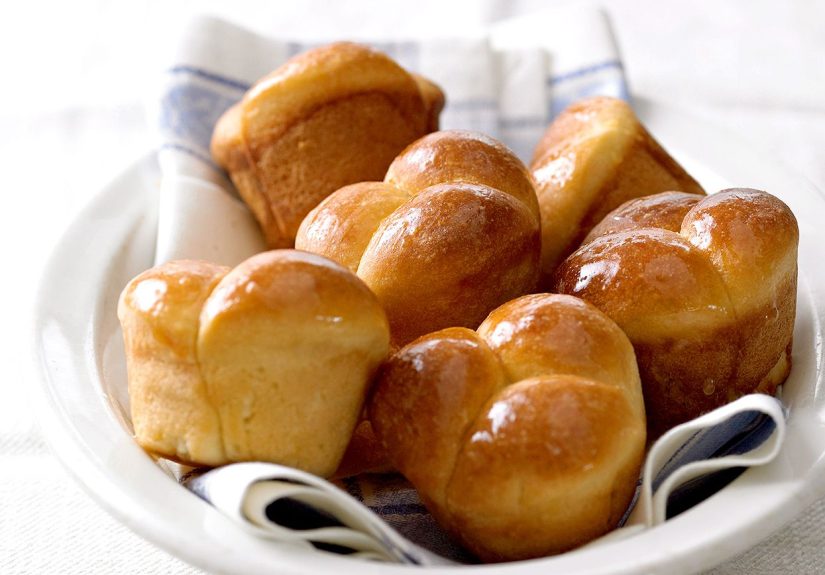
that shows up out of obligation. I mean the real dealsoft, buttery, golden on top, and ready to do important work:
soaking up gravy, swiping sauces, and quietly outshining the main dish.
This is a classic American-style yeast dinner roll recipe: enriched with milk, butter, and an egg for
tenderness, with a straightforward method that doesn’t require a culinary degree or a sourdough starter named Gerald.
You’ll also get smart tips (so your rolls rise like champs), troubleshooting (because yeast can be dramatic), and a
make-ahead plan (because timing a holiday meal is basically an Olympic sport).
Why This Classic Roll Works
A great dinner roll is a balancing act: enough structure to pull apart cleanly, enough richness to taste “special,”
and enough moisture to stay soft even after the first basket is demolished.
- Milk + butter enrich the dough for a tender crumb and a soft bite.
- Sugar adds a hint of sweetness and helps yeast get moving.
- Egg boosts richness and makes the crumb more plush.
- Proper kneading builds gluten so the rolls rise tall and bake airy instead of dense.
- Controlled flour keeps the dough softtoo much flour is the #1 roll wrecking ball.
Ingredients for Classic Dinner Rolls
This recipe makes 15–16 rolls (depending on your pan and your enthusiasm for “just one more”).
For the best results, use a kitchen scalebut I’ve included cups, too.
Roll Dough
- 1 cup (240g) whole milk, warmed to 105–110°F (warm, not hot)
- 2 1/4 teaspoons (7g) yeast (instant yeast preferred; active dry works too)
- 3 tablespoons (38–40g) granulated sugar
- 1 large egg, room temperature
- 4 tablespoons (56g) unsalted butter, melted and cooled slightly
- 3 1/2 cups (420g) all-purpose flour (or bread flour for a slightly chewier roll)
- 1 1/4 teaspoons (7g) fine salt
For the Pan and Finish
- 1–2 tablespoons butter (to grease the pan)
- 1–2 tablespoons melted butter (to brush after baking)
- Optional: flaky salt for a bakery-style finish
Equipment You’ll Need
- Stand mixer with dough hook (helpful) or a large bowl + your hands (also great)
- 9×13-inch baking dish (or two 8–9 inch round pans)
- Instant-read thermometer (optional, but it makes you feel like a bread wizard)
Step-by-Step Classic Dinner Roll Recipe
1) Warm the milk (and don’t murder the yeast)
Warm the milk to 105–110°F. If it feels like a cozy bath, you’re good. If it feels like a hot tub in July,
back away. Yeast is alive; high heat can kill it, and dead yeast makes dough that just… sits there.
If using active dry yeast: Stir the yeast and a pinch of sugar into the warm milk and let it stand
5–10 minutes until foamy.
If using instant yeast: You can mix it directly with the dry ingredients (still keep the milk warm).
2) Mix the dough
In a large bowl (or stand mixer bowl), combine the flour, sugar, and salt. Add the warm milk, yeast (if not already added),
egg, and melted butter. Mix until a shaggy dough forms and there’s no dry flour hiding at the bottom like it pays rent.
3) Knead until smooth and elastic
Knead 8–10 minutes by mixer (medium-low) or 10–12 minutes by hand until the dough becomes smooth,
elastic, and slightly tacky. You want it soft, not stiff. A soft dough makes soft rolls.
Flour tip: If the dough is extremely sticky and unmanageable, add flour 1 tablespoon at a time.
Don’t dump in extra flour “just because.” That’s how you get dense rolls that double as paperweights.
4) First rise (bulk fermentation)
Lightly grease a bowl, place the dough inside, and cover. Let rise in a warm, draft-free spot until doubled or very puffy,
about 60–90 minutes (timing depends on room temperature).
Quick warm spot trick: Turn your oven on for 1 minute, then turn it off. Place the covered bowl inside.
Cozy, controlled, and no weird drafts.
5) Shape the rolls
Grease a 9×13-inch pan with butter. Turn the dough out onto a lightly floured surface and divide into 15–16 equal pieces.
If you want picture-perfect uniform rolls, weigh each piece (around 50–55g each for 16 rolls).
Shape each piece into a tight ball:
- Flatten slightly.
- Pull the edges toward the center.
- Flip seam-side down and roll under your palm to create surface tension.
Arrange the dough balls evenly in the pan. They should have a little breathing room nowdon’t worry, they’ll become best friends later.
6) Second rise (proof)
Cover the pan and let the rolls rise until very puffy and touching (or nearly touching), about 30–60 minutes.
If you gently press a roll with a fingertip, the indentation should slowly spring back but remain slightly visible.
7) Bake until golden and done
Preheat the oven to 350°F. Bake for 18–22 minutes, until the tops are golden brown.
If you use a thermometer, aim for an internal temperature of about 190–200°F.
Remove from the oven and immediately brush the tops with melted butter. This is not optional if you want that classic
soft, shiny finish that makes people hover around the pan like seagulls near fries.
Pro Tips for Soft, Fluffy Homemade Dinner Rolls
Measure flour the smart way
If you’re measuring by cups, spoon flour into the cup and level it offdon’t scoop directly from the bag unless you like surprise density.
Better yet, weigh it. Soft rolls love consistency.
Don’t rush the risewatch the dough
Rising times are guidelines, not commandments. Temperature, yeast freshness, and dough richness all matter. Your goal is
“puffy and expanded,” not “exactly 63 minutes because the recipe said so.”
Salt and yeast: keep them from fighting
Salt strengthens dough and adds flavor, but dumping it directly onto yeast can slow things down. Mix salt into the flour first,
then add liquids.
Use butter strategically
Butter in the dough gives tenderness. Butter on top gives softness and flavor. Butter in your soul gives peace. (Okay, that last one is optional.)
Optional Upgrade: Tangzhong for Extra Pillowy Rolls
If you want rolls that stay softer longer (especially helpful for make-ahead holiday meals), you can use a technique called
tangzhong: you cook a small portion of flour with milk into a paste, then mix it into the dough.
This gelatinizes starches so the dough holds more moisturemeaning softer crumb and slower staling.
How to add tangzhong to this recipe
- Whisk 2 tablespoons (16g) flour with 1/2 cup (120g) milk in a small saucepan.
- Cook over medium-low heat, whisking constantly, until thick and glossy (like mashed potatoes meets pudding).
- Cool to warm (not hot), then add it with the wet ingredients.
- Reduce the milk in the main dough to 1/2 cup (120g) since you used 1/2 cup in the tangzhong.
You’ll notice the dough feels more elastic and easier to shape, and the baked rolls keep that “fresh-baked” softness longer.
Make-Ahead, Storage, and Freezing
Make-ahead option 1: Refrigerate shaped rolls overnight
- Shape the rolls and place them in the greased pan.
- Cover tightly and refrigerate up to 12–16 hours.
- Next day: let sit at room temp until puffy (often 60–90 minutes), then bake.
Make-ahead option 2: Freeze the dough balls
- Shape the rolls, place on a tray, and freeze until firm.
- Transfer to a freezer bag; freeze up to 1 month.
- To use: place in a greased pan, cover, thaw and rise until puffy (this can take several hours), then bake.
Freeze baked rolls
Cool completely, then wrap well and freeze up to 2–3 months. Reheat (wrapped in foil) at 300°F until warm,
then brush with a little melted butter to revive the soft top.
Troubleshooting: How to Fix Common Dinner Roll Problems
“My rolls are dense.”
- Too much flour: the dough should be soft and slightly tacky, not stiff.
- Under-kneaded dough: gluten wasn’t developed enough to trap gas.
- Under-proofed: if they went in the oven too soon, they couldn’t expand properly.
“My dough didn’t rise.”
- Milk was too hot and killed the yeast.
- Yeast was old or stored improperly.
- Kitchen was coldgive it more time or a warmer spot.
“My rolls browned too fast.”
- Your oven may run hot. Tent loosely with foil for the last few minutes.
- Check rack positionmiddle rack is the sweet spot.
Serving Ideas (Because Rolls Deserve a Spotlight)
- Classic: warm rolls + salted butter + a little honey
- Holiday MVP: gravy, cranberry sauce, or pan drippings (yes, all at once)
- Leftover magic: mini turkey sliders, ham-and-cheddar melts, breakfast egg sandwiches
- Soup night: chili, chicken noodle, tomato basilrolls make it a full event
FAQs
Can I use active dry yeast instead of instant yeast?
Yes. Use the same amount. Just bloom it in the warm milk with a pinch of sugar until foamy before mixing.
Can I use bread flour?
Absolutely. Bread flour can make rolls slightly chewier and taller. All-purpose flour gives a classic soft bite.
Either workschoose your roll personality.
How do I know the rolls are done?
Look for golden tops, and if you have a thermometer, aim for 190–200°F in the center. Also, they should sound lightly hollow
when tapped (the bread’s way of saying, “I’m ready, please butter me.”).
Conclusion: The Classic Roll You’ll Make on Repeat
Once you nail a reliable classic dinner roll recipe, you’re basically unstoppable. Weeknight soups become cozier,
holidays feel more “home,” and suddenly you’re the person everyone asks to “bring the rolls.”
The secret isn’t fancy ingredientsit’s soft dough, patient proofing, and resisting the urge to bury it in extra flour.
If you want extra credit, try the tangzhong option for next-level pillowy texture and longer-lasting softness. Either way,
you’ll end up with warm, buttery homemade dinner rolls that make the whole kitchen smell like comfort.
Kitchen Experiences and Roll Memories (The Extra )
There’s a specific kind of kitchen moment that happens when dinner rolls are in the oven: the room gets quieter, but also
more expectant. People might still be talking, but their noses are basically conducting the conversation now. You’ll notice
family members “checking something” in the kitchentranslation: they’re orbiting the oven like it’s a holiday parade.
In many homes, rolls aren’t just a sidethey’re a signal. On an ordinary weeknight, a basket of warm homemade rolls says,
“Today was a lot, but we’re eating well anyway.” On a big holiday, dinner rolls become the edible glue that holds the meal
together. You may have a beautiful turkey, a heroic casserole lineup, and a pie that deserves a ribbonbut the rolls are what
keep everyone happily busy while the rest of dinner gets sorted. They’re the polite distraction that prevents snack-thieving
and gravy panic.
And then there’s the classic roll ritual: the first tear. Some people slice with a knife. Others pull them apart with their hands.
The most committed roll fans do the “steam test,” tearing one open immediately to watch the fluffy interior release a little puff
of heat like a bread-scented sigh. That first bitebefore buttertells you a lot. A good roll is tender but not gummy, soft but not
cake-like, and it has a gentle sweetness that feels nostalgic even if you didn’t grow up with homemade bread.
The butter moment is its own experience. Butter on a hot roll doesn’t just melt; it disappears into the crumb like it found its true
purpose. If you’re serving a crowd, you’ll spot different butter personalities: the “thin swipe” people, the “responsible smear” people,
and the “this roll is now a butter delivery system” people. No judgmentthis is a safe space.
Dinner rolls also have a funny way of turning leftovers into something special. The next day, they become slider buns for turkey and cranberry,
little breakfast sandwiches with eggs and cheese, or toasted companions to a bowl of soup that tastes even better on day two. And if you’ve ever
reheated a roll, brushed it with butter, and watched it come back to life, you know the small satisfaction of making something simple feel brand new.
Maybe that’s the real “classic” part: dinner rolls show up for the big moments, but they also elevate the small ones. They make an everyday meal feel
like a gathering. They make the kitchen smell like comfort. And they have a talent for disappearing quicklyso if you want leftovers, hide two rolls
immediately. Preferably behind the frozen peas. Nobody looks behind the frozen peas.