Table of Contents >> Show >> Hide
- What “Classic Prismatic Bulkheads” Actually Means
- The Prismatic Lens: Tiny Geometry, Big Mood
- The Anatomy of a Classic Prismatic Bulkhead
- Where Classic Prismatic Bulkheads Work Best
- Ratings 101: UL Damp vs UL Wet, IP, and Impact Resistance
- Materials and Finishes: Choosing What Ages Gracefully
- Bulbs and LEDs: Getting the Glow Right
- Installation Basics Without Turning This Into a DIY Danger Zone
- Care and Maintenance: Keep the “Classic,” Lose the Grime
- How to Spot a Truly Good “Classic” Bulkhead (and Avoid the Sad Imitations)
- Design Pairings: Making Bulkheads Look Intentional, Not Accidental
- FAQ: Quick Answers for Bulkhead-Curious Humans
- Field Notes: Experiences People Commonly Have With Classic Prismatic Bulkheads
- Conclusion
There are two kinds of lights in this world: the ones that politely illuminate a space, and the ones that look like they’ve
survived a salty storm, a factory shift change, and a mildly dramatic renovation show revealand still show up on time.
Classic prismatic bulkheads belong in the second category.
If you’ve ever admired that tough-yet-charming “industrial nautical” vibethink ship corridor meets vintage warehousechances are
you’ve met a bulkhead light. Add prismatic glass (the ridged, light-bending lens), and suddenly you’ve got a fixture that’s both
practical and surprisingly stylish. It’s the lighting equivalent of wearing a work jacket with great tailoring: rugged, but with taste.
What “Classic Prismatic Bulkheads” Actually Means
A bulkhead light is a wall- or ceiling-mounted fixture originally associated with marine and industrial use, where durability,
moisture resistance, and “please don’t break when someone bumps you with a toolbox” are non-negotiable. Over time, bulkhead lights moved
from ships and factories into homes, restaurants, and boutique hotelsbecause nothing says “design confidence” like a fixture that looks
ready for a hurricane.
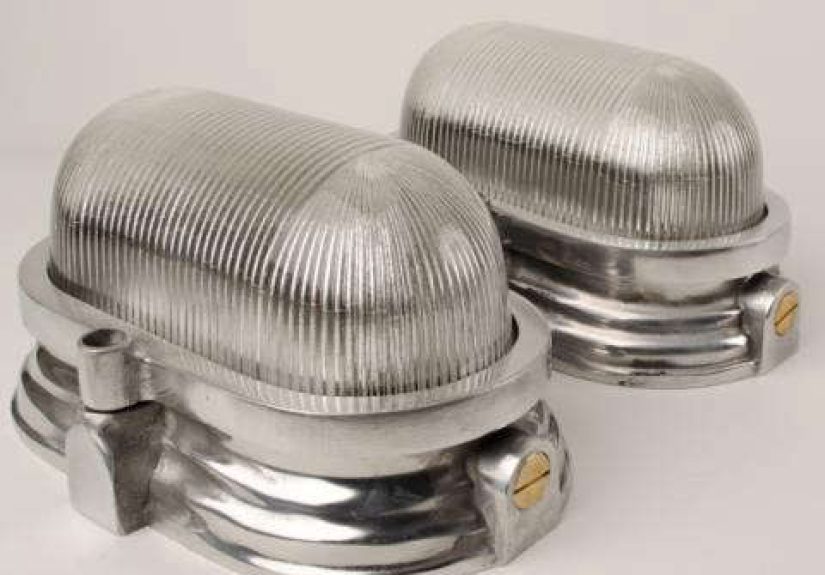
The classic part usually refers to the traditional shapes and construction: oval or round housings, visible fasteners, protective cages or guards,
and metal bodies finished in brass, aluminum, steel, or cast iron. The prismatic part is the lensglass (or sometimes polycarbonate) patterned with tiny
prisms or ribs that redirect light to spread it more evenly and reduce harsh glare.
The Prismatic Lens: Tiny Geometry, Big Mood
Prismatic glass isn’t just “textured because it looks cool” (although it does). The ridges act like miniature optical elements, bending and scattering light.
The result is a more comfortable glowless “spotlight in your face,” more “I can see where I’m going and I don’t feel interrogated.”
Why prismatic glass became a classic in the first place
- Glare control: It softens the brightness of the lamp while still delivering useful illumination.
- Better distribution: Instead of dumping light in one direction, it spreads it across a wider area.
- Visual camouflage: It can help obscure the bulb or LED source, making the light feel less harsh.
- Durability: Thick glass lenses (especially the traditional ones) tend to age better than many plastics in heat and sun.
Historically, prismatic glass optics became famous in industrial and public lighting because they helped control and direct light efficientlyespecially back when
you couldn’t just throw more lumens at a problem and call it “innovation.” That optical heritage is why prismatic lenses still feel timeless: they’re functional design,
not decoration pretending to be useful.
The Anatomy of a Classic Prismatic Bulkhead
The beauty of a bulkhead is that it’s basically a well-engineered sandwich:
- Housing: Metal body (often brass, aluminum, or steel) built to take weather and wear.
- Lens: Prismatic glass (or impact-resistant polycarbonate in some modern versions).
- Gasket/seal: The unsung hero that keeps moisture out and prevents the fixture from turning into a tiny indoor pond.
- Fasteners: Typically visible screws or clampspart of the “industrial honesty” aesthetic.
- Guard/cage (optional): A protective grid that says, “I’ve been bumped before, and I learned.”
- Light source: Traditional socket (accepts a bulb) or integrated LED module.
Classic shapes you’ll see again and again
- Oval bulkheads: The quintessential ship-and-factory look; great for corridors and exterior walls.
- Round/porthole styles: Nautical and compact; perfect for patios, stairwells, and bathrooms.
- “Eyebrow” bulkheads: A hooded top that shades the lens for a more directional glow outdoors.
- Caged utility bulkheads: More industrial, more protective, more “this light means business.”
Where Classic Prismatic Bulkheads Work Best
Bulkhead lights aren’t picky. They’re happy indoors, outdoors, in humid spaces, in hallways, and on porchesanywhere you want sturdy light with a little character.
The trick is choosing the right rating and material for the environment (more on that in a second).
Smart indoor uses
- Mudrooms and laundry rooms: High-traffic, occasionally damp, and not exactly a “handle with care” zone.
- Stairways: Excellent for safe, even illumination; prismatic lenses help reduce glare at eye level.
- Basements and utility spaces: The style fits naturallyand the durability is the point.
- Kitchens (select spots): Great for pantries, secondary entries, or above a side door where you want a practical fixture that still looks intentional.
Bathroom placement (a.k.a. where ratings matter)
In bathrooms, you’re balancing style with safety. Prismatic bulkheads can look fantastic in a “vintage rail station” way, but you’ll want a fixture rated appropriately
for moisture exposure. Think of it like wearing the right shoes: you can wear suede in the rain, but you’ll regret it faster than you can say “water spots.”
Outdoor uses that make total sense
- Porches and entryways: A bulkhead can act as a friendly beacon without looking overly decorative.
- Garages and side yards: Tough fixtures in tough zonesthis is their natural habitat.
- Patios and decks: Especially in coastal areas, choose corrosion-resistant materials and proper wet-location ratings.
- Commercial exteriors: Restaurants and storefronts love them because they look cool and don’t collapse emotionally in bad weather.
Ratings 101: UL Damp vs UL Wet, IP, and Impact Resistance
Here’s where “classic” should never mean “guess and hope.” A bulkhead’s job is often to handle moisture, dust, and bumpsso ratings matter.
Two rating systems you’ll hear a lot are UL location ratings and IP ratings.
UL location ratings (common in the U.S.)
- Dry location: No significant moisture expected.
- Damp location: Moisture and condensation may happen (think covered porch, bathroom with ventilation).
- Wet location: Direct water exposure is possible (rain, spray, wash-down zones).
If you’re installing outdoors where rain can hit the fixtureor in an area that might get sprayedwet-location is the safer call.
If it’s protected but humid, damp-location may be appropriate.
IP ratings (Ingress Protection)
IP ratings describe how well something resists solids (dust) and liquids (water). Many bulkheads advertise IP65-ish performance (dust tight + water jets),
but don’t treat IP as a magical replacement for UL ratings in U.S. installs. A smart approach is to select a fixture that fits your environment
and is listed/marked appropriately for where it’s going.
Impact resistance (because life happens)
Some bulkheads also mention impact ratings (like IK ratings) to indicate how well the lens and housing handle knocks.
If your fixture will live in a high-traffic zonestairwells, garages, exterior walkwaysimpact resistance is a quality-of-life upgrade.
A quick practical decision guide
- Covered porch, humid area, bathroom (outside direct spray): UL Damp + solid seals.
- Fully exposed exterior wall: UL Wet + robust gasket + corrosion-resistant body.
- Coastal or salty air: Favor solid brass or marine-grade metals; avoid finishes that flake or thin steel that corrodes quickly.
- High-traffic commercial or utility zone: Add impact-resistant lens/guard and tougher housings.
Materials and Finishes: Choosing What Ages Gracefully
Bulkheads are often chosen because they “look like they’ll last.” But materials really do perform differentlyespecially outdoors or near salt air.
Solid brass
Solid brass is a favorite for coastal installations because it resists rust and can develop a natural patina. Unlacquered brass will change over time (in a good way
if you like character). If you want it to stay shiny, you’ll be doing a little upkeepbrass isn’t high-maintenance, but it does like attention.
Cast aluminum
Aluminum is lighter than brass and commonly used in outdoor fixtures. With a good finish and construction, it performs well, but pay attention to build quality,
gasket design, and hardware. The difference between “great aluminum bulkhead” and “sad aluminum bulkhead” is often the sealing and fasteners.
Steel or cast iron
Steel and cast iron can look amazing for industrial interiors, but outdoors they demand proper coatings and maintenance. If you love the heavy look, choose a fixture built
for exterior conditions and expect some care over time.
Lens material: glass vs polycarbonate
- Prismatic glass: Classic appearance, excellent diffusion, often ages beautifully, and handles heat well.
- Polycarbonate: Impact-resistant and lightweight; good for vandal-prone or rough environments, but quality varies and long-term UV exposure can matter.
Bulbs and LEDs: Getting the Glow Right
Classic bulkheads often come in two setups: a standard socket (so you choose the bulb) or an integrated LED module.
Either can work wellyour decision depends on flexibility and maintenance preferences.
If your fixture uses a bulb
- Lumens: For entryways and corridors, you often want a solid, practical outputbright enough for safety, not so bright it feels like a stadium.
- Color temperature: Warm (around 2700K–3000K) feels inviting; neutral (3500K–4000K) reads more utilitarian and crisp.
- CRI: Higher CRI helps colors look more naturalnice for interiors where you don’t want everything to look slightly “off.”
- LED bulbs: Efficient, cooler operation, and longer lifeusually the modern default.
If your fixture is integrated LED
Integrated LED bulkheads can be excellent for low maintenance, especially outdoors. Look for good thermal management (heat is the enemy of electronics),
reputable drivers, and sensible warranties. With integrated LEDs, you’re buying a system, not just a socketso quality matters.
Installation Basics Without Turning This Into a DIY Danger Zone
Bulkheads are straightforward fixtures, but electricity isn’t the place for “vibes-based engineering.” For anything involving household wiringespecially outdoors or wet locations
it’s smart to use a qualified electrician and follow local code requirements.
From a design perspective, the most common bulkhead mistakes aren’t electricalthey’re aesthetic:
- Mounting too high: The fixture becomes decorative but not useful.
- Mounting too low outdoors: You invite glare and accidental bumps.
- Choosing the wrong output: Too dim feels dingy; too bright feels like a security floodlight with a fancy outfit.
- Ignoring moisture exposure: A damp-rated fixture in a wet zone is how you end up learning the definition of “premature failure.”
Care and Maintenance: Keep the “Classic,” Lose the Grime
Prismatic lenses can hide dust better than clear glass (one more reason they’re popular), but they still benefit from occasional cleaningespecially outdoors.
Most of the maintenance routine is simple:
- Wipe the lens periodically: A clean prismatic pattern performs better and looks sharper.
- Check the gasket: If seals crack or compress permanently, moisture can find a way in.
- Watch hardware for corrosion: Coastal air is relentless; stainless fasteners and quality coatings help.
- Don’t trap water: A well-designed fixture sheds moisture instead of collecting it like a souvenir.
How to Spot a Truly Good “Classic” Bulkhead (and Avoid the Sad Imitations)
Some fixtures are “industrial inspired.” Others are “industrial experienced.” If you want the kind that ages well, focus on the unglamorous details:
Quality signals worth paying for
- Weight and thickness: Thin housings dent, warp, and leak more easily.
- Real gaskets: Not just a decorative rubber ringactual sealing design.
- Better lens material: Thick prismatic glass or high-grade UV-stable polycarbonate.
- Reputable listing/marking: Especially for damp/wet locations.
- Serviceability: Replaceable gasket, accessible lens, and standard bulb sockets if you prefer future flexibility.
Design Pairings: Making Bulkheads Look Intentional, Not Accidental
The magic of classic prismatic bulkheads is that they bridge styles. They can lean coastal, industrial, modern farmhouse, or minimalistdepending on what you pair them with.
Easy wins
- Coastal: Brass bulkheads + white paint + natural textures (rope, wood, linen) = calm, nautical charm.
- Industrial: Black or galvanized bulkheads + concrete + exposed brick + warm wood = warehouse cool without trying too hard.
- Modern: Simple round bulkheads + clean lines + matte finishes = utilitarian elegance.
- Vintage: Pair prismatic bulkheads with aged hardware and classic tile for a subtle “old station platform” mood.
FAQ: Quick Answers for Bulkhead-Curious Humans
Are bulkhead lights only for outdoors?
Not at all. Indoors they’re great for utility spaces, hallways, stairs, and anywhere you want durable, glare-softened light with character.
Does prismatic glass make a space darker?
Typically it softens and redistributes light rather than dramatically reducing it. The effect is often “less harsh, more even.” Output depends mostly on the lamp/LED and fixture design.
Are cage guards just decorative?
Sometimes they’re mostly aesthetic, but in high-traffic zones they can protect the lens from impact. If your light is near a doorway, walkway, or garage, a guard can be genuinely useful.
Field Notes: Experiences People Commonly Have With Classic Prismatic Bulkheads
If you ask homeowners, designers, and contractors what it’s like to live with classic prismatic bulkheads, the stories tend to rhymeeven when the houses don’t.
There’s the “I bought them for the vibe” crowd, the “I bought them because my old fixture died in the rain” crowd, and the “why did nobody tell me this looks amazing in a stairwell”
crowd. All are valid. All will eventually develop opinions about gaskets.
One common experience is the pleasant surprise of the light quality. People expect bulkheads to feel utilitarianlike a porch light that clocks in, does its shift,
and never smiles. Then the prismatic lens does its thing: the glow becomes smoother, shadows soften, and the space feels more finished. In a hallway, that can mean fewer harsh hot spots.
In a mudroom, it can mean you can actually find your shoes without turning on something that feels like airport runway lighting. In a bathroom, it can mean you get a flattering diffusion
not “influencer ring light,” but also not “tiny horror movie spotlight.”
Another frequent experience: bulkheads look better when you commit. One bulkhead can look like a quirky choice; two or three in a rhythm (along a corridor,
down a side yard, or flanking a door) looks like a plan. Designers often talk about them like visual punctuation marksstrong shapes that guide your eye and make utilitarian spaces
feel designed. And because the fixtures are compact, you can add character without adding clutter. It’s a rare win-win: personality plus practicality, with minimal dust-catching ornament.
In coastal or humid areas, people learn quickly that materials aren’t just aesthetic. Solid brass becomes a quiet hero: it resists rust and develops a patina that many
folks end up loving. Aluminum can perform well tooespecially with a quality finishbut cheaper housings and hardware can start looking tired fast. The most repeated “wish I knew this earlier”
lesson is that the little parts matter: screws, seals, and lens fit. A bulkhead is basically a weatherproof container for electricity. If that container is flimsy, the ocean (or even a humid summer)
will eventually win.
Then there’s the “maintenance reality check,” which is actually not bad news. Owners often find that these fixtures don’t demand muchbut they do reward small habits.
A quick lens wipe restores clarity and keeps the prismatic pattern crisp. Checking a gasket during a bulb change can prevent moisture creep. And if you chose unlacquered brass, you get to decide
whether you’re Team Polished or Team Patina. (Both are excellent. Team Patina just has fewer polishing cloths.)
Finally, a fun and oddly universal experience: once you install classic prismatic bulkheads, you start noticing them everywhereold transit stations, factory conversions, seaside restaurants,
boutique hotels that want “authentic industrial,” and that one neighbor’s porch that suddenly looks better than yours. It’s like buying a certain model of car and then seeing it on every highway.
The difference is, a bulkhead light doesn’t cut you off in traffic. It just quietly looks great and keeps doing its joblike the most dependable character in the story who never needs a plot twist.
Conclusion
Classic prismatic bulkheads earned their reputation the honest way: they work. They handle moisture better than many decorative fixtures, they spread light more comfortably than bare bulbs,
and they bring a tough, timeless look that fits everything from coastal cottages to modern industrial interiors. Choose the right rating for the location, pick materials that match your environment,
and you’ll get a fixture that feels like it belongsbecause it was designed to belong in the real world.