Table of Contents >> Show >> Hide
- Quick Profile (So You Know What You’re Dealing With)
- Corn Plant Care Basics
- Light: Bright Indirect = “Plant Spa Lighting”
- Water: Moist, Not Soggy (A Fine Line, Like Good Comedy)
- Water Quality: The Sneaky Villain (Fluoride + Salt Buildup)
- Temperature & Drafts: Keep It Cozy
- Humidity: Average Is Fine, But Dry Air Shows on the Tips
- Soil & Pot: Drainage Isn’t Optional
- Fertilizer: Light Feeder, Light Touch
- Pruning, Shaping, and Cleaning (Because Dust Is Not a Leaf Accessory)
- Propagation: Making More Corn Plants Without a Shopping Cart
- Common Problems and How to Fix Them
- Pests: The Uninvited Guests
- Pet Safety (Read This If You Have Cats or Dogs)
- Will My Corn Plant Clean the Air?
- Seasonal Care Calendar (A Low-Stress Routine)
- of Real-World “Corn Plant Experiences” (The Stuff Guides Don’t Always Say Out Loud)
- Conclusion
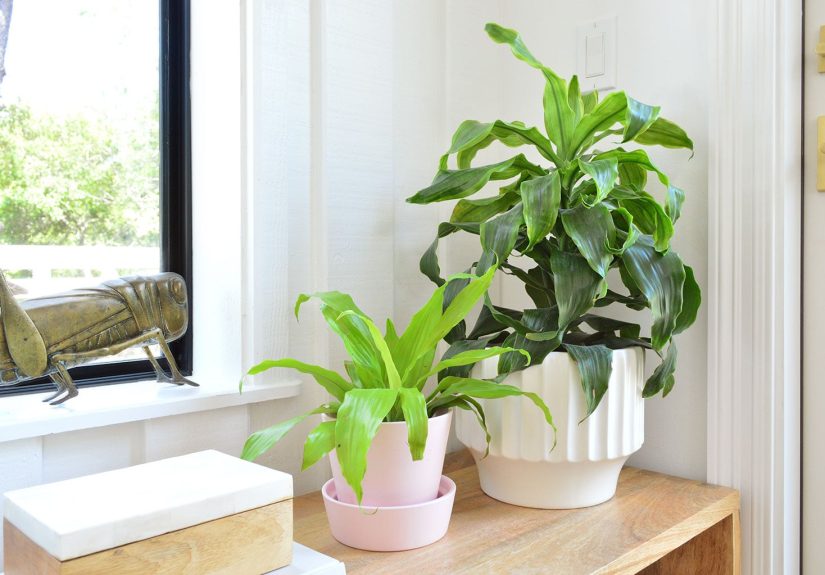
The “corn plant” (Dracaena fragrans) is the houseplant equivalent of that friend who shows up late, eats your snacks, and still somehow gets invited backbecause it’s charming, low-drama, and hard to truly offend. It earned its nickname because its cane-like trunk and strap leaves look a bit like a corn stalk. Important note: it will not grow actual corn. No tortillas will be involved.
If you want a tall, architectural indoor plant that tolerates office lighting, forgives missed waterings, and occasionally perfumes the room with surprisingly fragrant blooms (rare indoors, but it happens), the corn plant is a strong contender. This guide walks through care basics, common problems, and real-world routines that keep Dracaena fragrans looking like you definitely have your life together.
Quick Profile (So You Know What You’re Dealing With)
- Botanical name: Dracaena fragrans (often sold as ‘Massangeana’ / “Mass Cane”)
- Common names: Corn plant, cornstalk plant, fragrant dracaena
- Growth style: Cane (trunk) with rosettes of arching leaves; slow-growing indoors
- Typical indoor size: Often 4–6 feet indoors (can be taller with time and good light)
- Pet note: Toxic to cats and dogs if chewed (see the safety section)
Corn Plant Care Basics
Light: Bright Indirect = “Plant Spa Lighting”
Corn plants do best in bright, indirect lightthink “near a window but not sunbathing in it.” They tolerate moderate and even lower light (hello, office corners), but growth slows and leaf variegation can fade. Direct sun can scorch leaves, leaving crispy brown patches that do not magically reverse.
- Best spot: A few feet back from an east or north window, or filtered light through a sheer curtain.
- Okay spot: Medium light rooms; bright overhead lighting can be fine.
- Avoid: Hot, direct afternoon sun and harsh window glare.
Water: Moist, Not Soggy (A Fine Line, Like Good Comedy)
The #1 way people lose a corn plant is by loving it too muchwith water. Aim for evenly moist soil during active growth, but let the top inch or two dry before watering again. In winter or low-light rooms, the plant drinks less, so you should water less.
- Finger test: If the top 1–2 inches feel dry, water thoroughly until excess drains out.
- Don’t do this: Let the pot sit in a saucer of water. That’s a root rot audition.
- Seasonal reality: Spring/summer = more frequent; fall/winter = slower, lighter schedule.
Water Quality: The Sneaky Villain (Fluoride + Salt Buildup)
Dracaenas are famously sensitive to fluoride and mineral/salt buildup. If you’re seeing persistent brown tips (despite decent watering), your tap water may be the culprit, especially if it’s fluoridated or softened. Over-fertilizing can also leave salts behind in the pot.
- Best bet: Distilled, filtered, or collected rainwater (where practical and safe).
- Avoid: Water from a softener system (it can add salts that accumulate in soil).
- Monthly “reset”: Flush the pot with plenty of water and let it drain to wash out salts (especially if you see white crust on the soil surface).
Temperature & Drafts: Keep It Cozy
Corn plants like normal indoor temperatures and dislike sudden chills. Keep them away from cold windows in winter, blasting AC vents, and heating vents that turn leaves into crunchy bookmarks.
- Sweet spot: Roughly 60–75°F is comfortable for most homes.
- Red flag: Prolonged dips around 50°F and below can trigger damage and leaf drop.
Humidity: Average Is Fine, But Dry Air Shows on the Tips
Average household humidity works, but very dry air can contribute to brown tips and edges. If your heat runs nonstop in winter, your plant may quietly file a complaint through its leaf margins.
- Simple boost: A small humidifier nearby or a pebble tray (pot above waterline).
- Bonus: Grouping plants together can create a slightly more humid microclimate.
Soil & Pot: Drainage Isn’t Optional
Use a quality, well-draining indoor potting mix in a pot with drainage holes. The goal is soil that holds some moisture but doesn’t stay swampy. If you’re buying bagged mix, consider adding a bit of chunky bark for airflow.
- Pot rule: Drainage holes always. Decorative cachepots are fine only if the inner pot drains.
- Repot cue: Roots circling tightly, poking out drainage holes, or the plant lifting itself upward.
Fertilizer: Light Feeder, Light Touch
Corn plants don’t need heavy feeding. Too much fertilizer can cause salt buildup and leaf tip burn. During spring and summer, a diluted, balanced houseplant fertilizer once a month is usually plenty. In fall and winter, many people skip feeding altogether.
- Do: Use half-strength liquid fertilizer during active growth.
- Don’t: Fertilize a stressed plant (yellowing, root issues) until it stabilizes.
Pruning, Shaping, and Cleaning (Because Dust Is Not a Leaf Accessory)
Pruning Leaves
Lower leaves naturally yellow and drop over timethis is normal aging, not a personal attack. Remove fully yellow leaves by cutting near the cane with clean scissors or pruners. For brown tips, trim just the brown portion, following the natural leaf shape for a cleaner look.
Cutting the Cane (Yes, You Can “Chop” It)
If your corn plant is getting too tall or leggy, you can cut the cane to your preferred height. It often sprouts new growth below the cut, creating a fuller look over time. The removed section can become a cutting for propagationso your “dramatic haircut” can become plant twins.
Leaf Cleaning
Dust reduces the plant’s ability to photosynthesize and makes it look dull. Wipe leaves with a soft, damp cloth every few weeks. Skip oily leaf-shine productsyour plant doesn’t need a greasy influencer phase.
Propagation: Making More Corn Plants Without a Shopping Cart
Propagation is commonly done with stem (cane) cuttings or tip cuttings. The best time is generally spring through summer when the plant is actively growing.
Option A: Cane Cuttings in Soil
- Cut a healthy cane section (several inches long) with clean pruners.
- Let the cut end dry for a short period to reduce rot risk.
- Insert into lightly moist, well-draining mix (upright is typical).
- Keep warm, bright-indirect, and lightly moistnot wet.
Option B: Tip Cuttings in Water
- Cut a leafy top section below a node.
- Place in clean water, changing water regularly.
- When roots develop, pot into soil and water gently as it adapts.
Common Problems and How to Fix Them
Brown Tips (The Classic Corn Plant Complaint)
Brown tips usually point to one (or a combo) of these: dry air, inconsistent watering, fluoride/minerals in water, or fertilizer salt buildup. The fix depends on which culprit is most likely in your home.
- If your air is dry: Add humidity (humidifier, pebble tray, grouping plants).
- If watering is irregular: Water when top 1–2 inches dry; soak thoroughly; drain completely.
- If you use tap water: Switch to distilled/filtered; flush the soil monthly.
- If you fertilize often: Reduce frequency and flush salts; don’t fertilize in winter.
Yellow Leaves
Yellowing often means overwatering, poor drainage, or roots staying wet too long. A few older lower leaves yellowing slowly can be normal, but widespread yellowing is a warning.
- Fix: Check drainage, reduce watering, and confirm the soil dries slightly between waterings.
- Pro move: If the cane feels soft or smells foul, investigate for root rot and trim away damaged roots.
Brown Patches or “Sunburn”
If the plant is in direct sun, leaves can develop dry brown patches. Move it to bright-indirect light and trim badly damaged areas. The goal is preventionsunburn doesn’t heal.
Drooping or Limp Leaves
Drooping can happen from underwatering, cold drafts, or root stress. Check soil moisture first. If it’s bone dry, water deeply and let it drain. If soil is wet and leaves droop, the roots may be strugglingback off watering and assess drainage.
Leaf Spot / Disease Concerns
Many leaf issues are environmental, not infectious. Still, leaf spot diseases can occur. Avoid overhead watering, improve airflow, remove heavily affected leaves, and keep the plant from sitting wet.
Pests: The Uninvited Guests
Corn plants can attract common houseplant pests like mealybugs, spider mites, thrips, and scale. Early action matterstiny pests become big drama if you ignore them.
- First response: Isolate the plant and wipe leaves (especially undersides).
- Mealybugs/scale: Dab with diluted rubbing alcohol using a cotton swab, then rinse/wipe.
- Spider mites: Increase humidity and rinse foliage; consider insecticidal soap if needed.
- Thrips: Use sticky traps and treat with appropriate houseplant-safe products.
Pet Safety (Read This If You Have Cats or Dogs)
Corn plant is toxic to dogs and cats if chewed or ingested. Symptoms can include vomiting, drooling, appetite changes, and in cats, dilated pupils. If you suspect a pet has eaten part of the plant, contact your veterinarian promptly.
Practical solutions: put the plant on a tall stand, use a room divider, or choose pet-safer plants if your pet is a known “leaf enthusiast.”
Will My Corn Plant Clean the Air?
You’ll often hear Dracaena fragrans mentioned in “air-purifying plant” lists. Here’s the honest version: plants can remove certain compounds in controlled, sealed-chamber studies, but real homes have air exchange, and the scientific consensus is that houseplants shouldn’t replace ventilation or filtration. Enjoy your corn plant for beauty, stress relief, and the fact that it doesn’t argue with younot as your HVAC system.
Seasonal Care Calendar (A Low-Stress Routine)
Spring
- Increase watering slightly as growth picks up (still let the top layer dry first).
- Begin monthly, half-strength fertilizing.
- Repot if rootbound; propagate if you’re feeling ambitious.
Summer
- Maintain steady moisture; avoid hot direct sun.
- Wipe leaves regularlydust loves summer too.
- Monitor for pests (they also love summer).
Fall
- Reduce watering frequency as light levels drop.
- Slow or stop fertilizing depending on growth.
- Keep away from drafts as temperatures change.
Winter
- Water lessespecially in low light.
- Boost humidity if indoor air is very dry.
- Keep away from cold windows and heating vents.
of Real-World “Corn Plant Experiences” (The Stuff Guides Don’t Always Say Out Loud)
Most corn plant stories begin the same way: someone adopts a tall, confident-looking Dracaena from a store or office lobby, places it in a corner, and immediately feels like an adult. Then life happens. The plant gets watered “whenever we remember,” which is either twice a week out of guilt or once a month out of optimism. This is where corn plants quietly shinethey can handle a little chaos, but they do best when your care is boringly consistent.
One common experience is the “mystery brown tip” phase. You’re watering. You’re not watering. The plant is still producing crispy tips like it’s auditioning for a crunchy snack brand. In many homes, the real culprit isn’t your scheduleit’s the water itself. People often notice improvement after switching to filtered or distilled water and flushing the soil occasionally. It’s a very modern plot twist: the plant isn’t mad, it’s just picky about municipal chemistry.
Another classic is the “office corn plant confidence test.” Under fluorescent lights, corn plants usually survive, but they may grow slowly and lean toward the light source. Owners often rotate the pot every week or two so the plant doesn’t develop a dramatic sideways hairstyle. The vibe is less “perfect symmetry” and more “I woke up like this,” but rotation helps keep it balanced.
Then there’s the moment you realize your plant is talltoo tall. The top looks great, the bottom looks like it’s wearing a leaf skirt that’s slowly retiring. A lot of people hesitate to prune because cutting a cane feels intense. But once someone finally makes the chop (clean tools, confident energy), they’re usually shocked by how well Dracaena responds. New shoots often appear below the cut, and the removed top becomes a cutting. It’s one of the few plant moves where the “before” looks like a stick and the “after” looks like you hired a professional.
Pet owners often have their own corn plant subplot: the plant is gorgeous, the cat is curious, and the dog is basically a walking compost experiment. Many people end up relocating the plant to a higher stand or a pet-free roomnot because the plant is fragile, but because pets are enthusiastic. The emotional arc is usually: denial (“they won’t touch it”), discovery (“why is there a bite mark?”), and finally interior design innovation (“this plant lives on a pedestal now”).
Finally, there’s the rare but unforgettable experience of a corn plant blooming indoors. It tends to happen when the plant is mature and conditions have been stable for a long time. People often notice the fragrance at night before they even see the flowerssweet, strong, and surprisingly dramatic for a plant that usually acts like it’s low-key. Even if your plant never blooms, that possibility is part of its charm: the corn plant is easygoing, but it still has a few tricks.
Conclusion
Corn plant care is mostly about avoiding extremes: no harsh sun, no swampy soil, no fertilizer overload, and no “mystery water” that leaves salts and fluoride behind. Give it bright indirect light, let the top layer of soil dry before watering, keep it away from temperature blasts, and it will reward you with tall, glossy foliage that makes your space look instantly more put-together. In other words: it’s a great plant for real life.