Table of Contents >> Show >> Hide
- What is cradle cap?
- What does cradle cap look like?
- Cradle cap causes: why does it happen?
- Is cradle cap the same as eczema?
- When should you call a pediatrician?
- Cradle cap treatment: what actually works
- If home care isn’t enough: medical treatments
- Cradle cap prevention: can you stop it before it starts?
- Common myths (let’s retire these)
- A simple 7-day “get it under control” plan
- Cradle cap on the face or diaper area
- Takeaway: it looks scary, but it’s usually simple
- Real-world experiences: what parents often notice (and what tends to help)
- SEO tags (JSON)
Cradle cap is one of those newborn “surprises” nobody warned you aboutright up there with the tiny fingernails that can cut glass and the mysterious ability to generate laundry at an industrial scale. The good news: cradle cap looks dramatic, but it’s usually harmless, temporary, and more annoying to parents than to babies.
This guide covers what cradle cap is, why it happens, how to treat it safely, and how to reduce the chances of it coming back. We’ll keep it practical, pediatrician-friendly, and just funny enough to get you through that 3 a.m. feeding without doom-scrolling.
What is cradle cap?
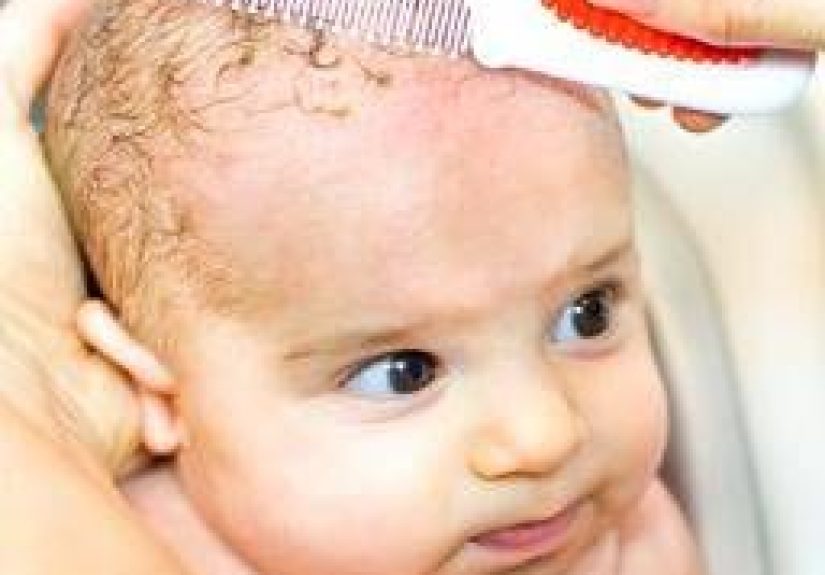
Cradle cap is the common name for infant seborrheic dermatitis. Translation: a very common, usually mild skin condition that causes flaky or crusty scalesmost often on a baby’s scalp. The scales can look white, yellow, or “butter-on-toast” greasy. Sometimes the skin underneath is a little pink.
Even though it’s called “cradle cap,” it’s not a hat, not an infection, and not a sign you’re doing anything wrong. It’s also not contagious. Your baby didn’t “catch it” from another baby (or from that one well-meaning relative who insists on kissing cheeks at every opportunity).
What does cradle cap look like?
- Thick or thin flakes on the scalp
- Greasy or dry scales (often yellowish)
- Mild redness under the flakes
- Sometimes flakes on eyebrows, behind ears, eyelids, neck folds, armpits, or diaper area
Most babies with cradle cap seem totally unbothered. If your baby is very itchy, uncomfortable, or has widespread inflamed patches, it may be a different condition (more on that below).
Cradle cap causes: why does it happen?
Cradle cap can feel mysterious because it shows up in babies who are otherwise perfectly healthy. The exact cause isn’t nailed down, but clinicians generally consider it a mix of a few real (and mildly boring) factors:
1) Overactive oil (sebaceous) glands
Baby skin has oil glands, too. In the first months of life, those glands can be a little overenthusiastic. Extra oil can trap dead skin cells on the scalp, leading to the classic buildup and scaling.
2) Hormones (the “handoff” effect)
During pregnancy, babies are exposed to maternal hormones. After birth, some of that hormonal influence may temporarily stimulate oil production. Think of it as a brief “handoff period” while your baby’s skin figures out its new management structure.
3) Yeast on the skin (normal, but sometimes extra spicy)
A yeast called Malassezia lives on many people’s skin. In some babies, it may contribute to inflammation in oily areas and help drive the scaling typical of seborrheic dermatitis.
4) Individual skin chemistry
Some babies simply have skin that’s more prone to oiliness or scaling. Cradle cap is common, and there aren’t reliable “risk factors” you can controlso please do not add this to your list of things to feel guilty about.
Is cradle cap the same as eczema?
Not exactly. Cradle cap (seborrheic dermatitis) tends to be greasy, flaky, and often not very itchy. Eczema (atopic dermatitis) is more likely to be dry, red, itchy, and may ooze or crust when irritated. Babies can have both, which is unfair but possible.
If you’re unsure, a pediatric clinician can usually tell by lookingespecially if the rash is widespread, very inflamed, or your baby is scratching like they’re auditioning for a DJ set.
When should you call a pediatrician?
Most cradle cap can be managed at home. Get medical advice if you notice any of the following:
- Crusts that are weepy, bleeding, or have pus-like bumps
- Significant redness, swelling, warmth, or a bad smell (possible infection)
- Rash spreading widely beyond the scalp or worsening quickly
- Your baby seems very itchy, uncomfortable, or has trouble sleeping due to the rash
- No improvement after 1–2 weeks of consistent home care
- Concern for ringworm (a circular patch, broken hairs, or a very inflamed area)
Also call if you’re worried. “Worried parent” is a legitimate symptom. You don’t need to earn the right to ask questions.
Cradle cap treatment: what actually works
Because cradle cap is usually harmless and self-limited, treatment is mostly about comfort and cosmetics. The overall strategy is simple: soften the scales, loosen them gently, and keep the scalp clean.
Step-by-step home routine
- Wash with a mild baby shampoo. For mild cradle cap, shampooing every day or every other day for a short period can help loosen buildup.
- Soften stubborn scales first. If the flakes are thick, apply a small amount of mineral oil, baby oil, or petroleum jelly to the scalp. Let it sit for 15–60 minutes to soften the crusts.
- Gently loosen with a soft brush or washcloth. Use a soft baby brush (or a soft toothbrush reserved for the babyyes, that sentence is real life) to lightly massage the scalp in small circles.
- Rinse well. Remove oil and loosened flakes with shampoo and water. Leftover oil can sometimes make the scaling come back faster.
- Repeat consistently. Most families see improvement over days to a couple of weeks.
What not to do (your baby’s scalp will thank you)
- Don’t pick or peel. It can irritate the skin and increase the chance of infection.
- Don’t use harsh scrubs. You’re treating a baby, not sanding a deck.
- Avoid adult dandruff products unless a clinician tells you to use them. Some ingredients can irritate infant skin or aren’t recommended for young children without guidance.
- Be careful with “natural” essential oils. Natural doesn’t always mean gentlemany essential oils can irritate baby skin or trigger allergic reactions.
If home care isn’t enough: medical treatments
If cradle cap is persistent, severe, or spreading to the face/body, a pediatrician or dermatologist may recommend:
- Topical antifungal creams (often used when yeast is thought to be contributing)
- Low-potency topical steroids for short-term use if there’s significant inflammation
- Medicated shampoos used carefully on the scalp (and kept away from eyes), typically for short courses
These options can be very effective, but infants have delicate skinso this is one category where “DIY dermatologist” is not the vibe. Use prescription or medicated products only as directed by a clinician.
Cradle cap prevention: can you stop it before it starts?
You can’t always prevent cradle capsome babies are simply predisposed. But you can reduce buildup and lower the chances of thick scaling by making scalp care a low-drama routine:
- Shampoo regularly. For most babies, washing hair every few days with a mild baby shampoo is enough. If cradle cap is recurring, your clinician may suggest more frequent washing for a short time.
- Brush gently. A soft brush after bathing can help prevent dead skin from sticking around too long.
- Go easy on heavy oils. A little oil to soften scales is helpful; leaving a lot of oil on the scalp can sometimes worsen greasy buildup.
- Watch the skin folds. If your baby also gets flaky patches in neck folds or behind the ears, gentle cleansing and keeping the area dry can help.
Common myths (let’s retire these)
Myth: Cradle cap means I’m not bathing my baby enough.
Nope. Cradle cap isn’t a cleanliness issue. You can have the cleanest baby on the block and still get flakes.
Myth: Cradle cap is an allergy.
Usually not. While skin conditions can overlap, cradle cap itself isn’t typically an allergic reaction.
Myth: Cradle cap will cause permanent hair loss.
Some hairs may come out with flakes, but cradle cap doesn’t cause permanent hair loss. Hair typically grows back normally.
A simple 7-day “get it under control” plan
If you like structure (or you’re operating on two hours of sleep and need a checklist), try this:
- Days 1–3: Shampoo daily with mild baby shampoo. After lathering, use a soft brush to loosen scales, then rinse well.
- Days 4–7: If thick scales remain, apply a small amount of mineral oil or petroleum jelly for 20–30 minutes before shampooing. Brush gently, then wash it out.
- After day 7: Scale back to every few days once things improve. If it’s not improving, call your baby’s clinician for next steps.
Cradle cap on the face or diaper area
Some babies get seborrheic dermatitis beyond the scalpespecially in eyebrows, behind ears, or in skin folds (including the diaper area). The care principles are similar: gentle cleansing, avoiding harsh friction, and using a basic emollient if the skin is dry. Because skin in folds can get irritated or infected more easily, it’s worth checking with a clinician if the rash is bright red, oozing, or worsening.
Takeaway: it looks scary, but it’s usually simple
Cradle cap is common, usually harmless, and often resolves within weeks to months. Home careregular gentle shampooing, softening scales, and light brushingworks for most families. If the rash looks infected, very inflamed, or doesn’t improve with consistent care, a clinician can recommend safe, targeted treatments.
Educational note: This article is for general information and does not replace medical advice. For personalized guidance, especially in newborns and young infants, check in with your baby’s healthcare professional.
Real-world experiences: what parents often notice (and what tends to help)
Let’s talk about the part nobody puts on the cute Instagram carousel: the feelings. Many parents describe cradle cap as a weird mix of “Is my baby okay?” and “How is something so small producing flakes like a snow globe?” The appearance can be startling, especially when the scales are thick and yellow. The reassuring pattern, though, is that most babies act completely normaleating, sleeping, and generally ignoring their own scalp like it’s not even there.
A common experience is the “it looks worse after the bath” moment. That can happen because water and shampoo loosen scales, making them more visible before they wash away. Parents often find that gentle brushing during shampooing helps the loosened flakes come off more completelywhile brushing on a dry scalp can feel like it’s just redistributing tiny flakes for decorative purposes.
Another theme: consistency beats intensity. Families who try to “fix it” in one goscrubbing hard or peeling scalesoften end up with a red, irritated scalp and a guilty conscience. The parents who see the best improvement usually follow a calmer routine: soften → gently loosen → wash out → repeat. It’s less satisfying than peeling off a big patch (which can be weirdly tempting), but it’s kinder to your baby’s skin and lowers the chance of irritation.
Parents also report mixed results with oils. A small amount of mineral oil, baby oil, or petroleum jelly can be a game-changer for thick scales, but leaving a heavy layer on too long sometimes makes the scalp look greasier the next day and can attract more buildup. Many families land on a “short soak” sweet spot: 20–30 minutes, then shampoo out thoroughly.
Then there’s the “Is it spreading?” question. It’s not unusual to see flaky patches in eyebrows, behind the ears, or in neck foldsespecially in babies with adorably squishy creases. Parents often find that keeping folds clean and dry (without aggressive rubbing) helps a lot. If the area becomes bright red, moist, or smelly, that’s when people are glad they called the pediatrician sooner rather than later.
Finally, a practical reality: cradle cap can come and go during the first year. Parents who treat it once and then see it reappear often feel discouragedlike the flakes are staging a comeback tour. But recurrence doesn’t mean you failed. It’s usually just baby skin doing its slow, developing-systems thing. When families treat flare-ups early (before scales get thick), the routine tends to be faster and easier.
If you’re in the thick of it, here’s the most common “wish I knew this sooner” tip: take a photo on day one. Not for the baby scrapbook (unless your scrapbook is titled “Life Is Chaos”), but because day-to-day changes are subtle. A photo helps you see real progress over a week, even when your sleep-deprived brain swears nothing is improving.