Table of Contents >> Show >> Hide
- Why This Recipe Works
- Ingredient Notes (aka: Small Choices, Big Payoff)
- Crispy Gnocchi in Parmigiano-Reggiano Cream (Full Recipe)
- Tips for Maximum Crunch and a Silky (Not Grainy) Sauce
- Variations and Add-Ins (Because You’re an Artist)
- Make-Ahead, Storage, and Reheating
- FAQ
- of “Kitchen Experience” That Make This Recipe Even Better
- Conclusion
If you’ve only ever boiled gnocchi, I’m about to introduce you to its glow-up era.
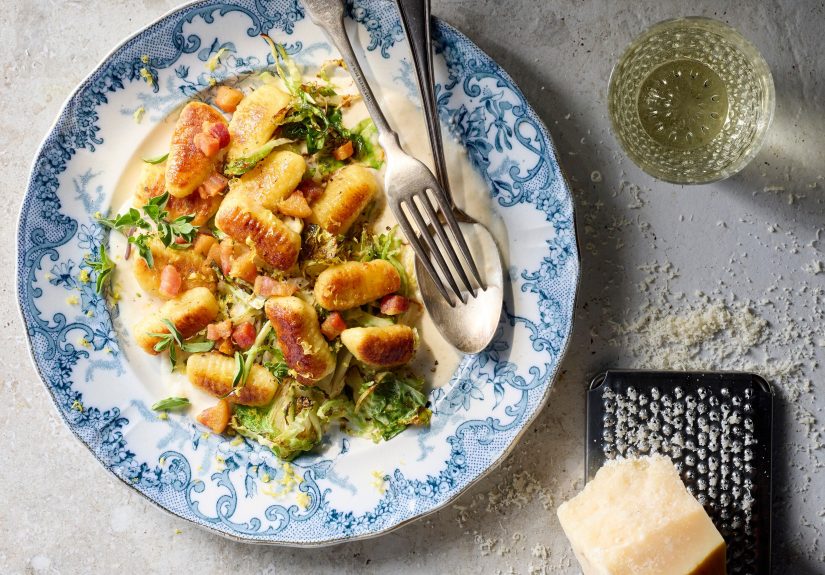
Picture this: chewy little potato pillows that hit a hot pan, get a golden tan, and come out
with crispy edgesthen dive headfirst into a silky Parmigiano-Reggiano cream sauce.
It’s the kind of dish that makes you eat “just one more bite” until your plate is mysteriously… empty.
This recipe is designed for real life: weeknights, picky eaters, and anyone who believes dinner should be
both impressive and achievable without enrolling in culinary school.
You’ll get the crunch, you’ll get the cream, and you’ll get the smug satisfaction of pulling off
restaurant-level texture at home.
Why This Recipe Works
- Direct heat = crispiness. Pan-frying (or “toasting”) gnocchi gives you browned edges and a tender center.
- Single-layer cooking prevents steaming. Crowding the pan is the #1 villain in Crunch City.
- Starchy water makes the sauce behave. A splash helps emulsify the fat and cheese into a glossy, clump-free cream.
- Parmigiano-Reggiano brings real flavor. Nutty, salty, and complexthis isn’t the time for mystery shaker cheese.
Ingredient Notes (aka: Small Choices, Big Payoff)
Choose the Right Gnocchi
For the crispiest results, use shelf-stable potato gnocchi (the kind near dried pasta).
It’s sturdier and less likely to turn gummy when cooked directly in a skillet.
Refrigerated “fresh” gnocchi can be softer and more delicatedelicious, but easier to squish into sadness
if you treat it like the shelf-stable variety.
Parmigiano-Reggiano: The Real Deal Matters
Parmigiano-Reggiano has a distinctive nutty, savory profile and melts into sauce beautifully when finely grated.
Look for a wedge and grate it yourself. Pre-grated cheese often contains anti-caking agents that can mess with
smooth melting and sauce texture. If you want that “silky, clings-to-every-nook” finish, go fresh-grated.
Cream, Butter, and Garlic (The Holy Trinity of Comfort)
Heavy cream gives the sauce body and stability. Butter adds richness and helps carry the cheese flavor.
Garlic is optional but highly recommended unless you’re planning to fight a vampire or go on a first date
with someone who believes mayo is “too spicy.”
Black Pepper and Lemon Zest: Your Secret Weapons
A few turns of black pepper keep the sauce from tasting flat. Lemon zest adds brightness without turning the dish
into “gnocchi lemonade.” You just want a liftlike adding a good playlist to cleaning the kitchen.
Crispy Gnocchi in Parmigiano-Reggiano Cream (Full Recipe)
Quick Stats
- Servings: 4 (or 2 hungry people and one emotional-support spoon)
- Time: 25–30 minutes
- Skill level: Easy, with one rule: don’t rush the browning
Ingredients
- 2 (16–18 oz) packages shelf-stable potato gnocchi
- 3 tbsp extra-virgin olive oil (or 2 tbsp olive oil + 1 tbsp butter for extra browning)
- 3 tbsp unsalted butter, divided
- 3–4 cloves garlic, minced (optional but delicious)
- 1 1/4 cups heavy cream
- 1 1/2 cups finely grated Parmigiano-Reggiano (plus more for serving)
- 1/2 tsp kosher salt, plus more to taste
- Lots of freshly ground black pepper
- 1/3 cup reserved hot water (see note below) or a splash of hot water as needed
- Optional finishers: lemon zest, chopped chives or parsley, crushed red pepper, sautéed mushrooms, baby spinach, peas
Note on “starchy water”: If you boil gnocchi, you can reserve starchy water. But you don’t have to boil.
In this recipe, you can use hot water (or quick-steam water from the pan method below) to help loosen and emulsify the sauce.
The goal is a glossy, clingy saucenot a cheese boulder.
Step-by-Step Instructions
- Crisp the gnocchi (no-boil skillet method):
Heat a large nonstick or cast-iron skillet over medium-high heat. Add olive oil.
When shimmering, add gnocchi in a single layer. Let it sit undisturbed for 2–3 minutes to brown.
Toss, then repeat until golden and crisp in spots, 8–10 minutes total.If your skillet isn’t huge, do this in two batches.
Transfer crispy gnocchi to a plate. - Optional steam-boost for extra tender centers:
If you want a slightly softer interior (with the same crispy exterior), add 2–3 tbsp water to the skillet
mid-way through crisping, cover for 1 minute, then uncover and let the water cook off. Continue browning.
(Think “potsticker method,” but for gnocchi.) - Start the Parmigiano-Reggiano cream:
Lower heat to medium. Add 2 tbsp butter to the skillet. If using garlic, add it and cook 20–30 seconds,
just until fragrant (not browned). - Add cream and gently thicken:
Pour in heavy cream. Stir and bring to a gentle simmer (not a rolling boil).
Let it bubble softly for 2–3 minutes, stirring often, until slightly thickened. - Turn down the heat before adding cheese:
Reduce heat to low. Add Parmigiano-Reggiano in small handfuls, whisking or stirring constantly.
The sauce should become smooth and glossy. If it looks too thick, add a splash of hot water
(a tablespoon at a time) until it loosens into a silky coating. - Bring back the crispy gnocchi:
Add gnocchi back into the sauce and toss gently until every piece is coated.
Add the remaining 1 tbsp butter for extra shine (and because butter is basically edible applause). - Finish like you mean it:
Season with salt (carefulParmigiano is salty), and lots of black pepper.
Optional: lemon zest, herbs, or a pinch of crushed red pepper.
Serve immediately with extra Parmigiano-Reggiano on top.
Tips for Maximum Crunch and a Silky (Not Grainy) Sauce
- Give gnocchi space. If they’re crowded, they steam. Steamed gnocchi is fine. Crispy gnocchi is legendary.
- Don’t stir too much at first. Browning needs contact time. Let the pan do its job.
- Grate cheese finely. A Microplane or very fine grater helps it melt quickly and evenly.
- Keep the sauce below a boil. High heat can make cheese seize or turn grainy. Low and slow wins.
- Use hot water to adjust texture. Add a little at a time until the sauce looks glossy and spoonable.
- Serve right away. Cheese sauces thicken as they cool. This dish is best fresh and steamy.
Variations and Add-Ins (Because You’re an Artist)
1) Mushroom Lover’s Version
Sauté sliced mushrooms in the skillet until browned, remove, then crisp gnocchi and proceed.
Stir mushrooms back in at the end with thyme and extra pepper.
2) Green + Bright
Add baby spinach right after the cream simmerslet it wilt, then add cheese.
Finish with lemon zest and chopped parsley.
3) Pancetta Crunch
Crisp diced pancetta or bacon first, remove, then cook gnocchi in the rendered fat plus a drizzle of olive oil.
Sprinkle pancetta on top right before serving for that salty, crispy confetti.
4) Spicy-Savory
Add crushed red pepper with the garlic, and finish with a spoonful of chili crisp (optional, but… wow).
5) Lighter, Still Luxurious
Swap part of the cream for whole milk (try 3/4 cup cream + 1/2 cup milk). The sauce will be slightly looser,
so lean on finely grated cheese and careful heat control.
Make-Ahead, Storage, and Reheating
This dish is at its peak right after cookingcrispy gnocchi doesn’t love hanging out in a creamy sauce for hours.
But leftovers can still be tasty if you reheat smart.
- Refrigerate: Cool promptly and store in an airtight container. Aim to eat within 3–4 days.
- Reheat (best method): Warm gently in a skillet over medium-low with a splash of milk or water.
Stir until creamy again. If you want some crisp back, let it sit in the skillet undisturbed for a minute at the end. - Microwave (works, but…): Use 50% power, stir halfway, add a splash of liquid. The sauce will thicken, but it’s salvageable.
- Freezing: You can freeze it, but texture may soften. If freezing, undercook slightly and reheat gently later.
FAQ
Do I really not have to boil gnocchi?
For shelf-stable gnocchi, you can skip boiling and go straight to crisping in a skillet.
That’s the whole point: more texture, more flavor, fewer pots.
Why did my cheese clump or turn grainy?
Common causes: heat too high, cheese added too fast, or cheese grated too coarsely.
Keep the sauce at a gentle simmer (or lower), add cheese gradually, and use finely grated Parmigiano-Reggiano.
A splash of hot water can help bring everything back together.
Can I use “Parmesan” instead of Parmigiano-Reggiano?
Yesbut flavor and melt may vary. Parmigiano-Reggiano tends to be more complex and reliable for a silky finish.
If using domestic Parmesan, grate it fresh and taste as you season.
What should I serve with this?
Keep it simple: a crisp green salad with lemony vinaigrette, roasted broccoli, or garlicky sautéed greens.
This dish is rich, so something fresh and punchy makes it sing.
of “Kitchen Experience” That Make This Recipe Even Better
The first time you make crispy gnocchi, you’ll probably hover over the pan like a concerned parent at a playground.
Totally normal. Gnocchi looks innocentsoft, pale, kind of squishyso it’s hard to believe it can transform into
something crunchy. But here’s the big lesson: crispy gnocchi requires patience. Not hours of patience,
just the kind where you don’t poke it every six seconds like it’s going to run away.
You’ll notice a weird psychological phenomenon: the moment you finally stop stirring, the gnocchi starts browning.
It’s almost like it was waiting for you to relax. Let the pan work. When you give gnocchi uninterrupted contact
with hot metal and oil, it builds that golden crust that tastes like “toasted potato” in the best way.
Stir too early and you’ll get pale gnocchi that’s technically cooked but emotionally disappointing.
On round two, you’ll learn the second lesson: batch cooking isn’t a punishment; it’s a strategy.
If your pan is crowded, the gnocchi releases moisture and steams. That can be fine for a soft dish, but for this
recipe it means less browning. Doing two batches feels like extra work, but it actually speeds up the crunch.
Plus, you get a snack pile of “tester gnocchi” on the plate. Quality control is a noble profession.
Then comes the sauce. Cheese sauces can be dramaticone minute silky, the next minute you’re staring at a pot
of stringy clumps wondering if you accidentally invented dairy confetti. The experienced move is to treat
Parmigiano-Reggiano like a VIP guest: lower the heat, invite it in gradually, and don’t shove it into a boiling crowd.
When you add it slowly and keep the temperature gentle, it melts smoothly and turns the cream glossy and cohesive.
Another “you’ll thank yourself later” habit: grate the cheese finer than you think you need.
Fine shreds melt faster and more evenly, which means less stirring time and fewer chances for the sauce to break.
If you’ve ever watched someone shower pasta with a snowstorm of fluffy cheese, you already know the vibe you’re aiming for.
Finally, you’ll start riffing. The base recipe is delicious, but once you’ve nailed the crisp-and-cream combo,
it becomes a canvas. Some nights you’ll toss in spinach for a green moment. Other nights you’ll add mushrooms
and pretend you’re at a cozy trattoria. If you’re feeling fancy, a little lemon zest and black pepper makes
the whole dish taste brighterlike it put on a clean shirt before dinner. The “experience” part is realizing this:
crispy gnocchi isn’t just a recipe. It’s a technique you’ll keep using, because crunchy edges + creamy sauce
is basically a universal language.
Conclusion
Crispy gnocchi in Parmigiano-Reggiano cream is comfort food with a texture upgrade:
golden, chewy-crisp gnocchi wrapped in a silky, cheesy sauce that tastes like you tried harder than you did.
Keep the gnocchi in a single layer, keep the sauce heat gentle, and grate the cheese fine.
Do that, and you’ll have a dish that’s equal parts weeknight-friendly and dinner-party impressivewithout the stress.