Table of Contents >> Show >> Hide
- What “Steam + Convection” Actually Means
- Quick Specs: What You’re Getting
- Where the Cuisinart Steam-Convection Oven Shines
- Mode Decoder: A Settings Cheat Sheet
- Three Foolproof Workflows
- Counter Space Reality Check
- Cleaning and Maintenance
- Pros, Cons, and Who It’s For
- Troubleshooting: Common “Wait… is it broken?” Moments
- How It Compares to Newer Steam Ovens
- Conclusion
- Bonus: of Real-Life Experience With the Cuisinart Combo Steam and Convection Oven
Some kitchen gadgets promise to “change your life.” Most of them change your drawer space. But a combo steam and convection oven can genuinely change the way you cook on a weeknightbecause it fixes two common home-cooking heartbreaks: dry food and slow food.
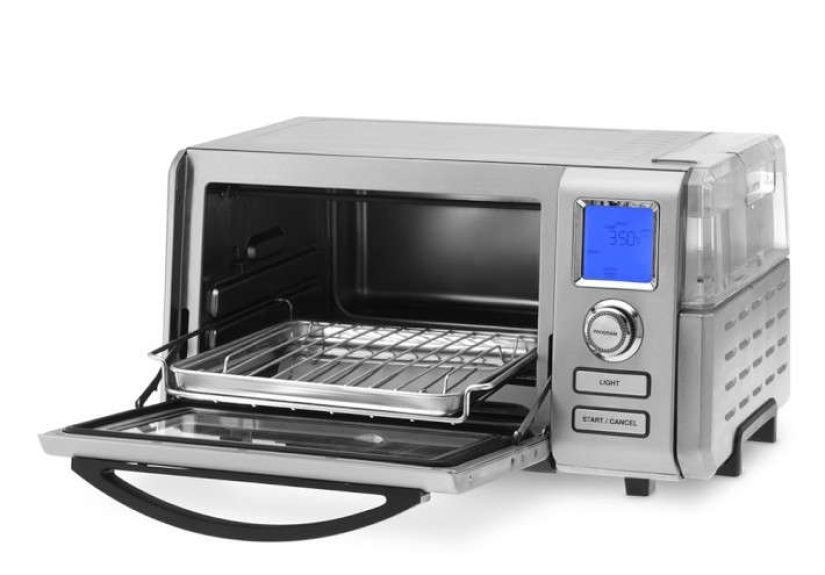
The Cuisinart Combo Steam and Convection Oven (often sold in the CSO-300N / CSO-300N1 family) is essentially a countertop toaster oven that learned a new trick: it can generate steam from a removable reservoir, then pair that moisture with traditional heating elements and convection airflow. In practice, that means you can steam vegetables, revive leftovers, proof dough, and still brown a chicken thigh like you meant to do it.
Buying note: Some versions are listed by the brand as discontinued, but they still show up through major retailers (including renewed/refurb listings). That’s not automatically badit just means you should pay closer attention to warranty terms, included accessories, and return policy.
If you’ve ever stared at a leftover bowl of rice and wondered, “Microwave… again?” this guide is for you. Let’s break down what this oven does, why steam matters, and how to use it without turning your kitchen into a tropical rainforest.
What “Steam + Convection” Actually Means
Convection is dry heat plus a fan. The fan moves hot air around the food, which generally speeds up cooking and encourages even browning. Steam is moisture plus heat: it transfers heat efficiently, keeps surfaces from drying out, and helps foods stay tender. When you combine them, you can do something genuinely useful: cook faster while keeping food moist, then finish with browning so it doesn’t taste like it came from a hospital tray.
Why steam is a big deal for bread
Bakers love steam at the beginning of baking because it keeps the dough’s surface flexible, delays crust formation, and helps loaves expand (“oven spring”). Steam also supports that glossy, crisp crust that makes you feel like you should open a tiny artisan bakery in your living room. The Cuisinart bread/proofing and steam-assisted modes are designed to mimic that pro-oven behaviorwithout you throwing ice cubes at a cast iron pan like a culinary gremlin.
Quick Specs: What You’re Getting
This product line is often described as a professional-style steam oven shrunk into a countertop footprint. Here are the highlights you’ll see across manufacturer and major U.S. retailer descriptions (numbers can vary slightly by model/version):
- Power: about 1800 watts (typical for a feature-packed countertop oven).
- Steam runtime: up to about 120 minutes of steady steam, depending on mode and water level.
- Water reservoir: removable, around 47 ounces (roughly 6 cups / 1.4 liters).
- Capacity: around 0.60 cubic feetoften marketed as enough for a 12-inch pizza or a small (around 4.5 lb) chicken.
- Accessories: rack, baking pan, broiling rack, crumb tray, and drip tray are commonly included.
- Modes you’ll actually use: Steam, Super Steam, Bake (convection), Bake Steam, Broil, Broil Steam, Bread/Proof, Toast, and Warm/Keep Warm.
- Convenience: LCD controls, “add water” alerts, and a Steam Clean function.
- Marketing claim to interpret wisely: “up to ~40% faster” cooking can be real in steam-friendly cases (reheating, veg, some proteins), but depends on portion size, rack position, and whether you preheat.
Translation: it can behave like a mini steam-combi oven when you want it, and like a normal convection toaster oven when you don’t.
Where the Cuisinart Steam-Convection Oven Shines
1) Reheating leftovers without turning them into lint
Steam is the unsung hero of reheating. Instead of blasting food with dry heat (which can make rice crunchy and chicken rubbery), steam gently rehydrates. Think of it as a spa day for leftovers. Great targets include rice, pasta, dumplings, day-old bread, and baked casseroles.
Practical example: Reheat a bowl of rice on Steam until hot, then finish for 1–2 minutes on Convection Bake if you want the surface drier (for fried-rice vibes) rather than steamy-soft.
2) Bread proofing and better home baking
Proofing works best in warm, slightly humid conditions. The proofing/bread setting gives yeast a comfortable environment so your dough rises consistently. During baking, steam helps with oven spring and crust development. If you bake sandwich loaves, dinner rolls, bagels, or pretzels, built-in proofing plus steam-assisted baking can feel like upgrading your whole workflowwithout adding extra pans of boiling water.
3) Juicy poultry and fish with a browned finish
Steam + heat is excellent for proteins that dry out easily. A steam-assisted bake can keep chicken breasts from turning into poultry jerky, and Broil (or Broil Steam) can brown the top at the end.
Food safety reminder: poultry should reach a safe internal temperature of 165°F in the thickest part, verified with a food thermometer (especially important when you’re using smaller appliances that cook quickly and can brown before the center is done).
4) Vegetables that taste like you tried
Steam gives you tender-crisp vegetables quickly. Convection can add a little caramelization. This one-two punch works especially well for broccoli, Brussels sprouts, asparagus, and carrotsespecially when you want “roasted-ish” results without waiting forever for a full-size oven to preheat.
Mode Decoder: A Settings Cheat Sheet
Combo ovens can look like they have too many buttons. The trick is to think in outcomes: “Do I want moisture?” and “Do I want browning?” Here’s a practical cheat sheet:
| Mode | Best for | What it’s doing |
|---|---|---|
| Steam | Veggies, rice, fish, reheating | Moist heat; gentle and hydrating |
| Super Steam | Denser foods, faster steaming, frozen items | Higher steam output; more aggressive heat transfer |
| Bake (Convection) | Cookies, roasted veg, casseroles | Dry heat with fan for even cooking and browning |
| Bake Steam | Chicken, pork, gratins, baked pasta | Moisture + bake heat so food stays tender |
| Broil | Melting cheese, crisping tops, quick browning | Intense top heat; fast color |
| Broil Steam | Chicken pieces, thick fish fillets | Browning support plus moisture “insurance” |
| Bread / Proof | Yeasted dough and crusty loaves | Humidity support for proofing + steam-assisted baking |
| Toast | Toast, bagels | Dry heat; quick browning (steam not needed) |
| Warm / Keep Warm | Holding food, softening butter | Low heat to maintain temp without overcooking |
Three Foolproof Workflows
Reheat pizza like an adult
- Steam briefly to warm the toppings and rehydrate the crust’s interior.
- Switch to Convection Bake or Broil for 1–3 minutes to crisp and brown.
Result: the slice tastes like pizza, not like a warm sponge with regrets.
“Lazy roast” chicken thighs that stay juicy
- Use Bake Steam to cook through gently.
- Finish with Broil (or Broil Steam) for color and crisp edges.
- Confirm 165°F in the thickest part with a thermometer.
Bakery-ish rolls without extra gear
- Proof in the oven so dough doesn’t dry out.
- Bake using a steam-assisted setting for better rise and crust development.
- Let cool before slicing (yes, it’s torture; yes, it’s worth it).
Counter Space Reality Check
Steam has to go somewhere. That “somewhere” is usually out the top vents, which can fog nearby surfacesespecially if you park the oven under cabinets. For steam-capable countertop ovens, it’s common to see guidance to avoid operating under wall cabinets and to keep clearance around vents.
- Give the oven breathing room (a few inches from walls and overhead cabinets).
- If you must keep it near cabinets, pull it forward during steam modes.
- Wipe nearby surfaces if you’re running long steam cycles.
Cleaning and Maintenance
Weekly basics
- Empty the drip tray after steam-heavy cooking.
- Wipe the interior once cool; steam helps loosen residue.
- Wash removable parts (rack, pans, crumb tray) regularly; many are dishwasher-safe.
Steam Clean: the underrated feature
Steam can loosen cooked-on messes so you’re not chiseling cheese off the walls like an archaeologist. Use the Steam Clean (or a short steam cycle, depending on your model), let it cool, then wipe everything down. Your future self will thank you.
Descaling (decalcifying) the steam system
If your water is hard, mineral buildup is inevitable. Many manuals recommend decalcifying roughly once a year for average use (more for heavy use), often using distilled white vinegar in the reservoir and running a steam cycle. The exact steps depend on your model, but the goal is the same: keep steam generation strong and sensors happy.
Pros, Cons, and Who It’s For
Pros
- Better reheating than a microwave for many foods (especially starches and baked goods).
- Moisture retention for lean proteins and delicate dishes.
- Bread proofing + steam baking built ingreat for home bakers.
- Versatility: it can replace a toaster oven for many households.
Cons
- Counter footprint: not tiny, and you’ll want clearance for steam vents.
- Water management: refills, drip tray, and occasional descaling.
- Less precision than premium “smart” steam ovens: newer models may offer humidity percentages, probes, cameras, or app control (usually at a higher price).
Troubleshooting: Common “Wait… is it broken?” Moments
The oven says “Add Water” but I just filled it
Check that the reservoir is fully seated and the cap is secure. Steam modes are picky for a reason: no water means no steam, and no steam means disappointment.
My countertop is wet
That’s usually condensation (empty the drip tray) or steam venting too close to surfaces (give the oven clearance and wipe nearby areas after long steam sessions).
Food browned unevenly
Rack position matters. Rotate pans halfway through, use convection for more even cooking, and avoid crowding the tray (hot air needs room to move).
How It Compares to Newer Steam Ovens
The Cuisinart combo approach is intentionally straightforward: a handful of useful modes that cover the most common steam + heat combinations. Newer premium countertop steam ovens can add app control, probes, and adjustable humidity. Those features can be fantastic for precision cooking, but they usually cost more and take up even more space.
If you want the core benefits of a countertop steam ovenbetter reheats, moister proteins, improved breadwithout committing to a “smart oven lifestyle,” the Cuisinart Combo Steam and Convection Oven hits a sweet spot.
Conclusion
The Cuisinart Combo Steam and Convection Oven isn’t just a novelty button-masher. It’s a practical upgrade for anyone who cooks real food and wants it to stay moist, reheat well, and brown like it should. Give it space to vent, treat descaling like dental floss (annoying but necessary), and keep a thermometer handy for proteins. Do that, and this steam convection toaster oven can earn its counter space fast.
Bonus: of Real-Life Experience With the Cuisinart Combo Steam and Convection Oven
Here’s what living with a steam-convection countertop oven feels like after the “new appliance honeymoon” wears off: you stop thinking about the oven and start thinking about the problems it quietly fixes. For me, that began with leftoversbecause leftovers are where good intentions go to dry out.
Day one was rice. I’m not proud of how many times I’ve microwaved rice into a chewy brick, but steam is basically an apology tour for starches. A short steam cycle warmed the grains through and brought back fluffiness instead of that crunchy edge you get from dry heat. Pasta was similar: steam made it supple again, and then a minute of convection turned “lunch container” back into “I’d serve this to a friend.” Even takeout dumplings regained their bounce instead of turning leathery.
By day three, I started using steam as a setup move. Leftover pizza got a brief steam warm-up to rehydrate the crust’s interior, followed by convection or broil to crisp the bottom and re-melt the cheese. It’s not restaurant magic; it’s physics. Moisture protects the inside while dry heat finishes the outside. The same trick worked on roasted vegetables: steam first so the centers heat quickly, then convection to bring back a little caramelized bite. Reheated fried chicken was the ultimate test: a touch of steam to heat the meat without drying it out, then a quick broil to wake the crust back up.
Bread was the surprise highlight. Proofing in a gently warm, slightly humid box is what yeast wants, and having that environment on demand made my timing more predictable. Rolls rose more evenly, and dough didn’t form that dry “skin” you get when it sits uncovered on the counter. When I baked with steam assistance, the crust looked shinier and the loaf had better spring. I didn’t become a sourdough wizard overnight, but I did become the kind of person who lets a loaf cool before slicingbecause when the crust finally gets that crackly finish, you don’t want to ruin it with steam you trapped inside.
Of course, steam also behaves like steam. The first week I parked the oven too close to my cabinets and noticed moisture collecting above it. Nothing dramaticjust enough to make me change the setup: pull the unit forward during longer steam sessions, give it clearance to vent, and wipe down nearby surfaces after. The drip tray also became a real habit: empty it after big steam cooks, unless you enjoy surprise puddles.
Water management is the other reality. You refill the reservoir more often than you expect at first, especially when you’re experimenting with steam-heavy modes. The good news is the refill is simple and the “add water” alert is hard to miss. The longer-term maintenance item is descaling. If your water is mineral-heavy, you’ll eventually want to run a vinegar-based decalcifying cycle so steam stays strong and sensors stay calm. It’s not fun, but it’s a small ritual that keeps the appliance behaving like the day you unboxed it.
After a few weeks, the oven stopped feeling fancy and started feeling useful. It handled toast duty, upgraded reheats, and made weeknight chicken and vegetables noticeably less dry with almost no extra effort. In short: it didn’t change my life. It changed my Tuesday dinnerand that’s the kind of upgrade you actually keep.