Table of Contents >> Show >> Hide
- Why a Custom Built Spice Rack Is Worth the Effort
- Planning Your Custom Spice Rack
- Best Types of Custom Built Spice Racks
- Choosing Materials for a Custom Built Spice Rack
- Design Details That Make the Rack Better
- Step-by-Step: Building a Simple Wall-Mounted Spice Rack
- Smart Organization Methods
- Common Mistakes to Avoid
- Custom Built Spice Rack Ideas for Different Kitchens
- Budget-Friendly Tips
- Maintenance: Keeping Your Spice Rack Useful
- Experiences From Building and Using a Custom Built Spice Rack
- Conclusion
A custom built spice rack sounds like a tiny kitchen project, but do not be fooled by its modest size. This little organizer can change the entire mood of your cooking space. One day you are digging through a cabinet like an archaeologist searching for cumin. The next day, every jar is lined up, labeled, and ready to report for dinner duty.
The beauty of a custom built spice rack is simple: it fits your kitchen, your cooking habits, your spice collection, and your tolerance for visual chaos. Store-bought racks can be helpful, but they often assume everyone owns the same 18 jars, uses the same cabinet depth, and has the same relationship with paprika. Real kitchens are messier, funnier, and far more personal.
Whether you want a slim wall-mounted spice shelf, a pull-out cabinet insert, a drawer spice organizer, or a rustic wooden rack that looks like it belongs in a farmhouse kitchen with a suspiciously photogenic sourdough loaf, building your own spice rack gives you control. It saves space, improves visibility, protects freshness, and makes cooking feel less like a scavenger hunt.
Why a Custom Built Spice Rack Is Worth the Effort
A spice rack is not just a place to park little jars. It is a kitchen workflow tool. When spices are hidden behind cans, stacked three-deep in a dark cabinet, or scattered between the pantry and the countertop, cooking slows down. Worse, you buy duplicates because you cannot find what you already own. Somewhere in America, there is a family with six jars of garlic powder and no idea how it happened.
A custom built spice rack solves three common problems: wasted space, poor visibility, and disorganization. Instead of forcing your spice collection into an awkward cabinet, you design the rack around the real dimensions of your kitchen. That might mean a narrow rack on the side of a cabinet, a door-mounted shelf, a shallow drawer insert, or a built-in pull-out unit beside the stove.
The best spice storage systems keep jars easy to see, easy to reach, and easy to return. That last part matters. If putting something away requires a minor engineering degree, the system will fail by Thursday.
Planning Your Custom Spice Rack
Start With Your Spice Inventory
Before cutting wood or ordering jars, take everything out. Yes, everything. This is the moment when you discover the cinnamon from 2017, the taco seasoning packet that has survived three apartments, and the mysterious unlabeled jar that smells like either curry powder or regret.
Sort your spices into categories: everyday essentials, baking spices, global cuisine favorites, blends, herbs, whole spices, and duplicates. Toss jars that have lost their aroma or clumped from moisture. Spices do not usually become dangerous overnight, but they do lose flavor. Ground spices, dried herbs, and blends fade faster than whole spices, so freshness should guide your storage plan.
Count how many jars you want to store now, then add room for future additions. A good rule is to build for at least 20 percent more capacity than you currently need. Today it is cumin. Tomorrow it is smoked cinnamon, sumac, berbere, and something you bought after watching one cooking video at midnight.
Measure the Space Carefully
Custom means measured. Check the width, height, depth, and clearance of the chosen location. If you are building a cabinet-door spice rack, make sure the shelves will not hit interior cabinet shelves when the door closes. If you are designing a drawer insert, measure interior drawer height so jars can lie at an angle or stand upright without blocking the drawer.
For wall-mounted racks, consider nearby heat and sunlight. Spices stay fresher in cool, dry, dark conditions. A rack beside the stove may look convenient, but constant heat and steam can reduce flavor faster. A nearby wall, pantry door, shaded cabinet side, or drawer can be a better choice.
Best Types of Custom Built Spice Racks
1. Wall-Mounted Wooden Spice Rack
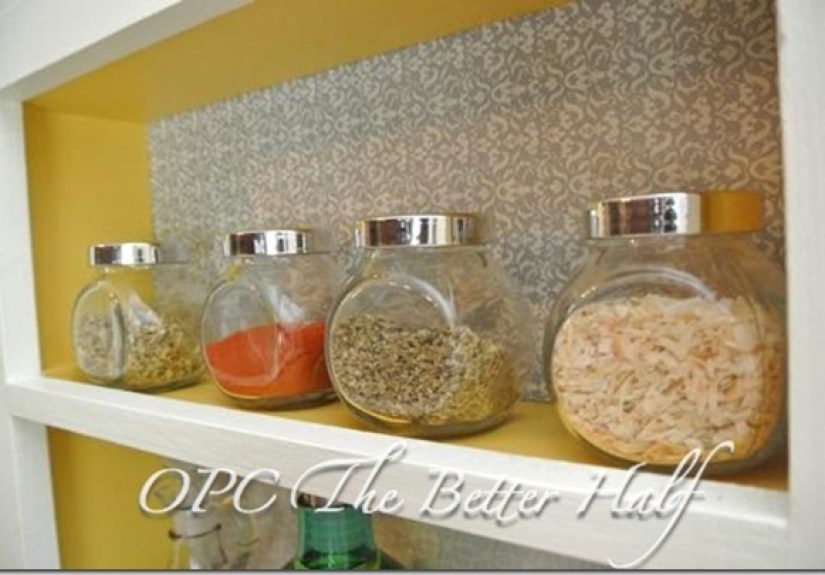
A wall-mounted spice rack is one of the easiest custom projects. It works well in kitchens with limited cabinet space and adds visual charm when paired with matching jars and clear labels. Use solid wood, plywood, or reclaimed boards. Add shallow shelves with a small front rail to keep jars from taking a dramatic dive onto the floor.
This style is ideal for frequently used spices like salt blends, pepper, chili flakes, oregano, cumin, cinnamon, and garlic powder. If you cook often, keeping your top 12 to 24 seasonings visible can make weeknight meals faster and more enjoyable.
2. Cabinet Door Spice Rack
The inside of a cabinet door is prime real estate. A custom cabinet door spice rack uses space that normally does nothing except swing open and hide fingerprints. Build narrow shelves from thin wood strips, add rails, and mount the rack securely with screws. Keep the depth shallow so the door still closes properly.
This design is excellent for small kitchens because it creates storage without using counter space. It also keeps spices hidden, which is perfect if you prefer a clean, minimalist kitchen. Your spices can be organized; they do not have to become part of the decor unless they are emotionally ready.
3. Pull-Out Spice Rack
A pull-out spice rack is a smart option for narrow gaps, especially the skinny space beside a stove, refrigerator, or pantry cabinet. Custom pull-outs can be built with drawer slides, vertical side panels, and small shelves. The result is a compact tower that slides out when needed and disappears when not in use.
This is one of the most efficient designs for serious home cooks. It can hold a surprising number of jars while taking up only a few inches of width. The key is sturdy construction and smooth hardware. Cheap drawer slides can make the rack wobble like it has had too much espresso.
4. Drawer Spice Organizer
A drawer spice organizer is practical, clean, and easy to use. Jars can lie at an angle with labels facing up, or they can stand upright if the drawer is deep enough. A custom insert made from plywood or angled wood strips keeps jars from rolling around like tiny glass logs.
This design is especially useful when you want spices near the prep area but do not want anything on the wall or countertop. It also protects spices from light, which helps preserve color and flavor.
5. Pantry Spice Rack
If you have a pantry, a custom spice rack can be built onto the pantry door, along a side wall, or as part of adjustable shelving. Pantry storage works best for large collections, bulk spice bags, refill jars, and backup containers. Use smaller jars for daily cooking and store bulk refills separately.
A pantry spice system can include tiered shelves, labeled bins, lazy Susans, and vertical dividers. The goal is to avoid the dreaded “spice cave,” where jars disappear into the back and are rediscovered during a future kitchen renovation.
Choosing Materials for a Custom Built Spice Rack
Wood is the most popular choice for a DIY spice rack because it is easy to cut, finish, and customize. Pine is affordable and beginner-friendly. Oak and maple are stronger and more polished. Plywood is stable and works well for drawer inserts or cabinet-mounted designs. Reclaimed wood adds character, though it should be cleaned and sanded well before use.
Metal rails, acrylic fronts, or brass rods can add a modern touch. Magnetic spice tins can work on a metal board or refrigerator, though they are better for cooks who use spices quickly and keep the tins away from heat. Glass jars are excellent for visibility and cleanliness, while airtight lids help preserve aroma.
For finishes, choose food-safe or kitchen-safe options once cured. Clear polyurethane, mineral oil for certain wood styles, or water-based finishes can protect the rack from moisture and stains. Paint is fine too, especially if you want the rack to match cabinets, but allow it to cure fully before loading jars.
Design Details That Make the Rack Better
Label Everything Clearly
Labels are the unsung heroes of spice organization. Use top labels for drawer storage and front labels for shelves. Include the spice name and, if possible, the purchase or refill date. This makes it easier to rotate older spices and avoid keeping flavorless dust in a jar simply because it still looks official.
Use Matching Jars for Better Fit
Matching jars are not just for people who alphabetize their socks. Uniform containers make the rack easier to design because every jar has the same footprint. They also help prevent wasted space. Square jars can fit tightly together, while round jars are easier to grab. Choose based on your rack style and hand comfort.
Add a Front Rail
Every shelf should have a small lip, dowel, brass rod, or wooden rail. Spice jars are small, slippery, and surprisingly eager to jump. A rail keeps them in place when a cabinet door swings or when someone reaches for chili powder with the confidence of a game show contestant.
Plan for Cleaning
Spices spill. Turmeric stains. Paprika travels. A good custom built spice rack should be easy to wipe down. Avoid tiny corners where powder can collect. Use smooth finishes, removable jars, and enough spacing to clean between rows.
Step-by-Step: Building a Simple Wall-Mounted Spice Rack
Materials
You will need wood boards, a saw, measuring tape, sandpaper, wood glue, screws or brad nails, a drill, wall anchors, a level, and your preferred finish. For a basic rack, use one back board, two side pieces, several shelf boards, and narrow front rails.
Step 1: Decide the Size
Measure your jars first. If each jar is about two inches wide, a 24-inch shelf can hold roughly 10 to 12 jars depending on spacing. Plan shelf height based on jar height plus finger clearance. Do not make the shelves so tight that grabbing the cumin becomes a tweezer operation.
Step 2: Cut and Sand
Cut the boards to size and sand all surfaces. Rounded edges feel better and look more finished. If you are using reclaimed wood, inspect it for old nails, splinters, or rough patches.
Step 3: Assemble the Frame
Attach shelves to the side pieces using wood glue and screws or brad nails. Add the back board if your design needs extra strength. Install front rails across each shelf. Check that everything is square before the glue sets.
Step 4: Finish the Wood
Paint, stain, or seal the rack. Let the finish cure completely. This is the part where impatience whispers, “It is probably dry enough.” Do not listen. Sticky spice jars are not a design feature.
Step 5: Mount Securely
Use a level to mark the wall. If possible, screw into studs. If not, use wall anchors rated for the loaded weight. Remember that glass jars add weight quickly. Mount the rack securely, then load spices evenly.
Smart Organization Methods
Alphabetical Order
Alphabetical storage is simple and reliable. Basil, bay leaves, cayenne, cinnamon, cumin, garlic powder, oregano, paprika, and so on. It is perfect for households where multiple people cook and nobody wants to decode a private filing system.
By Cuisine
Group spices by cooking style: Italian herbs, Mexican blends, Indian spices, baking spices, barbecue rubs, and everyday basics. This method works well for passionate cooks who think in meals rather than letters.
By Frequency of Use
Keep everyday spices at eye level or in the front row. Store occasional spices higher, lower, or toward the back. This practical method reduces daily friction and keeps your favorite seasonings within easy reach.
Common Mistakes to Avoid
The first mistake is building too small. Spice collections grow quietly. Give yourself extra space from the beginning. The second mistake is placing the rack too close to heat, steam, or direct sunlight. Convenience is great, but flavor matters too.
The third mistake is ignoring jar size. Random jars make custom spacing difficult. If you want a clean, efficient design, standardize your containers before building. The fourth mistake is skipping the front rail. Gravity has no respect for your handmade craftsmanship.
Finally, do not overcomplicate the design. A spice rack should make cooking easier, not become a wooden puzzle box. Simple, sturdy, visible, and cleanable beats fancy and frustrating every time.
Custom Built Spice Rack Ideas for Different Kitchens
For Small Apartments
Use vertical space. Try a narrow wall rack, magnetic board, or cabinet-door shelf. Keep only the spices you actually use and avoid bulk containers unless you have pantry space. In a small kitchen, every inch should earn its rent.
For Family Kitchens
Choose durability. A drawer organizer or cabinet-door rack keeps jars accessible but contained. Use large labels so everyone can find and return spices correctly. This may not stop someone from putting cinnamon in the chili, but it reduces the odds.
For Serious Home Cooks
Build zones. Keep daily spices near the stove or prep station, baking spices near flour and sugar, and bulk refills in the pantry. A pull-out rack or deep drawer insert can handle a larger collection without cluttering the countertop.
For Decorative Kitchens
Use matching glass jars, attractive labels, and a stained or painted wood rack that complements the cabinets. A custom built spice rack can become a design feature, especially on an open wall or beside floating shelves.
Budget-Friendly Tips
A custom spice rack does not need to be expensive. Scrap wood, leftover plywood, old crates, small dowels, and basic hardware can become a beautiful organizer. Repurposed materials add charm, and they keep the project affordable.
If you want a polished look without spending much, invest in labels and matching jars. Even an inexpensive rack looks intentional when the containers are consistent. On the other hand, a pricey rack filled with mismatched plastic bottles can still look like a tiny grocery-store accident.
Maintenance: Keeping Your Spice Rack Useful
Once your custom built spice rack is finished, maintain it with a quick monthly check. Wipe the shelves, tighten loose screws, refill frequently used jars, and sniff older spices. If a spice has no aroma, it will not bring much flavor to your cooking.
Once or twice a year, do a full refresh. Remove every jar, clean the rack, update labels, and reorganize based on what you actually cook. Your spice rack should evolve with your kitchen habits. If you stopped baking every weekend, nutmeg does not need front-row seating anymore.
Experiences From Building and Using a Custom Built Spice Rack
The best lesson from building a custom spice rack is that the project is less about wood and more about behavior. A rack only works if it matches the way people actually cook. One homeowner built a beautiful open shelf above the stove, then realized the jars were exposed to heat and steam every day. It looked wonderful for photos, but the spices faded quickly. The second version moved to a shaded wall near the prep counter, and the difference was immediate. The spices stayed fresher, and the cook still had quick access.
Another common experience is discovering that labels matter more than expected. At first, many people rely on memory. “I know what cumin looks like,” they say confidently, moments before confusing it with coriander. Clear labels remove guesswork. Top labels are especially helpful for drawer racks, while front labels are better for wall shelves and cabinet doors. Adding refill dates may feel fussy, but it makes the whole system easier to maintain.
A custom drawer spice rack can be a game changer for anyone who dislikes visual clutter. One practical setup uses angled rows inside a shallow drawer beside the prep area. The jars lie label-up, making it easy to scan the whole collection in seconds. This design feels almost luxurious because nothing sits on the counter, yet every spice is close. The only challenge is discipline: jars must go back in the correct row, or the drawer slowly becomes a rolling glass parade.
Cabinet-door racks create a different kind of satisfaction. They turn unused space into storage without changing the kitchen layout. However, the biggest lesson is clearance. Before mounting anything permanently, tape a cardboard mockup to the door and close it slowly. This simple test can prevent a very annoying mistake. A rack that bumps into interior shelves will quickly become an expensive lesson in measuring twice and muttering once.
Pull-out spice racks are excellent for narrow gaps, but they demand sturdy hardware. A tall, skinny rack loaded with glass jars can feel unstable if built too lightly. The best versions use quality drawer slides, balanced shelf spacing, and side rails that hold jars securely. When done right, the pull-out rack feels like a secret kitchen upgrade. When done poorly, it feels like a spice-filled shopping cart with trust issues.
The most rewarding part of a custom built spice rack is how it changes daily cooking. Instead of rummaging through a cabinet, you can see what you have. That visibility encourages creativity. You are more likely to use smoked paprika, cardamom, za’atar, or fennel seed when they are not hiding behind a giant container of oatmeal. Meals become more flavorful because the ingredients are easier to reach.
There is also a small emotional benefit. A tidy spice rack makes a kitchen feel cared for. It suggests that cooking is not just another chore but a daily ritual worth making smoother. Even a simple homemade rack can bring a sense of order to a busy room. And unlike many home projects, this one does not require remodeling the entire kitchen or taking out a loan large enough to make the toaster nervous.
In the end, the best custom spice rack is the one you will actually use. It does not need to be perfect. It needs to be sturdy, accessible, easy to clean, and designed around your habits. Build for the spices you love, the space you have, and the meals you make most often. If the finished rack saves time, reduces clutter, and helps you stop buying duplicate jars of oregano, congratulations: you have built a tiny masterpiece.
Conclusion
A custom built spice rack is one of those small kitchen upgrades that delivers a surprisingly big payoff. It improves organization, saves space, protects spice quality, and makes cooking more enjoyable. Whether you build a wall-mounted shelf, a cabinet-door rack, a drawer insert, or a pull-out organizer, the key is to design around real life.
Start with your spice collection, measure carefully, choose durable materials, label clearly, and keep the system easy to maintain. A great spice rack does not just hold jars. It supports better cooking, fewer duplicates, faster meal prep, and a kitchen that feels calmer every time you reach for flavor.
Note: This article is original, written in standard American English, and based on practical DIY, kitchen organization, spice storage, and home improvement guidance.