Table of Contents >> Show >> Hide
- Start With How You Want the Room to Feel
- Choose a Color Direction Before You Shop
- Respect Scale and Proportion
- Layer Your Lighting Like an Adult Who Has Learned Things
- Let Furniture Breathe
- Mix Texture, Pattern, and Materials
- Use Mirrors, Plants, and Art With Purpose
- Small Spaces Need Strategy, Not Surrender
- Make the Entryway and Bedroom Count
- Decorate Slowly and Edit Ruthlessly
- Experiences That Teach Decorating Advice the Hard Way
- Conclusion
Note: Source links are intentionally omitted in the article body, as requested.
Decorating advice is everywhere. One person says every room needs a bold color. Another says beige is timeless and therefore morally superior. A third insists you need fourteen throw pillows and a ceramic object that “starts conversations,” even though no one has ever spoken to a ceramic knot at a party. The truth is much simpler: good decorating is not about following random rules like sacred prophecy. It is about building a home that feels balanced, useful, welcoming, and unmistakably yours.
The best decorating advice works because it blends style with real life. A beautiful room should still let you sit down without performing furniture gymnastics. A gorgeous coffee table should not make you fear setting down a mug. And a living room should not look like it belongs to a mysterious billionaire who never eats snacks. In other words, your home should look good, but it should also behave itself.
If you want a home that feels polished without feeling stiff, there are a few decorating principles worth learning. These are the ideas designers return to again and again: scale, light, color, texture, layout, and personality. Once you understand those, decorating gets less intimidating and a lot more fun.
Start With How You Want the Room to Feel
Before you buy a lamp, a rug, or a suspiciously expensive “accent bowl,” decide what mood you want the room to create. Calm? Cozy? Airy? Lively? Sophisticated? Family-friendly with a little chaos and a lot of washable fabric? That emotional goal matters because it guides every decorating choice after that.
A room with soft lighting, warm neutrals, natural wood, and layered textiles will feel very different from one with glossy finishes, sharp contrast, and modern metal accents. Neither is wrong. They just tell different stories. Decorating advice often goes sideways when people chase trends without deciding what story their space is supposed to tell.
Ask Three Simple Questions
When you begin decorating any room, ask yourself:
What is this room for? How do I want it to feel? What do I want it to say about me?
Those questions keep you from buying pretty things that do not belong together. They also help you avoid the classic mistake of creating a room that photographs beautifully but feels awkward when actual humans enter it.
Choose a Color Direction Before You Shop
One of the smartest pieces of decorating advice is to choose a color direction early. You do not need a complicated formula, but you do need a plan. Otherwise, you end up with five shades of beige that somehow all fight each other, plus one brave blue pillow trying to save the room alone.
A balanced palette usually works best when one color leads, a second supports it, and a third adds contrast. That does not mean every room has to be neutral. It means the colors should feel connected. A favorite artwork, patterned rug, wallpaper, or even a piece of fabric can become your starting point. Pull colors from that item and repeat them in different ways across the space.
If you love color, use it with confidence but also with intention. Repeat tones in more than one place so the room feels cohesive. If you prefer a calmer look, layer soft neutrals with texture so the room does not feel flat. White walls can be beautiful, but they need warmth from wood, textiles, metal, greenery, art, or all of the above. Otherwise, the room can feel less “effortlessly elegant” and more “unfinished dentist office.”
Respect Scale and Proportion
If decorating had a villain, it would be bad scale. A room can have beautiful furniture, good colors, and lovely accessories, but if the pieces are the wrong size, it will still feel off. This is why decorating advice so often comes back to rugs, art, lighting, and furniture placement.
Buy the Right Size Rug
Too-small rugs are one of the most common decorating mistakes. A rug should ground the furniture, not float in the middle of the room like a lonely postage stamp. In a living room, the front legs of major seating pieces should usually sit on the rug at minimum. In many rooms, having all furniture legs on the rug looks even more finished.
Hang Curtains Higher Than You Think
Well-placed curtains can make a room feel taller, softer, and more complete. Mounting curtain rods higher and wider than the window frame creates the illusion of larger windows and more generous ceiling height. Curtains should usually skim or lightly kiss the floor for the cleanest look.
Watch the Size of Art and Lighting
Tiny art above a large sofa looks timid. An undersized chandelier over a dining table looks accidental. Good decorating advice always accounts for visual weight. Art should relate to the furniture beneath it. Lighting should match the scale of the room and furnishings around it. Bigger is often better than people think, as long as the piece is not swallowing the room whole.
Layer Your Lighting Like an Adult Who Has Learned Things
Overhead lighting alone is rarely enough. It can make a room feel flat, harsh, or strangely dramatic in the wrong way, like your hallway is auditioning for a crime show. The best rooms use layered lighting: ambient light for overall brightness, task light for function, and accent light for mood.
This means ceiling fixtures should be supported by table lamps, floor lamps, sconces, or reading lights. Soft, warm bulbs tend to create a more inviting atmosphere in living rooms and bedrooms. Dimmers help even more. Lighting is one of the fastest ways to make a room feel expensive, comfortable, and thoughtfully designed.
If your room looks good during the day but sad at night, lighting is probably the reason. Great decorating advice is not only about what you see; it is about what the room feels like after sunset.
Let Furniture Breathe
Many people think pushing all furniture against the wall will make a room feel bigger. Often, it does the opposite. A little breathing room can make a layout feel more intentional and more spacious. Pulling seating inward creates conversation zones, improves flow, and helps the room feel designed instead of merely arranged.
That does not mean every sofa should float dramatically in the middle of the room like it pays rent. It means your layout should support the way people actually move and gather. In a living room, seats should be close enough for conversation. In a bedroom, there should be room to walk comfortably around the bed. In an entryway, the layout should not punish people for owning shoes.
Design for Real Life
The smartest decorating advice always leaves room for living. Choose durable fabrics if you have kids, pets, or a tendency to spill coffee with emotional intensity. Add storage where clutter naturally collects. Use decorative baskets, trays, cabinets, and boxes so everyday items have a home. Storage can be stylish, and style is much easier when your remote control does not live under a chair forever.
Mix Texture, Pattern, and Materials
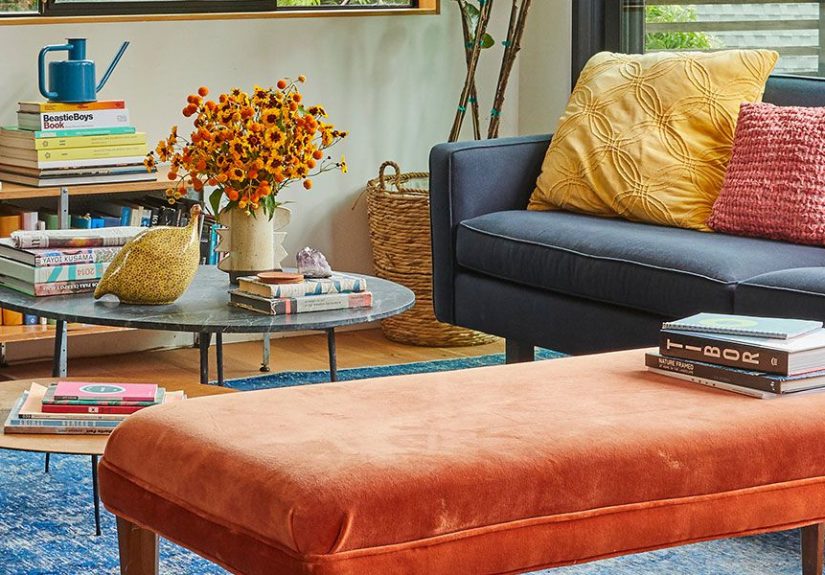
A room becomes interesting when surfaces feel layered. Think linen curtains, a wool rug, wood furniture, ceramic lamps, metal accents, and upholstery with some visual depth. Even a neutral room can feel rich when it mixes smooth and rough, matte and glossy, soft and structured.
Pattern works the same way. You do not need to drown the room in prints, but a thoughtful mix of stripes, florals, geometrics, or organic patterns can bring energy and personality. The trick is variation. If everything is bold, the room feels noisy. If everything is plain, the room can feel sleepy. Let one pattern be the star, then support it with quieter companions.
And yes, you can mix metals and wood tones. Homes feel more natural when everything is not overly matched. A little contrast adds dimension and keeps the room from looking like you ordered the “entire showroom package” by accident.
Use Mirrors, Plants, and Art With Purpose
Some decorating advice becomes popular because it genuinely works. Mirrors can make small rooms feel brighter and more open by reflecting light. Plants and flowers bring movement, color, and life into a space. Art adds personality and finishes a room in a way blank walls rarely can.
But these elements work best when used intentionally. A mirror should reflect something pleasant, not the laundry basket you are pretending not to see. Plants should suit your light conditions and your level of responsibility. Art should feel connected to the room and to you. The goal is not to fill every surface. The goal is to create moments that feel considered.
Style Surfaces Without Clutter
Bookshelves, coffee tables, consoles, and nightstands look best when they balance objects with empty space. Use trays to corral smaller items. Vary heights and shapes. Stack books, then top them with one sculptural object. Add something natural like a branch, flowers, or a bowl of fruit. Leave negative space so the arrangement can breathe.
Good styling is not about adding more. It is about editing well.
Small Spaces Need Strategy, Not Surrender
Small homes and apartments can look incredible when every choice earns its place. Decorating advice for small spaces often comes down to the same core ideas: use appropriately scaled furniture, keep the palette cohesive, maximize light, and choose pieces that do more than one job.
That might mean an ottoman with storage, a bench in an entry, wall-mounted shelves, or a dining table that can double as a workspace. A consistent paint color can help connected spaces feel calmer and bigger. Mirrors, glass, and lighter visual weight can also help. But small spaces still need personality. Do not remove all the charm in the name of “making it feel bigger.” You are decorating a home, not preparing a witness protection apartment.
Make the Entryway and Bedroom Count
Two areas often get less attention than they deserve: the entryway and the bedroom. Yet both strongly shape how a home feels.
An entryway sets the tone. Even a tiny one can benefit from a simple formula: a place to sit, a mirror, a table or shelf, and somewhere to drop keys. Add a rug and one piece of art, and suddenly the space says, “Welcome home,” instead of, “Please step around the pile of bags.”
A bedroom should feel restful, layered, and personal. Soft lighting, comfortable bedding, good curtains, and a rug underfoot make a major difference. Contrast also helps. Mix crisp and soft, light and dark, old and new. The result feels designed rather than generic.
Decorate Slowly and Edit Ruthlessly
Perhaps the best decorating advice of all is this: do not rush. The most appealing homes usually feel collected, not instantly assembled. Let your rooms evolve. Save for pieces you really love. Thrift when it makes sense. Rearrange before replacing. Swap pillows before buying a new sofa. A home with patience usually has more character than a home built in one frantic shopping weekend.
At the same time, edit without mercy. If something is too small, too random, too flimsy, or simply not helping the room, let it go. Decorating is not only about what you add. It is also about what you remove.
That is the real power of decorating advice when it is actually useful. It helps you create a home that looks better, works better, and feels more like you. Not trendier than you. Not more expensive than you. Just more intentional, more comfortable, and a lot more enjoyable to come home to.
Experiences That Teach Decorating Advice the Hard Way
Most people do not truly understand decorating advice until they live through a few classic mistakes. Reading tips is helpful, but experience is what turns those tips into instincts. Nearly everyone who has ever decorated a first apartment, first house, or even a single room has a story about buying the wrong thing, hanging something too high, or choosing a paint color that looked heavenly in the store and slightly unwell at home.
A common experience is the too-small rug. At first, it seems practical. It costs less, it fits in the cart more easily, and it feels “safe.” Then it lands in the room and suddenly the whole space looks disconnected. The sofa seems adrift, the chairs look awkward, and the room loses that cozy, grounded feeling people are usually after. That is the moment when decorating advice about scale stops sounding fussy and starts sounding wise.
Another lesson many people learn is that empty rooms are deceptive. Furniture may look right in a store but completely different at home. A coffee table that seemed sleek can become a shin-threatening menace. A lovely accent chair can disappear visually if it is too small for the room. And wall art that looked bold in the frame shop can look like a postage stamp over a king-size bed. These experiences teach one of the oldest truths in decorating: measure first, then buy, then double-check before celebrating.
Lighting also tends to humble people quickly. Plenty of homes look decent during the day and deeply confusing at night. One bright ceiling fixture can flatten a room, create glare, and erase all the warmth people thought they had built with paint, textiles, and furniture. Then someone adds a floor lamp, a table lamp, maybe a sconce, and suddenly the room feels finished. It is one of the most satisfying decorating revelations because the transformation can happen in a single afternoon.
There is also the emotional side of decorating, which people often overlook at the beginning. A room may be technically stylish and still feel strangely wrong because it reflects trends more than the people living there. Many homeowners eventually realize they have bought pieces that were “supposed” to work instead of pieces they actually loved. Then comes the slow correction: family photos get framed, thrifted finds show up, inherited objects earn a place, favorite colors return, and the room finally relaxes. That lived-in authenticity cannot be faked.
Perhaps the most valuable experience is learning that good decorating rarely happens all at once. The best rooms usually evolve. They are adjusted, edited, softened, and improved over time. A better lamp replaces the temporary one. Curtains go up months after the sofa arrives. Art gets rearranged. A plant appears and suddenly the whole corner makes sense. Decorating advice matters most when it encourages patience, because patience is what turns a house into a home with memory, character, and comfort.
Conclusion
In the end, the best decorating advice is not about copying a showroom or memorizing rigid rules. It is about understanding what makes a room feel balanced, welcoming, and personal. Start with mood, build with scale and lighting in mind, add texture and color with purpose, and leave space for the room to evolve. Your home does not need perfection. It needs intention, warmth, and enough personality to feel like it belongs to the people who live there. That is what makes decorating successful, and that is what makes a home unforgettable.