Table of Contents >> Show >> Hide
- What Is Devoe Devthane 379UVA?
- Why This Paint Is Popular in Industrial and Commercial Projects
- Key Product Characteristics
- Best Uses for Devoe Devthane 379UVA
- Devthane 379UVA vs. Epoxy: What Is the Difference?
- Surface Preparation: The Make-or-Break Step
- Safety and Professional Handling
- How to Evaluate Whether Devthane 379UVA Is Right for a Project
- Common Mistakes to Avoid
- Buying and Availability Notes
- Real-World Experience: What It Feels Like to Work Around This Coating
- Conclusion
Some paints politely sit on a wall and look pretty. Devoe Devthane 379UVA Aliphatic Urethane Gloss Enamel Paint is not that kind of coating. This is the industrial workhorse that shows up wearing steel-toe boots, a safety vest, and a glossy finish that still wants to look sharp after weather, traffic, cleaning, and everyday abuse have had their turn.
Often searched as Devthane 379UVA, Devoe Devthane 379, or aliphatic urethane gloss enamel, this coating belongs in the world of high-performance protective finishes. It is commonly associated with industrial, commercial, institutional, and maintenance environments where ordinary paint would wave a tiny white flag after a few months. Think structural steel, machinery, piping, metal buildings, storage tank exteriors, concrete floors, masonry, drywall, and other surfaces that need more than a decorative splash of color.
But what makes Devthane 379UVA worth searching for? Why do coating contractors, facility managers, and specification writers care about aliphatic urethane? And where does this product make sense compared with epoxy coatings, acrylic enamels, or regular architectural paint? Let’s open the lidmetaphorically, of courseand take a closer look.
What Is Devoe Devthane 379UVA?
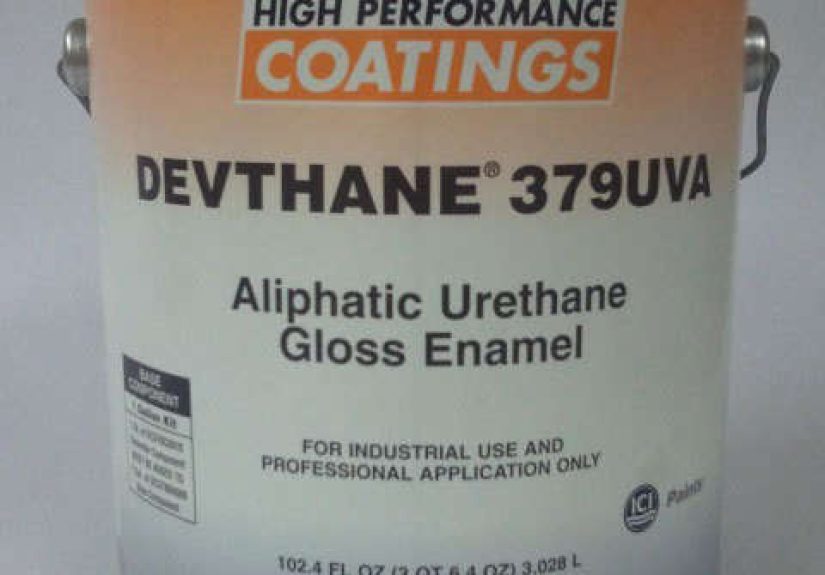
Devoe Devthane 379UVA Aliphatic Urethane Gloss Enamel Paint is a high-performance, two-component, chemically cured polyurethane finish. In plain English, it is not a simple one-can paint that dries only because the water or solvent evaporates. It uses a base component and an activator that react together to form a tougher, more chemically resistant coating film.
The “aliphatic urethane” part matters. Aliphatic polyurethane coatings are known for strong gloss retention, color stability, and resistance to ultraviolet light compared with many aromatic urethanes. That is why this type of finish is frequently used as a topcoat over prepared and primed surfaces in demanding environments. If epoxy is the hardworking bodyguard underneath, aliphatic urethane is often the polished suit on topdurable, professional, and much better at staying good-looking outdoors.
Devthane 379 is generally described as a gloss finish available in white, ready-mixed colors, and custom colors. Its typical use is as a finishing coat in systems where appearance and durability both matter. It can be used on properly prepared and primed steel, concrete, masonry, galvanized surfaces, aluminum, concrete block, drywall, plaster, poured concrete, and glazed brick.
Why This Paint Is Popular in Industrial and Commercial Projects
The main appeal of Devthane 379UVA gloss enamel paint is its balance of beauty and muscle. Many coatings give you one or the other. Some look fantastic on day one but fade, chalk, or scuff quickly. Others are tough but have the visual charm of a shipping container behind a warehouse. Devthane 379 aims to sit in the sweet spot: a bright, glossy, protective finish suitable for serious surfaces.
Gloss and Color Retention
Color retention is one of the biggest reasons specifiers choose aliphatic urethane coatings. Outdoor structures, metal buildings, machinery, and equipment are exposed to sunlight, moisture, pollutants, and temperature swings. A coating that dulls quickly can make a facility look neglected even when the asset is still structurally sound.
Devthane 379 is designed for situations where gloss and color retention are important. That makes it a practical choice for visible industrial assets such as exterior steel, control cabinets, transportation equipment, conveyors, machinery, pumps, and storage tank exteriors.
Chemical and Abrasion Resistance
A coating used in factories, food processing plants, hospitals, arenas, schools, dairies, or correctional facilities needs to survive more than sunshine. It may face cleaning chemicals, splashes, abrasion, maintenance traffic, and the general chaos of busy buildings. Devthane 379 is valued for its resistance to abrasion, chemicals, marring, scratching, chipping, and general wear.
No coating is magic. If someone drags a pallet jack across a floor like they are auditioning for a demolition derby, there will be consequences. Still, compared with many standard enamels, a properly specified urethane topcoat can provide a much more resilient finish.
Versatility Across Surfaces
One reason this product appears in industrial coating conversations is its wide range of compatible surfaces when used correctly as part of a coating system. Steel, aluminum, galvanized metal, concrete block, poured concrete, masonry, drywall, plaster, and fiberglass may all be potential candidates depending on preparation, primer selection, environment, and project requirements.
That last sentence includes the most important phrase in industrial painting: depending on preparation. High-performance coating is a team sport. The finish coat gets the applause, but surface preparation and primer compatibility do most of the invisible heavy lifting.
Key Product Characteristics
Devthane 379 is typically listed as a two-component polyurethane gloss finish with around 63% volume solids, a recommended dry film thickness commonly in the 2–3 mil range, and theoretical coverage of roughly 400 square feet per U.S. gallon at 2.5 mils dry film thickness. Actual coverage varies because real surfaces are not laboratory pancakes. Porosity, texture, overspray, application method, stripe coating, and jobsite conditions all affect usage.
The coating may be applied by professional methods such as spray, brush, or roller depending on the job. Airless spray is common in industrial work, while brush and roller may be used for smaller areas, edges, touch-up, or locations where spraying is not practical. Professional applicators follow the current product data sheet, safety data sheet, project specification, and local regulations before choosing equipment or application conditions.
Its glossy finish can make surfaces easier to visually inspect and clean compared with flat coatings. That matters in environments where appearance, sanitation, and maintenance routines overlap, such as food-related facilities, schools, hospitals, restaurants, stadiums, factories, and public-use buildings.
Best Uses for Devoe Devthane 379UVA
Devoe Devthane 379UVA is best understood as a professional-grade finish coat. It is not a casual weekend wall paint. It belongs in commercial, industrial, institutional, and maintenance projects where the surface must look good and resist demanding conditions.
Structural Steel and Metal Buildings
Steel is one of the classic homes for polyurethane topcoats. In a typical protective coating system, steel may be cleaned, primed with an appropriate corrosion-resistant primer, and finished with a urethane topcoat such as Devthane 379. The primer helps fight corrosion; the urethane helps protect the system while maintaining gloss and color.
For metal buildings, railings, exposed frames, platforms, and exterior architectural steel, a glossy aliphatic urethane can provide a clean, finished look that stands up better than ordinary enamel under weather exposure.
Machinery, Pumps, Motors, and Equipment
Equipment coatings are not just about making machines pretty, although nobody ever complained when a pump room stopped looking like a rusty submarine. A durable finish can help protect equipment housings, motors, conveyors, pumps, and control cabinets from abrasion, cleaning, and environmental exposure.
In settings where maintenance teams regularly inspect assets, a clean gloss finish can also make leaks, chips, or surface damage easier to spot.
Concrete Floors and Masonry
Devthane 379 may be used on properly prepared and primed concrete floors, poured concrete, concrete block, masonry, and glazed brick. These surfaces are especially demanding because concrete can hold moisture, dust, curing compounds, laitance, salts, and other contaminants. That is why surface evaluation and primer choice are critical.
For floors, the coating system must be selected with traffic, chemical exposure, slip resistance, cleaning procedures, moisture vapor, and substrate condition in mind. A glossy urethane finish can be attractive and durable, but it should be part of a complete flooring specification rather than a quick “paint it and hope” decision.
Institutional and Public Facilities
Schools, hospitals, restaurants, stadiums, correctional facilities, amusement parks, dairies, and food processing areas often require coatings that can tolerate cleaning and high use. Devthane 379 is frequently discussed for these “hard service” spaces because it can offer durability, cleanability, and strong appearance retention.
In public-facing environments, the coating must do two jobs at once: survive the building’s daily punishment and still look presentable when visitors walk by. That is a tough audition, but it is exactly the category where high-performance urethane finishes earn their keep.
Devthane 379UVA vs. Epoxy: What Is the Difference?
Epoxy and aliphatic urethane coatings are often used together, but they are not the same thing. Epoxy coatings are excellent for adhesion, corrosion protection, chemical resistance, and building thickness. However, many epoxies can chalk or yellow when exposed to ultraviolet light. That does not always mean the epoxy has failed, but it can hurt appearance.
Aliphatic urethane topcoats like Devthane 379 are often chosen when the project needs better exterior color and gloss retention. In many industrial systems, the epoxy is the strong foundation and the urethane is the durable, attractive top layer. It is a classic pairing: one brings the brawn, the other brings the shine.
For interior floors, equipment, and masonry, the choice depends on exposure. For exterior steel, equipment, and visible assets, an aliphatic urethane finish often has a clear appearance advantage over many epoxy-only systems.
Surface Preparation: The Make-or-Break Step
Industrial coating failures often begin before the can is even opened. Moisture, grease, dust, old loose paint, rust, curing compounds, mill scale, and surface defects can all interfere with coating performance. Devthane 379, like other professional coatings, requires surfaces to be clean, dry, sound, and properly primed.
Steel typically needs cleaning and an appropriate primer. Galvanized steel and aluminum may need removal of oil, dirt, and surface contamination followed by a compatible primer. Concrete may need proper curing, pH evaluation, laitance removal, profiling, and sealing. Previously painted surfaces need compatibility checks, removal of loose coating, cleaning, and dulling of glossy areas where appropriate.
The important takeaway is simple: the final gloss is only as good as the surface beneath it. Putting premium urethane over poor preparation is like wearing a tuxedo over muddy boots. From a distance, maybe it works. Up close, the truth arrives quickly.
Safety and Professional Handling
Because Devthane 379 is a two-component polyurethane coating, it is intended for professional use with proper safety controls. Products in this category may involve solvents and isocyanate-containing components, especially during mixing and spray application. That means the safety data sheet, local regulations, ventilation requirements, and appropriate personal protective equipment are not optional paperwork; they are part of the job.
Professional applicators should review the current safety data sheet before use, control vapors and spray mist, prevent ignition sources, protect skin and eyes, and follow respiratory protection requirements for the specific environment. In occupied buildings, scheduling, containment, odor control, cure time, and re-entry planning should be handled carefully.
For homeowners or casual DIY users, this is where the friendly warning bell rings: Devthane 379UVA is not the same as buying a quart of trim paint and touching up a bookshelf. It is an industrial coating system. When in doubt, involve a qualified coating contractor or consult the manufacturer’s current technical data.
How to Evaluate Whether Devthane 379UVA Is Right for a Project
Choosing a coating should start with the environment, not the color chart. A beautiful gloss finish is wonderful, but the coating system must match the service conditions. Before specifying or buying Devthane 379UVA, consider the following project questions:
- Is the surface steel, concrete, masonry, galvanized metal, aluminum, drywall, plaster, or fiberglass?
- Is the surface new, previously coated, weathered, contaminated, or damaged?
- Will the coating be exposed to sunlight, moisture, chemicals, abrasion, cleaning products, or temperature changes?
- Is gloss and color retention a priority?
- What primer is compatible with the substrate and service environment?
- Will professional ventilation, containment, and safety controls be available?
- Are VOC rules, facility requirements, or project specifications limiting product selection?
If the answer points toward a high-gloss, UV-resistant, durable topcoat over a properly prepared and primed surface, Devthane 379 becomes a strong candidate. If the project is a small, low-risk decorative repaint, it may be more coating than necessary.
Common Mistakes to Avoid
Skipping the Primer
Devthane 379 is a finish coat, not a universal problem solver. Skipping the right primer can lead to adhesion problems, corrosion, uneven appearance, or early failure. The correct primer depends on substrate and exposure.
Ignoring Recoat Windows
Two-component coatings cure chemically. Once a coating film passes certain cure stages, additional coats may not bond properly without surface preparation. Professional crews pay close attention to recoat windows because the coating does not care that the schedule got busy.
Applying Over Contaminated Surfaces
Oil, dust, moisture, and old loose paint are enemies of adhesion. A glossy topcoat may initially hide problems, but contamination eventually finds a way to announce itselfusually with peeling, fisheyes, poor wetting, or other expensive reminders.
Treating All Concrete the Same
Concrete can be surprisingly complicated. New concrete must cure, older concrete may be contaminated, and slabs may have moisture issues. Industrial floor coating should include evaluation before product selection.
Buying and Availability Notes
Devthane 379 is associated with North American availability and is sold through industrial coating channels, specialty coating suppliers, and professional distributors. Listings may describe kits that include the base and activator, commonly in a 4:1-by-volume system. Some suppliers offer standard colors such as high-hide white, black, clear gloss, or custom-color options.
Because industrial coating products can change by region, VOC rule, tint base, activator, and availability, buyers should verify the exact product code, color, kit size, activator, technical data sheet, and safety data sheet before ordering. A small code difference can matter more than it looks on a purchase order.
Real-World Experience: What It Feels Like to Work Around This Coating
Here is the practical, field-flavored version: Devthane 379UVA is the kind of coating people notice when a project has to look finished, not merely covered. On a maintenance job, you can often tell when a urethane topcoat has been used well. The surface has that crisp, reflective gloss that makes steel frames, cabinets, or machinery look newly commissioned instead of freshly disguised.
One common experience with high-gloss urethane systems is that they are unforgiving in a useful way. They reward careful preparation and punish shortcuts. If a primer has runs, dry spray, sanding scratches, or orange peel, the gloss topcoat may highlight those defects like a spotlight at a talent show. That is not a flaw in the coating; it is the finish telling the truth. The smoother and cleaner the undercoat, the better Devthane 379 can show off.
In equipment rooms, pump areas, and plant maintenance zones, a durable gloss coating can change how a space feels. Old industrial areas often become visually noisy: rust stains here, dull paint there, a few mystery smudges that nobody wants to identify. A properly selected urethane finish gives the area a more organized, professional appearance. It also makes future cleaning and inspection feel less like an archaeological dig.
On metal buildings or exterior equipment, the real value often shows months later. Standard paints may look fine right after application, but sun and weather quickly separate the serious coatings from the decorative ones. The reason people search for aliphatic urethane gloss enamel paint is that they want the finish to keep its color and shine longer. Nobody wants to repaint a large metal structure just because the coating got tired before the asset did.
For floors, the experience is more nuanced. A glossy urethane finish can look sharp and provide useful durability, but the floor must be evaluated honestly. Is there moisture vapor? Was the concrete cured properly? Are there oils from vehicles or machinery? Will forklifts, carts, or hot tires be part of the environment? Is slip resistance needed? A beautiful coating on a badly prepared slab is a very expensive lesson with a shiny surface.
Another field reality is odor and scheduling. High-performance solvent-based coatings can affect nearby operations, especially in occupied facilities. Smart project managers plan application around ventilation, shutdown windows, cure time, and re-entry needs. In schools, hospitals, restaurants, and public buildings, that planning is just as important as the coating itself. The paint may be excellent, but the schedule still needs manners.
Color selection also deserves more attention than people expect. White and light colors can brighten equipment rooms and make leaks or dirt easier to spot. Darker colors may hide scuffs but can show dust, scratches, or heat effects differently. Clear gloss may be useful in certain systems, but it is not a universal answer. The right color is not just a design choice; it is a maintenance decision.
The biggest lesson from products like Devthane 379UVA is that premium coatings are systems, not miracles. The product can deliver excellent performance when paired with the correct substrate preparation, primer, environmental controls, professional application, and realistic service expectations. It can also disappoint if treated like ordinary paint. The coating is strong, but it is not psychic. It cannot know that someone skipped cleaning, ignored moisture, or guessed at compatibility.
For facilities that need a glossy, durable, UV-resistant, professional-grade finish, Devoe Devthane 379UVA remains a serious name to consider. It is best suited for people who respect the process: evaluate the surface, select the system, follow the data, manage safety, and let the coating do what it was designed to do. When that happens, the result can be a finish that looks polished, protects hard-working surfaces, and quietly says, “Yes, this place has its act together.”
Conclusion
Devoe Devthane 379UVA Aliphatic Urethane Gloss Enamel Paint is a professional-grade coating designed for projects where appearance, durability, UV resistance, and long-term performance matter. It is most useful as a high-gloss finish coat over properly prepared and primed surfaces such as steel, concrete, masonry, galvanized metal, aluminum, drywall, plaster, and industrial equipment.
Its strengths include gloss retention, color stability, abrasion resistance, chemical resistance, and versatility across demanding commercial and industrial environments. However, its performance depends heavily on correct surface preparation, compatible primers, safe handling, and professional application. Treat it like an industrial coating systemnot a casual can of paintand it can deliver the kind of finish that keeps facilities looking cleaner, sharper, and better protected.