Table of Contents >> Show >> Hide
- The quick reality check: what an air purifier can (and can’t) do
- What dust actually is (spoiler: it’s not just “dirt”)
- How air purifiers capture dust
- Why you still see dust on surfaces (even with a purifier)
- How to choose an air purifier that actually helps with dust
- Setup tips that make a dusty difference
- Dust reduction beyond the purifier (the “it’s not just the gadget” plan)
- Who benefits most from an air purifier for dust?
- Common myths (and what’s actually true)
- Conclusion
- Bonus: Real-life experiences with dust and air purifiers (about )
If you’ve ever cleaned your coffee table, turned around for five seconds, and found a fresh layer of dust auditioning for a skincare commercial… you’re not alone. “Dust” is basically the glitter of adulthood: it appears out of nowhere, spreads everywhere, and makes you question your life choices.
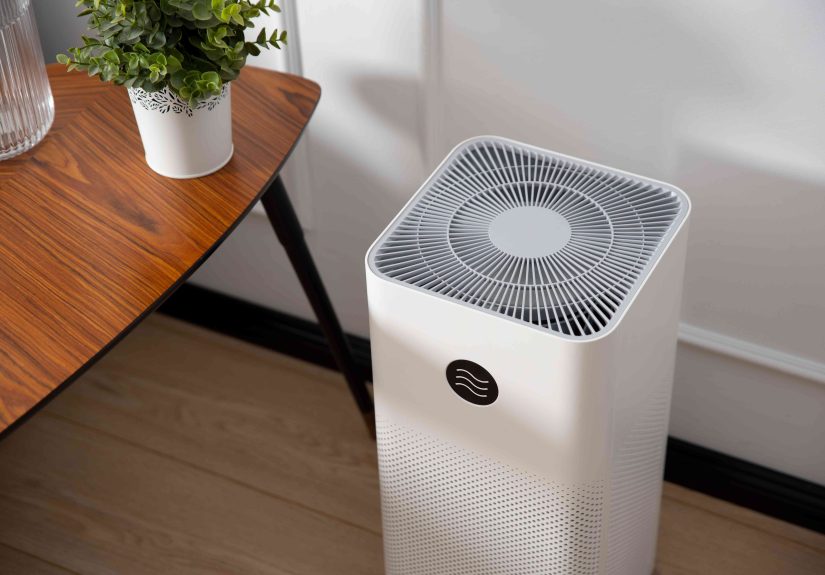
So, do air purifiers help with dust? Yeswith a big, important asterisk. A good air purifier can reduce the amount of dust floating in the air (the stuff you breathe), but it won’t magically erase the dust that has already settled on your shelves, floors, and that one picture frame you “styled” in 2019 and haven’t touched since.
The quick reality check: what an air purifier can (and can’t) do
Think of an air purifier like a bouncer at a club. It can stop new troublemakers (airborne particles) from hanging around, but it won’t escort out the people who already passed out on the couch (dust on surfaces). Dust settles because gravity is undefeated, and most of the “visible” dust you notice is already on furniturenot floating mid-air waiting to be captured.
The win here is still huge: less airborne dust can mean less irritation, fewer allergy flares, and less “why is my nose doing that?” energyespecially if you choose a purifier that’s sized correctly and uses a true HEPA filter.
What dust actually is (spoiler: it’s not just “dirt”)
Household dust is a mix of tiny particles from both inside and outside your home. It can include skin flakes, hair, textile fibers (hello, couch throw blanket), pet dander, pollen that sneaks in, soil tracked from outdoors, and debris related to dust mites (dust mites themselves aren’t usually airborne, but their allergen particles can be).
Some dust particles are large and heavy enough to fall quickly. Others are small enough to stay suspended longerespecially when you walk around, fluff pillows, make the bed, or vacuum like you’re training for a “Fast & Furious: Cleaning Edition” reboot.
How air purifiers capture dust
Most effective air purifiers work by pulling room air through a series of filters and then pushing the cleaned air back out. For dust, the most important parts are:
1) A pre-filter for the “big stuff”
Many units include a washable or replaceable pre-filter that catches larger particlesthink visible lint, pet hair, and chunkier dust. This protects the main filter and can extend its life.
2) A true HEPA filter for the fine stuff
HEPA filters are designed to capture very small particles efficiently. In plain English: they’re excellent at trapping the fine dust that can hang around in the air longer and irritate your nose, lungs, and eyes.
3) Enough airflow to matter (CADR)
Even the best filter doesn’t help if air isn’t actually moving through it. That’s where CADR (Clean Air Delivery Rate) comes in. CADR is a performance rating that tells you how much filtered air the purifier delivers, usually with separate scores for dust, pollen, and smoke. Higher CADR means faster particle removalassuming you’re using it in a room it’s actually sized for.
Why you still see dust on surfaces (even with a purifier)
Two reasons:
- Dust is constantly being generated. People shed skin cells. Fabrics shed fibers. Pets exist (adorably). Outdoor particles creep in. Dust is basically a subscription service you never signed up for.
- Most dust settles before it gets captured. The “dust you can see” on furniture is often made of larger particles that fall out of the air quickly. Your purifier can reduce what stays airborne, but it can’t reverse gravity.
The most realistic expectation: with a good setup, you may notice less “dusty smell,” fewer allergy symptoms, and slower dust buildup in certain roomsespecially bedrooms. But you’ll still need to dust and vacuum. Sorry. (If it helps, I’m mad about it too.)
How to choose an air purifier that actually helps with dust
Match the purifier to the room size (don’t guess)
The #1 reason people think “air purifiers don’t work” is undersizing. If you put a small purifier in a big open living room and run it on quiet mode, it’s like trying to cool a house with a desk fan.
Here’s a practical approach:
- Use the manufacturer’s recommended room size as a starting point (and be skeptical if it looks wildly optimistic).
- Look for a strong CADR ratingespecially the dust CADR.
- If you want noticeable results, plan to run the purifier at a medium-to-high fan speed during high-dust activities (cleaning, cooking, lots of foot traffic).
Prioritize “true HEPA” over “HEPA-ish vibes”
Marketing terms like “HEPA-type,” “HEPA-like,” or “99% filter” can be vague. For dust, you want a purifier that clearly states it uses a true HEPA filter (or an equivalent verified high-efficiency particulate filter) and provides performance ratings like CADR from a recognized standard.
Consider verification marks and standards
Look for signs the purifier’s performance was tested using recognized methods. Examples include third-party verification marks for CADR testing, or energy-efficiency labeling programs that require reporting CADR and power measurements.
Be cautious with ozone generators and “extra” technologies
Some devices intentionally emit ozone as part of their “cleaning” process. Ozone is not something you want to breathe for routine home air cleaning. If a product description sounds like it’s trying to sell you “fresh mountain air” from a box that makes ozone, take a step back.
Ionizers and other add-on technologies can vary. If you choose a model with ionization, look for reputable safety testing and low ozone emissions, and don’t let “features” distract from the fundamentals: HEPA + strong CADR + correct sizing.
Don’t ignore maintenance (filters are not immortal)
A clogged filter reduces airflow, which reduces performance. Translation: your purifier becomes an expensive fan with commitment issues. Follow the replacement schedule, and check your pre-filter frequently if you have pets, carpeting, or live in a dusty area.
Setup tips that make a dusty difference
Place it where air actually moves
Put your purifier where it can pull in dirty air without being blockedgenerally a few feet away from walls, furniture, and curtains. Avoid shoving it into a corner like it’s in time-out.
Keep doors closed when you can
Portable air purifiers work best in contained spaces. If you’re trying to clean the air in a bedroom, keep the bedroom door closed for longer stretches. Otherwise, you’re filtering the entire hallway, your living room, and possibly your neighbor’s vibes.
Run it strategically (and sometimes louder than you’d like)
Quiet mode is great for sleep, but dust removal improves with higher airflow. A smart strategy is “boost mode while you’re awake, quiet mode while you sleep.” Also: consider running the purifier on high for 30–60 minutes during or after dust-stirring activities (vacuuming, bedding changes).
Use it as part of a system, not a solo hero
Source control and ventilation matter. Reduce the dust you generate and bring in, then let the purifier mop up what becomes airborne. This combo approach is far more effective than expecting a single device to do all the work.
Dust reduction beyond the purifier (the “it’s not just the gadget” plan)
Upgrade your HVAC filter (if you have central air)
Your HVAC system can act like a whole-home air filterif you use a decent filter and replace it on schedule. Higher-efficiency filters (often discussed in terms of MERV ratings) can capture more airborne particles than basic filters, though you should confirm your system can handle the added resistance without reducing airflow too much.
Control humidity to reduce dust mite issues
If dust mites are part of your allergy problem, humidity control is a big deal. Keeping indoor humidity in a comfortable, lower range can make your home less welcoming to dust mites and mold. Dehumidifiers and air conditioning can help, depending on your climate.
Clean in a way that doesn’t re-launch dust into the air
- Use a damp microfiber cloth for dusting instead of dry dusters that fling particles.
- Vacuum with HEPA filtration if allergies are a concern.
- Wash bedding regularly to reduce dust mite allergen load.
- Consider shoes-off indoors to reduce tracked-in particles.
Who benefits most from an air purifier for dust?
If your main complaint is “my shelves look dusty,” an air purifier helps a little but not as much as better cleaning habits and source control. But if your complaint is “I wake up congested,” “my eyes itch,” or “my allergies hate me,” air purification becomes much more valuable.
People who often see the biggest payoff include:
- Allergy and asthma sufferers (especially those sensitive to dust mite allergens, pet dander, or pollen)
- Pet owners (dander + fur + tracked-in outdoors = the holy trinity of “why is the air spicy?”)
- Homes with carpeting or lots of fabrics (more fibers, more particle reservoirs)
- Urban or high-pollen areas where outdoor particles frequently get inside
Common myths (and what’s actually true)
Myth: “If I buy a purifier, I won’t have to dust anymore.”
Truth: You’ll still dust. But you may notice the air feels cleaner and you’re less sneezy, and dust may accumulate a bit more slowly in the rooms where you run it consistently.
Myth: “Any purifier will do.”
Truth: Filter type and airflow matter. A correctly sized true HEPA purifier with strong CADR is dramatically more effective than an undersized unit or a vague “HEPA-like” box.
Myth: “I can run it on low and get the same result.”
Truth: Lower fan speed usually means lower clean air delivery. If dust is your main target, you’ll get better results running it higher when possibleespecially during dusty activities.
Conclusion
Air purifiers can absolutely help with dustthe airborne part. If you choose a true HEPA model, size it properly for your space, and actually run it enough to cycle the room air, you can reduce the dust you breathe and often improve allergy and asthma comfort.
But dust on surfaces is a different battle. The best results come from a two-pronged plan: reduce dust sources + filter what becomes airborne. Do that, and you’ll spend less time rage-dusting your shelves… or at least you’ll have a better reason to postpone it.
Bonus: Real-life experiences with dust and air purifiers (about )
In real homes, people tend to notice air-purifier “wins” in a few predictable momentsespecially when they stop expecting the purifier to be a Roomba for their bookshelf.
1) The bedroom effect. One of the most common experiences is waking up with fewer symptomsless dry throat, less morning congestion, fewer “mystery sneezes.” Bedrooms are perfect for purifiers because they’re usually smaller and easier to keep closed off. When someone runs a properly sized HEPA purifier overnight, they’re basically giving themselves a mini clean-air bubble for 6–9 hours. Many people describe it as “the air feels lighter” or “I’m not stuffy when I wake up.” That doesn’t mean the room is dust-freeit means fewer particles are floating around long enough to irritate them.
2) Cleaning day becomes less brutal. A funny twist is that people often “feel” dust more during cleaning because dusting and vacuuming stir particles up. When the purifier is running on a higher setting during and after cleaning, the air tends to clear faster. Some folks describe it like this: “I can dust the room without it turning into a sneeze festival.” The purifier isn’t removing the dust you wiped off the tableit’s catching some of what you accidentally launched back into the air while cleaning.
3) Pet households notice less ‘fuzzy air.’ Pet owners frequently report that the room feels less “hairy” (yes, that’s not a scientific term, but you know what it means). A pre-filter can catch fur and larger lint, while the HEPA filter grabs dander and finer particles. People also notice filters getting dirty faster in pet homesan oddly satisfying confirmation that the purifier is collecting what would otherwise circulate. The most realistic feedback is: “I still vacuum, but I don’t feel like I’m breathing in the couch.”
4) Dust still shows up… just differently. Here’s the honest part: many people still see dust on shelves and screens, and they get annoyed because they expected a miracle. After a few weeks, the expectation often shifts. Instead of asking, “Why is there still dust?” they start asking, “Is the dust building up more slowly?” Some report less rapid buildup in the specific room where the purifier runs continuously, especially if that room stays closed and has fewer dust reservoirs (less carpeting, fewer heavy fabrics). Others see no change on surfaces but notice big comfort improvements in breathingwhich is arguably the point.
5) The biggest “aha” is sizing and fan speed. People who upgrade from a too-small purifier (or who stop running it only on low) often experience the most dramatic difference. It’s not that the first purifier “didn’t work”it just didn’t move enough clean air to keep up with the room’s dust load. Once the purifier is matched to the space, the benefits feel less subtle: less visible haze in sunlight beams, fewer allergy triggers after making the bed, and a general sense that the room stays fresher between cleanings.
In other words: the best real-life experiences come when a purifier is treated like part of the home systemrun consistently, maintained properly, and paired with habits that reduce dust in the first place. It won’t erase dust. But it can make “dust season” feel a lot less personal.