Table of Contents >> Show >> Hide
- Do Chia Seeds Go Bad… or Just Get Sad?
- Best-By Date vs. Expiration Date: What That Label Actually Means
- How Long Do Chia Seeds Last?
- How to Tell If Chia Seeds Have Gone Bad
- If They’re Rancid, Will They Make You Sick?
- How to Store Chia Seeds So They Last (and Don’t Get Weird)
- How Long Does Chia Pudding Last in the Fridge?
- Common “Is This Still Okay?” Scenarios
- Don’t Forget Recalls: “Bad” Can Also Mean “Not Safe”
- FAQ: Do Chia Seeds Go Bad?
- Conclusion
- Real-World Experiences: What Chia Seed “Badness” Looks Like in the Wild (and What to Do)
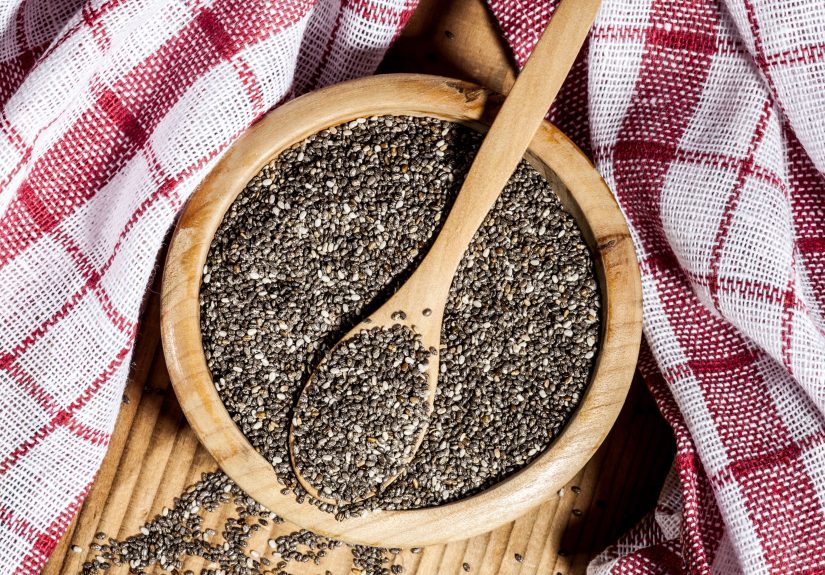
Chia seeds are tiny overachievers: they thicken smoothies, turn into pudding, and somehow end up in every “healthy pantry staples” list.
Which raises a very real question when you find a half-used bag hiding behind the oats: Do chia seeds go bad?
The short answer: yesbut they usually “go bad” in a slow, sneaky way (quality fades, oils oxidize, flavor turns weird) rather than an
instant, dramatic spoilage moment. The longer answer is what you’re here for, so grab your jar of chia and let’s play detective.
Do Chia Seeds Go Bad… or Just Get Sad?
Chia seeds are naturally dry and relatively stable, which is why they’re famous for a long shelf life. But they still contain fats (including omega-3s),
and fats can oxidize over time. That oxidation is what we call rancidityand rancid foods don’t always look “spoiled.” They just taste
like disappointment.
Meanwhile, chia seeds can also truly spoil if they’re exposed to moisture (think humidity, wet spoon, steam from the stove, or a container
that doesn’t seal well). Moisture can invite mold or clumping and can turn your “superfood” into a science project.
Best-By Date vs. Expiration Date: What That Label Actually Means
Most chia seed packages use a best-by date. That’s typically about quality, not a magical moment when the seeds become dangerous
at midnight like a pantry Cinderella story. Chia seeds can be fine past the date if stored well, but flavor and nutrition may gradually decline.
Translation: the label is a helpful guide, not a curse. Your senses (smell, taste, sight) matter more than the calendar.
How Long Do Chia Seeds Last?
Shelf life depends on three villains: heat, light, and moisture. Keep chia seeds cool, dry, and sealed,
and they can last a long time. Here’s a practical rule-of-thumb guide for best quality.
Quick Shelf-Life Guide (Best Quality)
| Chia Type | Where You Store It | Typical “Best Quality” Window |
|---|---|---|
| Whole chia seeds (unopened) | Cool pantry | Often multiple years if sealed and dry |
| Whole chia seeds (opened) | Airtight container in pantry | Many months to a couple of years (quality varies) |
| Whole chia seeds (opened) | Refrigerator | Can stay high-quality longer than pantry storage |
| Whole chia seeds (opened) | Freezer | Longest quality runway (great for bulk bags) |
| Ground chia (chia “meal”) | Fridge or freezer | Shorter than whole seedsuse sooner |
| Soaked chia / chia gel / chia pudding | Refrigerator | A few days (make it, chill it, eat it) |
Why the ranges? Because chia seeds don’t live identical lives. A sealed bag in a cool pantry is not the same as an opened pouch living above your toaster
like it’s trying to tan.
How to Tell If Chia Seeds Have Gone Bad
The good news: you don’t need lab equipment. You need your senses and a tiny bit of courage.
1) The Smell Test (Your #1 Superpower)
Fresh chia seeds smell mildalmost neutral, maybe faintly nutty. If you open the container and get hit with any of these vibes, it’s time to say goodbye:
- Rancid oil (like old cooking oil)
- Paint-like / chemical-ish (the “why does this smell like a hardware store?” moment)
- Musty (basement energy)
2) The Taste Test (Only If It Passes Smell + Visual)
If it smells okay and looks okay, taste a few seeds. Chia should taste mild. If you notice bitterness, sourness, or an “off” flavor,
that points to oxidized fats and declining quality.
3) The Visual Check (Look for Moisture Trouble)
- Mold: obvious deal-breaker. Toss immediately.
- Clumping: chia seeds can clump if they’ve picked up moisture. A little static cling is fine; damp clumps are not.
- Discoloration: a dull, grayish cast or odd spotting can signal age or moisture exposure.
- Pantry pests: if you see insects or webbing… congrats, you’re running a chia-themed Airbnb. Throw it out.
4) Texture & Behavior Clues
Chia’s party trick is absorbing liquid and gelling. If your seeds barely gel anymore, that can be a sign they’re old or have been stored poorly.
(Not always unsafe, but a strong hint that quality has left the building.)
If They’re Rancid, Will They Make You Sick?
Here’s the nuance: rancid chia seeds usually aren’t “food poisoning” dangerous in the way raw chicken is. Rancidity is mainly about
oxidationflavor, aroma, and possibly some nutrient loss. That said, eating rancid foods is unpleasant, and some people may experience stomach upset.
The bigger safety concern is moisture-related spoilage (mold) or contamination issues (like recalls). If you suspect
mold, contamination, or anything truly “off,” toss them. Your body is not a compost bin.
How to Store Chia Seeds So They Last (and Don’t Get Weird)
Pantry Storage (Best for Daily Use)
- Use an airtight container (glass jar or tightly sealed pantry container).
- Keep it cool, dry, and darknot next to the stove or in direct sunlight.
- Don’t use a wet spoon. Chia seeds + moisture = chia seeds + regret.
Refrigerator Storage (Best for Long-Term Freshness)
Refrigeration slows oxidation and helps preserve flavorespecially useful if you buy chia in bulk or live somewhere humid.
Just store them in a truly airtight container so they don’t absorb fridge odors (nobody wants “leftover onion chia pudding”).
Freezer Storage (Best for Bulk Bags and Maximum Shelf Life)
Freezing is the “pause button” for quality. It’s especially helpful for big bags that take months to finish.
Use a freezer-safe airtight container or bag, squeeze out excess air, and label the date.
What About Ground Chia?
Ground chia has more surface area exposed to oxygen, so it tends to lose freshness faster than whole seeds. If you use chia meal, store it in the
fridge or freezer and aim to use it sooner rather than later.
How Long Does Chia Pudding Last in the Fridge?
Once chia seeds are soaked, you’ve changed the game. Now you’re dealing with a moist, ready-to-eat food that should be treated like leftovers.
- Chia gel / soaked chia: typically keeps for a few days in an airtight container in the refrigerator.
- Chia pudding: usually best within a few days; watch for sour smells, separation, or mold.
Pro tip: If you meal-prep chia pudding, portion it into small jars so you’re not repeatedly opening the same container and introducing air, moisture,
and whatever else is happening in your fridge.
Common “Is This Still Okay?” Scenarios
Scenario A: “My chia seeds are past the best-by date but smell fine.”
If they pass the smell test and taste normal, they’re likely okay from a practical standpoint. Use them soon and consider moving them to the fridge/freezer.
Scenario B: “They smell a little like old oil.”
That’s rancidity knocking. Toss them. You can try to mask it in smoothies, but bitterness has a way of haunting everything it touches.
Scenario C: “There are clumps.”
If the clumps are dry and break apart easily, it might be static or minor settling. If they’re damp, sticky, or suspicious, moisture got indiscard.
Scenario D: “They were stored above the stove.”
Heat accelerates oxidation. The seeds may go rancid sooner even if they look normal. Smell + taste tests are your best friends here.
Don’t Forget Recalls: “Bad” Can Also Mean “Not Safe”
Sometimes seeds aren’t “bad” because they’re oldthey’re unsafe because of a contamination issue. Food recalls happen, and they don’t care how beautifully
you labeled your pantry jars.
Make it a habit to check recalls occasionally (especially if you buy big brands in bulk). If a product is recalled, follow the instructionsdon’t taste-test
your way through a safety notice.
FAQ: Do Chia Seeds Go Bad?
Can chia seeds last 5 years?
They can, especially when stored cold (refrigerator or freezer) and kept very dry and airtight. “Best quality” is the key phraseflavor and freshness may
decline over time even if they aren’t obviously spoiled.
Do chia seeds need refrigeration after opening?
Not strictly, but refrigeration can help preserve freshnessespecially in warm or humid kitchens, or if you don’t use them often.
What do rancid chia seeds taste like?
Bitter, sharp, or “off.” Sometimes the flavor is subtle at first, then your smoothie tastes like you blended a candle. Trust your taste buds.
Can I freeze chia seeds?
Yes. Freezing is one of the best ways to keep them fresh long-term. Store airtight and label the date for sanity.
Are black chia seeds and white chia seeds different for shelf life?
Not in a way most people will notice. Storage conditions matter far more than seed color.
Conclusion
Sodo chia seeds go bad? Absolutely. They can turn rancid (hello, bitter taste), pick up moisture (hello, clumps and mold), or be impacted
by safety issues like recalls. But if you store them airtight, cool, and dryand use the fridge/freezer for long-term storagechia seeds can stay fresh for a
long time.
The best strategy is simple: store smart, sniff first, taste second, and toss anything suspicious. Your future self (and your next smoothie)
will thank you.
Real-World Experiences: What Chia Seed “Badness” Looks Like in the Wild (and What to Do)
Let’s talk about the situations that actually happen in real kitchensbecause most of us don’t store chia seeds in a climate-controlled vault guarded by
nutritionists. We store them wherever they fit, promise ourselves we’ll “use them every day,” and then… time happens.
The Bulk-Bag Optimist
You buy the giant bag because it’s a great deal, and you’re feeling ambitious. A month later, you’re still using two tablespoons at a time, which means the
bag is basically a long-term relationship. If you keep that bag in a warm pantry (or worse, near the stove), the seeds may start smelling faintly like old
oil before you ever reach the bottom. The fix is easy: pour half into an airtight jar for daily use, and freeze the rest. That way you’re not opening the
same container 200 times and feeding it warm air and humidity.
The “Why Does My Smoothie Taste Like Bitter Almonds?” Moment
This is classic rancidity. Chia seeds don’t always look different when the oils start oxidizing, so you won’t get a dramatic warning. Instead, you’ll notice
your smoothie has a strange bitter edgeor your chia pudding tastes “sharp,” like it’s offended you tried to make it healthy. If the bag smells even slightly
paint-like, don’t negotiate. Toss it. Rancid flavor doesn’t improve with positive thinking.
The Humidity Villain (A.K.A. The Clump Situation)
In humid climates or during rainy seasons, chia seeds can absorb moisture from the air if the container isn’t truly airtight. You open the jar and find small
clumps that don’t break apart easily. Sometimes it’s as simple as a lid that wasn’t sealed all the way, or a scoop that went into the jar right after
stirring a wet bowl of oats. If you see damp clumps, or anything that looks like it’s starting to “cake,” toss it. Moisture is how you go from “superfood”
to “mystery biology.”
The Meal-Prep Hero Who Made Too Much Chia Pudding
Chia pudding is amazinguntil day five, when it starts smelling tangy in a way that’s not part of the recipe. If you’re meal-prepping, portion into small
containers and keep them tightly sealed. Eat within a few days and keep an eye out for sour smells, separation, or mold. If the fruit topping looks fuzzy or
the pudding smells “fermented,” do not take a brave bite. Being brave is for roller coasters, not questionable leftovers.
The “It’s Past the Date, But It Seems Fine” Debate
Many people have used chia seeds past the best-by date with zero issuesbecause best-by is mainly about quality. The smart approach is to treat the date like a
nudge to inspect: smell, look, taste. If everything checks out, use them sooner and store the rest cold to protect freshness. If anything feels off, toss
them. Chia seeds are cheaper than an entire ruined batch of baked goods (or the emotional damage of a bitter breakfast).
Bottom line: the most common “bad chia” experiences come from heat, humidity, and time. Your best defense is airtight storage, cooler temperatures, and
trusting your senses. Your chia seeds should make your meals betternot make you wonder if you just ate a spoonful of 2019.