Table of Contents >> Show >> Hide
- What Is Christmas Disease or Hemophilia B?
- Why Is It Called Christmas Disease?
- Causes and Genetics of Hemophilia B
- How Common Is Hemophilia B?
- Types and Severity Levels
- Symptoms of Hemophilia B
- When Hemophilia B Becomes an Emergency
- How Hemophilia B Is Diagnosed
- Treatment Options for Hemophilia B
- Living Well With Factor IX Deficiency
- Practical Home Management Tips
- Carrier Symptoms and Women’s Health
- Emotional and Social Impact
- Experiences Related to Christmas Disease or Hemophilia B
- Conclusion
Christmas disease, better known today as hemophilia B, is a rare inherited bleeding disorder that sounds festive but has absolutely nothing to do with ugly sweaters, gingerbread cookies, or December shopping chaos. The name comes from Stephen Christmas, a young patient whose case helped researchers identify the disorder in the 1950s. In medical terms, hemophilia B happens when the body does not make enough working clotting factor IX, often shortened to FIX. Without enough FIX, blood has trouble forming strong clots, which can lead to prolonged bleeding after injuries, dental work, surgery, or sometimes no obvious injury at all.
Although hemophilia B is lifelong, modern treatment has changed the story dramatically. Today, people with factor IX deficiency can often go to school, work, exercise, travel, raise families, and build full lives with the right care plan. The key is understanding the condition, recognizing bleeding signs early, and working closely with a hemophilia treatment center or a hematologist. Think of factor IX as one important player on the body’s “clotting team.” When that player is missing or not doing the job well, the team needs a smart substitute strategy.
What Is Christmas Disease or Hemophilia B?
Hemophilia B is a genetic bleeding disorder caused by missing, low, or defective clotting factor IX. Clotting factors are proteins in the blood that help stop bleeding. When a person has hemophilia B, the clotting process starts but may not finish properly. As a result, bleeding can last longer than expected, and internal bleeding may occur in joints, muscles, or organs.
The condition is also called factor IX deficiency. It is less common than hemophilia A, which involves factor VIII. Both disorders affect clotting, but they are not identical. A person with hemophilia B needs treatment that specifically addresses factor IX, not factor VIII. This distinction matters because using the wrong factor is like bringing a bicycle pump to fix a flat car tire: enthusiastic, but not useful.
Why Is It Called Christmas Disease?
The name “Christmas disease” comes from Stephen Christmas, the first patient whose case contributed to the recognition of hemophilia B as different from hemophilia A. Researchers discovered that some patients who appeared to have hemophilia did not lack factor VIII. Instead, they lacked another clotting factor, later named factor IX. The historical nickname stuck, but many clinicians now prefer “hemophilia B” or “factor IX deficiency” because these names are clearer and less confusing.
Causes and Genetics of Hemophilia B
Hemophilia B is usually caused by a change, or mutation, in the F9 gene, which provides instructions for making factor IX. The F9 gene is located on the X chromosome. Because males typically have one X chromosome and one Y chromosome, a harmful change on their single X chromosome can cause the disorder. Females typically have two X chromosomes, so one working copy may partly compensate for the changed copy. However, carriers can still have low factor IX levels and bleeding symptoms.
Many cases are inherited, but not all. Some people are the first in their family known to have hemophilia B because of a spontaneous genetic mutation. That means a family can have no known history of hemophilia and still have a child diagnosed with the condition. Genetics, like Wi-Fi passwords, can be surprisingly complicated even when everyone swears they wrote things down correctly.
How Common Is Hemophilia B?
Hemophilia B is rare. In the United States, hemophilia overall affects a relatively small number of people, and hemophilia B accounts for a smaller share than hemophilia A. It primarily affects males, but females and people assigned female at birth can be carriers and may experience symptoms, especially heavy menstrual bleeding, bleeding after childbirth, or prolonged bleeding after surgery or dental procedures.
Types and Severity Levels
The severity of hemophilia B depends on how much working factor IX is present in the blood. Doctors usually classify it as mild, moderate, or severe.
Mild Hemophilia B
People with mild hemophilia B may not bleed often. They might discover the condition only after surgery, a serious injury, tooth extraction, or unusual bruising. Mild cases can be tricky because the person may look perfectly healthy until the body faces a clotting challenge.
Moderate Hemophilia B
Moderate hemophilia B can cause bleeding after minor injuries and may sometimes lead to spontaneous bleeding. Joint and muscle bleeds are possible, especially during childhood or active sports years.
Severe Hemophilia B
Severe hemophilia B can cause spontaneous bleeding, especially into joints and muscles. Repeated joint bleeding can damage cartilage and bone over time, leading to chronic pain, stiffness, and reduced mobility. Preventive treatment is especially important for severe cases.
Symptoms of Hemophilia B
Symptoms vary by severity, age, treatment access, and activity level. Common signs of hemophilia B include:
- Prolonged bleeding after cuts, dental work, surgery, or injury
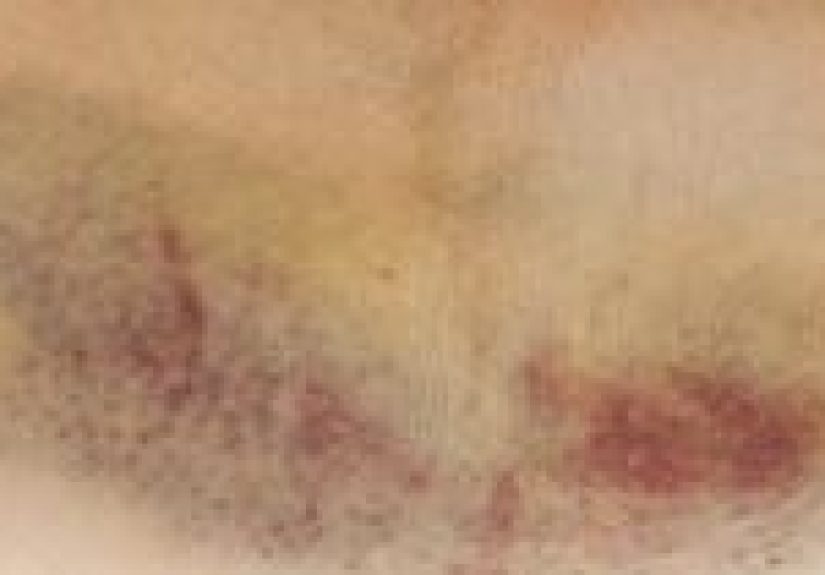
- Large or deep bruises
- Frequent nosebleeds without a clear cause
- Blood in urine or stool
- Swollen, warm, painful, or tight joints
- Muscle swelling, pain, or limited movement
- Unusual bleeding after vaccinations or injections
- In babies, unexplained irritability, bruising, or bleeding after procedures
Joint bleeding is one of the most important symptoms to recognize. A knee, ankle, or elbow may feel warm, tingly, tight, or painful before swelling becomes obvious. Early treatment can reduce damage. Waiting for a joint bleed to “walk itself off” is not a heroic strategy; it is more like letting a tiny plumbing leak become an indoor waterfall.
When Hemophilia B Becomes an Emergency
Some bleeding episodes need urgent medical care. Emergency warning signs include head injury, severe headache, vomiting after trauma, sudden weakness, neck pain, difficulty breathing, severe abdominal pain, black or bloody stool, blood in urine, or swelling that affects nerves or circulation. Any suspected bleeding in the brain, throat, abdomen, or deep muscle should be treated seriously.
People with hemophilia B should have an emergency plan that includes their diagnosis, baseline factor IX level, treatment product, dose instructions, allergies, hematologist contact information, and the nearest emergency department familiar with bleeding disorders. A medical alert bracelet or digital medical ID can also help in urgent situations.
How Hemophilia B Is Diagnosed
Diagnosis usually begins with personal and family bleeding history, followed by blood tests. Screening tests may show delayed clotting, but specific factor assays are needed to measure factor IX activity. If factor IX activity is low, hemophilia B may be diagnosed. Genetic testing can identify the specific F9 gene change, help with family planning, and clarify carrier status among relatives.
Newborns with a family history of hemophilia may be tested soon after birth. In families without known history, diagnosis may happen after unusual bruising, prolonged bleeding from circumcision, bleeding after immunizations, or joint swelling when a child becomes more mobile.
Treatment Options for Hemophilia B
Treatment has improved significantly. The goal is no longer simply “stop the bleeding eventually.” The modern goal is to prevent bleeds, protect joints, support normal development, and reduce treatment burden whenever possible.
Factor IX Replacement Therapy
The main treatment for hemophilia B is factor IX replacement therapy. This therapy adds the missing clotting factor into the bloodstream, usually through an intravenous infusion. Factor IX products may be used on demand to treat a bleed or on a regular preventive schedule known as prophylaxis.
Some factor IX products are standard half-life, while others are extended half-life products designed to stay in the body longer. Extended half-life therapy may reduce infusion frequency for some patients. The best choice depends on bleeding pattern, age, veins, activity level, insurance coverage, inhibitor history, and personal preference.
Prophylaxis
Prophylaxis means taking treatment regularly to prevent bleeding before it starts. For people with severe hemophilia B, prophylaxis can reduce spontaneous bleeds and help protect joints. It is especially valuable for children because joint damage can begin early and accumulate over time.
Non-Factor Therapies
Newer non-factor treatments may help prevent bleeding by changing how the clotting system balances itself. These therapies do not replace factor IX directly, but they can reduce bleeding frequency in eligible patients. Because they work differently, patients still need a plan for breakthrough bleeds, surgery, trauma, and emergency care.
Gene Therapy
Gene therapy is one of the biggest developments in hemophilia B care. FDA-approved gene therapies for certain adults with hemophilia B are designed to deliver working instructions that help the body produce factor IX. These treatments are not for everyone, and they require careful screening, liver monitoring, long-term follow-up, and discussion of benefits and risks. Gene therapy is exciting, but it is not a casual “set it and forget it” phone update. It is a major medical decision that should be made with specialists.
Living Well With Factor IX Deficiency
Living with hemophilia B means planning smarter, not living smaller. Many people with the condition participate in school, careers, travel, and fitness. The trick is matching activity choices with medical guidance. Swimming, walking, cycling, strength training with supervision, and low-impact exercise may support joint health. High-collision sports may carry more risk and should be discussed with a hemophilia care team.
Good dental care is also important because dental procedures can trigger bleeding. Regular checkups, brushing, flossing, and preventive care can reduce the need for major dental work. Before dental extraction or surgery, the care team should create a factor coverage plan.
Practical Home Management Tips
Families and patients often become very skilled at recognizing early bleeding signs. A practical home plan may include keeping treatment supplies organized, tracking bleeds, learning infusion techniques if appropriate, using protective gear for children, and maintaining communication with schools, coaches, dentists, and emergency providers.
Children with hemophilia B should not be wrapped in bubble wrap, tempting as that may sound after the third playground incident. Instead, they need safe boundaries, protective equipment, informed adults, and confidence. Overprotection can make a child fearful; education can make a child capable.
Carrier Symptoms and Women’s Health
Female carriers are sometimes told they are “just carriers,” but that phrase can minimize real symptoms. Carriers may have low factor IX levels and experience heavy menstrual bleeding, easy bruising, postpartum bleeding, or prolonged bleeding after procedures. Girls and women with a family history of hemophilia B should be offered testing and appropriate care. A bleeding disorder should never be dismissed simply because the patient is female.
Emotional and Social Impact
Hemophilia B affects more than blood. It can influence confidence, family routines, school attendance, finances, insurance paperwork, and mental health. Parents may worry about every bruise. Teenagers may feel frustrated by restrictions. Adults may feel tired of coordinating treatments, appointments, and approvals. These feelings are normal. Support groups, social workers, mental health professionals, and bleeding disorder organizations can make the journey less lonely.
Experiences Related to Christmas Disease or Hemophilia B
The experience of living with hemophilia B often changes from stage to stage. For many families, the first stage is confusion. A baby may bruise more than expected, bleed longer after a small procedure, or develop swelling that does not seem normal. Parents may feel shocked by the diagnosis, especially when there is no known family history. The medical words can arrive like alphabet soup: FIX, F9, aPTT, prophylaxis, inhibitors. At first, it may feel as if everyone else received the instruction manual except you.
Over time, many families move from fear to skill. They learn which bruises are ordinary and which ones deserve a call. They learn how a joint bleed may feel before it looks dramatic. They learn to pack factor, paperwork, ice packs, and snacks with the seriousness of someone preparing for a tiny expedition. A parent who once panicked at every bump may become the calmest person in the room because they have a plan.
School brings another layer of experience. Children with hemophilia B often want to do what every other child does: run, climb, race, and occasionally make questionable decisions involving playground equipment. The goal is not to isolate them but to educate the adults around them. Teachers, school nurses, coaches, and caregivers should know the child has hemophilia B, understand emergency steps, and avoid medications that can increase bleeding risk unless approved by the care team. With the right plan, school can feel normal instead of medically complicated.
Teenagers may struggle with independence. Some may dislike treatment schedules or feel embarrassed explaining hemophilia to friends. Others become strong self-advocates early, learning to speak up before sports, dental work, or trips. This stage is where education matters deeply. A teen who understands factor IX deficiency is more likely to recognize symptoms, follow treatment, and avoid risky silence. Nobody wants a lecture, of course, but practical conversations usually work better than dramatic speeches worthy of a medical soap opera.
For adults, hemophilia B often becomes a balancing act between health, work, relationships, insurance, and long-term joint care. Some adults have joint damage from years when treatment was less advanced. Others have grown up with prophylaxis and have fewer complications. Many think carefully about careers, exercise, travel, and family planning. Genetic counseling can help people understand inheritance patterns and options before having children.
One common experience across ages is the importance of being believed. People with hemophilia B may look healthy while having a serious internal bleed. A swollen joint, deep muscle bleed, or head injury may not look dramatic at first. Friends, schools, workplaces, and emergency teams should take symptoms seriously. The phrase “you don’t look sick” is not helpful. Blood, famously, does not care about appearances.
The most encouraging experience is that life with hemophilia B can be active, ambitious, and joyful. Treatment is not always convenient, and the condition demands respect, but it does not erase personality, goals, humor, or possibility. With specialized care, preventive treatment, emergency planning, and support, many people with Christmas disease build lives that are not defined by bleeding. They simply learn to carry knowledge the way others carry keys: essential, familiar, and always better to have before you need it.
Conclusion
Christmas disease, or hemophilia B, is a rare inherited disorder caused by low or defective factor IX. It can lead to prolonged bleeding, joint bleeds, muscle bleeds, and serious complications if not managed properly. But the outlook today is far better than it once was. Factor IX replacement therapy, prophylaxis, specialized hemophilia treatment centers, non-factor options, and gene therapy have transformed care. The most important steps are early diagnosis, personalized treatment, emergency planning, and strong education for patients and families.
Note: This article is for educational use only and should not replace medical advice. Anyone with suspected hemophilia B, unusual bleeding, or a known factor IX deficiency should consult a qualified hematologist or hemophilia treatment center.