Table of Contents >> Show >> Hide
- What Is a Roof Cupola?
- Why Homeowners Add Cupolas
- Styles and Shapes: Picking a Look That Fits
- Materials: What Cupolas Are Made Of (and What That Means for You)
- Cupola Sizing: The Rule of Thumb (and How to Use It Without Regret)
- Venting Cupolas and Attic Ventilation: Reality Check (So You Don’t Accidentally Make Things Worse)
- Roof Pitch, Placement, and Proportions
- Installation Overview: What’s Actually Involved
- Cost: What to Budget for a Roof Cupola
- Maintenance: Keeping Your Cupola Looking Sharp
- FAQ
- Real-World Cupola Experiences (the “Stuff Nobody Mentions Until After the Ladder Comes Out” Section)
- Conclusion
Cupolas are the roof’s version of a well-chosen hat: sometimes practical, sometimes purely fashionable,
and almost always a conversation starter. They can make a plain garage look like it has a backstory,
give a farmhouse that “yes, I own boots” vibe, andwhen designed for ithelp move hot, stale air out
of an attic or barn. The trick is knowing what you’re actually buying: a decorative crown, a working
vent, or a little bit of both.
This guide breaks down cupola types, materials, sizing, ventilation reality checks, installation basics,
costs, and the small decisions that separate “classic architectural detail” from “why is my roof leaking?”
(Spoiler: flashing. It’s always flashing.)
What Is a Roof Cupola?
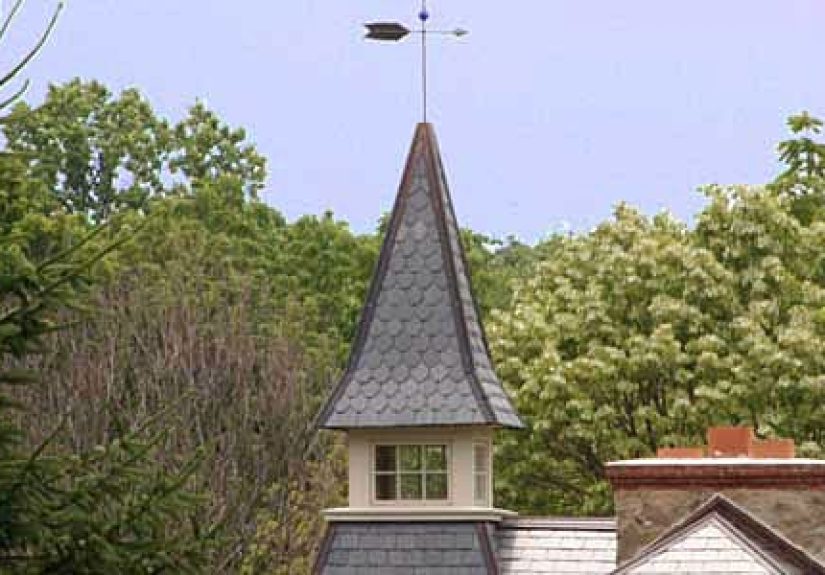
A cupola is a small structure that sits on top of a roofoften dome-like or tower-likewith windows,
louvers, or open sides. Historically, cupolas were used as roof lanterns (letting in daylight), lookouts,
and natural ventilation outlets that let rising warm air escape. Today, you’ll see them on homes, garages,
barns, sheds, and even commercial buildings as a signature architectural feature.
Decorative vs. Functional Cupolas
Modern cupolas fall into two broad categories:
- Decorative cupolas: Installed for curb appeal. They may have faux louvers or windows
and are usually sealed at the roof deck. - Functional (venting) cupolas: Designed with real louvers/openings and installed over
a roof opening so hot air, moisture, or barn odors can exhaust naturally.
You can also find “hybrid” setups: a cupola that looks traditional but is built to vent, sometimes paired
with screens, dampers, or interior baffles to control weather and pests.
Why Homeowners Add Cupolas
1) Instant character and better proportions
Cupolas add vertical interest. If your roofline feels long and flatlike it’s missing a punchlinea well-sized
cupola can visually “finish” the silhouette. They’re especially popular on garages, barns, and larger homes
where the roof can look oversized without a focal point.
2) Passive ventilation (when designed and installed correctly)
Warm, moist air rises. A venting cupola placed near the roof peak can help exhaust that airparticularly in
barns, workshops, and some attic setups. In agricultural buildings, cupolas historically helped release heat,
humidity, and odors, improving comfort for livestock and protecting stored hay from moisture issues.
3) A home for a weathervane (and your personality)
Cupolas are the traditional base for weathervanes. Whether you pick a classic rooster, a sailboat, or a horse,
it’s one of the few socially acceptable ways to put a giant metal opinion on your roof.
Styles and Shapes: Picking a Look That Fits
Cupolas come in common architectural flavors:
- Square base: The most common for homes, garages, and barns.
- Octagonal: Traditional and slightly dressier, often paired with windows.
- Round or domed: More classical; common on civic buildings and some historic homes.
- Bell-shaped or pagoda-style: A more dramatic roof profile, often used as a statement piece.
Pro tip: match the cupola’s style to your home’s architecture and roof geometry. A sleek modern house can
absolutely wear a cupolabut it needs clean lines and a restrained finish, not something that looks borrowed
from a 1700s meetinghouse.
Materials: What Cupolas Are Made Of (and What That Means for You)
Material choice affects durability, maintenance, weight, and price. Here’s how the common options stack up.
Vinyl / Cellular PVC
Popular for a reason: it’s lightweight, resistant to moisture, and generally low-maintenance. Many vinyl/PVC
cupolas can be cleaned with mild soap and water and may be paintable with the right paint. They’re a practical
choice for harsh weather and for homeowners who don’t want a “roof hobby.”
Wood (Cedar or Pine)
Wood cupolas look authenticespecially on historic or farmhouse-style homes. Cedar naturally resists decay better
than many woods, but all wood cupolas require ongoing maintenance: paint or stain upkeep, inspection for rot, and
careful sealing. If you love the look and don’t mind seasonal care, wood can be worth it.
Metal Roofs (Copper, Aluminum, Steel)
Many cupolas use a different material for the roof than for the base. Copper is the classic: it’s corrosion-resistant
and develops a patina over time. Aluminum is lighter and often factory-finished. Steel can be strong and cost-effective,
but coatings matter for corrosion resistance. If you live in coastal or high-exposure areas, pay attention to how
materials handle salt air and UV.
Cupola Sizing: The Rule of Thumb (and How to Use It Without Regret)
The most widely used sizing method is based on unbroken roofline length (often measured along the ridge).
Many manufacturers and builders use a rule of thumb in the range of:
about 1 inch to 1.5 inches of cupola base width per 1 foot of unbroken roofline.
A simple sizing example
Let’s say your garage roofline (the ridge length or the unbroken run where the cupola will sit) is about 24 feet.
Using the rule of thumb:
- Conservative look: 24″ to 30″ base width (about 1″–1.25″ per foot)
- Bold/large-scale look: 36″ base width (about 1.5″ per foot)
Both can look greatthe right answer depends on your roof pitch, building height, and how “statement piece” you want it to be.
When to size up (or use multiples)
- Taller buildings: Two-story (or visually tall) structures often need a larger cupola to look proportional.
- Steeper roof pitch: A steep roof can make a cupola look smaller than it measuresso modest upsizing may help.
- Long buildings: If the roofline is very long (for example, big barns or shops), two smaller cupolas can look more balanced than one giant one.
Venting Cupolas and Attic Ventilation: Reality Check (So You Don’t Accidentally Make Things Worse)
A venting cupola can help exhaust hot airbut it shouldn’t be treated as a magic substitute for a complete, balanced
ventilation plan. For typical residential attics, best practice usually focuses on balanced intake and exhaust
(often soffit vents for intake and ridge or high vents for exhaust), plus good air sealing at the ceiling plane.
Net Free Area (NFA) basics
Ventilation is often discussed in terms of net free area (the actual open area that air can pass through after
screens and louvers). Common rules of thumb referenced in guidance and code discussions are ratios like
1 square foot of NFA per 150 square feet of attic floor areaand in some cases
1:300 if certain conditions are met (such as balanced intake/exhaust and appropriate vapor control).
When a venting cupola makes the most sense
- Barns and agricultural buildings: Excellent fitremoving heat, moisture, and odors is the original use-case.
- Workshops: Helpful when you want passive exhaust for heat buildup (especially with compatible intake vents).
- Some attic setups: Potentially useful, but only when integrated with a proper ventilation strategy and not fighting other vent paths.
Important note: if your attic is part of a conditioned space design (for example, a sealed/insulated roof deck),
adding a vented opening can conflict with the building envelope strategy. In that case, talk to a qualified
contractor who understands building science before cutting holes in your roof.
Roof Pitch, Placement, and Proportions
Roof pitch matters for fit
Cupolas sit on a curb or base that must match the roof pitch for stability and weather-tightness. Many manufacturers
provide pitch-specific curbs or flashing kits. If your roof is unusually steep or shallow, confirm compatibility before ordering.
Where cupolas look (and work) best
- Near the ridge: Visually centered and, for venting models, positioned where hot air naturally collects.
- Centered on the structure: Most homes and garages look best with the cupola centered left-to-right.
- Aligned with architectural “anchors”: For example, centered over garage doors or the main entry axis.
Installation Overview: What’s Actually Involved
Installing a cupola is part carpentry, part roofing, and part “don’t let water win.” Even decorative models typically require
secure fastening to framing. Venting models add the complexity of cutting an opening and weatherproofing it correctly.
Typical installation steps (high level)
- Plan the location: Confirm centering, spacing, and roof structure below.
- Build or place the curb: A curb creates a stable base and helps match roof pitch.
- For venting cupolas, cut the roof opening: Done carefully to avoid damaging framing and to maintain structural integrity.
- Install underlayment and flashing: This is the leak-prevention core. The flashing must integrate with shingles/roofing material correctly.
- Fasten the cupola to framing: Secure attachment matters for wind and uplift forces.
- Seal and finish: Caulking, trim, paint (if applicable), and optional weathervane installation.
The biggest risk: leaks
If you remember one thing, make it this: a cupola is a roof penetration. Roof penetrations must be flashed correctly,
lapped correctly, and sealed correctlyor the roof will eventually collect “indoor rain.” If you’re not comfortable
with flashing details, hire a roofer who is.
Cost: What to Budget for a Roof Cupola
Pricing varies widely based on size, materials, whether it’s venting, roof complexity, and whether you install it yourself.
As a broad reality check:
- Small, basic decorative cupolas: a few hundred dollars is common.
- Mid-size cupolas (often 24"–36" class): commonly land in the high hundreds to a couple thousand dollars depending on materials and design.
- Installed costs: professional installation can push totals into the low-to-mid thousands, especially for larger units or when roofing work is needed.
- Custom, large, or premium copper builds: can go much higher.
Is it “worth it”?
For most homeowners, cupolas are a curb-appeal play, not a payback calculation. That said, they can meaningfully improve
the look of a home (especially garages) and can provide practical ventilation benefits in the right buildings.
“Worth it” usually comes down to: (1) you love the look, (2) it fits the architecture, and (3) it’s installed correctly.
Maintenance: Keeping Your Cupola Looking Sharp
Quick upkeep checklist
- Inspect yearly: look for cracked caulk, loose fasteners, and any staining on ceilings below.
- Clean gently: mild soap and water for many vinyl/PVC units; avoid harsh chemicals.
- For wood: maintain paint/stain and watch joints and edges for moisture intrusion.
- For copper: decide whether you want it to patina naturally (many people do). If you want it bright, expect periodic cleaning and protection.
- Check screens and louvers: venting cupolas should keep pests out while allowing airflow.
FAQ
Do cupolas actually ventilate an attic?
A venting cupola can exhaust rising warm air, but it’s not automatically a complete attic ventilation system.
It works best when paired with adequate intake ventilation and a coherent strategy (and it may be inappropriate
for sealed/conditioned attic designs).
Will a cupola increase the chance of leaks?
Any roof penetration can leak if flashed incorrectly. A properly installed cupola with correct curb/flashing integration
should be weather-tight, but sloppy flashing is a common failure point.
Can I install a cupola myself?
If it’s purely decorative and your roof access is safe, a skilled DIYer can sometimes handle it. For venting cupolasor
for steep roofs, complex roofing materials, or high-wind zonesprofessional installation is strongly recommended.
Real-World Cupola Experiences (the “Stuff Nobody Mentions Until After the Ladder Comes Out” Section)
Homeowners tend to have one of two cupola origin stories. In the first, they saw a gorgeous garage with a crisp white cupola
and a shiny weathervane and thought, “My roof deserves a little joy.” In the second, they walked into a sweltering workshop
in July, looked up, and thought, “This building is basically a toaster.” Both motivations are valid. Both end with you
Googling roof pitch at 11:47 p.m.
The most common “I’m glad I did this” feedback is about proportion. People are shocked by how much a cupola can
visually tidy up a roofline. A long garage that used to look like a plain rectangle suddenly looks intentionallike it belongs
on a postcard that also sells jam. But that glow-up happens when the size is right. Folks who undersize often say the cupola
looks like a decorative salt shaker perched on top of a warehouse. On the flip side, oversizing can feel like the roof is
wearing a top hat to a pool party. The sweet spot is the one that reads as “part of the architecture,” not “new roof accessory.”
For venting cupolas, experiences are more mixedand the difference is usually the ventilation plan, not the cupola itself.
People with barns and workshops report noticeably better comfort, especially when there’s a clear path for air to enter low
and exit high. The building feels less stuffy; humidity behaves better; odors clear faster. Homeowners trying to “solve” a hot
attic with a cupola alone often discover a hard truth: airflow needs balance. If the attic can’t breathe in, it can’t breathe out.
Several owners end up adding or improving soffit vents, sealing ceiling leaks, or coordinating the cupola with existing ridge or
roof vents for the best results.
The most dramatic “I wish I’d known” stories revolve around water management. Even a beautiful cupola can become a
villain if the flashing details aren’t dialed in. Homeowners who hired a roofer with real flashing experience tend to forget
about the cupola (which is the highest compliment you can give a roof penetration). Those who cut corners sometimes notice
small staining weeks or months lateroften after wind-driven rain. The fix is usually straightforward, but nobody enjoys paying
twice for the same square foot of roof.
And finally, the weathervane crowd: expect compliments from neighbors you’ve never met. A surprising number of people will
wave at you while pointing at your roof, like you just installed a friendly lighthouse. The best “experience tip” is to choose
a weathervane you genuinely like (not just what’s trending) because you’ll see it for years. Also: birds may consider it a fancy
new hangout. If you don’t want rooftop wildlife meetings, plan for cleaning and consider deterrents that don’t turn your roof into
a medieval battlefield.
Conclusion
Cupolas are one of the rare home upgrades that can be both charming and functionalan architectural detail that adds personality
without remodeling your entire life. Choose the right style, pick durable materials, size it thoughtfully, and treat installation
like the roofing job it is. Do that, and your roof gets a timeless finishing touch that looks great from the street and (optionally)
helps your building breathe.