Table of Contents >> Show >> Hide
- Where Did “Feed a Cold, Starve a Fever” Come From?
- The Verdict: Fiction, But With a Better Rule
- Why Hydration Matters More Than the Saying
- What to Eat When You Have a Cold
- What to Eat When You Have a Fever
- Should You Force Yourself to Eat?
- Foods and Drinks to Limit When Sick
- What About Fever Reducers?
- When to Call a Doctor
- Practical Sick-Day Meal Plan
- Why the Immune System Needs Fuel
- So, Should You Feed a Cold and Starve a Fever?
- Real-Life Experience: What This Advice Looks Like at Home
- Conclusion
“Feed a cold, starve a fever” sounds like the kind of wisdom that has survived because it must be true. It is short, memorable, and just bossy enough to feel medical. Unfortunately, like many old health sayings, it is more catchy than accurate. Modern medical guidance is much less dramatic: when you have a cold, a fever, the flu, or a mystery bug that has turned your couch into your headquarters, your body needs fluids, rest, and enough nutrition to keep the immune system doing its job.
The real answer is not “feed one illness and starve the other.” It is: hydrate always, eat what you can, choose gentle nourishing foods, and do not force a feast when your appetite has packed a suitcase and left town. A fever can reduce appetite, and a cold can make food taste like wet cardboard, but intentionally starving yourself is not a smart recovery strategy.
So, is “feed a cold, starve a fever” fact or fiction? Mostly fiction, with one tiny grain of practical truth hiding under a blanket: when you are sick, listening to your body matters. The trick is knowing what your body is actually asking for.
Where Did “Feed a Cold, Starve a Fever” Come From?
The phrase is often traced back several centuries, when people believed that colds and fevers needed opposite treatment. A cold was associated with chilliness, so eating warm food seemed like a way to “stoke the fire.” A fever, on the other hand, already felt hot, so avoiding food seemed like a way to cool the body down.
It is easy to see why the idea stuck. When people have a cold, they may crave soup, tea, toast, or soft foods. When they have a fever, they may feel nauseated, weak, sweaty, or uninterested in eating. The old saying took those common experiences and turned them into a rule. The problem is that the rule is too simple for how illness actually works.
Today, doctors understand that a fever is not “extra heat” that needs to be starved. A fever is part of the immune response. Your body raises its temperature because immune signaling has shifted the thermostat. That process takes energy. Your heart may beat faster, you may breathe a little quicker, and you may lose more fluid through sweating. In other words, a fever is not a good time to treat your body like a phone at 2% battery and refuse to plug it in.
The Verdict: Fiction, But With a Better Rule
The better rule is simple: feed both a cold and a fever gently, and hydrate both generously.
You do not need to eat a giant meal. Nobody is asking you to defeat influenza with a lasagna. But your body benefits from steady fluids and easy-to-digest nutrition. Soups, broths, fruit, oatmeal, yogurt, smoothies, rice, bananas, toast, eggs, and other mild foods can help provide calories, protein, vitamins, minerals, and comfort.
If you are truly not hungry for a short period, that is usually not an emergency for a healthy adult. Appetite often drops during illness. But intentionally fasting through a fever, especially for more than a short time, can backfire. Poor intake may leave you weaker, more dehydrated, and less able to recover comfortably.
Why Hydration Matters More Than the Saying
If this article had a refrigerator magnet version, it would say: “Hydrate a cold, hydrate a fever.” Not as poetic, perhaps, but much more useful.
Colds and fevers can both increase fluid needs. With a cold, you may breathe through your mouth, blow your nose repeatedly, or deal with a scratchy throat. With a fever, sweating and faster breathing can increase fluid loss. If vomiting or diarrhea joins the party, dehydration becomes an even bigger concern.
Good fluid choices when you are sick
Water is the classic option, but it is not the only one. Clear broth, warm tea, diluted juice, oral rehydration solutions, electrolyte drinks, ice pops, and soups can all help. Warm liquids may also soothe a sore throat and temporarily loosen mucus, which is why chicken soup has remained the unofficial mascot of sick days.
Try small, frequent sips if your stomach is unsettled. A few ounces every 10 to 15 minutes can be easier than forcing a full glass. Your goal is not to win a water-drinking contest; it is to keep your body supplied with enough fluid to function.
Signs you may not be getting enough fluids
Watch for dark urine, dizziness, dry mouth, extreme thirst, confusion, very little urination, rapid heartbeat, or unusual sleepiness. In children, warning signs may include no tears when crying, fewer wet diapers, dry lips, or unusual lethargy. Dehydration can become serious, especially in babies, older adults, and people with chronic health conditions.
What to Eat When You Have a Cold
A cold usually brings nasal congestion, sneezing, coughing, sore throat, watery eyes, and the kind of fatigue that makes folding a blanket feel like a construction project. Since colds are caused by viruses, antibiotics do not treat the common cold. Supportive care is the main approach: rest, fluids, symptom relief, and time.
When your nose is blocked, your sense of taste can disappear. That is why sick-day food should be simple, warm, and easy to swallow. You are not trying to impress a food critic. You are trying to help your body recover while avoiding foods that make you feel worse.
Best cold-friendly foods
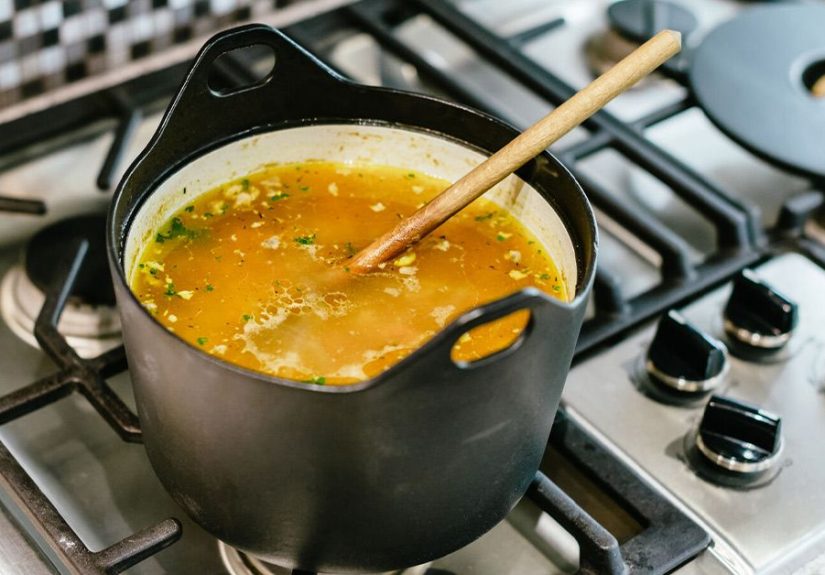
Chicken soup or vegetable soup: Warm, hydrating, salty enough to be appealing, and gentle on the throat. It is comfort in a bowl, plus steam for your nose.
Oatmeal: Soft, warm, easy to digest, and simple to upgrade with banana, honey, cinnamon, or nut butter.
Yogurt: A good option if dairy sits well with you. Contrary to a common myth, milk and dairy do not automatically create more phlegm for everyone, though some people dislike the mouthfeel when congested.
Fruit: Oranges, berries, applesauce, bananas, and melon can provide fluids and nutrients. Citrus may sting if your throat is very sore, so choose what feels good.
Eggs, beans, tofu, fish, or chicken: Protein helps maintain strength and supports normal immune function. Keep portions small if your appetite is low.
Warm tea with honey: Honey can soothe cough in adults and children over age 1. Never give honey to babies under 12 months.
What to Eat When You Have a Fever
A fever can make food sound about as appealing as chewing a receipt. That does not mean you must starve. It means you should choose foods that are gentle, hydrating, and manageable.
Fever often comes with body aches, chills, sweating, headache, and fatigue. Your appetite may naturally drop because your immune system is busy and inflammatory signals can affect hunger. The goal is not to force a full dinner. The goal is to prevent dehydration and provide enough energy to avoid feeling more depleted.
Fever-friendly foods
Broth-based soups: Easy to sip, easy to digest, and helpful for fluid and sodium intake.
Toast, crackers, rice, or potatoes: Plain carbohydrates can be useful when nausea is present.
Bananas and applesauce: Mild, soft, and often tolerated well.
Smoothies: A simple blend of fruit, yogurt, milk, or a non-dairy alternative can provide calories and fluids without requiring much chewing.
Small protein portions: Eggs, shredded chicken, lentils, or tofu can help if you can tolerate them.
Ice pops or chilled fruit: These can be soothing if you feel hot or have a sore throat.
Should You Force Yourself to Eat?
No. Forcing food when you are nauseated can make you feel worse. But there is a big difference between not forcing a meal and deliberately starving yourself because an old rhyme told you to.
If you have little appetite, aim for small portions every few hours. Try half a banana, a few crackers, a cup of broth, a spoonful of yogurt, or a smoothie. If solid food feels impossible, calorie-containing fluids can help bridge the gap. Soup, milk, oral nutrition drinks, smoothies, and electrolyte solutions may be easier than a plate of food.
If you cannot keep fluids down, have signs of dehydration, or are unable to eat for more than a day or two, it is wise to contact a healthcare professional. This is especially important for children, older adults, pregnant people, and anyone with diabetes, kidney disease, heart disease, immune suppression, or other chronic conditions.
Foods and Drinks to Limit When Sick
Some foods will not ruin your recovery, but they may make symptoms less pleasant. When you are sick, your stomach, throat, and energy level may all be more sensitive than usual.
Alcohol
Alcohol can worsen dehydration, interfere with sleep, and interact dangerously with some medications. The hot toddy may have a cozy reputation, but your immune system is not sending it a thank-you card.
Too much caffeine
A little tea or coffee may be fine for some adults, but large amounts of caffeine can make you jittery and may not be ideal if you are already dehydrated or sleeping poorly.
Greasy or heavy meals
Fried foods, rich sauces, and very fatty meals can be harder to digest, especially with fever, nausea, or stomach symptoms.
Very sugary foods
A popsicle or a little juice can be useful, especially for fluids and comfort. But relying mainly on candy, soda, and desserts will not give your body much protein, fiber, or micronutrient support.
Spicy foods
Spicy soup may temporarily open your sinuses, but it can also irritate a sore throat or upset your stomach. Use your own tolerance as the judge.
What About Fever Reducers?
Many fevers do not need aggressive treatment if they are mild and you are otherwise stable. Fever is part of the immune response, not automatically a villain. However, fever reducers such as acetaminophen or ibuprofen can help you feel more comfortable, sleep better, and drink fluids more easily.
Always follow the label directions. Acetaminophen is found in many cold and flu products, so taking multiple medicines at the same time can accidentally lead to too much. Ibuprofen may not be appropriate for everyone, including some people with kidney disease, stomach ulcers, certain heart conditions, or specific medication risks. Aspirin should not be given to children or teenagers with viral illnesses because of the risk of Reye’s syndrome.
Medication can reduce discomfort, but it does not replace fluids, rest, or medical care when warning signs appear.
When to Call a Doctor
Most common colds improve with home care. Many fevers also resolve as the body fights the infection. Still, some symptoms deserve prompt medical attention.
Call a healthcare professional if a fever is very high, lasts more than a few days, returns after improving, or comes with severe symptoms. Seek urgent help for trouble breathing, chest pain, confusion, stiff neck, severe dehydration, bluish lips, persistent vomiting, seizures, a new widespread rash, or extreme weakness.
For infants, fever is more urgent. A baby under 3 months with a rectal temperature of 100.4°F or higher should be evaluated by a healthcare professional. Children who are unusually sleepy, not drinking, struggling to breathe, or showing signs of dehydration should also be checked promptly.
Practical Sick-Day Meal Plan
Here is a simple example of how to “feed” an illness without turning recovery into a cooking show.
Morning
Start with water or warm tea. If you can eat, try oatmeal with banana, toast with egg, or yogurt with berries. If your throat hurts, a smoothie may be easier.
Midday
Have soup, broth, rice, crackers, or a small sandwich. Keep a water bottle nearby and sip regularly. If you are sweating from fever, include fluids with some electrolytes or salt, such as broth or an oral rehydration solution.
Afternoon
Try fruit, applesauce, a small bowl of noodles, or tea with honey. Rest is part of the plan. The dishes can wait. They are not going anywhere, tragically.
Evening
Choose a light dinner: soup, baked potato, scrambled eggs, rice with vegetables, or a small serving of chicken or tofu. Avoid heavy foods if your stomach feels unsettled. Continue fluids before bed, but do not drink so much that you spend the night commuting to the bathroom.
Why the Immune System Needs Fuel
Your immune system is not a magical floating shield. It is made of cells, proteins, chemical signals, tissues, and organs that require energy and nutrients. During infection, the body may need more support, not less.
Protein helps build and repair tissues and supports immune cell function. Carbohydrates provide usable energy. Healthy fats play roles in cell structure and inflammation regulation. Vitamins and minerals such as vitamin C, vitamin D, zinc, iron, selenium, and B vitamins are involved in normal immune processes. This does not mean megadoses cure colds. It means a balanced diet matters, especially over time.
One orange will not perform a dramatic rescue mission. But a pattern of nourishing foods can help your body do what it is already designed to do.
So, Should You Feed a Cold and Starve a Fever?
No. The phrase is a medical myth dressed up as kitchen wisdom. A better approach is to feed your body according to appetite, hydrate consistently, rest seriously, and use symptom relief safely when needed.
If you have a cold, warm foods and fluids can soothe symptoms. If you have a fever, fluids are essential and light foods can help maintain energy. In both cases, you should avoid dehydration, skip alcohol, be careful with medications, and get medical help when symptoms are severe or unusual.
The modern version of the saying should probably be: “Feed a cold, feed a fever, and please stop making your immune system work the night shift without snacks.”
Real-Life Experience: What This Advice Looks Like at Home
The old saying becomes most interesting when it leaves the page and walks into an actual kitchen. Anyone who has cared for a sick child, partner, roommate, parent, or themselves knows that illness rarely follows perfect wellness rules. You can have the best intentions and still end up standing in front of the pantry wearing a blanket like a cape, wondering whether crackers count as dinner. On sick days, practical care matters more than perfection.
A common experience with colds is that hunger does not always disappear, but enjoyment does. Congestion can flatten flavor. Crunchy foods may scratch the throat. Cold drinks may feel refreshing one minute and irritating the next. This is why soup has earned its legendary status. It is warm, flexible, forgiving, and does not require much effort. A bowl of chicken noodle soup, vegetable broth, pho-style broth, or rice porridge can feel like a small act of civilization when the rest of the day has become tissues, cough drops, and dramatic sighing.
With fever, the experience can be different. A person may feel chilled under blankets, then sweaty an hour later. Appetite can vanish. Even favorite foods may seem too heavy. In that situation, the best “feeding” plan may look very modest: a few sips of broth, half a banana, a piece of toast, applesauce, or an electrolyte drink. That still counts. Feeding a fever does not mean eating like it is Thanksgiving. It means giving the body something useful when it can tolerate it.
Parents often learn this lesson quickly. A feverish child may reject a full meal but accept ice pops, small spoonfuls of soup, or tiny sips from a favorite cup. The goal becomes less about finishing food and more about keeping fluids going. The same idea applies to adults. When someone is sick, smaller offerings work better than one large plate. A bedside setup with water, tissues, thermometer, medicine instructions, crackers, and a trash bag can feel more helpful than a complicated recipe.
Another real-world lesson is that comfort has value. Food does not need to be a miracle cure to be useful. Tea with honey can soothe. Toast can settle the stomach. A smoothie can provide calories when chewing feels like a personal attack. Soup can make a person feel cared for. That emotional comfort does not replace medical treatment, but it can make recovery feel less miserable.
The most practical experience-based takeaway is this: do not turn sickness into a nutrition exam. You do not need a perfect immune-boosting menu. You need steady fluids, gentle nourishment, rest, and common sense. If symptoms are mild, home care may be enough. If symptoms are severe, prolonged, or alarming, medical advice matters more than any proverb. The body is already doing hard work. Your job is to support it, not starve it because a centuries-old rhyme had good branding.
Conclusion
“Feed a cold, starve a fever” is fiction. It survives because it is memorable, not because it reflects modern medical understanding. Both colds and fevers can increase the need for fluids, and both can leave the body tired, uncomfortable, and in need of support. Eating lightly when appetite is low is fine. Skipping food briefly because you feel nauseated is understandable. But intentionally starving a fever is not recommended.
The smarter strategy is to drink plenty of fluids, eat gentle nutrient-rich foods as tolerated, rest, and monitor symptoms. Choose soup, broth, oatmeal, yogurt, fruit, toast, rice, eggs, smoothies, and other simple foods that feel manageable. Avoid alcohol, be cautious with caffeine, and use fever reducers safely according to label directions. Most importantly, seek medical care when symptoms are severe, unusual, or not improving.
Old sayings can be charming. Your immune system, however, prefers evidence over folklore.