Table of Contents >> Show >> Hide
Food allergies are the kind of dinner-party drama nobody asked for. One minute someone is reaching for a cookie, and the next their immune system is acting like it just spotted a supervillain in the dessert tray. Unlike food preferences, food sensitivities, or the classic “I ate too much cheese and now I regret everything,” a true food allergy is an immune system reaction to a specific food protein. And because even tiny amounts can trigger symptoms in some people, this is not a condition to shrug off with a casual “just pick around it.”
Food allergies can affect children and adults, and the symptoms range from annoying to life-threatening. Some people get itching in the mouth or a few hives. Others may develop vomiting, throat tightness, wheezing, dizziness, or anaphylaxis, which is a severe allergic reaction that needs emergency treatment. The good news is that food allergies can be managed well with the right diagnosis, a solid treatment plan, and a little label-reading detective work.
This guide breaks down the symptoms, causes, diagnosis, treatment options, and day-to-day reality of living with food allergies, without turning the article into a medical textbook wearing khakis.
What is a food allergy?
A food allergy happens when the immune system mistakes a food protein for a dangerous threat. Instead of minding its own business, the immune system releases chemicals such as histamine and other inflammatory signals. That reaction can affect the skin, digestive tract, lungs, throat, and cardiovascular system.
In many cases, food allergies are IgE-mediated, meaning immunoglobulin E antibodies are involved. These reactions often happen quickly, usually within minutes and sometimes within a couple of hours after eating the trigger food. Not every allergy follows the same pattern, though, and not every reaction looks identical each time. That unpredictability is one of the reasons food allergies require real respect.
It is also important to separate a food allergy from a food intolerance. A food intolerance may cause bloating, gas, or stomach upset, but it does not involve the same immune response and does not cause anaphylaxis. In simple terms, lactose intolerance is miserable; a peanut allergy can be an emergency. Those are not the same league, sport, or stadium.
Common food allergy symptoms
Food allergy symptoms can show up fast, and they can affect more than one body system at the same time. A person may start with lip itching and suddenly develop hives, stomach cramps, and coughing. In other cases, symptoms are milder and stay limited to the mouth or skin.
Skin symptoms
- Hives
- Redness or flushing
- Itching
- Swelling of the lips, face, eyelids, or skin
- Worsening eczema in some people
Digestive symptoms
- Nausea
- Vomiting
- Abdominal pain or cramping
- Diarrhea
Respiratory symptoms
- Itchy mouth or throat
- Hoarseness
- Throat tightness
- Coughing
- Wheezing
- Shortness of breath
- Nasal congestion
Circulatory and whole-body symptoms
- Dizziness or lightheadedness
- Weakness
- Fainting
- A drop in blood pressure
- A sense that something is very wrong
Anaphylaxis: the emergency version
Anaphylaxis is a severe allergic reaction that can become life-threatening very quickly. Warning signs include trouble breathing, throat swelling, repeated vomiting, widespread hives, sudden dizziness, fainting, or symptoms affecting multiple body systems at once. This is not the moment for “Let’s wait and see.” The first-line treatment is epinephrine, followed by emergency medical evaluation.
Antihistamines may help with itching or hives, but they do not replace epinephrine for anaphylaxis. That distinction matters. A lot.
What causes food allergies?
The immediate cause of a food allergy is an immune system overreaction to a specific food protein. But the bigger question is why some people develop food allergies and others do not. Researchers are still working on the full answer, but several factors appear to play a role.
1. Genetics and family history
Food allergies tend to be more common in people with a personal or family history of allergic conditions such as eczema, asthma, hay fever, or other allergies. That does not guarantee someone will develop a food allergy, but it can increase the odds.
2. Immune system behavior
In people with food allergies, the immune system identifies a normally harmless food protein as dangerous. That mistaken identity leads to antibody production and a cascade of chemical signals during exposure.
3. Age
Food allergies often begin in infancy or childhood, but adults can develop them too. Adult-onset shellfish allergy, for example, is common enough to keep seafood lovers humble.
4. Other allergic conditions
People with eczema and other atopic conditions may have a higher likelihood of food allergy. There is also overlap with conditions like pollen-food allergy syndrome, in which certain raw fruits, vegetables, or nuts cause itching or tingling in the mouth because the immune system confuses food proteins with pollen proteins.
5. Cross-reactivity and cross-contact
Some allergies are related because proteins are similar across foods. For instance, certain tree nuts may cross-react with other tree nuts, and some seafood allergies cluster within related groups. Cross-contact is a different problem: that is when a safe food accidentally touches an allergen during preparation, such as using the same knife, cutting board, fryer, or spoon.
The most common trigger foods
Technically, any food can trigger an allergic reaction. In the United States, though, nine foods account for most major food allergies and labeling rules focus heavily on them:
- Milk
- Egg
- Peanut
- Tree nuts
- Wheat
- Soy
- Fish
- Crustacean shellfish
- Sesame
These foods show up in obvious places and in sneaky ones. Sesame may hide in buns, spice blends, crackers, and sauces. Milk can appear as whey or casein. Egg may show up in baked goods, dressings, or specialty drinks. Wheat is everywhere, as anyone who has ever tried to read a processed-food label knows.
Some allergies are more commonly outgrown than others. Children may outgrow allergies to milk, egg, soy, and wheat more often than peanut, tree nut, fish, or shellfish allergies, which are more likely to persist. But “more likely” is not the same as “always,” so follow-up with an allergist matters.
How food allergies are diagnosed
Diagnosing a food allergy is not as simple as taking one test and calling it a day. Good diagnosis usually combines three things: the person’s reaction history, testing, and expert interpretation. That matters because false positives happen, and unnecessary food avoidance can create stress, cost, and nutritional problems.
Medical history
The allergist will ask questions like:
- What food was eaten?
- How much was eaten?
- How quickly did symptoms start?
- What symptoms occurred?
- Did the reaction happen more than once?
- Were exercise, illness, or alcohol involved?
Skin prick testing and blood testing
Skin and blood tests can help show whether the immune system is sensitized to a food. But a positive test alone does not prove a true clinical allergy. In other words, a lab result is a clue, not the judge, jury, and entire legal drama.
Elimination diets
In some cases, an allergist may recommend removing suspected foods for a period of time and then reintroducing them carefully under a plan. This should be guided by a professional, especially if a severe reaction is possible.
Oral food challenge
The oral food challenge is considered the gold standard for diagnosis. Under medical supervision, the patient eats gradually increasing amounts of the suspected food while the care team watches for symptoms and is prepared to treat a reaction. This is absolutely not a DIY kitchen experiment.
Food allergy treatments
There is no universal cure for food allergies yet, but there are effective ways to prevent reactions and treat them when they happen. Treatment usually has two goals: avoid the trigger and be ready for accidental exposure.
1. Strict avoidance
The foundation of treatment is avoiding the food that causes the reaction. That means:
- Reading ingredient labels every time
- Watching for recipe changes
- Asking detailed questions at restaurants
- Preventing cross-contact at home, school, and work
- Teaching caregivers, relatives, teachers, and friends what is safe and what is not
This sounds simple until you realize how often food appears in sauces, marinades, desserts, snack foods, and “surprise ingredients” with names that sound more like chemistry class than lunch.
2. Epinephrine for severe reactions
Epinephrine is the first-line treatment for anaphylaxis. People at risk are often prescribed epinephrine auto-injectors, and some may have access to intranasal epinephrine depending on their treatment plan. They should know how and when to use the device, and many experts recommend carrying two doses.
After using epinephrine, emergency medical care is still important, because symptoms can return or continue to progress.
3. Antihistamines and other symptom relief
For mild reactions, a clinician may recommend antihistamines to help with itching or hives. These medicines may make someone more comfortable, but they are not rescue treatment for breathing problems, throat swelling, or low blood pressure.
4. Oral immunotherapy
Oral immunotherapy, often called OIT, involves giving carefully controlled, gradually increasing amounts of an allergen under specialist supervision to raise the threshold that triggers a reaction. In the United States, peanut oral immunotherapy is available for certain patients. It is not a free pass to start eating peanut butter sandwiches like nothing happened; it is a medical strategy designed to reduce the risk from accidental exposure, and it still requires avoidance.
5. Biologic therapy
A newer option is omalizumab, a biologic medicine approved in the U.S. for certain people with IgE-mediated food allergy to help reduce allergic reactions, including the risk from accidental exposure to one or more foods. It is not approved for emergency treatment, and patients still need to avoid their allergens. Still, it represents a meaningful step forward, especially for people with multiple food allergies.
Living with food allergies every day
The medical part of food allergy is only half the story. The everyday part is where people actually live.
At home
Families often create routines around shopping, cooking, and cleaning. Separate utensils, labeled shelves, careful handwashing, and wiping down surfaces can reduce cross-contact. Some households keep the trigger food out completely. Others manage it with zoning and rules. Either way, consistency matters more than wishful thinking.
At school
Kids with food allergies need adults around them who understand the plan. That may include a written emergency action plan, safe snacks, trained staff, and fast access to epinephrine. Sending a child with suspected anaphylaxis to “walk it off” is not a strategy. It is a terrible plot twist.
At restaurants
Eating out takes confidence and caution. Good questions include:
- Does this dish contain my allergen?
- Can you check the ingredient label?
- How is the food prepared?
- Is there shared fryer oil or shared equipment?
- Can the kitchen reduce cross-contact?
Even when staff are helpful, there are limits. A restaurant can be careful, but it cannot erase risk completely.
While traveling
Travel adds a few extra layers: language barriers, unfamiliar ingredients, airline snacks, gas-station food, and the odd mystery sauce. People with food allergies often pack safe snacks, carry medications in an easy-to-reach place, and research restaurants before the trip. It may not sound glamorous, but neither is explaining anaphylaxis in a hurry at 30,000 feet.
When to see a doctor
See an allergist if you or your child has symptoms after eating, especially if the symptoms happen more than once or involve more than one body system. Immediate emergency care is needed for trouble breathing, throat swelling, fainting, widespread hives with other symptoms, repeated vomiting after exposure, or any signs of anaphylaxis.
If you already have a diagnosis, regular follow-up is still useful. Allergies can change over time, some children outgrow certain allergies, and treatment options continue to evolve.
Experiences people often have with food allergies
Living with food allergies is not just about biology. It is also about human behavior, routine, stress, and the thousand tiny calculations that happen around food every single day. Many people describe the early stage after diagnosis as a strange mix of relief and overwhelm. Relief, because there is finally an explanation for the rash, vomiting, throat itching, or frightening reaction. Overwhelm, because now every snack label suddenly reads like a legal contract written by a chemist.
Parents of children with food allergies often say the hardest part is not the diagnosis itself but the handoff of trust. You have to trust daycare providers, teachers, grandparents, camp staff, birthday party hosts, and restaurant workers. That can feel exhausting. It is one thing to avoid peanuts in your own kitchen; it is another to wonder whether someone used the same frosting knife on a cupcake at a school event.
Adults with food allergies often talk about a different challenge: social pressure. There is a weird cultural expectation that food is supposed to be casual, spontaneous, and fun. But for someone with a serious allergy, “Just try a bite” is not charming. It is chaos in a sentence. Many adults get used to asking detailed questions before a meal, declining homemade dishes when ingredients are unclear, and carrying emergency medication on dates, work trips, and vacations. None of that is dramatic. It is practical.
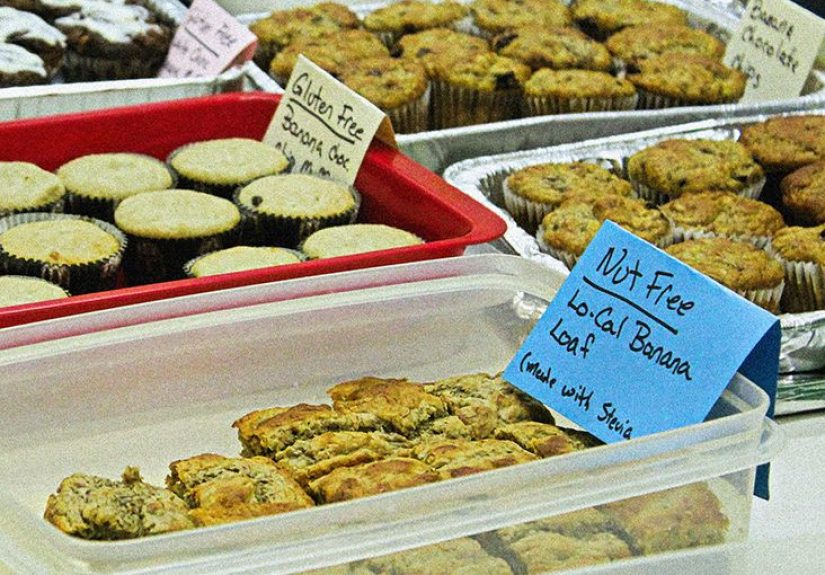
Children and teens may experience the emotional side even more strongly. Some feel left out at pizza parties, bake sales, team dinners, or holiday events. Others get tired of being “the kid with the allergy,” especially if classmates do not understand the seriousness. Over time, though, many families become incredibly skilled at adaptation. They find safe brands, safe restaurants, safe recipes, and safe routines. Kids learn how to speak up. They learn which questions to ask. They learn that confidence is part of safety.
Many people with food allergies also describe a subtle kind of mental load. Before eating anything, there is a checklist: What are the ingredients? Who made this? Was the serving spoon shared? Did the label change? Is the epinephrine nearby? That thought process can be tiring, but it is also what keeps people safe. With experience, the routine often becomes more automatic and less intimidating.
There is also a powerful upside to all this effort: food allergy management tends to create strong self-advocacy skills. People become better at reading labels, asking questions, planning ahead, and setting boundaries. Families become organized. Kids become articulate. Adults become less afraid to say, clearly and without apology, “I cannot eat that safely.” Honestly, that is a useful life skill well beyond the dinner table.
So yes, food allergies can be stressful. They can complicate school, travel, holidays, and restaurants. But many people build full, active, joyful lives around smart precautions and updated medical guidance. A diagnosis may change the menu, but it does not have to shrink the life around it.
Conclusion
Food allergies are serious immune reactions that can affect the skin, gut, lungs, throat, and cardiovascular system. Symptoms range from itchy lips and hives to full-blown anaphylaxis. The main causes involve an immune system mistake, shaped by genetics, allergic history, age, and other risk factors. Diagnosis relies on history, testing, and sometimes supervised oral food challenges. Treatment centers on strict avoidance, fast access to epinephrine, and specialist-guided options such as oral immunotherapy or biologic therapy for selected patients.
The bottom line is simple: know the symptoms, know the trigger, know the plan. Food allergies may be demanding, but with the right care and daily habits, they are manageable.