Table of Contents >> Show >> Hide
- 1) Comfort Food Is BackBut It Got a Passport
- 2) “Swicy” and Heat With Personality
- 3) Fiber and Gut-First Eating Goes Mainstream
- 4) Protein Everything (But Make It Actually Tasty)
- 5) Plant-Forward Evolves Past Fake Meat
- 6) Crunch, Texture, and Sensory “Maximalism”
- 7) Global Flavors Get More Specific (and More Respectful)
- 8) Nonalcoholic and “Better-For-You” Beverages Keep Winning
- 9) Value, Variety, and the Return of “All-You-Can-Eat” Energy
- 10) Sustainability Gets More Practical (Less Performative)
- 11) The “Internet Made Me Eat It” Effect
- Putting It All Together: How to Eat Trends Without Losing Your Mind
- Experience Add-On: A “Food Trends Week” (Composite, Real-World Inspired)
Food trends aren’t just “what’s new.” They’re a running commentary on how we live right now: how much time we have, what we can afford,
what we’re worried about (hello, gut health), and what we’re craving (hello, comfort). In the U.S., the biggest shifts in food are happening
where culture and practicality collideon weeknight dinner plates, in takeout bags, and on menus trying to feel both familiar and exciting.
The headline? We’re watching a tug-of-war between cozy nostalgia and global flavor adventure, with a third
contender sprinting in from the side: functional eating (fiber, protein, hydration, and anything that sounds like it could
fix your life in one bite). Let’s break down the most important food trends shaping how America eatsplus how to actually use them without
turning your kitchen into a science fair.
1) Comfort Food Is BackBut It Got a Passport
Comfort food never truly left, but now it’s showing up with bolder flavors and smarter textures. Think “nostalgia, upgraded”: the foods you
grew up loving, remixed with global sauces, spices, and techniques. This trend works because it feels safe and fun at the same timelike wearing
sweatpants with a nice coat.
What it looks like in real life
- Smashed burgers topped with chili crisp, gochujang mayo, or shawarma-style spices.
- Instant noodles, elevated with jammy eggs, crispy garlic, fermented greens, and restaurant-level broths.
- “Bowl culture” getting more interesting: Caribbean curry bowls, Korean-inspired rice bowls, Mediterranean grain bowls.
The secret sauce (sometimes literally) is familiarity: you already know the format, so you’re more willing to try a new flavor profile.
For home cooks, it’s a shortcut to “I tried” energyeven if dinner started as a frozen dumpling situation.
2) “Swicy” and Heat With Personality
Sweet + spicy isn’t new, but it’s evolving into more specific heat styles. Instead of generic “hot honey” on everything, people are chasing
distinct pepper flavors (fruity, smoky, floral) and sauces with cultural identity. Heat is no longer just heatit’s a vibe.
Try this at home
- Swap standard sriracha for a region-specific heat: gochujang, harissa, peri-peri, or aji amarillo.
- Add “sweet” strategically: mango, pineapple, brown sugar, dates, or roasted sweet potatoes.
- Use heat as a finishing move: drizzle, dust, or crunchy toppingdon’t always cook it into the dish.
Bonus: this trend makes leftovers feel new. Yesterday’s chicken becomes today’s “swicy” taco situation with one sauce and a lime wedge.
That’s not cheating. That’s efficiency.
3) Fiber and Gut-First Eating Goes Mainstream
Gut health has moved from niche wellness corners into the grocery cart. But here’s the plot twist: the conversation is getting more practical.
People aren’t just buying kombucha; they’re looking for foods that quietly deliver more fiber and support digestionwithout tasting like cardboard
or forcing anyone to pretend they “love psyllium.”
What’s driving it
- Functional everyday foods: fiber-forward cereals, beans, lentils, seeded breads, and smarter snacks.
- Fermentation 2.0: kimchi, live vinegars, pickles, miso, and yogurt-style products with more culinary variety.
- “Add, don’t subtract” mindset: instead of strict restriction, people add fiber and whole foods to feel better.
The easiest way to ride this trend: aim for one “fiber anchor” per mealbeans in chili, chia in yogurt, barley in soup, lentils in pasta sauce.
Your gut gets the memo, and your taste buds don’t file a complaint.
4) Protein Everything (But Make It Actually Tasty)
Protein is still the star macro in American food culture. The difference now is that consumers want protein in formats that feel normal:
better-tasting shakes, snackable protein, higher-protein breakfasts, and meals that don’t scream “this was designed in a lab.”
Where protein shows up
- Breakfast upgrades: Greek yogurt bowls, egg bites, cottage-cheese-based recipes, high-protein oats.
- Snackification: jerky (including turkey and salmon), roasted chickpeas, protein bars that taste like dessert.
- Restaurant cues: grain bowls, salads, and “clean” comfort meals that still feel filling.
Practical tip: if you’re adding protein, don’t forget texture and acid. A squeeze of lemon, quick-pickled onions, crunchy seeds, or fresh herbs
can make a high-protein meal feel like a real mealnot a fitness assignment.
5) Plant-Forward Evolves Past Fake Meat
Plant-based eating is shifting from “meat replacement” to “plant celebration.” Instead of chasing a perfect burger replica, people are leaning into
vegetables, beans, mushrooms, and grains for what they areflavorful, affordable, and adaptable.
What’s trending in plant-forward food
- Mushrooms as a meaty texture (roasted, shredded, grilled, or crisped).
- Legumes as the foundation: lentil stews, white bean dips, chickpea salads.
- Vegetable “mains” that feel satisfying: cabbage steaks, cauliflower shawarma, charred broccoli with tahini.
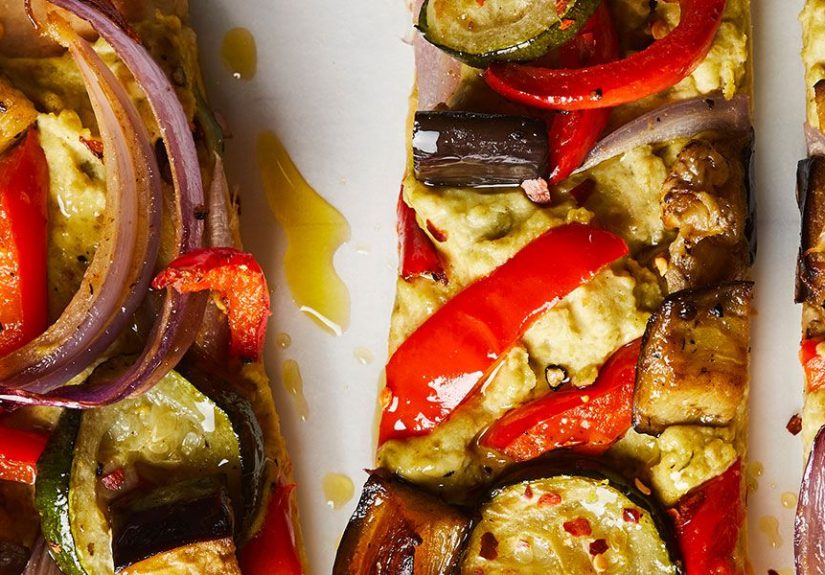
If you want a simple upgrade: roast vegetables hotter than you think you should, then hit them with a bold sauce. The trend is less about
removing meat and more about adding flavor and satisfaction.
6) Crunch, Texture, and Sensory “Maximalism”
Americans are chasing texture like it’s a hobby. Crunch signals freshness and indulgence at the same time, and it photographs wellyes,
your salad is in its influencer era.
How the texture trend shows up
- Crunchy toppings: toasted nuts, sesame brittle, crispy onions, fried garlic, chili crisp.
- Air-fried everything: not just friesdumplings, chickpeas, even leftover rice turned crispy.
- Snack formats: “crunchy, portable, and intense” is basically the unofficial slogan.
Home-cook hack: keep one “crunch jar” in your pantrysomething like toasted seeds, crushed nuts, or crispy onions. Sprinkle on soups, salads,
noodles, eggs. Instant upgrade. You’re welcome.
7) Global Flavors Get More Specific (and More Respectful)
“Global flavors” used to mean a vague drizzle of teriyaki. Now, trend leadership is moving toward region-specific tastes and ingredients.
Consumers want dishes that feel more authenticor at least clearly inspiredrather than generic “Asian-inspired sauce #4.”
Flavors and ingredients popping up more
- Caribbean, West African, and Middle Eastern influences: curry bowls, berbere-style spice blends, tahini sauces.
- Exotic fruits and bright citrus: yuzu-style flavors, lychee notes, tropical fruit in beverages and desserts.
- Dumplings everywhere: not just as a mealalso as snacks, appetizers, and freezer staples.
The best part of this trend is that it makes eating feel like travel, even if your “trip” is to the grocery store after work with one headphone in.
8) Nonalcoholic and “Better-For-You” Beverages Keep Winning
Beverage culture is booming, and not just with cocktails. People want fun drinks that feel intentional: nonalcoholic cocktails, functional sodas,
sparkling waters with personality, and hydration-focused options. It’s less “party fuel,” more “treat yourself while staying functional.”
What’s in the cup
- Zero-proof cocktails with bitters, botanical flavors, and grown-up complexity.
- Hydration-forward drinks (electrolytes, coconut water blends, lower-sugar options).
- Flavor experimentation: spicy, herbal, and fruit-forward combosespecially in sparkling formats.
At home: build a “fancy drink” routine that takes 60 secondssparkling water + citrus + a salty rim, or iced tea with mint and a splash of
pomegranate. Trendy? Yes. Also cheaper than a $9 beverage you accidentally ordered because it sounded pretty.
9) Value, Variety, and the Return of “All-You-Can-Eat” Energy
As budgets tighten, value becomes a flavor. People still want delight, but they also want meals that feel worth itwhether that’s a great deal,
a filling bowl, or a format that offers variety. That’s one reason buffet-style dining, hot pot, and other “choose-your-own-adventure” meal formats
are seeing a resurgence.
How “value” shows up beyond cheap prices
- Portion satisfaction: meals that feel filling without being heavy.
- Customizable formats: bowls, build-your-own plates, hot pot, Korean BBQ, curated buffets.
- Menu deals: bundled meals, prix fixe, and “value meals” that don’t feel sad.
At home, value trends translate to smart repeats: cook once, remix twice. Roast a chicken, then turn it into tacos, soup, and a rice bowl.
That’s not boringthat’s a strategy.
10) Sustainability Gets More Practical (Less Performative)
Sustainability is still important, but consumers are looking for real-world versions they can stick with: less waste, smarter packaging, seasonal
choices, and ingredients that feel more traceable. There’s growing interest in concepts like regenerative agriculture, upcycled ingredients, and
using more of what you buy.
Easy sustainability wins people actually do
- Upcycling at home: stock from scraps, croutons from stale bread, pesto from extra herbs.
- Freezer strategy: buying frozen produce to reduce waste without sacrificing nutrition.
- Whole-ingredient cooking: using stems, skins, and “ugly” produce creatively.
The trend isn’t about being perfect. It’s about being less wasteful without making dinner feel like a moral exam.
11) The “Internet Made Me Eat It” Effect
Social media continues to accelerate food trendssometimes in a helpful way (new flavors, new techniques), and sometimes in a chaotic way
(suddenly everyone is obsessing over one niche ingredient and your grocery store shelf looks like a ghost town).
What sticks versus what fades
- Sticks: techniques that solve a problem (sheet-pan meals, high-protein breakfast ideas, quick sauces).
- Fades: overly complicated “one weird trick” recipes that taste like regret.
- Transforms: viral foods that evolve into everyday staples (sauces, seasoning blends, easy snacks).
A good rule: if a trend makes cooking easier or tastier with ingredients you can reuse, it’s probably worth adopting. If it requires 14 specialty
items for a 30-second clip… maybe just enjoy the video and keep walking.
Putting It All Together: How to Eat Trends Without Losing Your Mind
You don’t need to chase every new thing. The best way to “do” food trends is to build a flexible framework:
A simple trend-friendly formula
- Start with a comfort base: burger, noodles, bowl, salad, toast, soup.
- Add one global flavor: sauce, spice blend, condiment, or pickled element.
- Boost function gently: fiber (beans, seeds) or protein (yogurt, eggs, lean meats).
- Finish with texture: crunch topping, herbs, citrus, or a drizzle.
Trends are most useful when they help you eat better, spend smarter, and enjoy food more. If a trend does that, keep it. If it stresses you out,
let it go. Food is supposed to be deliciousnot a full-time job.
Experience Add-On: A “Food Trends Week” (Composite, Real-World Inspired)
To make these trends feel less like headlines and more like something you’d actually eat, here’s a composite “week of food” inspired by how
trend-driven eating often shows up in everyday American life. This isn’t a fantasy menuit’s the kind of thing that happens when you want meals
that feel current, comforting, and doable.
Monday: Comfort, but upgraded
You start the week with a smashed-burger night at home. The twist: instead of ketchup and mustard, you mix mayo with gochujang and a squeeze of
lime. A handful of shredded cabbage gets tossed with vinegar and salt for a fast slaw. It tastes like the burger you lovejust louder.
Everyone calls it “restaurant-y,” which is the highest compliment a weeknight meal can receive.
Tuesday: Fiber without fanfare
Lunch is a grain bowl built from leftovers: quinoa, black beans, roasted peppers, and a spoonful of yogurt-lime sauce. You’re not “on a health kick.”
You’re just hungry and trying to avoid the afternoon crash. The bowl keeps you full longer than expected, and you realize the fiber trend is basically
“eat food that behaves like it cares about you.”
Wednesday: Snackification saves the day
It’s one of those chaotic afternoons where a full meal feels impossible. You build a snack plate: cheese, olives, crunchy cucumbers, roasted chickpeas,
and a handful of grapes. It’s half charcuterie board, half “I’m doing my best.” Somehow it works. This is why snack culture is thriving: it’s flexible,
satisfying, and doesn’t require you to “decide dinner” at 4:12 p.m.
Thursday: The nonalcoholic treat ritual
You want something special but not necessarily alcohol. So you make a grown-up “mocktail”: sparkling water, a splash of pomegranate juice, a squeeze of
citrus, and a pinch of salt. It’s not pretending to be a cocktail; it’s its own thingbright, refreshing, and surprisingly soothing. Beverage trends work
because they turn hydration into a small celebration.
Friday: Instant noodles, elevated (no chef hat required)
Dinner is instant ramenbut you treat it like a project in the best way. You add a soft-boiled egg, frozen spinach, scallions, and chili crisp. You get
the comfort, the heat, the crunch, and the “I made something” satisfaction, all while spending less than a takeout order. This is trend eating at its best:
it makes simple food more exciting without making it complicated.
Saturday: Global flavors, specific and fun
You try a new spot that serves Caribbean curry bowls and jerk-style chicken with bright slaw. What stands out isn’t just spiceit’s balance: acid, sweetness,
heat, and texture. You go home wanting to recreate one element (maybe the sauce, maybe the pickled onions), because modern global-flavor trends often inspire
home cooking rather than replacing it.
Sunday: Sustainable, but practical
You do a “use what we have” fridge sweep: slightly wilted herbs become pesto, leftover roasted vegetables become a frittata, and the last bits of chicken become
soup. Nothing about it is performative. It’s just smart. Sustainability trends stick when they feel like common senseand when they save money.
That’s the real magic behind food trends: they’re not just about novelty. The ones that last are the ones that make everyday eating easier, tastier,
and a little more joyfulwhether you’re chasing fiber, crunch, global sauces, or simply the peace of mind that comes from knowing dinner is handled.