Table of Contents >> Show >> Hide
- What Is the Gastrocolic Reflex?
- Gastrocolic Reflex in Infants: Why It’s So Noticeable
- Common (Normal) Symptoms of the Gastrocolic Reflex in Babies
- When the “Poop After Feeding” Pattern Might Signal Something Else
- Causes and Triggers: What Makes the Gastrocolic Reflex Kick In?
- Common Mix-Ups: Gastrocolic Reflex vs. Colic, Reflux, and Other Baby Greatest Hits
- What Parents Can Do: Practical Tips to Make Post-Feed Poops Less Stressful
- When to Call the Pediatrician (A Quick Checklist)
- Frequently Asked Questions
- Real-Life Experiences: What the Gastrocolic Reflex Looks Like at Home (and in the Wild)
- Conclusion
Fun fact: your baby’s digestive system is basically a tiny, milk-powered conveyor belt. And sometimes, the moment fresh “inventory” arrives (a feeding), the factory decides it’s time to ship yesterday’s leftovers. That clean-up-on-aisle-diaper moment often comes down to something totally normal: the gastrocolic reflex.
If you’ve ever wondered, “Why does my newborn poop right after eating?” or “Is my baby’s belly cramping after every feed a bad sign?”you’re not alone. In infants, the gastrocolic reflex can be extra enthusiastic. Most of the time, it’s just your baby’s body doing its job: keeping digestion moving, making room for new milk, and practicing the GI version of time management.
This article explains what the gastrocolic reflex is, why it’s so noticeable in infants, what symptoms are considered normal, what can make it feel worse, and when it’s time to call your pediatrician (because some diaper situations deserve a professional opinion).
What Is the Gastrocolic Reflex?
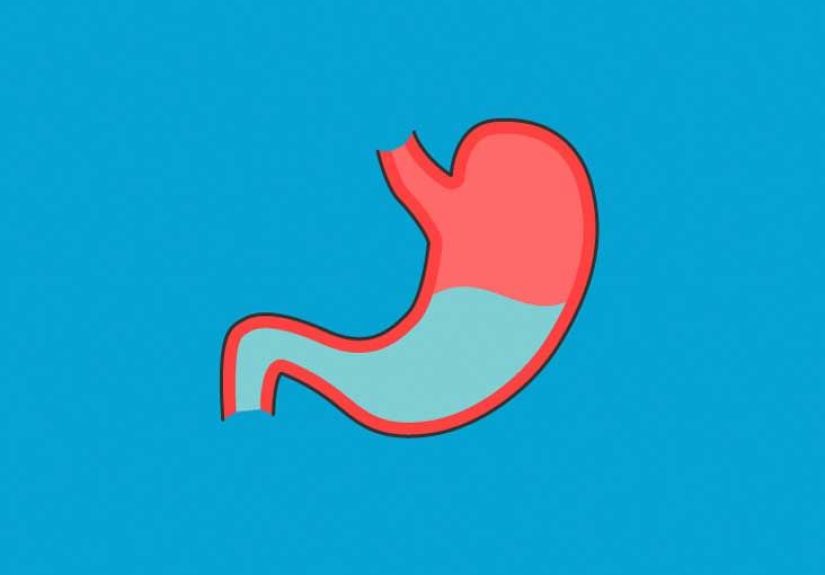
The gastrocolic reflex is a built-in communication system between the stomach (“gastro-”) and the colon (“-colic”). When food or milk enters the stomach, the stomach stretches and nerves (plus digestive hormones) send signals that encourage the colon to increase movement. The goal is simple: make room for what’s coming in by moving older contents further down the line.
How it works (the not-too-scary science version)
- Stretch receptors in the stomach notice fullness after a feeding.
- Nerve signals travel through the enteric nervous system (your “gut brain”) to coordinate movement.
- Hormones involved in digestion (often discussed include gastrin and cholecystokinin) can boost motility.
- The colon responds with stronger, wave-like contractions that help push stool toward the rectumsometimes quickly.
In adults, you might just feel a gentle “Hmm, bathroom soon” nudge after lunch. In babies, it can be more like, “New milk received. Initiate evacuation sequence.”
Gastrocolic Reflex in Infants: Why It’s So Noticeable
Many newborns poop soon after feedingand for a lot of families, it can feel like every feeding. That can be normal, especially in the early weeks.
Why infants react faster than adults
- Immature digestive coordination: Babies are learning how to synchronize swallowing, stomach emptying, and bowel movements.
- Liquid diet: Breast milk and formula move through the digestive tract differently than solid food.
- Frequent feedings: Newborns eat often, so the “stomach stretch” trigger happens repeatedly throughout the day.
- Sensitive gut signaling: Young babies tend to have faster reflexes and more noticeable post-meal motility.
In other words: if you feel like your baby’s digestive system has a “fast pass,” you’re not imagining it.
Common (Normal) Symptoms of the Gastrocolic Reflex in Babies
In infants, the gastrocolic reflex can show up as bowel activity during or right after feeding. The “symptoms” are often just normal digestion doing its thing.
What normal can look like
- Pooping shortly after feeding (or even mid-feed)
- Brief squirming, wiggling, or grunting before stool
- Legs pulling up toward the belly, then relaxing after pooping
- Mild gassiness that improves after passing stool
- A soft, seedy stool in breastfed babies (often looser and more frequent)
Important reality check: Babies often turn red, strain, and make dramatic faces while poopingeven when stools are soft. Their abdominal muscles are developing, and their technique is… a work in progress.
When the “Poop After Feeding” Pattern Might Signal Something Else
Here’s the trick: the gastrocolic reflex is normal, but not every post-feeding poop pattern is purely reflex-driven. Sometimes the reflex is happening alongside another issuelike diarrhea, intolerance, infection, reflux, or (less commonly) an allergy.
Clues that suggest diarrhea rather than “normal newborn frequent stool”
- A sudden increase in number of stools compared with your baby’s usual pattern
- Stools becoming much more watery than typical for your baby
- Mucus, blood, or a notably foul smell
- Baby seems ill: poor feeding, fever, unusual sleepiness, or irritability
Red flags: symptoms that deserve a pediatrician call
If any of these show up, don’t “wait it out” just because the timing happens after a feeding:
- Blood in the stool (even small amounts should be discussed)
- Signs of dehydration (fewer wet diapers, very dry mouth, no tears, sunken soft spot, lethargy)
- Frequent vomiting or inability to keep feeds down
- High fever or fever in a young infant
- Weight loss, poor growth, or feeding refusal
- Severe or persistent abdominal pain (more than “brief poop-face drama”)
Think of it this way: the gastrocolic reflex can explain timing. It doesn’t explain everything about appearance (like blood) or how your baby seems overall (like dehydration or lethargy).
Causes and Triggers: What Makes the Gastrocolic Reflex Kick In?
The gastrocolic reflex is primarily triggered by stomach stretching when milk or food enters. But the strength of the reflex can vary based on a few factors.
In infants, common triggers include:
- Normal feeding volume: any “stomach filling” can activate the reflex.
- Larger or faster feeds: more stretch may mean a stronger signal.
- Swallowed air: can add to belly pressure and discomfort.
- Overfeeding: can intensify post-feed cramping and urgency.
- Diet transitions: switching formulas, adding fortifiers, or starting solids can change stool patterns.
Possible contributors when symptoms feel uncomfortable or excessive
If your baby seems genuinely distressed with frequent post-feed stools, your pediatrician may consider additional causes such as:
- Cow’s milk protein intolerance/allergy: can involve GI symptoms (including mucus or blood in stool) and sometimes skin issues like eczema.
- Infection: viral gastroenteritis is common in children and can cause frequent watery stools and dehydration risk.
- Lactose intolerance: true lactose intolerance is different from milk protein allergy and is less common as a primary issue in young infants; it can occur in specific situations (your clinician can help sort this out).
- Reflux-related discomfort: feeding may trigger fussiness for reasons unrelated to stooling.
Bottom line: the reflex itself isn’t “caused” by something badit’s a normal mechanism. But discomfort, abnormal stool features, or poor growth can suggest something else is riding along.
Common Mix-Ups: Gastrocolic Reflex vs. Colic, Reflux, and Other Baby Greatest Hits
Gastrocolic reflex vs. colic
Colic is defined by prolonged, hard-to-console crying in an otherwise healthy infant (often described as more than 3 hours a day, more than 3 days a week, for multiple weeks). Colic crying tends to cluster later in the day for many babies, and it’s not necessarily tied to bowel movements. If your baby’s fussiness reliably improves after pooping, the gastrocolic reflex (or simple gas/stool pressure) may be a bigger player than colic.
Gastrocolic reflex vs. reflux
Reflux is about milk coming back up. The gastrocolic reflex is about the colon moving things down. A baby can have one, the other, or bothbecause babies enjoy multitasking when you least need them to.
Gastrocolic reflex vs. true diarrhea
Breastfed baby poop can be loose and frequent and still be normal. The bigger clue is a change from your baby’s baseline, plus signs like fever, blood, mucus, dehydration, or a suddenly ill-looking baby.
What Parents Can Do: Practical Tips to Make Post-Feed Poops Less Stressful
You generally don’t “treat” a normal gastrocolic reflex. But you can absolutely make life easier when feeding seems to trigger immediate diaper dutyor when your baby looks uncomfortable as things start moving.
Feeding and positioning tips
- Pace the feed: slow, steady feeding can reduce sudden stomach stretching.
- Burp strategically: try mid-feed and after feeding to reduce swallowed air.
- Keep baby upright briefly after feeding: helps with comfort and reflux-related spit-up.
- Avoid frequent formula switching unless your pediatrician recommends itconstant changes can confuse stool patterns.
Diaper logistics (a.k.a. survival skills)
- Expect a “poop window”: many babies stool within minutes after feedingplan diaper changes accordingly.
- Wait a beat if you can: some newborns do a few small “encore poops” in a row. If your baby is safe and content, giving it a minute can prevent a double change.
- Protect the skin: frequent stools can trigger diaper rashbarrier ointment can help.
What not to do
- Don’t dilute formula unless explicitly instructed by a clinician.
- Don’t assume “more poop = better cleansing.” Hydration and growth are more important than volume of output.
- Don’t ignore red flags (blood, dehydration, persistent vomiting, high fever, poor feeding, poor growth).
When to Call the Pediatrician (A Quick Checklist)
Call your baby’s healthcare provider if you notice:
- Blood in stool, black/tarry stool (after meconium stage), or lots of mucus
- Signs of dehydration (marked drop in wet diapers, very dry mouth, no tears, sunken soft spot)
- Diarrhea that is frequent and watery, especially if worsening
- Fever in a young infant, or high fever at any age
- Repeated vomiting, poor feeding, or your baby seems unusually sleepy or very ill
- Weight loss, poor growth, or feeding refusal
If you’re on the fence, it’s okay to call. Babies don’t come with user manuals, and “I don’t like how this looks” is valid parental data.
Frequently Asked Questions
Is it normal for my newborn to poop after every feeding?
It can be. Many newborns stool soon after feeds in the first weeks, especially breastfed infants. Patterns often change as the digestive system matures.
Does the gastrocolic reflex cause pain in babies?
The reflex itself is normal, but moving gas and stool can cause temporary cramping or fussiness. If your baby has severe or persistent pain, fever, blood in stool, vomiting, or poor feeding, check in with a clinician.
Can formula make the gastrocolic reflex worse?
Formula changes can alter stool frequency and consistency. Some babies also swallow more air with bottle feeding. If you suspect intolerance (especially mucus/blood, poor growth, persistent distress), talk with your pediatrician before switching repeatedly.
How long does the “poop right after feeding” phase last?
Often, it’s most noticeable in the first weeks to months. Many babies poop less frequently as they get olderthough their timing can still be impressively inconvenient.
Real-Life Experiences: What the Gastrocolic Reflex Looks Like at Home (and in the Wild)
Parents don’t experience the gastrocolic reflex as an abstract physiology concept. They experience it as a lifestyle. Here are some patterns families commonly describealong with what they usually mean in real life.
1) The “Fresh Diaper, Fresh Feed, Fresh Poop” cycle.
You finally change the diaper, you get baby latched or the bottle warmed, andlike a tiny comedian with impeccable timingyour baby poops before you’ve taken the first sip of your coffee. Many parents notice this most in the first few weeks, when stools can be frequent and soft. The reflex is doing exactly what it’s designed to do: new milk arrives, the gut makes room, and your laundry pile grows stronger.
2) The mid-feed “pause and concentrate” face.
Some babies stop sucking, stare into the middle distance, and appear to negotiate with the universe. Then they resume feeding like nothing happened. That pause can be the reflex activating bowel movement, especially if you also notice leg tucking, a little grunt, or a sudden calm afterward. Parents often report that baby seems more relaxed after the diaper is donean important clue that it was pressure relief, not a bigger medical problem.
3) The “two-minute diaper change” that turns into a trilogy.
Newborns can have multiple tiny poops close together. Parents learn (sometimes the hard way) that the first poop may not be the final poop. A practical trick many caregivers adopt: if baby is safe and not distressed, wait a minute after the first signs before launching into cleanup. This isn’t medical advice; it’s battlefield wisdom.
4) The bottle-feeding burp puzzle.
Some families notice that baby poops more “right now” when feeds are fasterespecially with a quick-flow nipple. When milk goes down fast, the stomach stretches faster, and the reflex can feel stronger. Parents often report improvement when they slow the feeding pace, use a slower-flow nipple, and burp more intentionally. It’s not magic; it’s mechanics (plus a little luck).
5) The “Is this diarrhea?” anxiety spiral at 2 a.m.
New parents frequently worry that frequent stools mean illness. What usually helps is looking for the full picture: Is baby feeding well? Making wet diapers? Acting mostly normal between stools? Is there a sudden change from their normal pattern? Any fever, blood, or mucus? Many families find that once they track patterns for a day or twosometimes with a quick note in their phonethe panic drops and the pattern becomes easier to interpret. And when something truly looks off, having those notes helps the pediatrician triage fast.
6) The “It only happens at certain times” pattern.
Some caregivers swear their baby poops most after the morning feed or after a larger bottle. That can line up with a stronger reflex after bigger stomach stretching. Other parents notice it intensifies during growth spurts, when babies eat more frequently. The reflex may not be “stronger,” but the trigger happens more often.
7) The day-care and car-seat reality check.
Families often discover the reflex’s timing when they start leaving the house: baby eats, then poops soon aftersometimes mid-drive. This is why seasoned parents pack backup outfits like they’re preparing for a wilderness expedition. The practical lesson: if your baby tends to stool right after feeding, building in a “diaper check” buffer before car seats, strollers, and white onesies can save your sanity (and your upholstery).
8) The “something feels different” moment that leads to a doctor call.
Experienced parents often say they can tolerate a lot of normal weirdnessuntil the day their baby looks genuinely unwell. The reflex is normal, but red flags are red flags: blood in stool, dehydration signs, persistent vomiting, high fever, or poor feeding. In those moments, parents’ instincts matter. The gastrocolic reflex can explain timing, but it shouldn’t distract from overall health signals.
Takeaway from the real world: most “poop after feeding” stories are normal infant digestion. The goal isn’t to stop the gastrocolic reflexit’s to recognize what’s typical, support comfort, and know when symptoms don’t match the normal script.
Conclusion
The gastrocolic reflex is one of the body’s most practical tricks: when new food arrives in the stomach, the colon gets a nudge to move old content along. In infants, this reflex can be especially activeso pooping during or shortly after feeding is often completely normal, especially in the early weeks.
What matters most is the whole baby, not just the diaper schedule. If your baby feeds well, stays hydrated, grows steadily, and has stools that look normal for their age and diet, the gastrocolic reflex is usually just background biology doing its job. But if you see blood or mucus, signs of dehydration, high fever, frequent vomiting, poor feeding, or your baby seems very ill, it’s time to call your pediatrician.
And if nothing else, remember: your baby isn’t “pooping at you.” They’re just running their tiny internal assembly line with the confidence of someone who has never paid for diapers.