Table of Contents >> Show >> Hide
- Why the Goodee Pop-Up at the Whitney Felt Like Actual Good News
- What Goodee Brought to the Whitney Shop
- Why the Whitney Was the Perfect Setting
- More Than a Shop: A Lesson in How Museum Retail Can Evolve
- What the Pop-Up Said About Sustainable Design
- The Experience of Visiting Goodee at the Whitney
- Conclusion
Every now and then, a retail story shows up wearing better shoes than the average headline. That is exactly what happened with the Goodee pop-up shop at the Whitney Museum of American Art. On paper, it sounded simple: a design-focused retail collaboration inside one of New York’s most respected museums. In practice, it felt like a surprisingly cheerful collision of art, craft, sustainability, and shopping that did not leave you feeling like you had just been sweet-talked into buying a candle with a complicated backstory and an even more complicated price tag.
The real appeal of Goodee at the Whitney was that it made the museum shop feel less like an exit through the gift store and more like a continuation of the exhibition itself. Inspired by the Whitney’s Making Knowing: Craft in Art, 1950–2019, the pop-up celebrated the art of making through handmade furniture, ceramics, textiles, baskets, and design objects chosen for both beauty and social impact. That combination gave the space a point of view. It was not just there to sell pretty things. It was there to argue, politely but persuasively, that the objects we live with can hold ethics, labor, heritage, and function all at once.
For readers interested in sustainable design, ethical home goods, museum retail, or simply the very specific thrill of finding something beautiful that does not also come with a side order of environmental guilt, the Goodee pop-up shop at the Whitney remains a sharp example of what meaningful retail can look like.
Why the Goodee Pop-Up at the Whitney Felt Like Actual Good News
Calling something “good news” on the internet is risky business. Usually it turns out to be a goat in pajamas or a celebrity opening a sandwich shop. Charming, yes. Transformative, not exactly. The Goodee pop-up earned the phrase for a better reason: it linked culture and commerce without flattening either one.
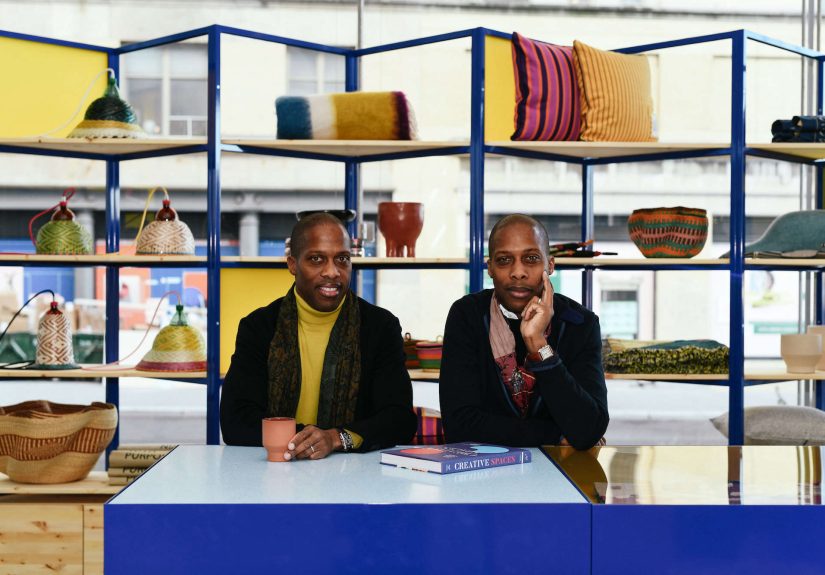
Goodee, founded by brothers Byron and Dexter Peart, built its reputation around the idea that good design should also do some good in the world. The company’s whole philosophy can be summed up in three ideas it has championed from the start: good people, good design, and good impact. Instead of treating sustainability like a marketing garnish, Goodee positioned it as part of how products are chosen, explained, and valued. That gave the Whitney collaboration substance.
At the same time, the Whitney was not a random backdrop. The museum’s exhibition Making Knowing: Craft in Art, 1950–2019 explored how artists used the materials, methods, and strategies of craft over decades, especially in mediums like weaving, sewing, clay, beads, and textiles. That meant the pop-up was not just nearby. It was in conversation with the museum’s curatorial thinking. The result was a retail environment that felt unusually coherent. You could look at contemporary art upstairs and then encounter handmade objects downstairs that echoed similar questions about process, material, and meaning.
That is the kind of alignment brands dream about and usually only achieve in mood boards.
What Goodee Brought to the Whitney Shop
A design marketplace with a conscience
Goodee arrived with a strong identity already in place. The brand grew out of Byron and Dexter Peart’s long experience in fashion and design, including their earlier work with WANT Les Essentiels. But Goodee marked a different chapter. Instead of chasing trend-driven consumption, the founders shifted toward products made by artisans and mission-driven brands with positive social or environmental impact.
That shift matters because it shaped the tone of the pop-up. This was not a maximalist treasure chest stuffed with random “globally inspired” goods. It was a curated selection of handmade homewares and lifestyle objects chosen to tell a story about responsible production, craft preservation, waste reduction, and thoughtful living. In plain English: the merchandise had receipts, morals, and charm.
The assortment reportedly included everything from textiles and pillows to baskets, ceramics, lighting, planters, and accessories. Some items were highlighted for their exclusivity in the U.S. market, while others stood out because they were made through collaborations with artisan groups and fair-trade initiatives. A few products became natural crowd-pleasers, especially handwoven baskets and fans, which are the kind of objects that somehow manage to be useful, sculptural, and dangerously easy to justify buying.
Craft, not clutter
The strongest thing about the Goodee pop-up shop was its refusal to confuse abundance with quality. Plenty of modern retail spaces try to impress by piling on options until your brain taps out and buys the nearest soap dish. Goodee went the other way. Its appeal came from editing.
That editorial approach made sense in a museum context. Visitors were already primed to slow down, notice materials, and think about why objects look and feel the way they do. Goodee used that mindset well. Rather than selling “stuff,” it offered objects with context: who made them, how they were made, what traditions they carried, and why they deserved room in a home.
In an era when fast everything tends to flatten meaning, that alone felt refreshing.
Why the Whitney Was the Perfect Setting
The Whitney Museum of American Art is not exactly hurting for atmosphere. The Renzo Piano-designed building in the Meatpacking District, with its terraces, industrial elegance, and proximity to the High Line and Hudson River, already attracts visitors who care about architecture, design, and New York as a visual experience. In other words, it is the sort of place where a beautifully made object has a fighting chance of being appreciated before someone checks the price tag and faints.
The location also worked on a practical level. The Whitney Shop sits on the museum’s ground floor, which is especially significant because the ground floor is accessible without full museum admission. That means the retail space can function as both a museum extension and a neighborhood destination. A person could come for art, come for design, or come because they were wandering around Chelsea and the Meatpacking District pretending to be in a particularly well-shot lifestyle campaign.
Goodee’s founders have also spoken about their connection to New York, especially Chelsea, the High Line, and the Hudson. That local familiarity gave the pop-up a sense of fit. It did not feel parachuted into the city. It felt placed.
More Than a Shop: A Lesson in How Museum Retail Can Evolve
Museum stores are often underrated spaces. People love to joke about them, but the best ones do serious cultural work. They translate exhibitions into everyday life. They give visitors a way to continue an idea after leaving the gallery. And when they are done well, they create a bridge between scholarship and lived experience.
The Goodee pop-up shop at the Whitney pushed that model forward. It suggested that museum retail does not have to be limited to posters, mugs, and tote bags that announce your intellectual interests with the subtlety of a marching band. It can also become a platform for designers, artisans, and ethically minded brands whose values resonate with an exhibition’s themes.
That is why this collaboration felt culturally interesting as well as commercially smart. The Whitney’s exhibition examined craft as a serious artistic language. Goodee brought that conversation into the domestic sphere by asking what it means to live with crafted objects, not just admire them on a wall. Suddenly, baskets, quilts, pillows, and lamps were not side notes. They became part of a broader story about labor, legacy, and material intelligence.
That kind of retail experience is increasingly relevant. Consumers are more skeptical than they used to be. They want to know where products come from, who made them, how they were sourced, and whether a brand’s values are genuine or just very good at typography. Goodee entered that landscape with a strong advantage: a mission-driven identity backed by an emphasis on transparency, impact, and long-lasting design.
What the Pop-Up Said About Sustainable Design
One reason the Goodee story continues to resonate is that it captured a larger shift in design culture. Sustainability is no longer confined to a crunchy side table in the corner of the conversation. It has moved to the center. Consumers, editors, designers, and retailers increasingly care about craftsmanship, durability, supply chains, and social responsibility.
Goodee has been part of that shift by building a platform around ethically made products and by embracing formal measures of accountability, including B Corp certification. That matters because the sustainable design space can sometimes feel crowded with vague promises and suspiciously photogenic virtue. The brands that stand out are the ones that make impact legible.
In that sense, the Whitney pop-up worked as both a shopping destination and a case study. It showed that sustainability does not have to be drab, preachy, or visually timid. Objects can be expressive, colorful, tactile, and luxurious while still being made with care for people and the planet. Good ethics do not require bad taste. Frankly, that should be embroidered on a pillow.
The Experience of Visiting Goodee at the Whitney
Now for the part that makes this story linger: the actual experience. Because a pop-up like this lives or dies not just on mission statements, but on feeling.
Imagine arriving at the Whitney on a cool New York afternoon. Outside, the neighborhood offers its usual mix of tourists, locals, gallery hoppers, and people dressed as though they accidentally wandered out of an architecture magazine. The museum itself already sets a mood. The building has that rare ability to feel substantial and airy at the same time, and the Meatpacking District contributes its own mix of industrial grit and polished design energy.
You step inside, and before you even get fully swept up into the exhibition flow, the shop draws you in. This is not a retail scream. It is a retail nudge. The Goodee pop-up does not demand attention with neon chaos or bargain-bin desperation. Instead, it invites inspection. A handwoven basket sits with the confidence of a sculpture. A ceramic piece catches light in a way that makes you pause. Textiles bring softness to the space without turning it into a blanket fort for adults, though honestly, that might also have worked.
What makes the experience memorable is the rhythm of discovery. You notice texture before price. Story before sales pitch. One object suggests a maker’s hand; another hints at a regional tradition or a socially minded production model. Even if you do not buy anything, the space encourages a different style of looking. It slows you down. That is rare in retail and even rarer in New York.
And because the pop-up was tied to Making Knowing, the entire visit could feel unusually complete. You could move from artworks that explored craft as an artistic strategy to design objects that carried craft into everyday life. The transition did not feel forced. It felt satisfying. Like the museum and the shop were finishing each other’s sentence, but in a chic way.
There is also something deeply enjoyable about shopping in a place where the curation has already done some of the moral heavy lifting. So much modern shopping involves a low-grade anxiety spiral: Is this well made? Is this mass-produced junk? Am I buying an object or underwriting a tiny disaster? Goodee’s whole model softened that tension. The experience was still aspirational, but it also felt informed. You could browse with curiosity instead of suspicion.
For design lovers, the pop-up likely offered inspiration beyond the objects themselves. It suggested a way of building a home that is less about accumulation and more about intention. A few handmade pieces. Better materials. Objects with memory, labor, and cultural depth. Not a room full of trend bait that looks exhausted after six months. That message lands especially well in a museum, where people are already thinking about value, history, and permanence.
And for casual visitors who may not have arrived with a strong opinion about ethical home goods, the pop-up probably worked in a subtler way. It made sustainability feel approachable. Stylish. Desirable. Not a lecture. Not a guilt trip. Just a more generous idea of what shopping could be.
That is why the Goodee pop-up at the Whitney was more than a nice collaboration. It was an experience that made design feel personal, craft feel contemporary, and retail feel, against all odds, a little more thoughtful.
Conclusion
The Goodee pop-up shop at the Whitney succeeded because it understood something simple and important: people do not just want to buy beautiful things. They want beauty with meaning. By pairing ethically made home goods with a major museum exhibition about craft, the collaboration created a retail experience that felt smart, warm, and genuinely relevant.
It also proved that museum shopping can be more than an afterthought, that sustainable design can be elegant without being self-serious, and that handmade home decor can tell stories as compelling as the art hanging upstairs. In a retail world full of noise, Goodee at the Whitney offered something rarer: clarity. Buy less. Choose better. Appreciate the maker. Respect the material. Leave with something that earns its place in your home.
That is not just good branding. It is, in the best sense, good news.