Table of Contents >> Show >> Hide
- Why this matters right now
- Meet the microbiome: your kid’s inner ecosystem
- So… how could gut bacteria influence obesity risk?
- What the research actually shows (and what it doesn’t)
- Practical takeaways for families (no gimmicks required)
- What to watch for in the next wave of science
- Real-world experiences: what this looks like outside the lab (about )
- Conclusion
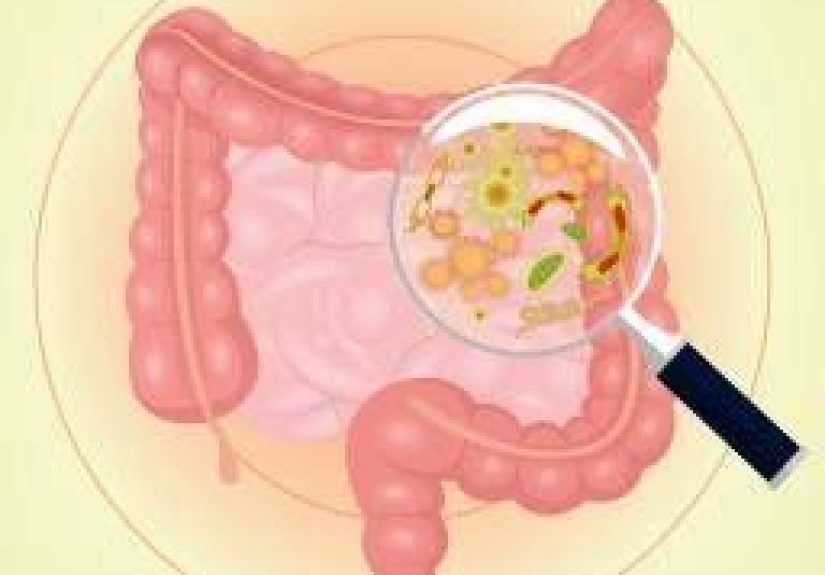
If the word “bacteria” makes you picture a lab coat and a hazmat sign, you’re not alone. But inside your gut lives a bustling, mostly-helpful
neighborhood of microbes (bacteria, viruses, fungi, and their tiny coworkers) that do way more than hang out and judge your snack choices.
Scientists call it the gut microbiome, and it’s increasingly linked to how kids and teens grow, store energy, regulate appetite,
and respond to inflammationaka the stuff that can nudge obesity risk up or down over time.
Important reality check: the microbiome isn’t a magic “skinny switch,” and obesity isn’t a moral failing or a simple math problem. It’s a complex,
chronic condition shaped by genetics, sleep, stress, food access, activity, environment, medications, and more. But the microbiome may be one of the
missing puzzle piecesespecially in youth, when bodies (and gut ecosystems) are still under construction.
Why this matters right now
Youth obesity is common in the U.S., and it’s linked to higher risks of health problems later in life. Clinicians often define obesity in children
using BMI-for-age percentiles (rather than adult BMI cutoffs) because growth patterns change with age and differ by sex.
That definition doesn’t capture every detail of health, but it’s widely used for screening and tracking.
Meanwhile, scientists have learned that the gut microbiome isn’t just along for the ride. It helps break down parts of food we can’t digest on our
own, produces small molecules that signal to our immune system and metabolism, and interacts with the gut–brain network that influences hunger,
fullness, and even stress responses. If you’ve ever felt “butterflies” before a test, congratulationsyour gut and brain have been texting.
Meet the microbiome: your kid’s inner ecosystem
Think of the gut microbiome as a giant kitchen staff. Some microbes specialize in chopping up dietary fiber. Others help train the immune system.
Some produce vitamins or metabolites that act like chemical “notes” passed between organs. The mix of microbes (and what they produce) varies from
person to personshaped by diet, early-life exposures, medications, infections, stress, sleep, and the environment.
Why youth are a special case
In babies and children, the microbiome is more changeable than in adults. It develops rapidly in early life and continues to shift through childhood,
puberty, and adolescence. That matters because youth is also when lifelong patternsmetabolism, appetite regulation, insulin sensitivity, and
inflammatory tendenciescan start to take shape.
So… how could gut bacteria influence obesity risk?
Researchers are exploring several overlapping pathways. You can imagine them as different “levers” that don’t all pull in the same direction for
every person. The big ones include:
1) Energy harvest: getting more (or less) from the same food
Some gut microbes are especially good at fermenting indigestible carbohydrates (like certain fibers) into short-chain fatty acids
(SCFAs). SCFAs can be beneficialsupporting gut lining health and influencing metabolismbut they also represent calories the body can absorb.
In some contexts, certain microbiome patterns may extract more energy from the same diet.
2) Appetite and the gut–brain connection
The gut communicates with the brain through nerves, immune signals, and microbial metabolites. This “two-way street” helps regulate hunger and
satiety. If the microbiome shifts toward patterns associated with inflammation or altered signaling, appetite regulation may changethink cravings,
fullness cues, and stress-eating triggers becoming harder to manage.
3) Inflammation and insulin sensitivity
Chronic low-grade inflammation is often associated with obesity and metabolic risk. Some microbial patterns may promote inflammatory signaling,
while others may support immune balance. Inflammation can affect insulin sensitivity and fat storageespecially around the liver and abdomen.
4) Bile acids and fat metabolism
Gut microbes can modify bile acids, which play roles in digesting fats and sending metabolic signals throughout the body. This is a hot area of
research because bile acid signaling connects digestion to hormones, energy balance, and glucose regulation.
5) Sleep, stress, and “microbiome mood swings”
Sleep and stress influence hormones like cortisol and appetite regulators, and they can also affect gut function. Teens are famously short on sleep
(thanks, homework and screens), and irregular routines may shift both eating patterns and microbial patterns. It’s not that the microbiome “causes”
late-night snacking, but it may join the group chat.
What the research actually shows (and what it doesn’t)
Many studies find that kids with obesity tend to have different gut microbiome patterns compared with peers at a healthy weight. Common themes
include differences in microbial diversity and differences in the relative abundance of certain groups of bacteria. Some studies also detect
differences in microbial metaboliteslike SCFAsthat may relate to energy storage and fat metabolism.
However, it’s not as simple as “one bad germ makes kids gain weight.” Findings vary by age, puberty status, diet, geography, genetics, study methods,
and how researchers measure obesity and metabolic health. Some large studies find associations; others find weak or inconsistent links. That’s why
reputable reviews often emphasize heterogeneity and the need for more longitudinal research.
Correlation vs. causation: the biggest misunderstanding
A lot of the strongest evidence is observational. That means we can see relationships between microbiome patterns and weight, but it’s hard to prove
what comes first. Does a certain microbiome pattern increase obesity risk? Or does living with obesity (and the diets, medications, sleep patterns,
and inflammation that can come with it) change the microbiome? The answer may be: “yes, both, depending on the person.”
Early life may matter more than we used to think
Early-life factors can shape the microbiome during a sensitive window. Researchers have looked at delivery mode, breastfeeding, infections, and
antibiotic exposure. Some population-based studies report that early antibiotic exposure is associated with a higher risk of childhood obesity, while
other studies show mixed results and caution that the effect size can be small or confounded by the illnesses antibiotics treat.
Microbiome-based interventions: promising, but not plug-and-play
You may have heard about probiotics, prebiotics, or even fecal microbiota transplantation (FMT). In adults, some microbiome-targeted approaches show
interesting results for specific conditions, but weight management is complicated. In adolescents, clinical trials of microbiome interventions exist,
yet they are still an emerging area and not a mainstream obesity treatment. For most families, the best-supported “microbiome plan” looks suspiciously
like good public-health advice: balanced nutrition, adequate sleep, consistent activity, and careful antibiotic use when medically appropriate.
Practical takeaways for families (no gimmicks required)
If the microbiome is a garden, then diet and routine are the sunlight and water. You don’t need a fancy supplement aisle safari. You need
consistencyand a little patience.
Focus on fiber variety, not fiber perfection
A fiber-rich pattern (fruits, vegetables, beans, lentils, nuts, seeds, whole grains) supports microbes that produce helpful metabolites. Kids don’t
need to become kale influencers overnight. Start small: add berries to breakfast, swap one refined grain for a whole grain, or add beans to tacos.
Reduce ultra-processed “everyday” eating (without banning joy)
Ultra-processed foods tend to be lower in fiber and higher in added sugars, refined starches, and additives that may influence satiety and eating
patterns. The goal isn’t “never.” The goal is “not the default.” Build meals around minimally processed staples, and let treats be treats.
Include fermented foods if your child likes them
Yogurt with live active cultures, kefir, and some fermented vegetables can contribute beneficial microbes. But they’re not required, and forcing a
kid to eat kimchi is a fast way to create a tiny courtroom in your kitchen. If it works, great. If not, focus on fiber and overall quality.
Protect sleep like it’s a secret superpower
Sleep affects hunger hormones, stress regulation, and routine stability. A consistent bedtime and a wind-down routine can indirectly support healthier
eating patterns and may also help gut function. For teens, even modest improvements in sleep consistency can matter.
Move in ways that feel doable
Physical activity supports metabolic health and may influence gut microbial diversity. This doesn’t have to be “sports or bust.” Walking the dog,
dancing, biking, pickup basketball, or just moving more during the day counts. The best activity is the one that actually happens.
Use antibiotics wisely (not fearfully)
Antibiotics can be lifesaving. They can also disrupt gut microbes, especially in early life. The healthiest approach is not to avoid antibiotics when
they’re needed, but to avoid using them for viral illnesses where they won’t help. That’s a conversation for a cliniciannot the internet.
If you’re worried about your child’s growth pattern, appetite changes, or weight trajectory, it’s worth discussing with a pediatric clinician.
Evidence-based care for pediatric obesity increasingly emphasizes early support, family-centered strategies, and reducing stigma.
What to watch for in the next wave of science
Researchers are moving beyond “which bacteria are there?” to “what are they doing?” That means more focus on microbial genes, metabolites,
inflammation markers, bile acids, and how microbes interact with diet and genetics. Future studies may help identify microbiome patterns that predict
risk earlier, and which interventions work best for which kids (because biology loves being individualized).
In the near term, the microbiome story is less about a single “obesity bug” and more about ecosystems: diversity, resilience, and the daily habits
that support stable metabolic health.
Real-world experiences: what this looks like outside the lab (about )
The microbiome conversation can feel abstract until you see how it plays out in everyday family lifewhere nobody sequences stool samples between
algebra homework and soccer practice. Here are a few common, real-world patterns clinicians and families describe (shared as composite examples, not
individual medical stories).
The “Lunchbox Reset” that didn’t require a personality transplant
One of the most frequent experiences families talk about is that kids don’t actually need a dramatic “diet overhaul” to see momentum. A parent might
start by adding one fiber-forward item dailyapple slices, a handful of baby carrots, berries, popcorn, or hummus with crackers. Nothing else changes
at first, because real life is busy and nobody has time for a 47-step meal plan.
After a couple of weeks, some families notice small shifts: less intense snack cravings after school, fewer “I’m starving” emergencies, and better
bathroom regularity (which, in kid-world, is basically a Michelin-star outcome). Is that “the microbiome”? Maybe partially. Fiber supports gut microbes
and fermentation byproducts, but it also adds volume and slows digestion. The point is that micro-changes can be surprisingly practicaleven if you
never say the words “short-chain fatty acids” at the dinner table.
The “Antibiotic Winter” and the rebound routine
Families also describe years where kids seem to catch everything. A season of repeated infections can mean multiple antibiotic courses (when truly
needed), disrupted sleep, reduced activity, and lots of easy-to-swallow foodsoften lower in fiber because sick kids don’t beg for lentils. Some
parents notice weight gain during these stretches and wonder if gut bacteria are involved.
What tends to help afterward isn’t panic-buying probiotic gummies shaped like cartoon bears. It’s rebuilding routines: getting back to consistent meal
timing, adding produce and whole grains slowly, reintroducing movement, and prioritizing sleep. Many clinicians emphasize that the gut ecosystem often
becomes more stable again with time and a diversified dietespecially when the family focuses on sustainable habits rather than quick fixes.
The “Sleep Swap” that changed the snack situation
In teens, a surprisingly common experience is that shifting sleep (even slightly) changes eating patterns. A household might set a “screens down”
routine 30–45 minutes earlier, or move caffeine earlier in the day. When teens sleep more consistently, families sometimes observe fewer late-night
cravings and less reliance on convenience snacks.
This isn’t just willpower; sleep affects appetite hormones, stress reactivity, and how rewarding ultra-processed foods feel in the moment. The gut
microbiome may also respond to circadian rhythms and meal timing. In other words: better sleep can make healthier choices feel less like a wrestling
match with your own brain.
The “Fermented Food Experiment” (a.k.a. please stop forcing kombucha)
Many families try fermented foods. Some kids love yogurt and kefir; others react as if you offered them a glass of fizzy sadness. The most successful
approach tends to be “optional and normal.” Add yogurt at breakfast if it’s enjoyed. Try a small serving of fermented veggies if the kid is curious.
If not, move on. A healthy microbiome is built more reliably with dietary variety and fiber than with a single heroic food you have to negotiate like a
hostage exchange.
The most consistent takeaway from real-life experiences is simple: the microbiome conversation works best when it supports habits families can keep.
Not perfect. Not trendy. Just repeatable.