Table of Contents >> Show >> Hide
- The “No-Spikes” Celebrity Moment: Why Everyone Fell for the Massage Prescription
- Hedgehog Spikes 101: What Those Quills Really Are (And Why They Matter)
- How Does a Hedgehog Lose Its Spikes?
- So… Why Would a Vet “Prescribe” Massages?
- What Wildlife Rescues Actually Do for Bald or Spikeless Hedgehogs
- Lessons for Pet Hedgehog Owners: Spot Trouble Early
- Hands-On Experiences: What “Massage Time” Looks Like in Real Life (And Why It’s Not Just Cute)
- Conclusion: The Sweetest Part of the Story Isn’t the Massage
If you’ve ever looked at a hedgehog and thought, “Nature really committed to the whole portable pincushion thing,” then a bald hedgehog will short-circuit your brain in the best way. No spikes. No armor. Just a tiny, wrinkly little creature that looks like it accidentally got shipped without its protective packaging.
And here’s the plot twist: in at least two well-documented rescue cases, the “treatment plan” included gentle, regular massages. Not because wildlife rehab is secretly a day spa (although… it can look that way), but because skin health, comfort, and stress management matterespecially when a hedgehog has lost the very feature that makes it a hedgehog to most people.
Let’s unpack what “a hedgehog with no spikes” really means, why it happens, what rescues are actually doing when they massage a hedgehog, and what you can learn from this oddly soothing corner of the animal internet.
The “No-Spikes” Celebrity Moment: Why Everyone Fell for the Massage Prescription
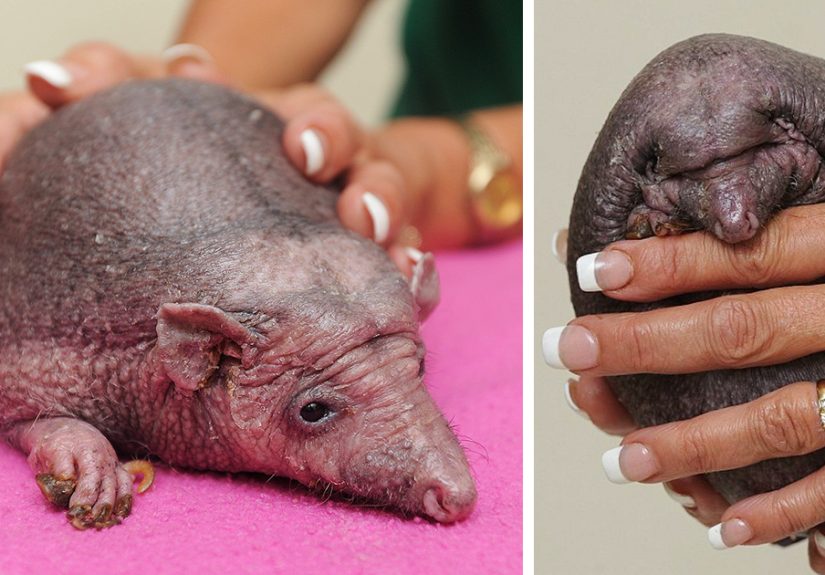
The headline that launched a thousand “awwws” centers on a hedgehog named Nelson, shared widely online as a completely spikeless, bald hedgehog living at Foxy Lodge Wildlife Rescue in Norfolk, England. In those reposted updates, the rescue described Nelson as vulnerable without spikes and receiving regular oil massages as part of his ongoing care.
If you’ve seen the photos, you remember them: a tiny hedgehog, smooth as a pebble, being gently rubbed like a miniature stress ball with opinions. It’s adorableand it’s also a real-life reminder that animals can have medical oddities that require long-term, hands-on care.
Then there’s another case that helped cement the “hedgehog spa” narrative: a rescue hedgehog nicknamed Bear, found in England with extreme spine loss linked to a heavy mite problem and severe skin irritation. His caregivers used topical care and regular gentle rubbing with aloe gel to support skin healing and comfort while his spines gradually returned.
Hedgehog Spikes 101: What Those Quills Really Are (And Why They Matter)
Hedgehog “spikes” are quillsspecialized hairs made largely of keratin. They’re not barbed like porcupine quills, but they’re still a major defense system. A healthy hedgehog can curl into a ball, presenting a prickly shield to would-be predators.
Quills also provide insulation and protection for the skin beneath them. So when a hedgehog loses quillsor is born without themit’s not just a cosmetic change. It can affect temperature regulation, vulnerability to injury, and overall stress levels.
In the wild, a hedgehog missing its quills is basically walking around with its “do not disturb” sign removed. In human care, it means caregivers have to replace that lost protection with warmth, gentle handling, clean housing, and treatment of the underlying cause.
How Does a Hedgehog Lose Its Spikes?
1) Normal “Quilling” vs. Concerning Quill Loss
Baby hedgehogs can go through a normal shedding process often called quilling, where older quills are replaced by new ones. This can look dramatic (tiny spikes everywhere), but you’ll typically see new quills coming in as older ones drop out.
Red flags are bald patches, crusty skin, persistent scratching, scabbing, weight loss, lethargy, or widespread spine loss that keeps getting worse. That pattern points to a health problem, not a normal wardrobe change.
2) Mites (A Common, Very Itchy Culprit)
Mites are one of the most common reasons veterinarians see abnormal quill loss in hedgehogs. When mites irritate the skin, hedgehogs may scratch, rub, and bite at themselvesleading to inflammation, flaking (“dandruff”), and quill loss. Severe infestations can leave the skin dry and damaged.
The tricky part is you may not see mites with the naked eye. Diagnosis typically requires a veterinary exam and microscopy. Treatment is also veterinary-directed, because the wrong products can be harmful to small animals.
3) Fungal Skin Disease (Including Ringworm)
Another frequent issue is dermatophytosiscommonly known as ringworm. In hedgehogs, ringworm can cause crusting dermatitis (often around the face and ears) and may include quill loss. It can also be zoonotic, meaning it can spread to humans.
That zoonotic angle is one reason wildlife rescues and exotic-pet veterinarians take skin problems seriously. When quills are missing, the skin is more exposed, and both the animal and caregiver may face higher risks if a contagious infection is involved.
4) Stress-Related Alopecia and Trauma
Some rescues have described spine loss as related to stress or traumaespecially when an animal is already weakened by cold, dehydration, hunger, or parasites. In those cases, the “cause” may be a chain reaction: illness or infestation leads to intense irritation and stress, and the animal’s condition spirals.
In plain English: when your whole body feels awful, your skin and coat (or quills) can be the first thing to fall apart.
5) Environment, Temperature, and Nutrition
For pet hedgehogs, husbandry matters a lot: temperature that’s too low can push hedgehogs toward torpor (a risky, unhealthy state for many pet hedgehogs), while chronic stressorspoor diet, dirty bedding, lack of hiding spacecan worsen skin problems. Nutritionally, hedgehogs tend to do best on a high-protein, low-fat approach, because obesity and poor diet can snowball into broader health issues.
So… Why Would a Vet “Prescribe” Massages?
Let’s be clear: a “massage prescription” isn’t usually about turning a hedgehog into a tiny influencer with a skincare routine. It’s about practical care goals:
- Comfort: irritated, dry skin can be painful and itchy. Gentle touch may help an animal settle during handling.
- Topical treatment support: if a rescue is applying a vet-approved moisturizer or soothing gel, a gentle rub helps distribute it evenly.
- Skin condition: keeping skin from becoming overly dry, cracked, or inflamed can support healing while the underlying problem is treated.
- Stress reduction: calm handling routines can reduce panic and help a vulnerable animal tolerate necessary care.
In Bear’s case, rescuers described using aloe gel rubs to help soothe skin and support recovery as his spines grew back. In Nelson’s widely shared story, caregivers described oil massages as part of ongoing care for a hedgehog with no spikes.
The key phrase there is “part of care”. Massage isn’t the cure for mites, infection, or ringworm. It’s supportive care layered on top of proper diagnosis, treatment, warmth, hydration, and nutrition.
What Wildlife Rescues Actually Do for Bald or Spikeless Hedgehogs
The internet version of the story is: “Hedgehog gets massages, lives happily ever after.” The rescue version is more like: “Hedgehog arrives looking like a crumpled raisin, everyone quietly panics, then a plan happens.”
While every case is different, the rehab approach often includes:
- Warmth and stability: consistent, safe temperatures and a draft-free setup.
- Veterinary assessment: checking for parasites, infection, dehydration, malnutrition, and injuries.
- Skin support: vet-recommended topical care, baths only when needed, and gentle drying.
- Nutrition and hydration: rebuilding body condition so the animal can heal and regrow quills if possible.
- Low-stress handling: predictable routines, hiding places, minimal noise, and short care sessions.
For pet owners reading this: don’t take “oil massages” as permission to experiment. Oils and topical products can be risky if they’re irritating, ingested, or inhaled, and hedgehogs are masters of licking things you didn’t expect them to reach.
The safest takeaway is simple: if your hedgehog is losing quills abnormally, treat it like a medical issue and involve an exotic-experienced veterinarian.
Lessons for Pet Hedgehog Owners: Spot Trouble Early
If you keep hedgehogs as pets (especially African pygmy hedgehogs), the “bald hedgehog spa” story can be a helpful checklist disguised as cute content.
Signs you should call a vet
- Rapid or widespread quill loss
- Persistent scratching, biting, or rubbing
- Flaking skin, crusts, scabs, or redness
- Weight loss, low energy, or changes in appetite
- Odd smell from the skin or visible sores
Home setup that supports healthy skin and quills
- Temperature control: keep the enclosure within a safe range and avoid sudden swings.
- Clean, low-dust bedding: minimize irritants that can worsen skin issues.
- Balanced diet: prioritize appropriate protein with controlled fat intake to avoid obesity.
- Enrichment and hiding: reduce stress with tunnels, hides, and a solid routine.
Don’t forget the human side: hygiene matters
Because some hedgehog skin problems (like dermatophytes) can be shared with humans, it’s smart to wash hands after handling, clean habitats regularly, and ask your vet about precautions if a fungal infection is suspected.
Hands-On Experiences: What “Massage Time” Looks Like in Real Life (And Why It’s Not Just Cute)
People imagine a bald hedgehog massage as a tiny luxury experiencelike the animal is about to request cucumber water and a robe. In real rescue work, “massage time” is usually a practical routine built around two goals: keep the skin comfortable and make medical care tolerable.
Rehabbers often describe the first sessions as the hardest. A hedgehog that feels unwell may curl tightly, huff, or freeze. Even without spikes, the body language is unmistakable: the animal is saying, “Absolutely not, human.” The caregiver’s job is to be boring, calm, and consistentsupporting the body securely, keeping the room warm, and moving slowly enough that the hedgehog can decide it’s safe.
Over time, routines can change. As the skin becomes less inflamed and the animal’s overall condition improves, many hedgehogs stop reacting like every touch is an emergency. Some will stretch out more; others stay cautious but allow brief handling. That shift matters, because it means the animal is spending less energy on stress and more energy on healing.
The “massage” itself is typically gentle rubbing rather than deep pressure. Think of it as applying and distributing a vet-approved topical product while observing the skin closely. Caregivers will look for new dry patches, irritation, tiny scabs, or signs that the animal is scratching again. In rescue settings, that daily check is half the value: it’s a quick health assessment wrapped in a comforting routine.
Owners who have cared for hedgehogs with mild skin issues often report a similar pattern: consistent, calm handling reduces drama. A hedgehog may never love being picked up, but it can learn that handling is predictableno sudden squeezes, no loud chaos, no long sessions. That predictability can be especially helpful when a vet visit, medication, or habitat cleaning is necessary.
Another common experience is realizing how much environment affects the skin. Caregivers frequently connect flare-ups with a drop in temperature, overly dry air, dusty bedding, or stress from a big change (like a new enclosure or a move). It’s not that massage “fixes” those triggersit’s that the daily routine helps caregivers notice patterns quickly, adjust the setup, and prevent a small issue from becoming a full-body problem.
And yes, sometimes the hedgehog does appear to enjoy it. That usually looks less like blissful spa vibes and more like… finally not itching. A hedgehog that stops frantic scratching, settles into a loaf position, or falls asleep after care is basically giving a five-star review in hedgehog language.
The most important experience-related lesson is this: when you see a “bald hedgehog getting massages” video, you’re watching supportive care in action. It’s tenderness with a purposecomfort, observation, and consistencyworking alongside actual veterinary treatment and solid husbandry.
Conclusion: The Sweetest Part of the Story Isn’t the Massage
A hedgehog without spikes is shocking, funny-looking, and strangely lovablelike a creature designed by committee and then immediately hugged by the internet. But beneath the cuteness is a real message: skin and quill problems are often medical problems, and recovery takes time.
The “prescription for regular massages” works as a headline because it’s delightful. In practice, it’s a symbol of something bigger: careful, patient, hands-on care that protects a vulnerable animal while the real healing happensthrough proper diagnosis, treatment, warmth, nutrition, and a low-stress environment.
So if a bald hedgehog ever crosses your feed again, enjoy the adorable moment. Then take a second to appreciate the unglamorous heroics behind it: clean bedding, temperature checks, vet visits, and a caretaker who shows up every day like, “All right, tiny sir, it’s time for your completely reasonable skincare plan.”