Table of Contents >> Show >> Hide
- Why Make Lemonade with Agave Nectar?
- The Best Ratio for Homemade Agave Lemonade
- Ingredients & Equipment
- Step-by-Step: How to Make Homemade Agave Lemonade
- Flavor Variations You’ll Love
- Make-Ahead, Storage, and Freezing Tips
- Is Agave Lemonade Healthier Than Classic Lemonade?
- Frequently Asked Questions
- Real-Life Tips & Experiences with Homemade Agave Lemonade
There are summer drinks, and then there’s that one perfect glass of lemonade that makes you
consider quitting your job and opening a little stand on the corner. If you love classic lemonade
but want a smoother sweetness (and fewer sugar crystals floating around like snow globes),
homemade agave lemonade is your new signature drink.
This homemade agave lemonade recipe is bright, refreshing, and easy to adjust for your taste and
your crowd. You’ll learn the best lemon-to-water ratio, how much agave nectar to use, simple
flavor upgrades, storage tips, and how agave compares nutritionally to regular sugarso you can
sip smarter without giving up the fun.
Why Make Lemonade with Agave Nectar?
Agave nectar is a liquid sweetener made from the sap of the agave plant. It dissolves easily in
cold water, which makes it especially handy for iced drinks like lemonadeno hot simple syrup
required.
- It’s sweeter than sugar. Agave is roughly 1.3–1.5 times sweeter than regular
table sugar, so you can often use a bit less to reach the same sweetness level. - Smoother flavor. Many people describe agave as having a neutral, slightly
caramel-like sweetness that doesn’t taste “sharp” the way straight white sugar can in
lemonade. - Low glycemic index (GI). Because agave has less glucose, it usually causes a
slower rise in blood sugar than regular sugar. That doesn’t make it a miracle health food, but
it can be a better fit for people who try to avoid big blood sugar spikes and prefer a more
gradual energy curve. - Still an added sugar. Agave is high in fructose and still counts as added
sugar, so it’s smart to enjoy it in moderationespecially in drinks, which are easy to
over-sip.
Think of agave lemonade as an upgraded classic: all the bright lemon flavor, sweeter with less
effort, and a little more control over how your body responds to it.
The Best Ratio for Homemade Agave Lemonade
Classic lemonade usually follows a simple pattern: about 1 part lemon juice to 3–4 parts water,
plus enough sweetener to balance the tartness. With agave, you can keep the same structure but
cut back slightly on the sweetener because it’s more intense.
For a balanced, crowd-pleasing pitcher, a great starting point is:
- 1 cup freshly squeezed lemon juice
- 4 cups cold water (plus ice for serving)
- 1/2 to 2/3 cup agave nectar, depending on how sweet you like it
- Pinch of fine sea salt (optional but highly recommended)
From there, you can adjust. If you want a bolder, more tart lemonade, use a little more lemon
juice or less water. If you prefer a gentler lemonade, add more water or a splash of sparkling
water when serving.
Ingredients & Equipment
Ingredients (Makes About 6 Servings)
- 1 cup freshly squeezed lemon juice
From about 4–6 large lemons, depending on how juicy they are. Fresh juice makes a huge
difference in flavor and brightness. - 1/2–2/3 cup light agave nectar
Start with 1/2 cup for a tart-sweet balance; taste and add up to 2 extra tablespoons if you
like a sweeter drink. Light (or “blonde”) agave keeps the color bright and the flavor
delicate. - 4 cups cold water
Filtered water is ideal for the cleanest flavor. - Pinch of fine sea salt (optional)
Just a tiny pinch helps the lemon flavor popsimilar to how salt makes desserts taste better. - Ice, for serving
- Lemon slices, fresh mint, or berries (optional, for garnish)
Equipment
- Citrus juicer or hand reamer
- Fine mesh strainer (optional, for pulp or seeds)
- Large pitcher (at least 2 quarts)
- Measuring cups and spoons
- Long spoon or whisk for stirring
Step-by-Step: How to Make Homemade Agave Lemonade
Step 1: Juice the Lemons
- Roll each lemon on the counter with your palm to help release the juices inside.
- Cut lemons in half and juice them into a measuring cup using a citrus juicer or reamer.
- Strain the juice through a fine mesh strainer into a bowl or directly into your pitcher to
remove seeds and most of the pulp (unless you like a pulpy lemonade).
Step 2: Stir in the Agave Nectar
- Add 1/2 cup of agave nectar directly to the lemon juice in the pitcher.
- Stir thoroughly for 30–60 seconds until the agave is fully dissolved. Because agave is already
a liquid, it dissolves easily without making hot syrup first. - Sprinkle in a pinch of fine sea salt and stir again.
At this point, you’ve basically created a lemon–agave concentrate. If you’re prepping ahead,
you can stop here and refrigerate this base (tightly covered) for up to a few days, then dilute
with water when you’re ready to serve.
Step 3: Add Water & Adjust
- Pour 4 cups of cold water into the pitcher and stir until everything is well blended.
- Taste a spoonful and check for balance:
- Too tart? Add 1/4 cup water at a time and stir, or add 1–2 extra tablespoons of agave.
- Too sweet? Add a splash more lemon juice or another 1/4–1/2 cup of water.
- Once the flavor feels just right, move on to chilling.
Step 4: Chill & Serve
- Refrigerate the lemonade for at least 30 minutes to let the flavors meld and fully chill.
- When ready to serve, fill glasses with ice and pour the lemonade over the ice.
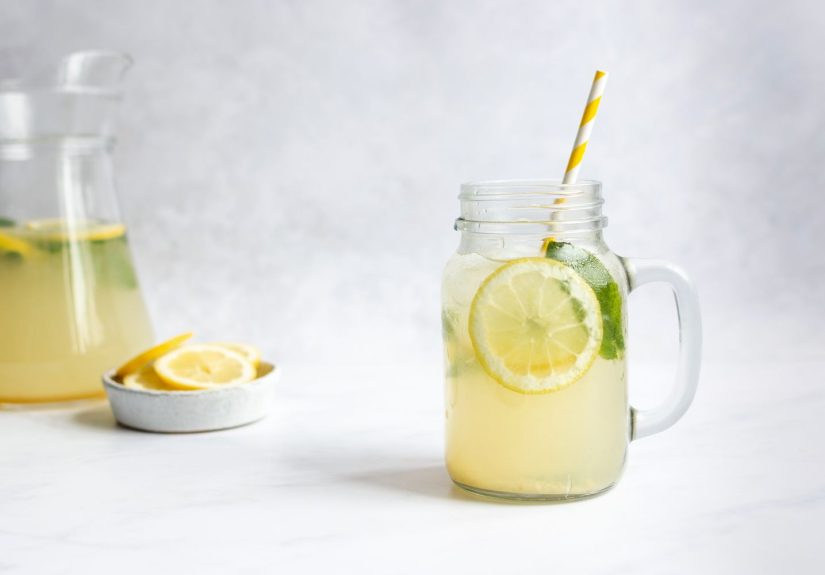
- Garnish with lemon slices, mint sprigs, or a few fresh berries if you’re feeling fancy.
Pro tip: If you’re serving outdoors on a hot day, keep the pitcher in an ice bucket or cooler so
your lemonade stays crisp and refreshing instead of lukewarm and sad.
Flavor Variations You’ll Love
1. Sparkling Agave Lemonade
Replace 1–2 cups of the still water with chilled sparkling water right before serving. This
gives you a bubbly, soda-adjacent lemonade without the corn syrup. Add the sparkling water
gently and stir slowly so you don’t knock all the fizz out.
2. Mint & Ginger Agave Lemonade
Want something spa-level refreshing?
- Add 1–2 tablespoons of freshly grated ginger to the lemon–agave base.
- Toss in a handful of lightly crushed fresh mint leaves before you add the water, then let it
steep in the fridge for 30–60 minutes. - Strain if you prefer a smoother drink, or leave the mint in for extra aroma.
3. Strawberry Agave Lemonade
Blend 1 cup of hulled strawberries with 1/2 cup water until smooth, then strain (if desired) and
stir this puree into your lemonade. You may want to add an extra tablespoon or two of agave to
balance the berry tartness. The result is a gorgeous pink lemonade that feels like a summer
festival in a glass.
4. Herbal Citrus Twist
Swap out 1/4 cup of the lemon juice for lime juice and add a small sprig of rosemary or thyme to
the pitcher while it chills. The herbs give a subtle savory edge that pairs beautifully with
grilled chicken, fish, and Mediterranean-style dishes.
Make-Ahead, Storage, and Freezing Tips
Homemade lemonade is perfect for prepping aheadespecially if you’re hosting a cookout, brunch,
or kids’ party.
- In the fridge. Store your agave lemonade in a covered pitcher in the
refrigerator for up to 4–5 days. Stir well before serving; natural separation is normal. - Keep ice out until serving. Add ice to individual glasses instead of the
pitcher so the lemonade doesn’t turn watery. - Freeze the concentrate. Mix the lemon juice and agave (without water) and
freeze it in ice cube trays or small containers. When you’re ready to serve, dissolve a few
cubes in cold water to make instant lemonade. - Signs it’s time to toss it. If the lemonade smells fermented, looks cloudy in
a strange way, or tastes off, don’t risk itpour it out and start fresh.
Is Agave Lemonade Healthier Than Classic Lemonade?
Short answer: slightly different, not magically “healthy.”
Because agave has a lower glycemic index than table sugar, it generally causes a slower rise in
blood sugar, and you can sometimes use less of it for the same sweetness. It also contains trace
amounts of minerals and plant compounds. However, it’s still mostly fructose and still counts as
added sugar. That means:
- You still want to enjoy it in moderation.
- It’s better than chugging super-sweet soda all day, but it’s not a green smoothie in disguise.
- Pairing it with food (especially meals that include fiber and protein) can help keep your
energy more stable.
The real upgrade here is control: when you make lemonade at home, you can choose how sweet it
is, how strong the lemon flavor should be, and what goes into your glass. That’s already a big
step up from mystery-ingredient store-bought drinks.
Frequently Asked Questions
Can I Use Bottled Lemon Juice?
You can, but you may not want to. Bottled lemon juice tends to taste flat or slightly
bitter compared to fresh-squeezed. If fresh lemons are expensive or hard to find, you can
experiment with a mix: half fresh lemon juice and half bottled. Add a little lemon zest (just
the yellow part) to restore some bright aroma.
Can I Use Dark Agave Nectar?
Yes, but know that it will bring a deeper, almost molasses-like flavor and a slightly darker
color to your lemonade. If you love caramel or brown sugar notes, dark agave can be fun to play
with. For a classic, clean lemonade, light agave is the safer choice.
Can I Swap Agave for Honey or Maple Syrup?
Absolutely. Honey and maple syrup both make delicious lemonade, but they have stronger flavors
than agave. If you substitute:
- Start with slightly less honey or maple than the agave amount and adjust to taste.
- Expect more “personality” from the sweetenerhoney and maple won’t disappear into the
background the way agave does.
How Do I Scale the Recipe for a Party?
Multiply everything by 3 for about 18 servings:
- 3 cups lemon juice
- 1 1/2–2 cups agave nectar
- 12 cups water
Mix in a large drink dispenser, keep it on ice, and set out sliced lemons, limes, and herbs so
guests can customize their glasses.
Real-Life Tips & Experiences with Homemade Agave Lemonade
Once you start making homemade agave lemonade, it quietly becomes your “thing.” Friends start
asking, “Are you bringing the lemonade?” Kids mysteriously appear when they hear ice clinking.
And somewhere around your third or fourth batch, you realize you’ve learned a surprising amount
from a very simple drink.
One of the first lessons people discover is that sweetness is wildly personal.
The same pitcher that tastes “perfect” to you might be too tart for one friend and too sweet for
another. That’s why keeping a small squeeze bottle of agave next to the pitcher is a game
changer. Start with a balanced base, then let each person tweak their own glass. It turns a
basic drink into a mini DIY station without any extra work for you.
Another experience that comes up quickly: temperature matters more than you think.
The exact same lemonade tastes dramatically better when it’s very cold. If you’ve ever tried to
serve it right after mixing, you might have noticed people sipping politely instead of
enthusiastically. Chill it thoroughly first or pour it over plenty of ice, and suddenly everyone
is asking for seconds. For outdoor gatherings, many hosts discover that a simple insulated
cooler or an ice bath under the drink dispenser keeps the lemonade bright and refreshing all
afternoon.
Home cooks also learn that garnishes aren’t just decoration. A few sprigs of
fresh mint or a handful of sliced strawberries can subtly change the flavor, not just the look.
If you ever make a batch that feels “fine but not exciting,” tossing in a handful of fresh herbs
or citrus slices and letting them steep for 20–30 minutes can upgrade it from basic to
special-occasion without changing the core recipe.
Hosting families often find that agave lemonade becomes a versatile base drink.
For kids, you can keep it classic and fun with colorful straws and fruit garnishes. For adults,
the same lemonade can be turned into a light cocktail with a splash of vodka, gin, or tequila
(yes, tequila is made from agave, so it pairs surprisingly well). That means you can prep one
big batch and customize individual glasses instead of juggling multiple separate drink recipes.
Many people who switch from sugar to agave in their lemonade also notice a practical benefit:
no more gritty bottom-of-the-glass sugar situation. Because agave is liquid, it
blends more easily and stays evenly dispersed. That makes a difference when you’re mixing large
batches quickly or when kids are impatiently staring at you while you stir.
Finally, there’s a small but satisfying joy in having a signature “house” drink.
A simple homemade agave lemonade checks all the boxes: it’s easy, it feels a little more special
than store-bought, and it’s endlessly customizable. Over time, you’ll probably tweak the ratios,
claim a favorite variation (maybe mint-lime or strawberry-ginger), and quietly build your own
lemonade traditionone sunny afternoon and one chilled glass at a time.