Table of Contents >> Show >> Hide
- First, a quick reality check: “Pruning” vs. “Trimming” vs. “Shearing”
- When to prune boxwood: the sweet spot (and the “please don’t” zone)
- 7 Must-Know Tips for Pruning Boxwood Like You Mean It
- Tip 1: Decide what you’re aiming for (health, size, or shape)
- Tip 2: Time big cuts for springavoid late-season “panic pruning”
- Tip 3: Start with a health inspection (boxwoods hide drama well)
- Tip 4: Thin the interior so sunlight can reach the “forgotten” branches
- Tip 5: Use sharp toolsand sanitize when disease risk is high
- Tip 6: Shape for sunlight: keep the top slightly narrower than the bottom
- Tip 7: Renovate overgrown boxwoods slowly (the one-third rule saves hearts)
- Step-by-step: a “no regrets” boxwood pruning session
- Common boxwood pruning problems (and what they usually mean)
- FAQ: Quick answers for real-life schedules
- Final cut: What healthy boxwood pruning looks like
- Field Notes: of Real-World Boxwood Pruning Experience
Boxwoods are the reliable friends of the landscape world: always green, always there, and quietly judging your edging lines. But when they get shaggy, sparse inside, or start looking like a lopsided meatball, it’s time to prune. The trick is knowing when to cut (so you don’t invite winter damage) and how to cut (so you don’t end up with a crispy outer shell and a sad, bare interior).
This guide breaks pruning down into practical, real-life stepsplus seven must-know tips that will help you shape healthier shrubs, improve airflow, and keep your boxwood hedge from turning into a green “helmet” with no hair underneath.
First, a quick reality check: “Pruning” vs. “Trimming” vs. “Shearing”
People use these words interchangeably, but boxwoods don’t care about your vocabularythey care about your technique. Here’s the simple breakdown:
- Pruning = targeted cuts to remove dead/damaged wood or reduce size.
- Thinning = selectively removing interior stems to let light and air in (boxwoods love this).
- Trimming = light shaping to tidy growth.
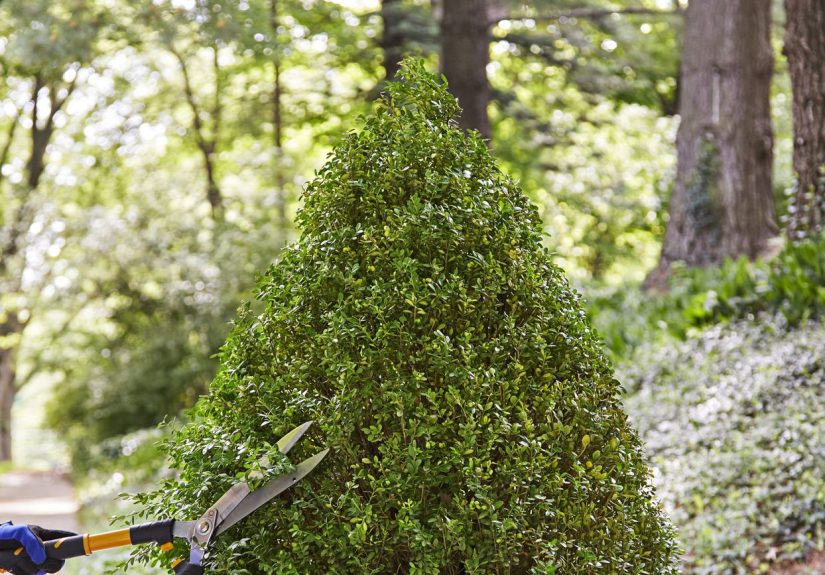
- Shearing = “haircut mode,” clipping the outside surface with hedge shears or a trimmer.
If you only shear, you can create a dense outer layer that blocks sunlightso the inside slowly gives up and turns woody. A healthy boxwood usually needs some thinning mixed in, especially if it’s a hedge or topiary.
When to prune boxwood: the sweet spot (and the “please don’t” zone)
In most U.S. climates, the best time for meaningful boxwood pruning is late winter to early spring (before the main flush of new growth), or mid- to late spring for shaping once new growth starts and you’re past hard frosts. A light summer touch-up can be okay in many regions, but avoid heavy pruning in late summer or fall because tender new growth may not harden off before cold weather.
A simple seasonal rule you can actually remember
- Late winter/early spring: Best for corrective cuts, thinning, and size reduction.
- Mid- to late spring: Great for shaping after the first flush of growth.
- Mid-summer (optional): Light trim only, especially for formal hedgesstop early enough for your area.
- Fall: Avoid major trimming. (Your future self will thank you when winter hits.)
Zone-based timing examples (because America is a lot of climates)
Use these as a starting point and adjust based on your local frost dates and how fast your boxwoods grow:
- Colder zones (4–5): Major pruning often lands in late spring (late May into June) once frost risk fades.
- Middle zones (6–7): Late winter to early spring thinning is common; shaping often happens in spring.
- Warmer zones (8+): Earlier spring pruning is typical; summer touch-ups are possible but watch heat stress.
7 Must-Know Tips for Pruning Boxwood Like You Mean It
Tip 1: Decide what you’re aiming for (health, size, or shape)
Before you cut anything, figure out what “success” looks like:
- Health rescue: Remove dead, damaged, diseased, or pest-infested branches first.
- Size control: Reduce height/width gradually (especially on older plants).
- Shape upgrade: Define edges for hedges/topiarywithout turning the shrub into a green bowling ball.
Your goal decides your method. If you want long-term health, you’ll thin. If you want crisp geometry, you’ll shearbut you’ll still thin sometimes.
Tip 2: Time big cuts for springavoid late-season “panic pruning”
The biggest boxwood mistake is pruning hard right before cold weather because the plant looks “messy.” That’s like getting a buzz cut right before a blizzard and then acting surprised you’re cold.
Heavy pruning stimulates new growth. If that growth appears late in the season, it can be damaged by early frosts. If you must remove a broken or clearly diseased branch, do it any timebut save serious reshaping for the safer window.
Tip 3: Start with a health inspection (boxwoods hide drama well)
Boxwoods are dense, which means problems can lurk inside. Before you shape the exterior, open the canopy a bit and look for:
- Dead twigs (snaps easily, no green under bark)
- Crossing branches that rub and create wounds
- Pest damage (leaf curling, stippling, or clusters of discolored leaves)
- Diseased foliage (unusual spotting or dieback patterns)
Make these cuts first. It cleans up the plant and makes shaping more accuratebecause you’re not styling around dead wood.
Tip 4: Thin the interior so sunlight can reach the “forgotten” branches
If you’ve ever seen a boxwood that’s green on the outside and bare inside, you’ve met the result of “shear-only living.” Thinning solves that by letting light into the center and improving airflow, which can help reduce stress and some disease pressure.
How to thin (without turning your shrub into modern art)
- Use hand pruners, not hedge trimmers.
- Reach inside and remove a few older stems back to a junction (where a smaller branch meets a bigger one).
- Step back every few cuts. You want “airy,” not “suddenly transparent.”
A good rule: thin a little from all sides rather than gutting one spot. The goal is even light penetration, not a surprise window.
Tip 5: Use sharp toolsand sanitize when disease risk is high
Boxwood leaves are small and stems are fine. Dull blades crush instead of cut, which can leave browned tips and ragged edges. Keep your tools sharp and clean.
- Hand pruners: best for thinning and selective pruning
- Hedge shears: best for controlled shaping (especially small hedges)
- Powered trimmers: fast for long hedges, but easy to overdo
If boxwood blight is known in your region (or you suspect disease), sanitation matters. Clean debris off tools and disinfect between plants, especially if you’re cutting anything that looks unhealthy. Also, don’t leave clippings scattered where they can spread problemsbag and dispose when disease is a concern.
Tip 6: Shape for sunlight: keep the top slightly narrower than the bottom
Want a hedge that stays full from top to bottom? Give it a subtle taperwider at the base, slightly narrower at the top. This lets light reach lower branches so they don’t thin out over time.
Example: a simple “taper trick” for hedges
If your hedge is 36 inches wide at the bottom, aim for about 30–32 inches near the top. It’s a small change that makes a big difference in long-term density.
Bonus: Avoid sunscald and scorch
If you shear aggressively during intense heat or suddenly expose shaded interior leaves to blazing sun, you can get scorch or sunscald. When possible, do bigger shaping on mild, overcast daysor at least avoid the hottest afternoons.
Tip 7: Renovate overgrown boxwoods slowly (the one-third rule saves hearts)
Overgrown boxwoods can be brought back, but patience is part of the deal. A common approach is the one-third rule: don’t remove more than about one-third of the plant’s total growth in a season. That reduces stress and helps the shrub refill gradually.
Two practical rejuvenation options
- Phased reduction: Reduce size over 2–3 seasons, thinning and shortening gradually.
- Hard rejuvenation (riskier): In severe cases, cutting back to a low framework can work, but recovery may take multiple seasons and success varies by plant health and site conditions.
After a renovation prune, focus on aftercare: consistent watering (not soggy soil), a protective mulch layer (not piled against the stems), and avoiding extra stress like heavy fertilizing in late season.
Step-by-step: a “no regrets” boxwood pruning session
- Choose a good day: mild temps, no extreme heat, and ideally a dry window.
- Clean tools: sharp blades, disinfect if disease is a concern.
- Remove dead/damaged wood first: cut back to healthy tissue or a branch junction.
- Thin selectively: remove a handful of older interior stems across the plant.
- Shape lightly: shear or hand-trim the exterior, taking small amounts at a time.
- Check symmetry: step back often; boxwoods punish optimism.
- Clean up clippings: especially important if pests/disease are present.
Common boxwood pruning problems (and what they usually mean)
“My boxwood turned brown after trimming!”
Browning can come from a few common causes:
- Sun/heat scorch: too much exposure too fast, especially after aggressive shearing.
- Dull blades: crushed tips dry out and brown.
- Winter injury showing later: damage can become obvious as spring growth starts.
- Pests or disease: especially if dieback looks patchy or spreads.
Solution: prune out dead tips with clean, sharp pruners, thin for airflow, and avoid repeating the same timing mistake. If symptoms progress, consult local extension guidance for diagnosis.
“It’s bare insidewill it fill back in?”
Often, yesespecially if you start thinning and stop over-shearing. But boxwoods refill slowly, and older woody interiors may take time. A gradual approach usually wins: thin, shape lightly, repeat in the right season, and give it a couple of growth cycles.
FAQ: Quick answers for real-life schedules
How often should I prune boxwood?
Many boxwoods do well with one thoughtful pruning/thinning session in spring. Formal hedges may get a spring shaping plus a light summer touch-up. The faster the growth (and the stricter the shape), the more often you’ll trim.
When is it too late to prune boxwood?
When your cuts would trigger tender growth that can’t harden off before frost. In many areas, that means avoiding significant trimming in late summer and fall. If you’re unsure, keep it to deadwood removal and wait for spring.
Can I hard-prune boxwoods?
Boxwoods can tolerate significant pruning, but results depend on plant health, variety, and timing. If you need drastic size reduction, do it in stages and keep the plant’s recovery pace in mind.
Final cut: What healthy boxwood pruning looks like
The best-looking boxwoods aren’t the ones that get the most cuttingthey’re the ones that get the right cutting at the right time: spring thinning for airflow, gentle shaping for form, and patient renovation for overgrown shrubs. Mix technique with timing, and your boxwoods will stay dense, green, and far less likely to become a crispy outer shell hiding a twiggy secret.
Field Notes: of Real-World Boxwood Pruning Experience
If you want the honest truth, boxwood pruning is less like “gardening” and more like giving a haircut to someone who can’t tell you what they want. The first time I tried to “perfect” a hedge, I did what many people do: I sheared the outside until it looked crisp and tidythen walked away feeling like a suburban Michelangelo. Two months later, the hedge looked fine from the street… and horrifying up close. The outer inch was dense and glossy. The inside? A dry tangle of twigs, like a small haunted forest.
That was my introduction to thinning. The moment you reach inside a boxwood and snip out a few older stems, you can practically feel the plant sigh. Light gets in. Air moves. You stop creating that “green wall” effect where everything inside is slowly starving. Now, when I prune, I treat thinning as the main event and shearing as the finishing touchlike sanding after you cut a piece of wood. It’s not as dramatic, but the results last longer.
I’ve also learned timing the hard way. Once, I trimmed a boxwood hedge late in the season because it looked shaggy before company came over. (Landscaping vanity is real.) The hedge pushed soft new growththen an early cold snap hit. By spring, the tips looked burned and brittle, and I spent the next month snipping off damage I created with my own impatience. Now I keep a simple rule: if I’m close enough to fall that nights are cooling fast, I only remove deadwood and stop trying to “perfect” the shape.
Another lesson: sharp tools matter more than people think. A dull hedge trimmer can leave torn, crushed tips that brown like over-toasted bread. It’s especially noticeable on boxwood because the leaves are small and the plant is so dense. When I switched to sharpened shears and slowed down, the hedge looked cleaner immediatelyand it stayed cleaner. I also pay more attention to weather. Big trims on scorching afternoons can expose interior foliage that isn’t used to full sun, leading to scorch. If I need to reshape, I’d rather do it on a mild, cloudy day than during peak heat.
Lastly: stepping back is a superpower. Boxwoods will trick you into chasing symmetry from six inches away. You clip one bump, create another, clip that, and suddenly your “round” shrub is a slightly oval tribute to your overconfidence. Now I take three steps back every minute or two, look from multiple angles, and stop earlier than I think I should. You can always cut more. You can’t staple leaves back on.