Table of Contents >> Show >> Hide
- Lupus 101: What’s happening inside the body?
- Why lupus symptoms can come and go (the flare/remission pattern)
- How lupus affects the body system by system
- 1) Skin and hair: when lupus shows up where everyone can see it
- 2) Joints and muscles: the “I feel 90 years old” moments
- 3) Kidneys: lupus nephritis (the quiet troublemaker)
- 4) Heart and blood vessels: inflammation today, risk over time
- 5) Lungs and the chest lining: when breathing hurts
- 6) Blood and immune system: fatigue, bruising, and infection risk
- 7) Brain and nerves: “lupus fog” and other neurologic effects
- 8) Eyes, mouth, and digestive system: the “miscellaneous” category that still matters
- 9) Hormones, fertility, and pregnancy: planning matters (and help exists)
- Short-term symptoms vs. long-term damage
- How doctors monitor lupus (even when you feel okay)
- Treatment: calming the immune system without turning it off
- Everyday strategies that can genuinely help
- When to seek urgent medical care
- Real-life experiences: what living with lupus can feel like (about )
- Conclusion
Lupus is like having an overprotective security system in your body: it’s supposed to spot intruders,
but sometimes it gets a little too enthusiastic and starts tackling the furniture. In medical terms,
lupus is an autoimmune diseasemeaning your immune system can mistakenly attack healthy tissues and trigger
inflammation. That inflammation can show up in obvious places (like your skin) or in sneakier places
(like your kidneys), which is why lupus can feel unpredictable, frustrating, andlet’s be honestunfair.
The most common type is systemic lupus erythematosus (SLE), and “systemic” is the key word:
it can affect multiple organ systems, not just one spot. The goal of this guide is to explain
how lupus affects the body, what those effects can look like day-to-day, and why treatment
often focuses on preventing long-term damagenot just calming today’s symptoms.
Lupus 101: What’s happening inside the body?
Autoimmunity, inflammation, and “friendly fire”
Your immune system normally makes antibodies to fight infections. With lupus, the immune system may produce
antibodies that target your own cells and tissues (often called autoantibodies). That can set off
inflammation, attract more immune activity, and irritate or damage tissues over time.
Think of inflammation as your body’s emergency response team. It’s helpful when a splinter shows up.
It’s not so helpful when the emergency response team keeps showing up to a house that’s not on fire.
Over time, repeated inflammation can lead to scarring or permanent organ changesespecially if the
disease isn’t well controlled.
Types of lupus (quick and useful)
- Systemic lupus erythematosus (SLE): Can involve many organs and systems (the “whole-body” type).
- Cutaneous lupus: Primarily affects the skin (can still overlap with systemic lupus).
- Drug-induced lupus: Lupus-like symptoms triggered by certain medications; often improves after stopping the drug (under medical guidance).
Why lupus symptoms can come and go (the flare/remission pattern)
Lupus often runs in cycles: periods of increased symptoms (called flares) and periods when
symptoms ease (often called remission or low disease activity). During flares, inflammation ramps up.
During calmer stretches, the immune system may be less reactive, and treatment may keep things steady.
Common triggers that can nudge a flare
- Ultraviolet (UV) light (sunlightand sometimes certain indoor lighting)
- Infections (even common viruses can stress the immune system)
- Stress and poor sleep (your immune system notices when you’re running on fumes)
- Hormonal changes (varies by person)
- Medication changes (stopping or missing certain meds can increase flare risk)
Importantly, lupus doesn’t always “announce” itself in the same way every time. You might have a flare that’s
mostly fatigue and joint pain, and later a flare that’s more skin-relatedor you might have quiet organ
inflammation without dramatic symptoms. That’s why regular monitoring matters, even when you feel “mostly fine.”
How lupus affects the body system by system
Lupus can involve many systems at once, but not everyone experiences every type of involvement.
Here’s a practical map of common ways lupus can affect the body.
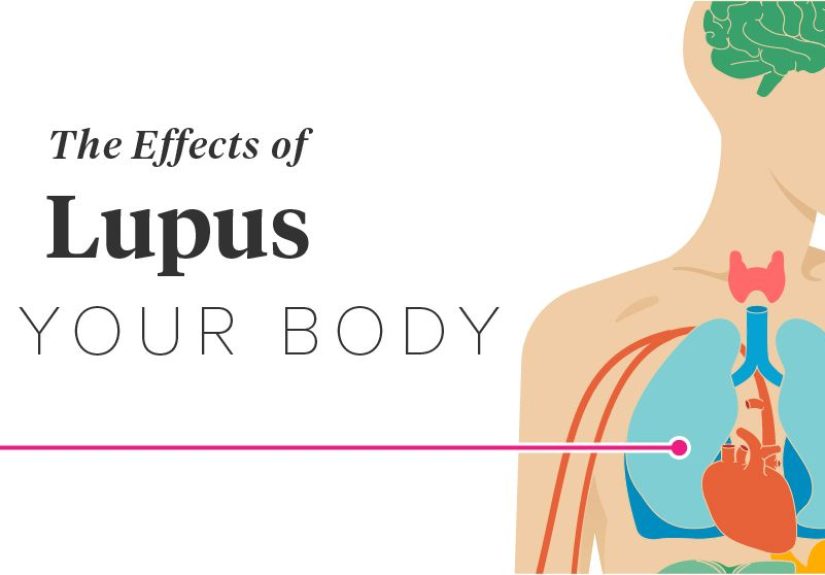
| Body system | How lupus may affect it | Examples of what you might notice |
|---|---|---|
| Skin & hair | Rashes, photosensitivity, sores, hair thinning | Butterfly rash, rash after sun, patchy hair loss |
| Joints & muscles | Inflammation, pain, stiffness | Morning stiffness, swollen fingers, muscle aches |
| Kidneys | Inflammation of kidney filters (lupus nephritis) | Foamy urine, swelling, high blood pressure (or no symptoms early) |
| Heart & blood vessels | Inflammation and higher cardiovascular risk | Chest pain with breathing, shortness of breath, swelling |
| Lungs & chest lining | Pleurisy (lining inflammation), lung involvement | Sharp chest pain when breathing, cough |
| Blood & immune system | Low blood counts, clot risk in some cases | Easy bruising, fatigue from anemia, frequent infections |
| Brain & nerves | Neurologic or cognitive symptoms (varies widely) | Brain fog, headaches, mood changes; rarely seizures or stroke |
1) Skin and hair: when lupus shows up where everyone can see it
Skin involvement is common in lupus and can range from mild to stubborn. Some people get the classic
malar (“butterfly”) rash across the cheeks and nose. Others develop rashes elsewhere,
discoid lesions (which can scar), mouth or nose sores, or sensitivity to sunlight.
Photosensitivity is a big deal: UV exposure can trigger rashes and can also contribute to
overall flare activity in some people. That’s why sun protection isn’t “just skincare”it can be part of
disease management.
Hair changes can happen too. Some people experience diffuse thinning during flares, while others get more
patchy hair loss. The good news: when inflammation calms down, hair often improvesthough scarring lesions
can cause more lasting changes.
2) Joints and muscles: the “I feel 90 years old” moments
Joint pain and stiffness are among the most common lupus complaints. Lupus arthritis can cause swelling,
tenderness, and morning stiffnessoften affecting hands, wrists, and knees. Unlike some other inflammatory
arthritides, lupus-related joint damage is often less erosive, but the pain and swelling can still be very real.
Muscles can also get involved, causing aches or weakness. And sometimes, the body’s pain “volume” turns up
because chronic inflammation can sensitize the nervous system. Translation: even normal activities can feel
like your body is filing a complaint about them.
3) Kidneys: lupus nephritis (the quiet troublemaker)
The kidneys filter waste and help regulate blood pressure and fluid balance. In lupus nephritis,
immune activity inflames parts of the kidneyespecially the filtering units. This matters because kidney
inflammation can cause lasting damage if not treated early.
What makes lupus nephritis tricky is that early disease may cause few symptoms. When symptoms do show up,
people may notice:
- Foamy urine (a clue for protein in the urine)
- Blood in the urine (sometimes not visible)
- Swelling in legs, feet, hands, or around the eyes
- Weight gain from fluid retention
- High blood pressure
- More urination at night
Because it can be silent, routine urine tests and labs are a big part of lupus careespecially early in the
disease and during flares.
4) Heart and blood vessels: inflammation today, risk over time
Lupus can inflame the lining around the heart (pericarditis) or contribute to inflammation
in blood vessels. Beyond inflammation, lupus is also associated with a higher risk of cardiovascular disease,
including heart attack and strokesometimes at younger ages than expected.
Why? It’s usually a combination of:
chronic inflammation, steroid exposure (for some), and traditional risk factors like high blood pressure,
cholesterol issues, diabetes, or smoking. The practical takeaway is simple: protecting your heart becomes
part of lupus managementeven if your main symptoms are “just fatigue and joint pain.”
5) Lungs and the chest lining: when breathing hurts
Lupus can inflame the lining around the lungs (pleurisy). People often describe a sharp chest
pain that gets worse with deep breaths, coughing, or sneezing. Some may develop fluid around the lungs.
Lung involvement can also cause cough or shortness of breath.
Chest symptoms are always worth taking seriously. Many conditions can cause chest pain, and lupus is only one
possibilityso it’s a “call your clinician” situation, not a “power through it” situation.
6) Blood and immune system: fatigue, bruising, and infection risk
Lupus can affect blood cell counts. Some people develop:
- Anemia (low red blood cells), which can worsen fatigue and shortness of breath
- Leukopenia (low white blood cells), which can increase infection vulnerability
- Thrombocytopenia (low platelets), which can raise bruising/bleeding risk
On top of that, many lupus medications work by calming immune activity. Helpful for controlling lupusyes.
But it can also raise infection risk. That’s why clinicians often talk about vaccines, hand hygiene,
and quick attention to fevers (especially if you’re taking immunosuppressive therapy).
7) Brain and nerves: “lupus fog” and other neurologic effects
Lupus can affect the nervous system in different ways. Some people experience cognitive symptoms often nicknamed
“brain fog”like trouble concentrating, slower recall, or feeling mentally “fuzzy.”
Others may have headaches, mood changes, or nerve symptoms such as numbness or tingling.
More serious neurologic involvement can occur but is less common. The important thing is not to self-diagnose:
brain fog, headaches, and mood changes can have many causes (sleep, stress, anemia, medication effects, depression,
thyroid issues, and more). Lupus may be one factor, but it’s rarely the only suspect.
8) Eyes, mouth, and digestive system: the “miscellaneous” category that still matters
Lupus can cause mouth sores and dryness. Some people experience dry eyes or irritation. Digestive symptoms can happen
toosometimes from lupus activity, sometimes from medications (hello, NSAID stomach upset), and sometimes from
completely unrelated issues.
The big lesson: lupus is systemic, but your symptoms still deserve a specific explanation. “It’s probably just lupus”
is not a satisfying planespecially when treatable issues like reflux, medication irritation, or infection might be involved.
9) Hormones, fertility, and pregnancy: planning matters (and help exists)
Many people with lupus have healthy pregnancies, but pregnancy can be higher-riskespecially if lupus is active or
if there’s a history of kidney disease. Some antibodies (like antiphospholipid antibodies or anti-Ro/SSA antibodies)
can raise the risk of pregnancy complications and require specialized monitoring.
If pregnancy is on your horizon, the ideal strategy is boring but powerful: plan it during a stable period, coordinate
care (rheumatology + OB/MFM), and review medications early. The goal is fewer surprisesbecause pregnancy already comes
with enough surprises all on its own.
Short-term symptoms vs. long-term damage
Lupus can cause day-to-day symptoms (fatigue, joint pain, rash) that affect quality of life. But clinicians also worry about
something quieter: organ damage over time. Damage can happen from uncontrolled inflammation, and sometimes from
medication side effects (especially prolonged high-dose steroids).
That’s why modern lupus care often focuses on:
- Keeping disease activity low (fewer flares, less inflammation)
- Protecting organs (especially kidneys, heart, brain)
- Using the lowest effective steroid dose (or avoiding long-term steroids when possible)
- Preventing complications (infections, bone loss, cardiovascular disease)
How doctors monitor lupus (even when you feel okay)
Monitoring helps distinguish “I’m tired because life is a lot” from “I’m tired because my immune system is
doing parkour again.” Common monitoring tools include:
- Symptom tracking (fatigue, pain, rashes, fevers, chest symptoms, swelling)
- Blood tests (blood counts, kidney function, inflammation markers, complement levels, specific antibodies)
- Urine tests (protein and blood in urinekey for kidney screening)
- Blood pressure checks (kidney and cardiovascular health)
- Imaging when needed (for chest symptoms, heart concerns, etc.)
If you take away one thing: lupus care isn’t just about treating a flare. It’s about preventing the kind of silent inflammation
that can lead to long-term problems later.
Treatment: calming the immune system without turning it off
Lupus treatment isn’t one-size-fits-all. It’s more like building a playlist: the right mix depends on your symptoms, organs involved,
flare frequency, other health conditions, and how your body responds over time.
Core medications (common building blocks)
- Hydroxychloroquine: Often used as a foundation therapy for SLE because it can reduce flares and help control symptoms.
- NSAIDs (like ibuprofen or naproxen): May help joint pain and inflammation for some people (not appropriate for everyone).
- Corticosteroids (like prednisone): Helpful for controlling significant inflammation quickly, but long-term high doses can cause major side effects.
Steroid-sparing options (for ongoing control)
When lupus is more active or involves organs, clinicians may use medications that more specifically reduce immune activity.
Examples include:
- Mycophenolate, azathioprine, or methotrexate (chosen based on symptoms and organ involvement)
- Cyclophosphamide in certain severe situations (often for serious organ disease)
Targeted therapies (newer options)
In recent years, targeted medications have expanded options for some people with lupus:
- Belimumab (Benlysta): A targeted therapy approved for SLE and also approved for active lupus nephritis in adults.
- Anifrolumab (Saphnelo): Approved for moderate to severe SLE in adults receiving standard therapy.
- Voclosporin (Lupkynis): Approved as an oral therapy for active lupus nephritis in adults (used with other treatments).
The point of listing these isn’t to turn your browser into a pharmacy catalog. It’s to show that lupus treatment has optionsespecially compared to the
“good luck and a steroid prescription” era that many people had to endure in the past.
Everyday strategies that can genuinely help
Medication is crucial for many people, but daily habits can support stability and reduce avoidable triggers.
Consider these practical, clinician-approved basics:
Sun and light protection
- Use broad-spectrum sunscreen and reapply as directed.
- Wear protective clothing (hats, long sleeves, UV-protective fabrics).
- Plan outdoor time to avoid peak UV hours when possible.
Heart protection (because lupus doesn’t stop at the joints)
- Keep blood pressure and cholesterol in check (with your clinician’s help).
- If you smoke, ask for support to stopyour heart and immune system will both cheer.
- Choose movement you can sustain: walking, strength training, gentle cardio, stretching.
Fatigue management (a.k.a. pacing like a pro)
- Prioritize sleep as if it’s part of your prescription (because it kind of is).
- Use “energy budgeting”: do the must-dos, then plan recovery time.
- Tell your clinician about fatigueanemia, thyroid issues, sleep disorders, depression, and medication effects can pile on.
Infection awareness
If you’re on immunosuppressive therapy, ask your clinician which vaccines you should get and which you should avoid.
Don’t guessvaccine recommendations can depend on the specific medication and dose.
When to seek urgent medical care
Lupus symptoms can overlap with many other conditions. Seek urgent evaluation if you have:
- Chest pain, trouble breathing, or sudden shortness of breath
- New confusion, severe headache, weakness on one side, fainting, or seizure
- High fever (especially if you take immunosuppressive medications)
- Severe swelling, very high blood pressure, or significantly decreased urination
- Severe abdominal pain or signs of serious infection
This isn’t meant to scare youit’s meant to give you a “don’t wait this out” list. Lupus is manageable, but certain symptoms deserve fast attention.
Real-life experiences: what living with lupus can feel like (about )
Medical descriptions of lupus are helpful, but they can feel oddly flatlike reading the ingredient list instead of tasting the meal.
In real life, people often describe lupus as a condition with “invisible” effects that still shape everything from work and school to friendships
and self-confidence.
One of the most common experiences is unpredictability. Someone may feel steady for weeks, then get hit with a flare that brings fatigue,
joint pain, or a rash that seems to appear out of nowhere. That unpredictability can make planning difficult. People sometimes learn to build flexible
scheduleschoosing activities they can adjust, keeping backup plans, and treating rest as a strategy instead of a failure.
Fatigue is another theme that comes up again and again. This isn’t always “I stayed up too late” tired. People often describe it as
a heavy, full-body exhaustion that doesn’t match what they did that day. It can feel frustrating because it may not look dramatic from the outside.
A student might seem “fine,” but concentrating in class can feel like doing math underwater. An adult might make it through a work shift, then need
hours to recover afterward.
Many also talk about brain fogthose moments when memory and focus don’t cooperate. It can show up as losing words mid-sentence,
rereading the same paragraph three times, or walking into a room and forgetting why. People often find that reducing stress, protecting sleep, and
addressing treatable contributors (like anemia, pain, depression, or medication side effects) can make a differencebut it can still be an on-and-off
experience.
Then there’s the social side. Because lupus symptoms can fluctuate, people may worry about being seen as unreliable. Canceling plans due to a flare
can feel awkward, even when it’s necessary. Over time, many people learn to communicate in clear, simple terms: “My symptoms are flaring todaycan we
reschedule?” Supportive friends and family usually respond well to directness, especially when they understand that pushing through can sometimes make
the flare worse.
Treatment experiences can be mixed. Some people feel relief when medication finally reduces flareslike getting their life “volume” turned back down.
Others struggle with side effects, trial-and-error dosing, and the emotional weight of long-term care. Appointments, lab tests, and monitoring can
start to feel like a part-time job. A lot of people cope by building routines: keeping a symptom journal, using reminders for meds, bringing a short
symptom list to appointments, and celebrating small wins (like a stable lab result or a month with fewer flare days).
If there’s a takeaway from these lived experiences, it’s this: lupus is not just a list of symptomsit’s a condition that affects energy, planning,
confidence, and identity. But with good medical care, practical routines, and real support, many people find a rhythm that lets them do meaningful,
enjoyable thingswithout letting lupus write the whole script.
Conclusion
So, how does lupus affect the body? In short: lupus can cause immune-driven inflammation that may involve the skin, joints, blood, brain, lungs, heart,
kidneys, and more. The exact pattern varies from person to person, and symptoms often rise and fall with flares. The most important strategy is a
combination of smart medical treatment, regular monitoring (especially for kidneys and cardiovascular risk), and daily habits that reduce triggers and
protect long-term health. If you suspect lupus or already live with it, partnering with a clinicianoften a rheumatologistis the best way to turn
“unpredictable” into “manageable.”