Table of Contents >> Show >> Hide
- What Is Glyphosate Residue?
- The Most Effective Ways to Reduce Glyphosate Residue in Food
- A Budget-Friendly Glyphosate-Reduction Shopping Plan
- How to Reduce Glyphosate Exposure at Home
- Protect Your Vegetable Garden From Spray Drift
- What About Glyphosate in Drinking Water?
- Common Myths About Removing Glyphosate
- Experience-Based Lessons: What a Realistic Low-Residue Routine Looks Like
- Conclusion
Trying to avoid glyphosate residue can feel like playing grocery-store detective with no badge, no magnifying glass, and a cart that keeps pulling left. Complete avoidance is difficult because glyphosate is widely used, but meaningful exposure reduction is realistic. Focus on high-impact habits: choose certified organic versions of selected foods, wash produce correctly, reduce unnecessary herbicide use, prevent spray drift, and treat dramatic “detox” claims with the suspicion they richly deserve.
What Is Glyphosate Residue?
Glyphosate is a nonselective systemic herbicide used to control grasses and broadleaf weeds. “Systemic” means the plant can absorb and move the chemical through its tissues. A residue is the small amount of glyphosate or a related breakdown product that remains in or on a commodity after agricultural use.
In the United States, the Environmental Protection Agency sets legal tolerances for pesticide residues on specific foods, while federal monitoring programs test portions of the food supply. A tolerance is a regulatory limit, not a promise of zero residue. It is also important to keep the risk in perspective: national monitoring generally finds that the overwhelming majority of tested foods are below federal pesticide limits. That broad finding covers many pesticides, however, and does not tell you the residue level in the exact bag of oats sitting in your pantry.
Research continues, so consumers can take reasonable precautions without abandoning nutritious foods. Skipping fruits, vegetables, beans, and whole grains would be an impressively bad trade: fewer nutrients in exchange for more anxiety.
The Most Effective Ways to Reduce Glyphosate Residue in Food
1. Prioritize USDA Certified Organic Foods Strategically
USDA organic crop standards prohibit the use of glyphosate. That makes certified organic food the clearest label-based option for shoppers who want to reduce dietary exposure. Organic does not mean “chemically untouched,” and trace contamination can still occur through drift, shared equipment, transportation, or environmental carryover. Still, choosing organic changes the production rules upstream, which is more powerful than trying to scrub away every concern at the kitchen sink.
You do not have to replace your entire grocery list overnight. Start with foods you eat frequently. If oatmeal appears at breakfast five mornings a week, organic oats may be a more meaningful purchase than an organic dragon fruit you buy once during a burst of tropical optimism. Other reasonable priorities can include frequently eaten wheat products, dry beans, lentils, chickpeas, soy foods, and grain-based snacks.
2. Understand What Food Labels Doand Do NotMean
Look for the USDA Organic seal rather than relying on vague phrases such as “natural,” “farm fresh,” or “clean.” Those terms do not establish that glyphosate was prohibited during production. Likewise, a “Non-GMO” label addresses genetic engineering standards; it is not automatically a pesticide-residue claim. A non-GMO cracker can still be made from conventionally grown ingredients.
At farmers markets, ask specific questions instead of asking whether food is “spray-free,” a phrase that can mean different things to different sellers. Better questions include: “Do you use glyphosate anywhere on the farm?” “Is it used before harvest?” and “Are these crops certified organic?” A clear answer is more useful than a rustic chalkboard and a sunflower logo.
3. Diversify Your Diet, Brands, and Grain Sources
Eating the same food from the same producer every day can repeatedly expose you to the same production pattern. Dietary variety is already good nutritional advice, and it also reduces dependence on any one possible residue source. Rotate oatmeal with eggs, yogurt, fruit, buckwheat, quinoa, or other breakfast choices. Alternate wheat-based snacks with nuts, popcorn, fruit, or corn tortillas. Vary brands and suppliers when convenient.
4. Wash Produce Correctly
Rinse fresh fruits and vegetables under clean running water while gently rubbing the surface. Scrub firm produce, such as potatoes, melons, carrots, and cucumbers, with a clean produce brush. Remove damaged areas and discard the outer leaves of lettuce or cabbage. Wash produce before peeling so a knife does not carry surface material into the edible portion.
Do not wash produce with dish soap, bleach, laundry detergent, or homemade chemistry experiments. Fruits and vegetables are porous, and soap residues can be swallowed. Commercial produce washes are not necessary for routine home use.
Washing helps remove dirt and can reduce some surface pesticide residues, but it cannot reliably remove glyphosate that has been absorbed into plant tissue. Think of rinsing as useful housekeeping, not a molecular eviction notice.
5. Peel, Trim, and Cook When It Makes Culinary Sense
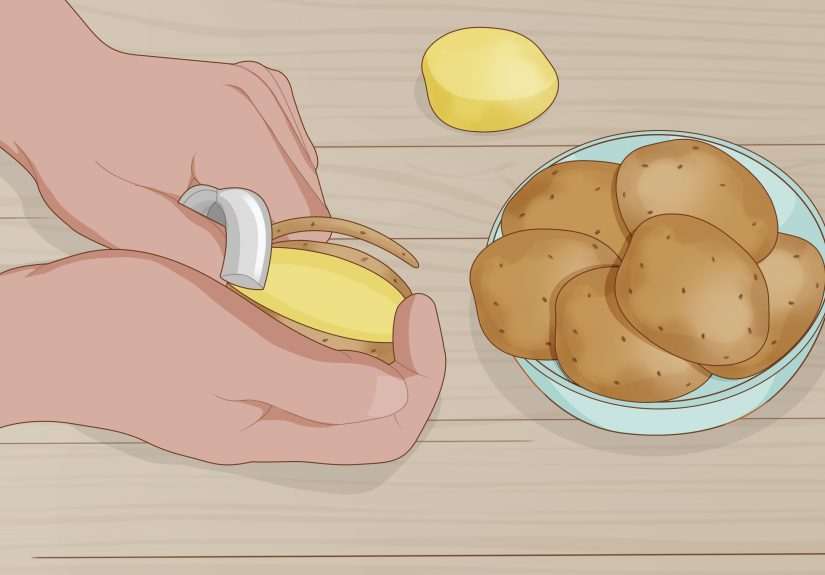
Peeling, trimming outer leaves, and removing surface material may reduce residues located mainly on the exterior. Cooking and food processing can also change pesticide concentrations, but the effect varies by food, chemical, temperature, water use, and processing method. There is no universal rule that boiling, baking, or soaking eliminates glyphosate.
Do not peel every apple into nutritional sadness merely to chase theoretical perfection. Peels often contain fiber and beneficial plant compounds. Use peeling as a targeted option when the skin is damaged, visibly dirty, not normally eaten, or when you have a specific reason for concern.
A Budget-Friendly Glyphosate-Reduction Shopping Plan
Reducing exposure should not wreck the food budget. Use a priority system rather than treating every conventional item as forbidden.
- Upgrade repeat foods first: Buy organic versions of foods eaten daily or several times a week.
- Use store brands: Organic store-brand oats, beans, pasta, flour, and frozen produce are often less expensive than premium “wellness” brands.
- Buy dry staples in bulk: Compare unit prices for organic rice, lentils, beans, and grains.
- Use frozen organic produce: It is nutritious, lasts longer, and reduces the costly ritual of throwing wilted spinach into the trash.
- Keep eating conventional produce: When organic is unavailable or unaffordable, wash conventional fruits and vegetables and enjoy them. A balanced diet remains the priority.
How to Reduce Glyphosate Exposure at Home
Use Nonchemical Weed Control First
For patios, driveways, lawns, and garden beds, begin with hand-pulling, hoeing, mulching, edging, dense planting, or repeated mowing. Remove weeds before they set seed. A thick layer of appropriate mulch can suppress new growth and reduce the need for herbicides.
These methods require more patience than spraying, but they also eliminate mixing errors, accidental overspray, and the special thrill of realizing the wind has changed direction after you pulled the trigger.
If You Use a Glyphosate Product, Follow the Exact Label
The product label determines where, how, and at what rate the herbicide may be used. Wear all required personal protective equipment, which may include chemical-resistant gloves, eye protection, long sleeves, long pants, shoes, and socks. Do not assume that “ready to use” means “ready to splash on your ankles.”
Avoid spraying on windy days or when rain could wash the product away. Use the lowest effective amount allowed by the label, spot-treat individual weeds rather than broadcasting over a large area, and keep the spray away from edible plants, play areas, pet bowls, wells, drains, and surface water. Keep children and pets out of treated areas for the period stated on the label.
Prevent Take-Home Residue
After handling herbicides, wash your hands before eating, drinking, smoking, or touching your face. Remove work shoes at the door. Change clothing, shower when appropriate, and wash contaminated workwear separately from household laundry. Clothing soaked with concentrated pesticide may need to be discarded according to label and local disposal instructions rather than put through the washing machine.
Store herbicides in their original labeled containers, locked away from children and pets. Never transfer them into beverage bottles, food jars, or unmarked sprayers. That shortcut has “future emergency-room story” written all over it.
Protect Your Vegetable Garden From Spray Drift
Herbicide droplets can move off target during application. If your garden borders a treated lawn, farm, roadside, or neighboring property, communication matters. Tell nearby applicators where sensitive edible plants are located and ask them not to spray when wind is blowing toward the garden.
Create distance between edible beds and areas likely to be treated. Fences, hedges, and buffer strips may help reduce direct droplet movement, although they cannot guarantee protection. Covering a garden temporarily may help during a nearby application only if it can be done safely and the cover is removed without transferring residue to plants.
If you suspect direct drift onto edible crops, document the date, weather, visible plant symptoms, and any information about the product used. Contact your state pesticide regulatory agency or local extension service for guidance. Washing cannot guarantee removal of an unknown systemic herbicide exposure, so do not guess when the extent of contamination is unclear.
What About Glyphosate in Drinking Water?
Public water systems are subject to federal and state drinking-water requirements, but private wells are the owner’s responsibility. People living near intensive agricultural use, herbicide storage areas, or a known spill may want to discuss targeted water testing with a state-certified laboratory or local health department.
Do not assume an ordinary refrigerator or pitcher filter removes glyphosate. Filter performance depends on the technology, installation, maintenance, water chemistry, and the contaminant being tested. Choose treatment equipment only when the manufacturer provides credible third-party performance information for the specific substance and concentration of concern.
Common Myths About Removing Glyphosate
Myth: Baking soda, vinegar, or a specialty wash removes all glyphosate. These methods cannot reliably remove a systemic herbicide from inside plant tissue. Plain running water remains the standard routine recommendation for produce.
Myth: A juice cleanse or supplement “detoxes” glyphosate. No juice, tea, foot bath, or heroic quantity of cilantro has been proven to do that. Reduce ongoing exposure instead of buying an expensive bottle of optimism.
Myth: Organic guarantees absolute zero residue. Organic standards prohibit glyphosate use, but accidental drift or environmental contamination can occur. Organic is a strong exposure-reduction tool, not a magical force field.
Myth: Avoiding grains and produce is safest. That choice can lower fiber, vitamin, mineral, and overall diet quality. Select organic foods strategically, diversify your diet, wash produce, and keep eating nutritious plant foods.
Experience-Based Lessons: What a Realistic Low-Residue Routine Looks Like
The most useful experience is not a dramatic pantry purge. It is the gradual discovery that a few repeatable habits matter more than a weekend of frantic label reading. Consider a household that begins by trying to buy everything organic. The first grocery bill arrives with the emotional impact of a parking ticket. By week two, the family is frustrated, several expensive vegetables have spoiled, and everyone is wondering whether cereal should require a financial adviser.
A more durable routine starts with frequency. The household lists foods eaten most often: oatmeal, whole-wheat bread, chickpeas, apples, bananas, frozen berries, and salad greens. They choose organic oats and chickpeas because those items appear almost every day. They continue buying conventional bananas because the price difference is large and the fruit is peeled. They buy whichever apples fit the budget, wash them under running water, and keep eating the peel. Frozen organic berries become a practical upgrade because they do not spoil after three days of good intentions.
After a month, the routine feels normal rather than restrictive. Nobody is scanning a restaurant menu for the agricultural history of every sandwich. At home, the ingredients that contribute most often to the family’s diet receive the most attention. This is an important lesson: exposure reduction works best when it is proportional, not theatrical.
A similar pattern appears in the yard. A gardener may initially believe the only alternatives are spraying glyphosate or surrendering the driveway to a botanical uprising. In practice, a combination works better. Large weeds are pulled after rain, when the soil releases roots more easily. Cracks are cleaned with a narrow hand tool. Garden beds receive mulch. Persistent weeds are spot-managed instead of the whole property being sprayed “just in case.” The yard is not weed-free enough to host a golf tournament, but herbicide use drops sharply.
Another common experience involves produce washing. People sometimes create elaborate soaking rituals with vinegar, baking soda, salt, or specialty washes. The process becomes so annoying that fresh produce gets eaten less often. A simpler stationclean sink, running water, produce brush, and paper or cloth towelgets used consistently. Consistency wins. A scientifically modest method performed every day is more valuable than a complicated method abandoned by Thursday.
Families near agricultural areas often learn that communication can prevent problems. A neighbor who sprays may not know a vegetable garden sits behind the fence. A polite conversation about timing and wind direction can be surprisingly effective. Marking the garden clearly, sharing contact information, and asking for advance notice creates a practical buffer that no internet argument can provide.
Finally, people who successfully reduce glyphosate exposure usually stop chasing certainty. They accept that no shopping label, rinse, or filter can promise absolute zero. Their routine becomes: choose certified organic where it has the most impact, eat a varied diet, wash produce properly, avoid unnecessary home herbicide use, follow labels when products are used, and investigate credible exposure events instead of every alarming social-media post. The result is not perfect purity. It is a calmer kitchen, a safer yard, and a plan that can survive real life.
Conclusion
Learning how to avoid glyphosate residue is really about reducing exposure intelligently. The strongest steps happen before food reaches your plate: selecting USDA certified organic versions of frequently eaten staples, asking growers specific questions, and diversifying your diet. At home, wash produce under running water, skip soap and miracle washes, use nonchemical weed control when possible, prevent spray drift, and follow pesticide labels exactly.
Do not let residue concerns crowd nutritious food out of your diet. Perfection is neither realistic nor necessary. A handful of affordable, consistent choices can lower exposure while preserving the convenience, variety, and pleasure of eating well.
Note: This article provides general educational information, not individualized medical or toxicological advice. For a suspected poisoning, significant spill, occupational exposure, or direct spray drift onto food crops, contact the appropriate poison-control, medical, extension, or state pesticide authority promptly.