Table of Contents >> Show >> Hide
- What Kitchen Cabinet Tariffs Actually Mean for Homeowners
- The First Rule: Avoiding Tariff Pain Is Not the Same as Evading Tariffs
- 1) Refinish, Repaint, or Reface Instead of Replacing Everything
- 2) Keep the Existing Layout Whenever Possible
- 3) Shop Domestic and North American Options, but Verify the Claim
- 4) Favor Stock and Semi-Custom Lines Over Fully Custom Imports
- 5) Ask for a Fully Itemized Quote With Country-of-Origin Notes
- 6) Simplify Features That Depend on Imported Components
- 7) Lock Pricing Early and Watch the Lead Time Calendar
- 8) Use RTA Cabinets Carefully, Not Blindly
- 9) Consider a Hybrid Cabinet Strategy
- 10) Compare the True Cost, Not Just the Sticker Price
- Questions to Ask Every Cabinet Seller Before You Sign
- Red Flags That Suggest Tariff Trouble Ahead
- The Best Overall Strategy for Most Homeowners
- Experiences Homeowners Commonly Have When Trying to Avoid Kitchen Cabinet Tariffs
Kitchen remodels already have a talent for testing your patience, your budget, and your ability to pretend that eating takeout for two weeks is “part of the design journey.” Add cabinet tariffs to the mix, and suddenly your dream kitchen starts sounding like an economics lecture with a tile backsplash.
Still, homeowners have more control than they think. You usually cannot wave a magic spatula and make tariffs disappear, but you can make smart renovation choices that reduce your exposure to tariff-driven price hikes. The trick is to stop thinking only about cabinet style and start thinking about sourcing, country of origin, quote structure, lead times, layout changes, and whether you truly need a full replacement in the first place.
If your goal is to renovate without getting clobbered by kitchen cabinet tariffs, this guide walks you through the practical, legal, budget-friendly ways to do it. No shady customs games. No fake “Made in USA” fairy dust. Just a smarter plan for getting beautiful cabinets without turning your wallet into a crime scene.
What Kitchen Cabinet Tariffs Actually Mean for Homeowners
Most homeowners do not pay tariffs directly at the checkout counter. Importers, distributors, and manufacturers deal with the customs side. But that does not mean you escape the cost. Tariff exposure usually shows up in the form of higher cabinet quotes, sudden price adjustments, smaller product selection, longer lead times, or a contractor saying, “We should probably finalize this today before the numbers move again.”
Cabinets are especially vulnerable because a cabinet package is rarely just a few wooden boxes. It may include cabinet frames, doors, drawers, plywood, hardware, accessories, organizers, pull-outs, finish materials, and sometimes ready-to-assemble components. When the supply chain stretches across multiple countries, your price can move for reasons that have nothing to do with your taste in shaker doors.
That is why the best strategy is not “How do I beat tariffs?” It is “How do I reduce how much of my renovation depends on tariff-sensitive products?” That is a much better question, and thankfully, it has better answers.
The First Rule: Avoiding Tariff Pain Is Not the Same as Evading Tariffs
Let’s make this crystal clear. The legal way to avoid kitchen cabinet tariffs is to choose products, vendors, and project scopes that minimize tariff exposure. The illegal way is to misdeclare origin, play shell games with invoices, or assume that a product becomes domestic just because it did a quick costume change in another country. That route is not savvy. That route is “explaining your kitchen island to a lawyer.”
For homeowners, the practical takeaway is simple: ask detailed sourcing questions, get answers in writing, and work with suppliers that can explain where the cabinet boxes, doors, drawer fronts, and hardware are coming from. If a salesperson gets foggy whenever you ask about country of origin, take that as your cue to keep shopping.
1) Refinish, Repaint, or Reface Instead of Replacing Everything
The cheapest tariff is the one attached to products you never buy.
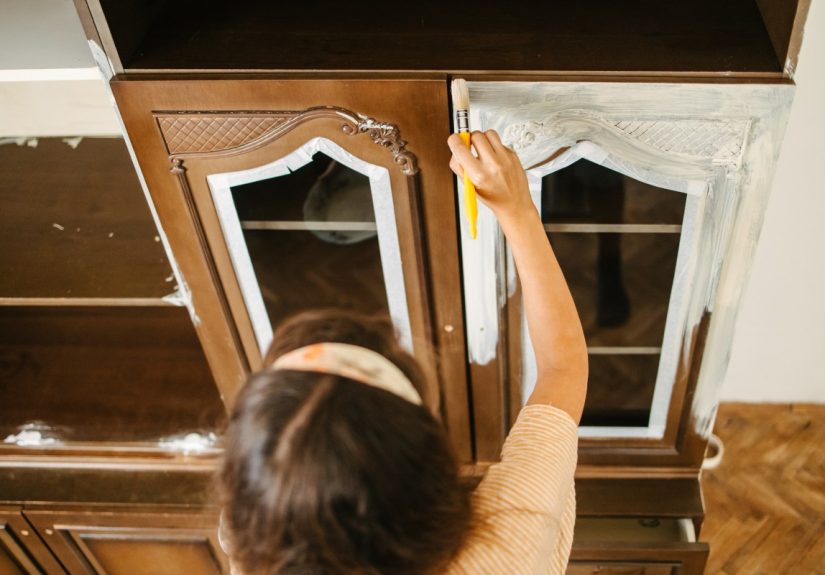
If your existing cabinet boxes are structurally sound, a partial update is often the smartest way to avoid kitchen cabinet tariff costs. Refacing keeps the existing cabinet boxes and updates the visible surfaces with new doors, drawer fronts, veneer, and hardware. Repainting or refinishing can cost even less if the cabinet frames are in good shape and the layout still works.
This move does three things at once. First, it reduces the total amount of new material you need. Second, it reduces your dependence on imported cabinet boxes and large component packages. Third, it keeps demolition, labor, and timeline creep from turning your project into a full-blown renovation marathon.
If your goal is a cosmetic refresh rather than a dramatic reconfiguration, refacing is often the hero move. It gives you the “new kitchen” vibe without paying for a completely new cabinet system. Think of it as ordering the glow-up without the full identity transplant.
2) Keep the Existing Layout Whenever Possible
Tariffs are only one budget threat. Layout changes are another. The moment you move walls, plumbing, electrical lines, or appliances, your cabinet plan becomes more custom, more expensive, and more vulnerable to supply-chain surprises.
Keeping your current kitchen footprint helps you shop smarter because you can compare stock and semi-custom cabinet lines more easily. Standard sizes are easier to source, easier to replace, and less likely to involve costly one-off fabrication. Even if you choose new cabinetry, sticking close to the existing layout can reduce both the cabinet bill and the risk of price volatility.
In practical terms, that means asking yourself a brutally honest question before demo day: Do I need a new layout, or do I just need a better-looking kitchen? Those are not the same project. One is a renovation. The other is a financial plot twist.
3) Shop Domestic and North American Options, but Verify the Claim
Many homeowners assume the phrase “American-made cabinets” automatically means tariff-safe. Sometimes it does. Sometimes it means the cabinets are assembled domestically using a mix of domestic and imported parts. And sometimes it means the marketing team had a very enthusiastic afternoon.
When shopping for domestic cabinetry, do not stop at the label. Ask whether the cabinet boxes, doors, drawer fronts, and key materials are made in the United States or elsewhere. Ask whether the company uses imported plywood, hardware, drawer slides, hinges, or organizers. Ask whether the quote is exposed to tariff surcharges on specific components even if final assembly happens in the U.S.
This is where exact wording matters. “Made in USA,” “Assembled in USA,” and “Made in USA with imported parts” are not interchangeable. A qualified origin claim may still be perfectly legitimate, but it tells you that imported content is in the mix. For tariff planning, that detail matters.
4) Favor Stock and Semi-Custom Lines Over Fully Custom Imports
If you want to reduce tariff risk, lead-time drama, and surprise charges, stock and semi-custom cabinets are often the sweet spot. They are usually easier to price, easier to reorder, and more likely to come from suppliers with established domestic warehousing or more predictable sourcing.
Fully custom cabinetry can be fantastic when you truly need unusual dimensions, specialty storage, or a one-of-a-kind look. But custom work also increases complexity. More complexity means more opportunities for cost increases, substitutions, and imported specialty parts to sneak into the estimate wearing tiny price tags and very big attitudes.
That does not mean custom is bad. It means custom should be intentional. If you only need one tricky corner solved, consider using mostly standard cabinets and reserving custom work for the problem area. That is the renovation version of ordering one fancy appetizer instead of accidentally buying the whole restaurant.
5) Ask for a Fully Itemized Quote With Country-of-Origin Notes
This one is wildly underrated. A vague quote is where budget overruns go to hide.
Ask every cabinet supplier for an itemized estimate that separates cabinet boxes, doors, drawers, hardware, accessories, panels, trim, fillers, and installation. Then ask which line items are subject to tariff-related changes or sourcing shifts. If the seller can add country-of-origin notes or product-series sourcing notes, even better.
Why does this matter? Because a kitchen quote can look stable while hiding volatility in the details. Maybe the cabinet boxes are domestic but the pull-out organizers are imported. Maybe the door fronts are stable but the drawer-slide package is not. Maybe the price is valid only if the supplier can still get the same imported finish panel next month.
The more transparent the quote, the easier it becomes to swap out tariff-sensitive pieces before they blow up your budget.
6) Simplify Features That Depend on Imported Components
Sometimes the cabinet itself is not the biggest tariff issue. Sometimes it is all the extras.
Specialty storage systems, metal-framed inserts, imported organizers, premium drawer-slide systems, unusual glass options, and trendy decorative hardware can quietly raise your exposure. They can also make replacements harder if something goes out of stock mid-project.
If you are renovating on a budget, simplify first and accessorize later. Choose reliable standard hinges and slides. Skip the ultra-niche organizer package unless you truly need it. Use fewer decorative panels. Keep trim clean. Pick a door style that is easy to source. None of this means your kitchen has to look boring. It means your kitchen does not need seventeen imported flourishes to prove it has a personality.
7) Lock Pricing Early and Watch the Lead Time Calendar
Tariff-sensitive markets are notorious for quote creep. You get one number in March, another in April, and by May the supplier is talking about “revised landed cost” like that phrase should comfort you.
Once your kitchen design is finalized, ask how long the quote is valid, whether tariff surcharges can be added after deposit, and what happens if sourcing changes before shipment. Some vendors will honor pricing for a fixed window. Others will not. You want to know that before you choose the line, not after your old cabinets are sitting in a dumpster.
It also helps to buy sooner once the design is settled. Homeowners and pros often move up orders when they expect price increases. Waiting can sometimes pay off in slow markets, but waiting can also mean getting caught in a fresh round of increases. If your cabinet plan is firm and your measurements are final, early ordering can be a smart defensive move.
8) Use RTA Cabinets Carefully, Not Blindly
Ready-to-assemble cabinets can be a strong value option, especially when you want lower shipping costs and more budget control. But do not assume RTA automatically means tariff-proof. Some flat-pack and RTA products are still squarely within the kind of trade measures that affect finished or unfinished cabinet components.
The smart approach is to ask exactly where the RTA line is manufactured, whether duties are already baked into the quote, and whether all necessary components are included from the same source. RTA can absolutely save money. It just should not be treated like a magic loophole in a cardboard box.
9) Consider a Hybrid Cabinet Strategy
You do not have to choose one cabinet approach for the whole kitchen.
A hybrid strategy often works beautifully. For example, you might keep the perimeter cabinet boxes and reface them, then add one new island. Or you might use stock base cabinets, upgrade only the most visible upper doors, and splurge on better hardware where your hands actually notice it every day. You might also reserve custom cabinetry for one pantry wall while using a standard line everywhere else.
This strategy reduces exposure because it lets you spend money where it changes the look or function the most, while cutting costs in places that do not need boutique treatment. It is one of the best ways to avoid overpaying simply because you got seduced by a full-package showroom display and briefly lost contact with math.
10) Compare the True Cost, Not Just the Sticker Price
When evaluating cabinet quotes, compare the total installed cost and the likely risk of change. A cheaper imported cabinet line can become more expensive if it carries unstable freight, tariff adjustments, or longer delays. A slightly pricier domestic or semi-custom line may be the better value if the pricing is steadier and replacements are easier.
Here is a simple way to compare quotes:
- Base cabinet price
- Hardware and accessories
- Panels, trim, fillers, and moldings
- Delivery and warehouse fees
- Assembly and installation
- Tariff or sourcing surcharge risk
- Lead time and replacement availability
The quote with the lowest number today is not always the cheapest project by the end of the renovation. Kitchens love teaching that lesson with the enthusiasm of an expensive life coach.
Questions to Ask Every Cabinet Seller Before You Sign
- Where are the cabinet boxes, doors, and drawer fronts manufactured?
- Are any major components imported, and from which countries?
- Is this quote protected against tariff-related price increases after deposit?
- Are tariff surcharges already included in the estimate?
- What items in this quote are most likely to change in price?
- Can I swap imported accessories for domestic or standard alternatives?
- How long is the lead time, and what happens if supply changes mid-order?
- If you say “Made in USA,” is that fully domestic manufacturing or domestic assembly with imported parts?
If the seller answers clearly, great. If the seller starts speaking in vague poetry, keep moving.
Red Flags That Suggest Tariff Trouble Ahead
Watch for warning signs before you commit. These include quotes with broad “subject to change” language, unclear country-of-origin information, claims of domestic production without any specifics, excessive dependence on imported accessories, and cabinet packages that look suspiciously cheap compared with everything else in the market.
Also be wary of sales pressure tied to urgency without explanation. Sometimes the urgency is real. Sometimes it is just Tuesday in a showroom. Ask what exactly is expected to change and which items are exposed. Smart urgency is planning. Blind urgency is how people end up choosing a finish they regret every morning while making coffee.
The Best Overall Strategy for Most Homeowners
If you want the simplest answer, here it is: the safest way to avoid kitchen cabinet tariffs when renovating is to reduce how many new imported cabinet components your project requires. In practice, that usually means keeping the layout, considering refacing or partial replacement, choosing stable stock or semi-custom lines, verifying origin claims, simplifying accessories, and locking quotes before the market shifts again.
That strategy is not flashy, but it works. And unlike chasing “secret” workarounds, it also keeps your renovation legal, realistic, and far less likely to send you spiraling into spreadsheet despair.
Experiences Homeowners Commonly Have When Trying to Avoid Kitchen Cabinet Tariffs
One of the most common experiences homeowners report is sticker shock that arrives in stages instead of all at once. The first cabinet quote looks manageable, so they start choosing finishes, hardware, and organizers with confidence. Then the revised quote lands. Suddenly there is a material surcharge, a freight adjustment, and a note that a certain imported accessory now has a longer lead time. Nothing feels dramatically different, but the total has somehow wandered several thousand dollars away from the original plan like a toddler in a hardware store. That is often the moment homeowners realize they were shopping a pretty door style, not a sourcing strategy.
Another common experience is discovering that “domestic” does not always mean what they assumed it meant. A homeowner may walk into a showroom expecting a clean distinction between imported cabinets and American-made cabinets. Instead, they learn that one line is assembled in the United States, another uses imported drawer hardware, another sources panels from more than one country, and another can switch vendors if supply tightens. None of that is necessarily bad, but it changes how a buyer should compare quotes. The homeowners who handle this best are usually the ones who ask calm, detailed questions and get the answers in writing before placing a deposit.
Many people also discover that the best money-saving move is not the glamorous one. They start the process assuming they need a full cabinet replacement, only to realize that their existing cabinet boxes are in solid shape. After a designer or contractor walks them through refacing, repainting, or replacing only doors and drawer fronts, the project suddenly looks more achievable. The kitchen still gets a visual transformation, but the homeowner avoids a big portion of the product cost, the demolition mess, and a chunk of the tariff exposure. It is not as dramatic as a total gut job, but it often feels a lot smarter once the dust settles.
There is also the emotional side of it. Renovating under price uncertainty makes people second-guess everything. Should they wait? Buy now? Downgrade the finish? Keep the old island? Skip the pantry pull-outs? This is where a written priority list becomes surprisingly helpful. Homeowners who decide in advance what matters most, such as durable cabinet boxes, soft-close hardware, or a specific paint color, tend to make better decisions under pressure. They can trim lower-priority extras without feeling like the whole kitchen is falling apart.
And finally, many homeowners come away from the process with the same lesson: clarity is worth money. A transparent supplier, an itemized quote, and a realistic plan can be more valuable than chasing the absolute lowest number. In cabinet renovations, certainty has a price, but chaos usually costs more.