Table of Contents >> Show >> Hide
- Why Bake Acorn Squash in the Oven?
- Choosing the Best Acorn Squash
- Tools You’ll Want (So This Stays Fun)
- How to Cut Acorn Squash Safely (No Emergency Room Cameos)
- The Basic Baked Acorn Squash Method (Foolproof)
- Two Popular Oven Styles (Pick Your Personality)
- Flavor Paths: Sweet, Savory, or “Why Not Both?”
- Stuffed Baked Acorn Squash (The “Dinner in a Bowl” Move)
- How to Know When Acorn Squash Is Done
- Common Problems (and How to Fix Them)
- Serving Ideas (So It Doesn’t Feel Like a Side Dish Again)
- Storage and Reheating Tips
- FAQ: Quick Answers for Busy Cooks
- of Real-Life “Acorn Squash Experiences” (What You’ll Actually Notice)
- Conclusion
Acorn squash is the cozy sweater of the vegetable world: not flashy, a little tough on the outside, but absolutely
delightful once you get past the shell. If you’ve ever stared at one like, “How am I supposed to cut this without
needing a dentist afterward?”welcome. This guide walks you through how to bake acorn squash the easy,
reliable way, with both sweet and savory options, plus the little tricks that turn “meh” squash into
“wait… I’m going back for seconds.”
Why Bake Acorn Squash in the Oven?
Baking (or roastingpeople use the words interchangeably) is the best “set it and forget it” method for acorn squash.
The oven concentrates flavor, softens the flesh into spoonable goodness, and can caramelize the edges if you let it.
Bonus: it makes your kitchen smell like fall showed up early and brought snacks.
Choosing the Best Acorn Squash
A great baked acorn squash starts at the store. Here’s what to look for:
- Heavy for its size: Heavier usually means more flesh and less air (squash drama).
- Dull, firm skin: Shiny can mean it was waxed. Dull and sturdy is what you want.
- No soft spots or deep cuts: Small scars are fine. Squishy bruises are not.
- Stem intact: A firm stem is a good sign the squash is older-in-a-good-way and cured properly.
Tools You’ll Want (So This Stays Fun)
- Sturdy chef’s knife (sharp beats strong every time)
- Cutting board that doesn’t skate around
- Spoon (ice cream scoop works amazingly well for seeds)
- Sheet pan or baking dish
- Parchment paper or foil (optional, but future-you will be grateful)
- Oil/butter + salt (the non-negotiables)
How to Cut Acorn Squash Safely (No Emergency Room Cameos)
Acorn squash is famously hard-skinned, which is great for storage and not-so-great for your confidence.
The goal is stability. If the squash wobbles, your knife will try to audition for a horror movie.
Option A: The Classic (No Microwave)
- Make it stable: Slice a thin piece off the bottom (just enough to stop rolling).
- Cut along a groove: Start your cut in one of the natural ridges and work down slowly.
- Use rocking pressure: Don’t “stab.” Press and rock with control.
- Scoop seeds: Use a spoon to scrape out seeds and stringy bits.
Option B: The “Cheat Code” (Microwave Softening)
If your squash feels like it’s made of armored plating, soften it first. Lightly score the skin and poke it a few
times with a fork, then microwave for a few minutes. Let it cool before cutting. This relaxes the exterior and makes
slicing safer and easier.
The Basic Baked Acorn Squash Method (Foolproof)
This is the reliable, everyday methodperfectly tender squash with minimal effort. You’ll bake it halved, which is
also the easiest way to serve it (it becomes its own adorable edible bowl).
Step-by-Step: Baked Acorn Squash Halves
- Preheat: Set your oven to 400°F.
- Prep the squash: Cut in half from stem to tip. Scoop out seeds and stringy fibers.
- Season: Brush the cut sides with olive oil or melted butter, then sprinkle with salt.
- Choose your bake style:
- Cut-side down for extra moist, tender squash (steams slightly against the pan).
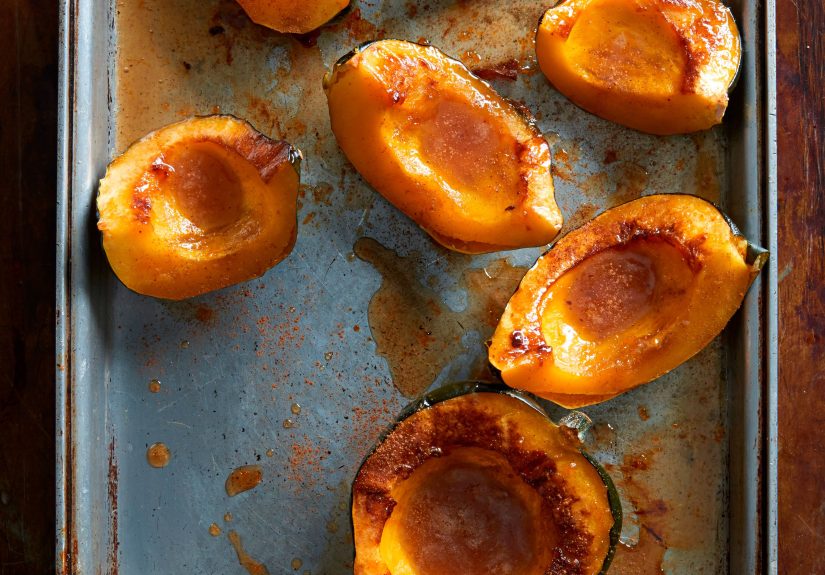
- Cut-side up for a little browning and caramelization (great for sweet glazes).
- Bake: Roast on a sheet pan for 35–55 minutes, depending on size.
- Check doneness: It’s ready when a fork slides in easily and the flesh looks fluffy, not translucent.
- Rest and serve: Let it cool for 5 minutes (molten squash is a real thing), then eat or fill.
Timing Guide (Because Squash Comes in “Random Sizes”)
- Small (1–1.25 lb): ~35–40 minutes at 400°F
- Medium (1.5–2 lb): ~40–50 minutes at 400°F
- Large (2+ lb): ~50–60 minutes at 400°F
If you roast hotter (like 425°F), expect slightly shorter bake time and more browning. If you roast
lower (like 350°F with a bit of water in the pan), it can take closer to an hour and lean more
“soft and steamy” than “roasty and caramelized.”
Two Popular Oven Styles (Pick Your Personality)
1) Sheet Pan Roasting (Drier Heat, More Browning)
Place squash on a parchment-lined sheet pan. This method is simple, less messy, and great when you want roasted edges.
Use cut-side down for tenderness or cut-side up if you’re adding a glaze.
2) Baking Dish with Water (Softer, More Steamed)
Put squash halves cut-side down in a baking dish and add a shallow layer of water (think “barely there,”
not “squash swimming pool”). This makes very tender squashideal if you plan to mash it or stuff it after baking.
Flavor Paths: Sweet, Savory, or “Why Not Both?”
Acorn squash plays well with sweet spices and savory herbs. Here are options that taste like you tried harder than you did.
Sweet Baked Acorn Squash (Classic)
- Butter + brown sugar (the old-school favorite)
- Maple syrup (adds depth and caramel notes)
- Cinnamon + pinch of salt (salt makes sweetness pop)
- Optional upgrades: chopped pecans, a tiny pinch of cayenne, orange zest
How to do it: Bake the squash until almost tender, then flip cut-side up, add butter and sweetener,
and bake 10 more minutes to melt and glaze.
Savory Roasted Acorn Squash (Weeknight-Friendly)
- Olive oil + salt + pepper as the base
- Garlic powder or a smashed clove rubbed on the hot flesh
- Herbs: thyme, rosemary, sage (fall’s greatest hits)
- Finishers: parmesan, feta, toasted breadcrumbs, or a squeeze of lemon
This version is excellent alongside chicken, pork, or a big saladbasically anything that appreciates a cozy sidekick.
Stuffed Baked Acorn Squash (The “Dinner in a Bowl” Move)
One of the best things about baked acorn squash halves is that they’re already shaped like little bowls. Once tender,
you can fill them with almost anything and suddenly you’re hosting a cooking show.
Stuffing Ideas That Actually Work
- Sausage + rice + spinach (savory, hearty, crowd-pleaser)
- Quinoa + cranberries + pecans (sweet-savory, great for holidays)
- Black beans + corn + salsa + cheese (Southwest vibe, very easy)
- Ground turkey + mushrooms + herbs (lighter but still satisfying)
Pro move: Bake the squash first until tender. While it bakes, cook your filling. Then stuff and return
to the oven 10–15 minutes to heat through and meld flavors.
How to Know When Acorn Squash Is Done
Forget “one perfect time.” Squash doneness is about texture:
- Fork-tender: A fork should slide in with minimal resistance.
- Edges look browned (optional): If you want caramel notes, let the edges deepen.
- Flesh pulls from skin: You may notice the skin separates slightly from the flesh.
If it’s still firm, give it 10 more minutes and check again. Squash is patient. Your schedule is not.
Common Problems (and How to Fix Them)
“My squash is bland.”
You probably under-salted or under-fatted. Squash loves salt and a bit of oil/butter to carry flavor. Also consider
finishing with something punchy: lemon juice, parmesan, chili flakes, or maple + salt.
“It’s watery or mushy.”
This can happen if the squash was very fresh (higher water content) or if you used the water-in-pan method and baked
too long. Next time: use sheet-pan roasting, go cut-side down for most of the bake, and don’t overcook past fork-tender.
“It’s stringy.”
Some squash are just more fibrous, especially if they’re older or stored a long time. Scrape the stringy center well,
and use the flesh closer to the skin (it’s usually smoother). If it’s extremely stringy, mash it and use it in soups
or purees where texture is forgiven.
“I can’t cut it in half!”
Microwave-soften it for a few minutes, let it cool, then try again. Also: a sharp knife and a stable cutting board
are non-negotiable.
Serving Ideas (So It Doesn’t Feel Like a Side Dish Again)
- Breakfast: Fill with Greek yogurt, granola, and a drizzle of honey (yes, really).
- Lunch: Scoop into a grain bowl with greens, chickpeas, feta, and a vinaigrette.
- Dinner: Serve alongside roasted chicken or pork chops; add a herby sauce for bonus points.
- Dessert-ish: Mash with cinnamon and maple, then top with toasted nuts.
Storage and Reheating Tips
Whole acorn squash stores best in a cool, dry place (not the fridge) until you’re ready to use it. Once you cut it,
refrigerate and use within a few days. Cooked squash keeps well in the fridge, too.
Refrigerator
- Cooked baked acorn squash: Store airtight and eat within about 4 days.
- Raw cut pieces: Wrap well and use within about 4 days for best quality.
Reheating
- Oven: 350°F until warmed through (best texture).
- Microwave: Quick, but can soften it morecover and heat in short bursts.
- Skillet: Scoop flesh out and sauté with butter or olive oil for a caramelized edge.
FAQ: Quick Answers for Busy Cooks
Do I have to peel acorn squash?
Nope. The skin is edible, though it’s not everyone’s favorite. Most people scoop out the flesh after baking, but if
you roast slices, the skin can soften nicely.
Should I bake it cut-side up or down?
Cut-side down = moister, tender, slightly steamed. Cut-side up = more browning and
better for glazes or toppings. For best of both worlds, bake cut-side down first, then flip up for the last 10 minutes.
What’s the best oven temperature for baked acorn squash?
400°F is the sweet spot for most home ovens: fast enough to roast, gentle enough to avoid burning.
425°F gives deeper browning; 350°F is slower and softer.
of Real-Life “Acorn Squash Experiences” (What You’ll Actually Notice)
The first time most people bake acorn squash, the experience usually falls into one of two categories:
(1) “Wow, this is easier than I thought,” or (2) “Why is this vegetable built like a medieval helmet?”
The good news is that both outcomes are normaland both are fixable.
One common “aha” moment is realizing that how you place the squash on the pan changes the whole vibe.
If you bake it cut-side down, the flesh tends to come out softer and more uniformly tender, almost like it was gently
steamed. People often describe it as “spoonable” and comfortingperfect for mashing with butter. The flip side is that
you might miss that toasty, browned edge. That’s when the cut-side-up crowd enters the chat. Baking cut-side up (especially
with a little butter and brown sugar or maple syrup) can create caramelized patches that taste like the squash went to
finishing school.
Another very real experience: the seed-scooping situation. The first time, you may not scrape deeply enough
and end up with stringy bits that feel like the squash is wearing a sweater inside. After you’ve done it once, you learn to
be a little more assertive. A sturdy spoon (or an ice cream scoop) makes it weirdly satisfyinglike pumpkin carving, but
with snacks at the end.
Many home cooks also discover that acorn squash is a “quiet flavor” ingredient. On its own, it’s mildly sweet and nutty,
but it doesn’t shout. That’s why seasoning experiences matter: the day you remember to salt properly and add either fat
(olive oil or butter) plus a finishing touch (parmesan, lemon, chili flakes, maple + salt) is the day you stop thinking of
squash as “diet food” and start thinking of it as “the side dish people steal off your plate.”
Stuffing acorn squash is often the moment it graduates from side dish to main character. People tend to be surprised by
how filling it isbecause a roasted squash half plus a hearty filling is basically dinner with built-in portion control.
It also turns leftovers into a win: yesterday’s rice, cooked sausage, quinoa, or beans suddenly looks intentional when it
gets tucked into a squash bowl and baked until hot.
Finally, there’s the universal experience of timing. Squash doesn’t always obey the clock. Two squashes that look similar
can cook differently based on size, freshness, and oven quirks. The best “experienced cook” habit is checking for fork-tender
doneness rather than clinging to a timer like it’s a life raft. Once you bake acorn squash a few times, you’ll trust the fork,
trust your eyes, andmost importantlytrust your future self to remember parchment paper.
Conclusion
If you can preheat an oven and operate a spoon, you can master how to bake acorn squash. Start with the
basic 400°F method, decide whether you want tender-and-moist (cut-side down) or caramelized-and-glazed (cut-side up),
and then riff from there. Sweet, savory, stuffed, mashed, or scooped straight from the skin like a cozy little bowlacorn
squash is flexible, forgiving, and quietly impressive. In other words: it’s the friend who shows up on time with snacks
and never makes it weird.