Table of Contents >> Show >> Hide
- The Under-10-Minute Secret: It’s Not the FishIt’s the Thickness
- Pick the Right Fish for a 10-Minute Bake
- The Fastest, Most Reliable Method: High-Heat Hot-Sheet Bake (6–10 Minutes)
- Two More “Speed Modes” for Flaky Fish
- The Doneness Trifecta: Temperature, Texture, and Looks
- Flavor Fast: 5 Seasoning Combos That Don’t Slow You Down
- Common Mistakes That Steal Your 10 Minutes (and Your Joy)
- Three “Under 10” Dinner Examples (So You Can Actually Use This Tonight)
- FAQ: Quick Answers for Fast Fish Bakers
- Real-Life Lessons From the “Under 10 Minutes” Fish Habit (Extra Experiences)
- Conclusion
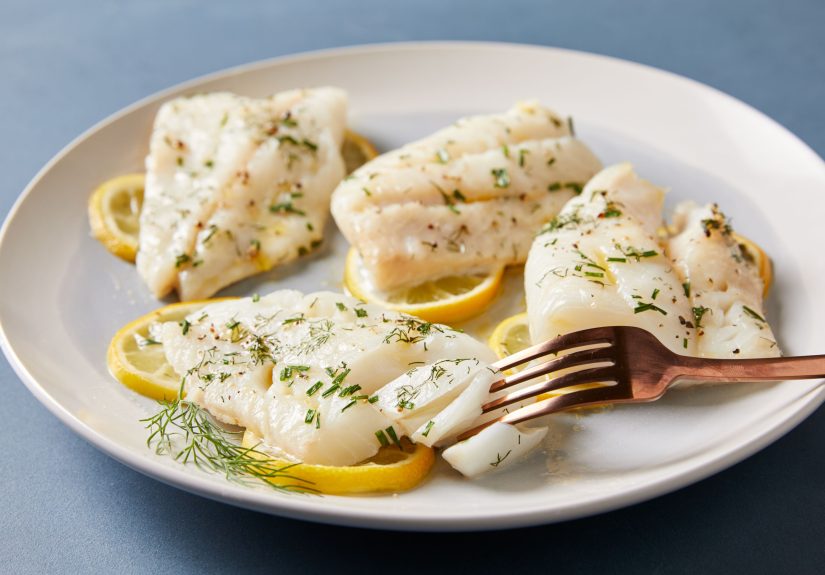
Fish has a magical superpower: it can go from “weeknight hero” to “why is this so dry?” faster than you can say where did I put the lemon. The good news? Baking fish to flaky perfection in under 10 minutes is absolutely doableif you play the game the way fish likes it: high heat, smart thickness, and zero soggy nonsense.
This guide shows you exactly how to pull it off with a simple, repeatable method (plus two fast “speed modes” for when you want dinner to feel like a magic trick). You’ll learn timing by thickness, the best fish for quick baking, how to avoid overcooking, and how to flavor it like you meant to do this on purpose.
The Under-10-Minute Secret: It’s Not the FishIt’s the Thickness
When people say “fish cooks fast,” they’re usually thinking about thin fillets. A delicate, 1/2-inch piece of tilapia or trout can bake lightning-quick. A thick halibut steak? That’s not “under 10 minutes,” that’s “see you after you roast some vegetables.”
So here’s the rule that actually matters:
- To bake fish in under 10 minutes, aim for fillets that are about 1/2 to 3/4 inch thick at the thickest point.
- If your fish is thicker, you can still bake it beautifullyyou just won’t win the under-10-minute race without slicing it into thinner portions.
There’s a classic “10-minute rule” floating aroundroughly 10 minutes per inch of thicknessbut modern fish cuts, ovens, and temperatures vary a lot. The better approach is to use that rule as a starting point, then rely on thickness-based timing and a quick temperature check.
Pick the Right Fish for a 10-Minute Bake
Not all fish shows up to the “fast bake” party with the same energy. Here are excellent choices for flaky results in a hurry:
Best fast-bake fish (great under 10 minutes)
- Tilapia (thin, mild, forgiving)
- Trout (often thin fillets, cooks fast, stays tender)
- Sole or flounder (very thinwatch closely)
- Cod (thin cuts) (flake-friendly; thickness matters a lot)
- Salmon portions (works fast if portioned into thinner pieces)
- Snapper or pollock (depending on cut)
Fish that usually needs more than 10 minutes (unless you portion it thinner)
- Halibut steaks (often thick)
- Chile sea bass (thick, luxurious, not a sprinter)
- Big, center-cut salmon fillets (slice into thinner portions to speed up)
Fresh vs. frozen: Fully thawed fish is easiest for true under-10-minute baking. You can cook some fish from frozen, but it typically pushes you past 10 minutes unless the fillets are thin and your oven runs hot.
The Fastest, Most Reliable Method: High-Heat Hot-Sheet Bake (6–10 Minutes)
This is the method to memorize. It’s the closest thing to a cheat code: high heat + a preheated sheet pan gives you quick cooking and better texture (less steaming, more clean flake).
What you need
- Fish fillets (1/2–3/4 inch thick works best)
- Sheet pan (rimmed)
- Parchment paper or foil (optional, but helps with cleanup)
- Oil or melted butter
- Salt + pepper
- Optional flavor boosters: lemon, garlic, herbs, Dijon, paprika, chili flakes
Step-by-step: The 8-minute sheet-pan method
- Preheat the oven to 450°F. Put the sheet pan in the oven while it heats. (Yes, the pan too. That’s the move.)
- Pat the fish dry. Moisture is the enemy of good texture. Dry fish = better bake.
- Season simply. Brush lightly with oil or melted butter. Sprinkle with salt and pepper. Add any quick seasonings (see flavor ideas below).
- Carefully remove the hot pan. Line with parchment if you want (it may brown a bit at 450°F, which is fine). Or skip lining and just oil the pan.
- Place fish on the hot pan. You should hear a soft sizzle if the pan is truly hot. That’s your applause.
- Bake 6–10 minutes, depending on thickness. Start checking early. Fish doesn’t need a long speechjust a short, perfect performance.
- Rest 1–2 minutes. Fish keeps cooking briefly after it leaves the oven. Use this time to plate sides or pretend you didn’t just make dinner in one song’s length.
Quick timing guide (at 450°F)
These ranges assume a hot sheet pan and fillets that are not ice-cold straight from the freezer:
- 1/2-inch thick: about 4–6 minutes
- 3/4-inch thick: about 6–9 minutes
- 1-inch thick: about 9–12 minutes (you may just miss the under-10 markstill delicious)
Pro tip: If your fillet tapers thinner at one end (many do), position the thickest parts toward the outer edges of the pan where heat is often stronger, and keep the thin ends closer to the center.
Two More “Speed Modes” for Flaky Fish
Speed Mode #1: Parchment Packets (En Papillote) in 8–10 Minutes
If you want fish that stays moist and gently flakes without babysitting, parchment packets are a dream. You’re basically giving your fish a tiny steam spa with aromatics.
How it works: You seal fish with a little fat, lemon, herbs, and thin-sliced vegetables. The packet traps steam, cooking quickly and evenly.
- Heat oven to 450°F.
- Place fish on parchment (or foil) with a drizzle of olive oil or a small pat of butter.
- Add quick-cooking flavor friends: lemon slices, thin shallots, cherry tomatoes, capers, dill, parsley.
- Seal tightly into a packet.
- Bake 8–10 minutes. (Packets often puff when they’re close to done.)
This method is especially great for thin white fish that can dry out easilybecause the packet is basically a moisture bodyguard.
Speed Mode #2: Broiler Boost (5–8 Minutes Total)
If your oven has a broiler that means business, you can go even faster. Broiling is intense top heat, so it’s perfect for thinner fillets and salmon portions.
- Broil on a lined sheet pan, fish 4–6 inches from the heat source.
- Start checking around 5 minutes for thin fillets; 6–8 minutes for thicker portions.
- If the top browns before the center is done, switch to 425–450°F bake for 1–2 minutes to finish gently.
Broiling is fantastic when you want a little surface color, especially on salmon, without dragging dinner into double digits.
The Doneness Trifecta: Temperature, Texture, and Looks
There are three ways to know fish is done. Use all three and you’ll basically become the Fish Whisperer.
1) Temperature (the most foolproof)
For safety, a widely recommended target is an internal temperature of 145°F at the thickest part. If you’re cooking for anyone pregnant, older adults, young kids, or anyone with a weakened immune system, this is the smart target.
That said, many cooks prefer salmon and some other fish slightly below 145°F for a juicier texture (more “silky” than “flake-and-firm”). If you choose to cook to a lower temperature for texture, do so knowingly, use quality fish, and understand the safety tradeoff.
2) Texture (the flake test)
Insert a fork at the thickest part and twist slightly. Done fish should separate into flakes with gentle pressure. If it resists and looks translucent inside, it needs another minute. If it shreds into dry confetti, it’s overcooked (and deserves a sauce hug).
3) Visual cues
- Flesh turns opaque (white fish goes from translucent to milky/opaque; salmon becomes more opaque and lightens).
- Edges may look slightly firmer and may release a little white protein on salmon (albumin). It’s safejust a sign the heat was enthusiastic.
Flavor Fast: 5 Seasoning Combos That Don’t Slow You Down
Fast baking doesn’t mean bland baking. Keep these in your back pocket:
1) Lemon-Garlic-Butter Classic
Melted butter (or olive oil) + minced garlic + lemon zest + lemon juice + parsley. Works on basically everything.
2) Dijon + Herby Crunch
Brush fish with Dijon, top with panko mixed with herbs and a little butter or oil. Great on salmon, cod, and tilapia.
3) Smoky Paprika + Honey Kiss
Olive oil + smoked paprika + garlic powder + a tiny drizzle of honey. Especially good for salmon portions.
4) Tomato-Olive Mediterranean Vibes
Cherry tomatoes + sliced olives + capers + olive oil + oregano. Works beautifully in parchment packets.
5) Soy-Honey-Garlic Speed Glaze
Soy sauce + honey + minced garlic + a squeeze of citrus. Brush lightly (too much liquid = steaming).
Common Mistakes That Steal Your 10 Minutes (and Your Joy)
Mistake #1: Not drying the fish
Wet fish steams. Steamed fish can be tasty, but it won’t have that clean, flaky “baked just right” texture. Pat it dry like you mean it.
Mistake #2: Crowding the pan
If fillets are packed tightly, moisture gets trapped and the fish cooks unevenly. Leave space so heat can circulate.
Mistake #3: Starting with a cold pan
A preheated pan gives you a head start and helps the fish cook more evenly. Cold pan = slower cook, more sticking, and more guesswork.
Mistake #4: Using thick cuts and hoping for a miracle
If it’s over an inch thick, it can still be amazingjust not “under 10 minutes” without portioning.
Mistake #5: Opening the oven repeatedly
Every peek dumps heat. In a 6–9 minute cook, heat loss is a big deal. Set a timer, then check once.
Three “Under 10” Dinner Examples (So You Can Actually Use This Tonight)
Example 1: 8-Minute Lemon Pepper Tilapia
- 450°F, hot pan
- Tilapia (about 1/2 inch thick), oil, salt, pepper, lemon zest, black pepper
- Bake 5–7 minutes, rest 1 minute
- Serve with microwaved steam-in-bag veggies or a fast salad
Example 2: 9-Minute Dijon Salmon Portions
- 450°F, hot pan
- Salmon portions (aim 3/4 inch thick), thin Dijon layer, salt, pepper
- Bake 7–9 minutes; add a 30-second broil if you want color
- Serve with quick rice and sliced cucumbers
Example 3: 10-Minute Parchment Cod with Tomatoes and Olives
- 450°F
- Cod + olive oil + lemon + cherry tomatoes + olives + capers
- Seal packet, bake 8–10 minutes
- Open carefully (steam!), spoon juices over fish
FAQ: Quick Answers for Fast Fish Bakers
Do I have to flip the fish?
Usually, no. Baking is gentle and even enough that flipping isn’t necessaryespecially with a hot pan and thinner fillets.
What oven temperature is best for under 10 minutes?
425–450°F is the sweet spot. Lower temps can work, but you’ll spend more time waiting (and fish is not known for patience).
Should I cover the fish?
Not for the hot-sheet method. Covering traps steam. Use a parchment packet if you want moisture-locking by design.
Why did my salmon get white stuff on it?
That’s albumin, a protein that can appear when salmon is heated. It’s safe. Lower heat, gentler cooking, and not overbaking can reduce it, but don’t panicyour salmon isn’t broken.
Real-Life Lessons From the “Under 10 Minutes” Fish Habit (Extra Experiences)
Once you start chasing the “under 10 minutes” fish win, a few very predictable kitchen moments tend to happenalmost like a rite of passage. First, there’s the confidence spike. The first time you pull a fillet out at minute seven and it flakes perfectly, you’ll feel like you’ve cracked a culinary code. You’ll start telling yourself things like, “I should eat seafood more often,” and “Maybe I’m just a fish person now.” This is normal. Enjoy it.
Then comes the great thickness discovery: two fillets that look similar in the package can cook wildly differently. One might be a slim 1/2 inch and the other a stealth 1 inch near the center. This is when people learn to use a ruler (or, more commonly, the “two stacked quarters” eyeball method). The experience teaches a simple truth: baking fish fast isn’t about being fancyit’s about being honest with the thickness.
Next is the paper towel conversion. Many home cooks skip drying fish exactly once. The result is usually pale, watery fish with a puddle on the pan and seasonings that slide around like they’re trying to escape. After that, drying becomes automaticlike fastening a seatbelt. It’s not glamorous, but it’s the difference between “delicate and flaky” and “gently steamed in its own feelings.”
Another common experience: the oven-door peek reflex. Fish cooks so fast that it makes people nervous, and nervous people open the oven. The problem is that a 6–9 minute bake doesn’t have time to recover from repeated heat loss. Many folks eventually learn a calmer rhythm: set a timer for 6 minutes, don’t touch anything, then check once. That single change often turns fish from “almost” to “nailed it.”
There’s also the moment you realize fast fish loves simple sides. When the main dish takes 8 minutes, the rest of dinner can’t require 45. That’s why quick fish meals often pair beautifully with: microwave rice, bagged salad kits, fast-roasted broccolini, toast, or even a quick yogurt-lemon sauce. The experience of making fish this way is less about “a recipe” and more about building a tiny system that makes weeknights easier.
Finally, most people develop a personal preference for donenessespecially with salmon. Some love firm, fully opaque fish; others prefer a slightly softer center. The key experience is learning that a thermometer removes drama. Once you’ve used it a few times, you can choose your finish on purpose instead of guessing and hoping. And that’s the real win: fast fish that’s reliably delicious, not a weekly mystery.
Conclusion
Baking fish to flaky perfection in under 10 minutes isn’t a gimmickit’s a technique. Choose thin fillets, use high heat (425–450°F), dry the fish, and start checking early. Add a thermometer when you want absolute confidence, and keep a few quick flavor combos ready so dinner feels fresh even when it’s fast.
Master this and you’ll have a go-to meal that’s healthy, impressive, and honestly a little smugin the best way.