Table of Contents >> Show >> Hide
- Why nicotine gum can become a hard habit to quit
- 11 steps to break nicotine gum addiction
- 1. Start by measuring your real baseline
- 2. Set a quit date for the gum, not just a vague intention
- 3. Taper on purpose instead of quitting in a dramatic blaze
- 4. Follow product directions and talk to a clinician if you are far outside them
- 5. Replace the ritual, not just the nicotine
- 6. Make a trigger map and ambush your weak spots
- 7. Expect withdrawal symptoms so they do not talk you into panic
- 8. Stop using nicotine gum like regular chewing gum
- 9. Do not swap nicotine gum for a shinier nicotine product
- 10. Build support before you think you need it
- 11. Plan for slips so one bad moment does not become a comeback tour
- Common mistakes that keep people hooked on nicotine gum
- When to get extra help
- What success actually looks like
- Real-life experiences: what quitting nicotine gum often feels like
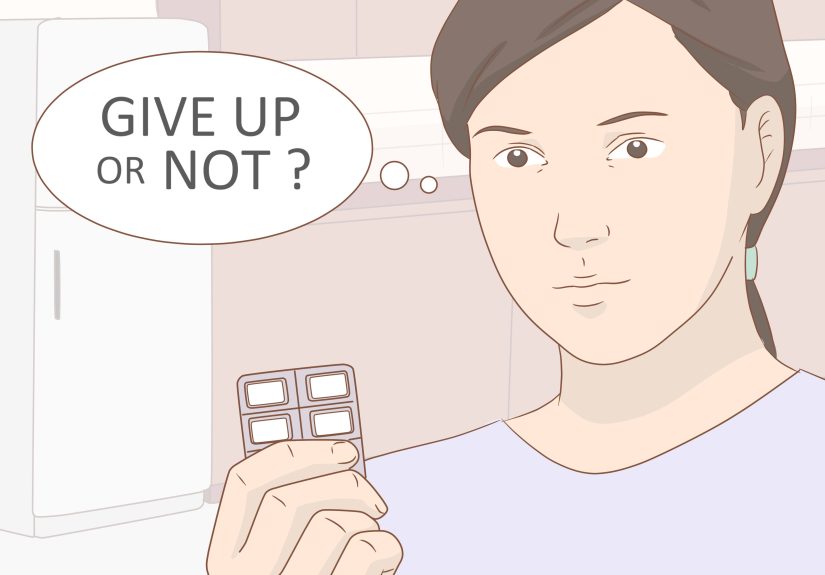
Nicotine gum has helped a lot of people do something genuinely hard: stop smoking. That matters. A lot. But sometimes the “temporary helper” becomes the roommate who never moves out. One piece turns into five. Five turns into “Why do I have a blister pack in every jacket I own?” Before long, you are not smoking cigarettes anymore, but you are still planning your day around nicotine gum.
The good news is that quitting nicotine gum is absolutely doable. The better news is that you do not need to white-knuckle your way through it like a movie hero walking into a sandstorm. The most effective approach is usually a smart, structured plan: understand your triggers, taper on purpose, replace the habit loops, and get support before your willpower starts acting like it has somewhere else to be.
If you are wondering how to stop nicotine gum without becoming miserable, the answer is not “just have more discipline.” It is strategy. Below are 11 practical steps to help you break nicotine gum dependence, manage cravings, and move toward being nicotine-free for real.
Why nicotine gum can become a hard habit to quit
Nicotine gum is safer than smoking because it does not expose you to the toxic chemicals created by burning tobacco. But it still contains nicotine, and nicotine can keep the brain attached to the same reward cycle that powered smoking in the first place. That is why some people quit cigarettes successfully, then stay stuck on the gum for months or even years.
There is also a behavioral side to it. Nicotine gum does not just deliver nicotine. It gives your mouth something to do, gives your hands a ritual, and creates a tiny feeling of relief when stress shows up. In other words, it can become both a chemical dependence and a routine. That combo is stubborn. Not unbeatable. Just stubborn.
11 steps to break nicotine gum addiction
1. Start by measuring your real baseline
You cannot taper what you have not tracked. For three to seven days, write down every piece of nicotine gum you use. Note the time, the strength, and what was happening right before you used it. Was it after coffee? During traffic? Before a meeting? After an argument? While scrolling your phone and pretending you were “taking a quick break”?
This step matters because most people underestimate how often they reach for gum. A tracking log turns a vague habit into clear data. Once you see the pattern, you can attack the pattern instead of judging yourself.
2. Set a quit date for the gum, not just a vague intention
“I should stop soon” is not a plan. It is a wish wearing business casual. Pick a date when you want to be off nicotine gum completely. For many people, a two- to eight-week taper is realistic, depending on how much gum they are using and how long they have been using it.
Put the date on your calendar. Tell one supportive person. Treat it like an appointment with your future lungs, brain, and budget. Because it is.
3. Taper on purpose instead of quitting in a dramatic blaze
Some people prefer to stop nicotine gum cold turkey. Many do better with a gradual reduction. If you are using the gum often, tapering can make withdrawal more manageable. A simple method is to reduce by one or two pieces per day every few days, or to lengthen the time between pieces.
For example, if you normally use 10 pieces a day, aim for 9 for several days, then 8, then 7. Another option is to keep the number the same at first but delay the first piece of the day by 30 to 60 minutes. That helps break the automatic “wake up, grab gum” reflex.
The goal is not to be heroic. The goal is to reduce nicotine exposure while teaching your brain that cravings can rise, wobble around dramatically, and then pass without a gum rescue mission.
4. Follow product directions and talk to a clinician if you are far outside them
If you are using nicotine gum more often than the package recommends, using it far longer than intended, doubling up with other nicotine products, or feeling unable to function without it, bring a doctor, pharmacist, or tobacco-cessation counselor into the plan. That is not failure. That is efficiency.
You should also get medical guidance if you are pregnant, have significant heart symptoms, mouth ulcers, jaw problems, dentures that make gum use difficult, or are dealing with anxiety, depression, or another condition that may flare during withdrawal. A professional can help you decide whether a slower taper, a different nicotine replacement strategy, or a non-nicotine medication makes more sense.
5. Replace the ritual, not just the nicotine
This is the step people skip, then wonder why quitting feels weirdly impossible. The gum is not only about nicotine. It is also a ritual. So replace the ritual on purpose.
Keep sugar-free regular gum, mints, crunchy snacks, straws, toothpicks, cinnamon sticks, or ice water nearby. Some people do better with something oral, like sunflower seeds or a mint. Others need a hand habit, such as a stress ball, pen, coin, or fidget tool. The replacement does not need to be glamorous. It just needs to be available before the craving hits.
Think of it this way: when nicotine gum leaves, a small behavioral vacancy opens up. Fill it fast, or your brain will nominate gum for re-election.
6. Make a trigger map and ambush your weak spots
Most nicotine gum use is not random. It clusters around cues. Common triggers include coffee, driving, work breaks, boredom, alcohol, social stress, finishing a meal, and that magical hour when your inbox turns feral.
Pick your top three triggers and create a replacement move for each one. Example:
- After coffee: brush your teeth or switch to tea for a week.
- In the car: keep sugar-free gum and a water bottle in the console.
- During stress: do a two-minute walk, box breathing, or text someone instead of reaching for nicotine gum.
The brain loves shortcuts. So give it better ones.
7. Expect withdrawal symptoms so they do not talk you into panic
Nicotine withdrawal can feel physical, emotional, and annoyingly theatrical. Common symptoms include cravings, irritability, restlessness, trouble concentrating, low mood, increased appetite, and sleep disruption. That does not mean your plan is failing. It usually means your brain is recalibrating.
For many people, cravings come in short waves rather than one endless tsunami. When a craving hits, try the delay-and-distract method: wait 10 to 15 minutes, drink water, change locations, walk, stretch, chew regular gum, or do something with your hands. The urge often peaks and then fades.
Also, remember that nicotine gum itself can cause side effects when overused or used incorrectly, including hiccups, heartburn, jaw soreness, mouth irritation, nausea, and upset stomach. Sometimes what feels like “I need another piece” is actually “my mouth would like a break, thanks.”
8. Stop using nicotine gum like regular chewing gum
If you are still using nicotine gum during your taper, use it correctly. Nicotine gum is meant to be chewed slowly and then “parked” between the cheek and gum, not chewed continuously like movie-theater gum. Fast chewing can increase side effects and make the experience feel harsher than it needs to.
It also helps to avoid acidic drinks such as soda, citrus juice, or coffee right before and during use, because they can interfere with nicotine absorption. In plain English: if you wash nicotine gum down with orange juice and frustration, you may end up annoyed on multiple levels.
9. Do not swap nicotine gum for a shinier nicotine product
When people try to quit nicotine gum, they sometimes drift toward nicotine pouches, vaping, or “just a little” smokeless tobacco. That is usually not an escape hatch. It is a trapdoor.
Switching products can keep the addiction alive, re-intensify nicotine exposure, and make the behavioral cycle stronger again. If your goal is to quit nicotine gum, keep your actual goal in view: less nicotine, less dependence, more freedom. Not a fresh package with better marketing.
10. Build support before you think you need it
Quitting goes better when you are not doing it alone. Counseling, coaching, quitlines, texting programs, and support from family or friends can improve your odds of success. In the United States, 1-800-QUIT-NOW can connect people with free quit support, and many public programs offer text-based help as well.
Support matters because nicotine dependence is not just a chemical issue. It is also a pattern problem. Talking through triggers, relapses, stress, and next steps with another human being can keep a rough day from turning into a rough month.
11. Plan for slips so one bad moment does not become a comeback tour
A slip is using nicotine gum when you had planned not to. A relapse is deciding the whole effort is ruined and going fully back to the old pattern. Those are not the same thing.
If you slip, do not turn it into a personal documentary about disappointment. Ask three questions instead: What triggered it? What could I do differently next time? What is my next right move today? Then get right back to the plan.
Progress in nicotine recovery is rarely a perfect straight line. It looks more like a staircase designed by a realistic person. Still upward. Just with some awkward pauses.
Common mistakes that keep people hooked on nicotine gum
- Using gum automatically instead of intentionally.
- Keeping it everywhere with no limits or schedule.
- Trying to quit during a high-stress period without support.
- Replacing one nicotine product with another.
- Ignoring hunger, sleep, anxiety, or stress and blaming everything on “bad willpower.”
- Assuming a slip means the whole plan failed.
When to get extra help
Get professional help if you feel unable to cut down, are combining nicotine gum with cigarettes, vaping, or pouches, have chest pain or significant palpitations, or notice worsening anxiety or depression while trying to quit. If you are a teen or young adult, getting support early is especially important. Nicotine can be highly addictive, and younger brains may be more vulnerable to its effects.
You do not have to wait until the problem feels “serious enough.” If nicotine gum is running your schedule, mood, spending, or confidence, that is enough reason to ask for help.
What success actually looks like
Success does not mean never thinking about nicotine again by next Tuesday. It means the gum stops running the show. It means cravings get shorter, weaker, and less frequent. It means you can drive, work, relax, or survive a mildly ridiculous family event without checking whether you packed enough nicotine gum.
Breaking nicotine gum addiction is not about moral purity. It is about freedom, health, and reclaiming your routines. If nicotine gum helped you quit smoking, it already served a useful purpose. Now you can move to the next level: quitting the helper too.
Real-life experiences: what quitting nicotine gum often feels like
For many people, the first surprise is emotional rather than physical. They expect cravings, but they do not expect how often they used nicotine gum as a tiny reset button. Without it, everyday moments can feel oddly exposed. The drive to work feels longer. Coffee feels incomplete. A stressful email suddenly seems like it deserves theme music. This does not mean something is wrong. It means the habit had worked its way into ordinary routines more deeply than expected.
Another common experience is the “I was not even craving it, I just reached for it” moment. People often discover that half their nicotine gum use was automatic. They opened a pack during meetings, while standing in line, after meals, or when switching tasks, almost like punctuation for the day. Once they begin tracking those moments, they feel both annoyed and relieved: annoyed that the pattern was so sneaky, relieved that it is a pattern and not a mystery.
The second week can be strange. Some people feel better quickly and assume they are done. Then a random trigger lands out of nowhere, and suddenly they are thinking about nicotine gum with the intensity of someone searching for lost treasure. This is where preparation matters. The people who do best are usually the ones who already have a replacement ready: regular gum, cold water, a mint, a short walk, a text to a friend, a breathing exercise, or even just a rule that says, “I wait 10 minutes before I decide anything.”
There is also often a confidence shift that happens quietly. At first, the goal feels huge: stop nicotine gum forever. Later, the goal gets smaller and more manageable: get through this commute, this lunch break, this stressful afternoon, this evening on the couch. People start realizing they can survive cravings without immediately fixing them. That is a big deal. Every time they do it, the craving loses a little authority.
And then there is the oddly wonderful moment when someone finds an old pack in a drawer and realizes they forgot it was there. That is when quitting starts to feel real. Not dramatic. Not cinematic. Just real. The gum is no longer the main character. Life is. That is usually how recovery looks in everyday experience: less obsession, less planning, fewer automatic reaches, and a growing sense that your day belongs to you again.