Table of Contents >> Show >> Hide
- Why Black Stove Tops Get Dirty So Fast
- Know Your Surface Before You Start
- What You Need to Clean a Black Stove Top
- How to Clean a Black Stove Top Step by Step
- How to Clean a Black Gas Stove Top
- What Not to Use on a Black Stove Top
- How to Fix Common Black Stove Top Problems
- How Often Should You Clean a Black Stove Top?
- Best Habits to Keep a Black Stove Top Looking New
- Real-Life Experiences With Cleaning a Black Stove Top
- Final Thoughts
- SEO Tags
A black stove top looks sleek, modern, and just a little bit smug when it is spotless. Unfortunately, it also has a special talent for showing every breadcrumb, grease dot, water ring, and mysterious streak that appeared sometime between breakfast and “What on earth boiled over in here?” If your cooktop is black glass, ceramic, induction, or a black enamel gas surface, the good news is simple: you do not need a hazmat suit or a closet full of expensive cleaners to get it looking sharp again.
The trick is using the right method for the right kind of mess. A quick daily wipe keeps most grime from settling in like an unwanted houseguest. A deeper clean with a gentle cleaner, baking soda, or vinegar tackles film and grease. For burnt-on residue, a cooktop-safe scraper and a little patience do far more good than angry scrubbing ever will. In other words, this is a finesse job, not a wrestling match.
In this guide, you will learn exactly how to clean a black stove top without scratching the surface, leaving cloudy residue, or turning a small spill into a full-blown kitchen tragedy. We will also cover how to handle stubborn burnt spots, what tools actually help, what cleaners to avoid, and how to keep that black finish shiny enough to make your kitchen look expensive even when dinner was just boxed mac and cheese.
Why Black Stove Tops Get Dirty So Fast
Black cooktops are the little black dress of the kitchen: stylish, timeless, and incredibly good at showing lint. Dark surfaces make grease splatter, hard-water spots, dust, and soap residue stand out more than lighter finishes do. Black glass stove tops are especially dramatic because they reflect light, which means every streak gets its own spotlight.
That does not mean black stove tops are harder to own. It just means they reward regular, gentle maintenance. A few minutes after cooking is usually easier than a full deep clean after three days of frying bacon, simmering sauce, and pretending the spill near the back burner is “part of the design.”
Know Your Surface Before You Start
Black Glass, Ceramic, and Induction Cooktops
These are the most common surfaces people mean when they search for how to clean a black stove top. They need soft cloths, non-abrasive pads, gentle cleaners, and careful treatment around burnt-on spots. They look amazing when polished and deeply offended when attacked with steel wool.
Black Enamel Gas Stove Tops
If your stove top has burners, grates, caps, and a black enamel base, the approach is similar but slightly more flexible. The enamel surface still needs gentle cleaning, while the removable grates and caps often need soaking or separate washing.
When in Doubt, Check the Manual
Manufacturer instructions always win. If your model has special coatings or care recommendations, follow those first. Think of the manual as your stove top’s therapist notes: very specific, occasionally bossy, but usually correct.
What You Need to Clean a Black Stove Top
- Microfiber cloths or soft lint-free cloths
- Warm water
- Mild dish soap
- Distilled white vinegar
- Baking soda
- A non-abrasive sponge or cooktop cleaning pad
- A cooktop cleaner made for glass or ceramic surfaces
- A cooktop scraper designed for glass or ceramic tops
- A dry cloth for buffing and polishing
You do not need to use every item every time. For daily care, water, vinegar, and a microfiber cloth are often enough. For greasy buildup or stubborn residue, add baking soda or a cooktop cleaner. For burnt gunk that refuses to leave politely, bring in the scraper.
How to Clean a Black Stove Top Step by Step
Step 1: Let the Surface Cool
Start with a cool stove top unless your manufacturer specifically says a designated scraper can be used on warm, not hot residue. For a general cleaning routine, cool is safest. It protects your hands, prevents cleaner from flashing dry too fast, and keeps you from smearing half-soft grease into a larger problem.
Step 2: Remove Loose Crumbs and Surface Debris
Use a dry microfiber cloth or a lightly damp one to wipe away crumbs, dust, and anything loose on the surface. This simple step matters because rubbing a gritty surface with cleaner can create tiny scratches over time. Tiny scratches are the stove top equivalent of a bad haircut: once they happen, they are hard to ignore.
Step 3: Do a Quick Daily Clean
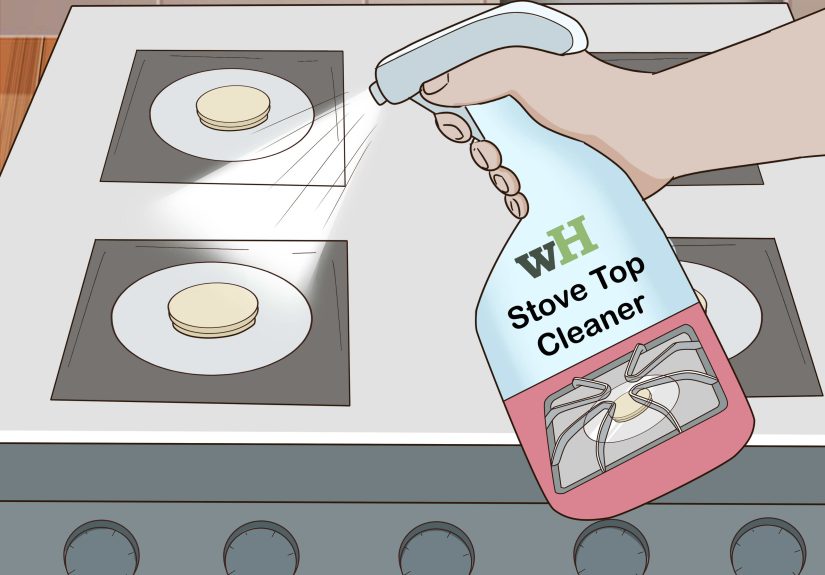
For everyday mess, spray a little warm water or a light vinegar-and-water solution onto the stove top. Wipe gently with a microfiber cloth, then dry with a fresh cloth. This removes fingerprints, light grease, and water spots before they settle in and declare permanent residency.
If you cook every day, this two-minute routine is your best defense against that cloudy, streaky look that can make an otherwise clean kitchen seem tired. A black stove top loves consistency more than heroics.
Step 4: Tackle Grease and Dull Film
If the surface looks hazy or feels greasy, apply a few drops of cooktop cleaner or use a simple mix of vinegar, water, and a tiny bit of dish soap. Let it sit for a few minutes, then work it in with a non-abrasive sponge or cloth. Wipe away the residue with a damp cloth and dry thoroughly.
Another popular option is baking soda. Sprinkle a light layer over the stove top, then place a hot, damp towel over it for about 10 to 15 minutes. After that, wipe in gentle circular motions. This helps loosen stuck-on food and greasy buildup without resorting to harsh scrubbing. It is basically the spa treatment version of cleaning.
Step 5: Remove Burnt-On Spots the Smart Way
For burnt sauce, melted sugar, or those fossilized mystery dots that seem bonded to the cooktop by science, start with a baking soda paste made from baking soda and a little water. Spread it on the spot and let it sit briefly. Then use a cooktop scraper designed for glass or ceramic tops to lift the residue carefully.
Hold the scraper low, not upright like you are trying to shave the counter. Gentle, controlled pressure works better than brute force. If your manufacturer allows scraping while the surface is warm, use care and an oven mitt. Otherwise, scrape on a cool surface and take your time.
After the residue lifts, apply a small amount of cooktop cleaner, rub with a non-abrasive pad, and buff the area dry. If the stain remains, repeat the process instead of getting aggressive. Most scratches happen when people get impatient and decide the stove top has personally offended them.
Step 6: Polish for a Streak-Free Finish
The last step is where a black stove top goes from “fine” to “wow.” Use a clean, dry microfiber cloth to buff the surface until any haze disappears. If you skip drying, especially after vinegar or water, you may end up with streaks or water spots. The cooktop will technically be clean, but it will still look like it had a rough week.
How to Clean a Black Gas Stove Top
If your black stove top is part of a gas range, remove the grates, burner caps, and knobs if your model allows it. Wash removable parts in warm, soapy water and dry them well. Some brands allow certain grates in the dishwasher, but your manual should make the final call.
For the black enamel surface itself, wipe loose debris first, then clean with warm water, mild dish soap, or a gentle vinegar solution. For dried spills, let hot soapy water sit on the area long enough to soften the mess before wiping it away. Around burner heads and ignition ports, be gentle. You want them clean, not flooded.
Use a soft cloth or non-abrasive sponge on the flat surface. Avoid harsh abrasives, oven cleaners, and steel wool on enamel. Those products may seem “powerful,” but they are the cleaning equivalent of using a chainsaw to trim your bangs.
What Not to Use on a Black Stove Top
- Steel wool
- Abrasive scrubbers or stiff brushes
- Harsh powdered cleansers
- Oven cleaner on the cooktop surface
- Dirty rags that can redeposit grease
- Too much soap, which can leave a cloudy film
- Excess water around gas burners or ignition ports
If a product is not labeled for glass, ceramic, or enamel stove top care, do not assume it is safe just because it cleaned your sink once. Black cooktops are pretty, but they are not eager to be your chemistry experiment.
How to Fix Common Black Stove Top Problems
Cloudy or Streaky Finish
This is usually caused by leftover cleaner, too much soap, or hard-water residue. Wipe the surface again with a damp microfiber cloth, then dry and buff with a fresh cloth. A light vinegar solution can also help cut through film.
White Spots or Mineral Marks
These are often from hard water or boil-overs. Spray lightly with vinegar, let it sit for a few minutes, then wipe and polish dry. Drying immediately matters more than people think.
Burnt Rings and Tough Brown Spots
Use a baking soda paste or cooktop cleaner plus a designated scraper. Repeat if needed. This is one of those life moments where patience beats enthusiasm.
Metal Marks From Pans
If you notice gray scuffs from cookware, use a cooktop cleaner and a non-abrasive pad. Avoid dragging pans across the surface in the future. A smooth pan bottom and a gentle lift-and-place habit can save a lot of drama.
How Often Should You Clean a Black Stove Top?
For the best results, wipe it down after every use once it is safe to do so. Deep-clean it weekly or whenever grease, burned food, or film starts building up. A daily wipe takes less time than scrolling for a recipe you will never actually make, and it keeps your stove top from turning into a before-photo.
Best Habits to Keep a Black Stove Top Looking New
- Wipe spills quickly once the surface is safe to touch
- Dry after every cleaning to prevent streaks
- Use cookware with smooth, clean bottoms
- Do not slide heavy pans across the surface
- Use a designated cooktop cleaner for regular maintenance
- Keep a scraper handy for burnt-on messes
In other words, the secret is not one magical product. It is a few low-effort habits that stop grime from becoming a long-term tenant.
Real-Life Experiences With Cleaning a Black Stove Top
Anyone who owns a black stove top eventually goes through the same emotional journey. First comes excitement: the surface is glossy, modern, and makes the whole kitchen look more expensive. Then comes reality: one splash of pasta sauce, one greasy skillet, and suddenly that beautiful black finish is showing every crime scene detail in high definition. It is humbling.
One of the most common experiences people have is learning that more scrubbing is not always better. At first, a lot of homeowners treat a black stove top the way they might treat a sturdy old metal range top. They grab the toughest sponge they have, scrub hard, and then wonder why the surface looks dull or streaky afterward. The better lesson usually comes after a little trial and error: soft cloths, patience, and the right cleaner work much better than brute force.
Another very real experience is discovering how much difference timing makes. A spill that gets wiped the same day is easy. A spill that gets ignored for three cooking sessions becomes a crusty monument to poor decisions. Many people say the biggest game-changer was simply getting into the habit of doing a quick wipe after dinner. Not a full deep clean. Not an elaborate ritual with six products and a motivational speech. Just a fast wipe, a dry buff, and moving on with life.
There is also the streak panic. You clean the stove top. It looks worse. You clean it again. Now it looks clean from one angle and haunted from another. This happens all the time on black glass. Usually the culprit is leftover cleaner or too much moisture. Once people figure out that the final dry microfiber buff is what brings back the shine, the whole process becomes much less frustrating.
Burnt-on messes teach another lesson: the scraper is not cheating. In fact, it is often the smartest tool in the room. People who avoid using one because it sounds scary often spend twice as long rubbing the same spot with a cloth. Then they finally try a proper cooktop scraper and realize the baked-on residue comes off in seconds when handled carefully. It feels a little like finding the right key after trying to open the door with a spoon.
And then there is the emotional truth nobody tells you: a clean black stove top changes how the whole kitchen feels. Even if the dishes are still in the sink and the grocery list is a mess, a polished stove top makes the room look intentional. It gives “I have my life together” energy, even if dinner was cereal and the dog stole half a tortilla five minutes ago.
That is why learning how to clean a black stove top is so useful. It is not just about removing grease. It is about making one of the most visible surfaces in your kitchen look calm, bright, and well cared for. And once you get the routine down, it stops being a chore and starts feeling like a small win you can actually control.
Final Thoughts
Cleaning a black stove top is not complicated, but it does reward the right strategy. Use soft cloths, gentle cleaners, and a designated scraper when needed. Clean light messes often, treat burnt residue patiently, and always finish by drying and buffing the surface. That is the formula for keeping a black cooktop glossy, streak-free, and ready for its next battle with spaghetti sauce.
So yes, your black stove top can look beautiful again. No, you do not need to scrub it like it insulted your family. You just need the right method, a little consistency, and perhaps a healthy distrust of exploding oatmeal.