Table of Contents >> Show >> Hide
- Why You Might Need to Cut a Screw or Bolt
- Before You Cut: What to Check First
- Best Tools for Cutting Screws and Bolts
- How to Cut Screws and Bolts with a Hacksaw
- How to Cut Bolts with Bolt Cutters
- How to Cut Installed Screws and Bolts
- How to Protect the Threads
- Common Mistakes to Avoid
- Which Method Is Best?
- Final Thoughts
- Experience and Lessons Learned from Cutting Screws and Bolts
If you have ever held a bolt up to a project and realized it was about half an inch too long, welcome to one of DIY’s oldest traditions: staring at metal and hoping it magically becomes shorter. Sadly, screws and bolts do not respond to positive thinking. They do, however, respond very well to the right tool, a little patience, and the wisdom to keep your fingers out of the “cutting zone.”
Knowing how to cut screws and bolts is one of those practical home-improvement skills that sounds minor until you need it right now. Maybe a machine screw sticks out too far on a door pull. Maybe a carriage bolt looks like a medieval spear under a workbench. Maybe threaded rod needs trimming for a shelving project. Whatever the situation, the goal is the same: get a clean cut, protect the threads as much as possible, and avoid turning a five-minute fix into a two-hour rant.
This guide walks through the best ways to cut screws and bolts, which tools work best for each situation, how to avoid mangling the threads, and how to stay safe while doing it. Whether you are a total beginner or a seasoned DIYer with a garage full of “very specific tools,” this article will help you choose the smartest method.
Why You Might Need to Cut a Screw or Bolt
Metal fasteners are sold in standard sizes, but real projects tend to ignore that convenience. Here are the most common reasons people cut screws and bolts:
- A screw is too long and protrudes from the back of the material.
- A bolt needs to be shortened to fit a bracket, frame, or appliance.
- Threaded rod must be cut to a custom length.
- A damaged or rusted fastener needs to be cut off for removal.
- You need a flush finish for safety, appearance, or clearance.
In other words, cutting fasteners is not a weird niche skill. It is regular, useful, grown-up DIY. Very glamorous, too, if you enjoy sparks.
Before You Cut: What to Check First
1. Know the fastener type
Small machine screws, wood screws, hex bolts, carriage bolts, and threaded rod do not all behave the same way. A tiny machine screw can often be cut with a screw-shearing hole in a multitool, while a thicker bolt may need a hacksaw, bolt cutters, or a grinder.
2. Measure twice
Mark the exact cut line with a permanent marker. If a nut will stay on the fastener, thread it past the cut line before cutting. That trick can help reform slightly damaged threads when you remove the nut after the cut.
3. Clamp the work securely
Do not hold a bolt in one hand and cut with the other unless your weekend plan includes explaining yourself at urgent care. Use a vise or clamp to keep the fastener from spinning, vibrating, or launching itself into the next zip code.
4. Wear the right safety gear
At minimum, wear safety glasses. For power tools, add hearing protection, work gloves, and long sleeves. If you are creating sparks or fine metal dust, ventilation matters too.
Best Tools for Cutting Screws and Bolts
The best method depends on the size of the fastener, how clean the cut needs to be, and whether the fastener is already installed.
Hacksaw
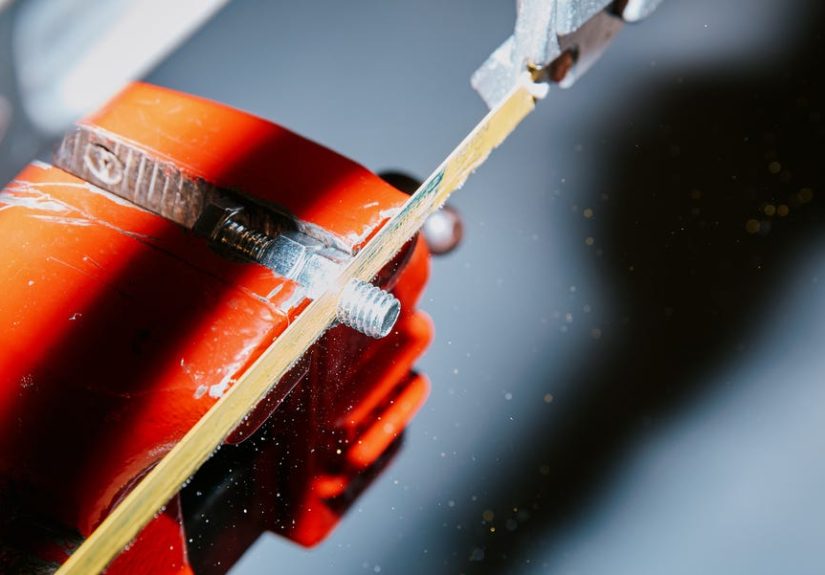
A hacksaw is one of the best all-around tools for cutting bolts and screws by hand. It is affordable, precise, and ideal when you want more control than brute force. A fine-tooth blade is best for metal, and slower, steady strokes usually produce a straighter cut than frantic sawing that looks dramatic but accomplishes little.
Best for: bolts, threaded rod, medium machine screws, light steel fasteners.
Pros: clean control, inexpensive, no sparks, good for detailed work.
Cons: slower than power tools, takes effort, not ideal in very tight spaces.
Bolt cutters
Bolt cutters are the “let’s stop talking and cut the thing” option. They work quickly and do not need electricity. For larger bolts, chain, or steel rod, they are incredibly effective. The trade-off is finesse. The cut may be rougher, and small or tightly placed screws can be awkward to reach.
Best for: thicker bolts, rods, stubborn fasteners, outdoor hardware.
Pros: fast, powerful, no cord, excellent leverage.
Cons: bulky, less precise, may leave rough ends.
Rotary tool with cut-off wheel
A rotary tool is great for small screws, trimming installed fasteners, or creating a slot in a damaged bolt or screw head. It is especially helpful when you need to cut in place without removing surrounding parts. It also excels at small, careful work where a big saw feels like bringing a bulldozer to plant a tulip.
Best for: machine screws, small bolts, trimming in tight areas, slotted cuts for removal.
Pros: precise, versatile, good in confined spaces.
Cons: creates sparks, discs wear out, requires a steady hand.
Angle grinder
If the fastener is thick, stubborn, or part of a heavy-duty project, an angle grinder can make fast work of it. This is one of the quickest cutting methods, but it is also one of the more aggressive. You need clearance, proper guarding, and full attention. Angle grinders are not tools to use while distracted, tired, or trying to answer a text.
Best for: large bolts, rusted hardware, structural fasteners, steel rod.
Pros: very fast, handles tough metal, great for removal.
Cons: sparks, noise, heat, and a higher “respect this tool” factor.
Oscillating or reciprocating saw
These are useful when access is limited or when a bolt is embedded in a structure. The correct metal-cutting blade is essential. They are less delicate than a hacksaw but sometimes much easier to maneuver in awkward situations.
Wire stripper or multitool with screw-cutting holes
For small machine screws, this is one of the smartest options. Many electrician-style tools have threaded holes labeled for common screw sizes. You thread the screw through to the desired length, squeeze the tool, and the screw gets cut while the threads stay more usable than with many other methods.
Best for: 6-32, 8-32, and similar small machine screws.
Pros: quick, compact, thread-friendly, beginner-friendly.
Cons: limited to specific sizes and smaller fasteners.
Threaded rod cutter
If you cut threaded rod often, a dedicated threaded rod cutter is a luxury that quickly becomes a favorite. It can produce clean, burr-free cuts with less cleanup and less drama than a grinder or saw. For most homeowners, it is optional. For pros and frequent DIYers, it can be a real time-saver.
How to Cut Screws and Bolts with a Hacksaw
- Measure the needed length and mark the cut line.
- Thread a nut past the cut line if possible.
- Clamp the fastener firmly in a vise.
- Use a fine-tooth hacksaw blade made for metal.
- Start with light strokes to create a groove.
- Continue with steady, even strokes until the cut is complete.
- File the cut end smooth.
- Back the nut off to help straighten slightly distorted threads.
This method is excellent for people who want control and a relatively clean result. It is slower than power tools, but slower is not always bad. Sometimes slower is what keeps a project looking neat instead of “fixed by a raccoon with tools.”
How to Cut Bolts with Bolt Cutters
- Choose cutters sized for the bolt diameter and hardness.
- Mark the cut point clearly.
- Clamp the work if possible.
- Position the bolt deep in the jaws, not near the tips.
- Squeeze steadily until the fastener snaps cleanly.
- Inspect the cut end and file it if needed.
Bolt cutters are best when speed matters more than a perfect finish. If you need the nut to thread smoothly right back on, expect a little cleanup afterward.
How to Cut Installed Screws and Bolts
Sometimes the fastener is already mounted, and removing it first would create more trouble than just trimming it in place. That is where rotary tools, oscillating tools, and angle grinders shine.
- Shield nearby surfaces with a scrap of metal or another nonflammable barrier if needed.
- Make sure the area is clear of flammable materials.
- Secure the surrounding workpiece as much as possible.
- Use the correct metal-cutting wheel or blade.
- Start the tool before contacting the fastener.
- Cut slowly and let the tool do the work.
- Allow the metal to cool before touching it.
- Deburr the cut end with a file or grinding attachment.
This method is especially useful for shelf brackets, plumbing straps, automotive hardware, and awkward protruding bolts under sinks or behind appliances.
How to Protect the Threads
If there is one secret that separates a clean DIY result from a muttered complaint, it is thread protection. Here are the best ways to preserve usable threads:
- Use a nut before cutting: Thread it past the cut line, then remove it after cutting.
- Cut slowly: Rushed cuts create more burrs and distortion.
- Use the right blade: Fine teeth generally help with cleaner metal cuts.
- File the end: A few strokes can make a huge difference.
- Add a slight bevel: Chamfering the cut tip can help nuts start more easily.
If the threads are badly damaged, a thread file or die may rescue them. But it is better to prevent the damage in the first place than to perform mechanical surgery later.
Common Mistakes to Avoid
Using the wrong tool
Trying to cut a thick hardened bolt with a tiny multitool is a good way to ruin the multitool, annoy yourself, and still have a thick hardened bolt.
Not securing the fastener
Movement causes crooked cuts, broken discs, and higher injury risk.
Skipping safety gear
Metal filings, sparks, and cut-off fragments are not imaginary. Eye protection is not optional.
Forgetting about heat
Freshly cut metal can stay hot long enough to surprise you. Metal loves a dramatic exit.
Ignoring cleanup
A cut fastener often needs filing or deburring. Skipping that step can make reassembly frustrating.
Which Method Is Best?
Here is the practical answer:
- For small machine screws: use a screw-cutting hole in a wire stripper or multitool.
- For clean manual cuts on bolts: use a hacksaw and a nut.
- For fast heavy cuts: use bolt cutters.
- For installed or awkward fasteners: use a rotary tool or angle grinder.
- For frequent threaded rod work: consider a dedicated threaded rod cutter.
The best tool is not always the biggest or most expensive one. It is the one that gives you enough control to make the cut safely and cleanly for the specific fastener in front of you.
Final Thoughts
Learning how to cut screws and bolts is one of those practical skills that instantly makes you more capable around the house, garage, or workshop. It saves trips to the hardware store, helps custom-fit hardware to real-world projects, and gives you more confidence when a fastener refuses to cooperate with your grand plans.
The biggest lesson is simple: choose the right cutting method for the size and location of the fastener, secure the work, protect the threads, and clean the cut afterward. That combination turns a rough metal-trimming chore into a precise, professional-looking result.
And remember, if a bolt is too long, the problem is not personal. It is just metal. You can fix metal.
Experience and Lessons Learned from Cutting Screws and Bolts
One of the most useful things I have learned about cutting screws and bolts is that the “best” method is usually the one that matches the situation, not the one that looks the most impressive. Early on, I used to assume a power tool was always the answer. If something needed cutting, surely sparks were required. But after enough projects, I realized that a humble hacksaw often gives the cleanest and least stressful result, especially when shortening a bolt for furniture, shelving, or a utility project where thread quality matters.
I have also learned that threading a nut onto the bolt before cutting is not just a clever trick people repeat on the internet because it sounds smart. It genuinely works. The first time you cut a bolt without doing that, then spend ten frustrating minutes trying to get a nut started on the mashed end, the lesson sticks. After that, putting a nut on first becomes second nature.
Another big takeaway is that small machine screws are their own category. If you try cutting them with a hacksaw, they can wiggle, bend, or test your patience. A multitool with screw-shearing holes feels almost magical by comparison. You thread the screw through, squeeze, and suddenly you feel like the sort of person who knows exactly what they are doing. Even if five minutes earlier you were staring at cabinet hardware in confusion.
Cutting installed bolts taught me a different lesson: control matters more than speed. A rotary tool can be wonderful in tight spaces, but it rewards a steady hand and a calm pace. The first time someone rushes one of those cuts, the disc reminds them who is boss. The same goes for angle grinders. They are fantastic tools, but they demand respect. They are not “just for one quick second” tools. They are “clear the area, brace the work, gear up, and then proceed” tools.
Probably the most universal experience is discovering that the cut itself is only part of the job. The real difference between a rough DIY result and a polished one is what happens next: filing the burr, cleaning the threads, checking the fit, and taking one extra minute to make the fastener usable. That final minute is where a lot of success lives.
So, from experience, the smartest approach is simple: do not rush, do not improvise wildly, and do not underestimate the value of a file, a nut, and a good clamp. Most fastener-cutting problems are easy once you slow down enough to solve them properly.