Table of Contents >> Show >> Hide
- Why Workout Clothing Matters More When You Have Psoriasis
- The Psoriasis-Friendly Workout Outfit Rules (Simple, Not Bossy)
- 1) Prioritize “low friction” over “tight enough to read your thoughts”
- 2) Manage sweat like it’s your job (without actually making it your job)
- 3) Pick fabrics based on your skin’s personality
- 4) Seams, tags, and waistbands: the tiny villains
- 5) Layer smart to control temperature swings
- 6) Color and laundry choices matter more than most people realize
- 7) Coverage is optional. Comfort is not.
- 8) Don’t ignore “hot spots” (thighs, underarms, under-breast, waistband)
- Outfit “Recipes” for Common Workouts
- Small Gear Choices That Make a Big Difference
- Post-Workout Skin Care That Supports Your Outfit
- When to Adjust Your Plan (Not “Quit Working Out”)
- Real-World Experiences: What People Learn After a Few Itchy Workouts (About )
- Conclusion
Dressing for a workout is usually a simple math problem: “Will this outfit survive sweat, squats, and that one treadmill fan that’s basically a leaf blower?”
Add psoriasis, and suddenly your gym clothes aren’t just fashionthey’re equipment. The right outfit can help reduce itch, friction, overheating, and that “why does my waistband feel like it’s personally mad at me?” sensation.
The good news: you don’t have to choose between being active and being comfortable. With a few fabric-and-fit upgrades (and a couple of hygiene habits),
you can build a psoriasis-friendly workout wardrobe that supports your skin instead of picking a fight with it.
Why Workout Clothing Matters More When You Have Psoriasis
Psoriasis-prone skin often reacts to the same things that make workouts… well, workout-y:
sweat, heat, rubbing, pressure, and tiny “micro-injuries” from friction. For some people, skin trauma can trigger new lesions at the injury site
(a reaction often discussed as the Koebner phenomenon). Translation: repeated rubbing from a seam, waistband, sports bra band, or compression gear can be more than just annoyingit can be a flare-up invitation.
Another curveball is inverse psoriasis (in skin folds like underarms, groin, under breasts), where rubbing and sweating can be especially irritating.
That’s why the “best workout outfit” for psoriasis is usually the one that keeps friction low, sweat managed, and temperature steady.
The Psoriasis-Friendly Workout Outfit Rules (Simple, Not Bossy)
1) Prioritize “low friction” over “tight enough to read your thoughts”
Fit matters, but “tight” is not automatically “better.” Clothes that cling, pinch, or shift constantly can rub plaques and sensitive areas.
Look for a fit that stays put without squeezingespecially around common flare zones like elbows, knees, waistband lines, bra bands, and inner thighs.
- Choose: flat seams, smooth waistbands, tagless labels, and soft hems.
- Avoid (when possible): rough elastic edges, scratchy stitching, and tight accessories that dig in.
2) Manage sweat like it’s your job (without actually making it your job)
Sweat can sting and irritate psoriasis patches, and damp fabric can increase friction. Your goal isn’t to stop sweating (that’s called “not exercising”),
but to keep sweat from sitting on your skin for long.
- Look for: breathable, quick-drying materials and ventilation (mesh panels can help if they’re not scratchy).
- Bring a backup top: swapping a soaked shirt mid-session can be a game-changer.
- Plan for the exit: a clean, dry set of clothes right after the workout reduces “post-gym irritation time.”
3) Pick fabrics based on your skin’s personality
Here’s the honest truth: some people with psoriasis love soft cotton; others prefer smooth technical fabrics that wick sweat and dry fast.
The “best” fabric is the one that doesn’t itch, trap heat, or feel abrasive on you.
- Often works well: soft cotton blends, smooth performance knits, and fabrics marketed as “moisture-wicking” or “quick-dry.”
- Often irritating: scratchy wool-like textures, heavy fabrics that trap heat, or stiff materials that crease and rub.
- Pro tip: if a fabric feels even slightly scratchy in the store, it will feel 400% scratchier after 30 minutes of sweating.
4) Seams, tags, and waistbands: the tiny villains
A single thick seam can act like a repeating “micro-scratch.” If you tend to flare where clothing presses (waist, bra band, sock line),
pay special attention to construction.
- Choose flatlock seams or seamless designs for leggings and tops.
- Prefer wide, soft waistbands over narrow, tight elastic.
- Go tagless (or remove tags carefully so you don’t create a scratchy leftover edge).
5) Layer smart to control temperature swings
Overheating can worsen itching for some people. Layering lets you adaptespecially for outdoor workouts or chilly gyms with enthusiastic air-conditioning.
- Start with a breathable base layer that doesn’t rub.
- Add a light, soft top layer you can remove quickly.
- Avoid “sauna suits” and heavy hoodies if heat is a trigger for you.
6) Color and laundry choices matter more than most people realize
Sensitive skin can react to fragrances, dyes, and laundry additives. If your “clean clothes” sometimes feel like they’re coated in invisible irritation,
your detergent or fabric softener may be the culprit.
- Use fragrance-free, dye-free detergent when possible.
- Skip fabric softeners if they seem to bother your skin.
- Rinse thoroughlyan extra rinse cycle can help remove residue.
7) Coverage is optional. Comfort is not.
Some days you’ll want long sleeves or leggings to reduce rubbing and protect plaques; other days you’ll want less fabric to stay cool.
Both choices are valid. Your workout clothes should support your body doing strong thingsnot force you into a confidence negotiation.
8) Don’t ignore “hot spots” (thighs, underarms, under-breast, waistband)
If you’re prone to irritation in skin folds or high-friction zones, plan around it. The goal is to reduce rubbing and keep those areas dry.
- Consider longer inseams (bike shorts or full leggings) to reduce inner-thigh friction.
- Choose bras with soft, wide bands and smooth edges.
- Use breathable underwear that doesn’t pinch or trap sweat.
Outfit “Recipes” for Common Workouts
Running or brisk walking
Running combines sweat + repetition (aka “friction’s favorite playlist”). Keep it smooth and stable.
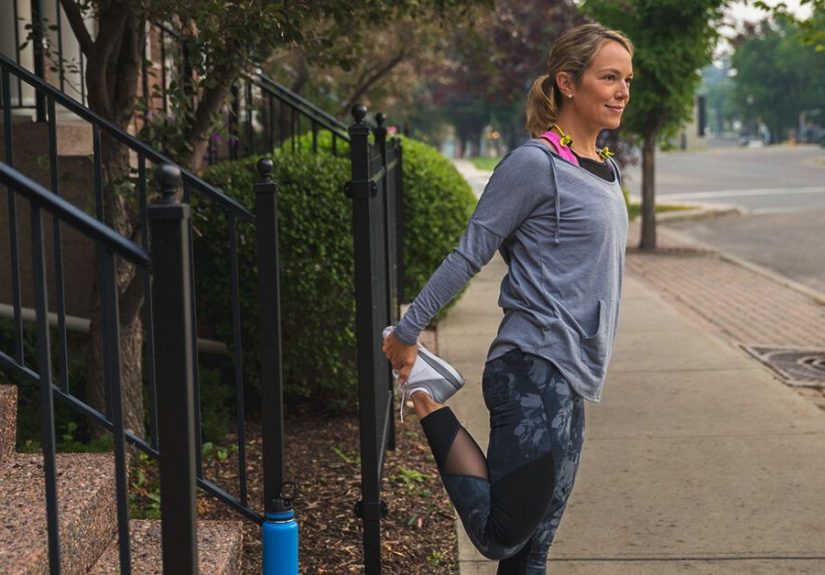
- Top: breathable, quick-dry tee or soft long-sleeve if sun/cold is an issue.
- Bottoms: leggings or shorts with a longer inseam; flat seams are your best friend.
- Socks: soft, well-fitting athletic socks (avoid tight cuffs that leave deep marks).
- Extra: a small towel to blot sweat instead of rubbing your skin with your shirt.
Yoga or Pilates
Stretching and floor contact can irritate plaques on knees, shins, elbows, and wristsespecially if fabric bunches or seams press into skin.
- Top: fitted enough to stay put in downward dog, but not tight around underarms or bra line.
- Bottoms: soft leggings with a wide waistband and minimal seams.
- Accessory: bring your own mat (cleaner, softer, and you control what it’s been through).
Strength training
Weight training often means equipment contact (benches, pads, knurling on bars) and repeated movement at the same joints.
- Top: breathable and roomy in the shoulders to prevent rubbing at the underarm seam.
- Bottoms: leggings/joggers that don’t slide down (constant adjusting = extra friction).
- Hands: if you use gloves, pick a soft pair that doesn’t bunch at the wrist.
- Hack: place a clean towel between your skin and shared surfaces for comfort and hygiene.
HIIT or hot classes
If heat and sweat aggravate your psoriasis, this category needs extra strategy. You can still do itjust dress like you’re planning for conditions.
- Choose lightweight, breathable pieces and avoid heavy layers.
- Bring a second shirt and change quickly after class.
- Hydrate and cool down gradually; a calmer cooldown can reduce that “overheated itch” feeling for some people.
Swimming
Swimming can be joint-friendly, but chlorine and wet fabric can be drying or irritating for some.
- Rinse off right after swimming and change into dry clothes promptly.
- Moisturize soon after you shower (pat drydon’t scrub your skin with the towel like you’re sanding a deck).
Small Gear Choices That Make a Big Difference
Sports bras (and any chest support)
If you have irritation under the breasts or along the band line, the bra’s construction matters as much as the size.
Look for soft bands, smooth seams, and fabrics that don’t stay wet.
Socks and shoes
Friction and pressure around ankles and heels can be irritatingespecially if you have plaques on feet or dryness that cracks.
Choose socks that stay up without strangling your calves, and shoes that fit well without rubbing.
Headbands, hats, and helmets
For scalp psoriasis, tight headbands and helmet straps can irritate. Opt for soft, breathable headwear and make sure straps aren’t digging in.
If you cycle, a well-fitting helmet with adjustable padding can reduce pressure points.
Anti-chafe options (if your dermatologist says it’s OK)
Many active people use barrier products in high-friction areas (like inner thighs). If you’re considering this,
choose fragrance-free options and patch-test first. If you’re using medicated topicals, ask a clinician about layering products safely.
Post-Workout Skin Care That Supports Your Outfit
Even the best outfit can’t outwork a “sit in sweaty clothes for two hours” routine. Post-workout habits are part of dressing smart.
- Change promptly: swap out damp clothes sooner rather than later.
- Shower with lukewarm water: many dermatology sources recommend avoiding very hot water if it dries or irritates your skin.
- Pat dry, then moisturize: applying moisturizer soon after bathing (while skin is slightly damp) helps lock in hydration.
- Wash workout clothes after each wear: sweat, bacteria, and detergent residue from previous cycles can build upcleaning regularly helps.
When to Adjust Your Plan (Not “Quit Working Out”)
If a particular garment reliably triggers irritationsame spot, same seam, same miserybelieve the pattern. Swap it out.
If you’re cracking, bleeding, showing signs of infection, or flaring aggressively, it’s worth checking in with a dermatologist or clinician.
Clothing can reduce irritation, but it can’t replace medical care when symptoms escalate.
Think of psoriasis-friendly workout dressing as a “comfort system”: fit + fabric + construction + sweat management + post-workout care.
When those pieces work together, exercise feels more doableand your skin gets fewer reasons to complain during burpees.
Real-World Experiences: What People Learn After a Few Itchy Workouts (About )
If you’ve ever finished a workout thinking, “My muscles feel great, but my skin is filing a formal complaint,” you’re not alone.
A lot of people with psoriasis end up running little experiments with clothingswitching one detail at a time until they find a setup that doesn’t aggravate their skin.
Below are common experiences people share (and the practical lessons that come with them).
The “Seam on the Inner Thigh” Mystery
One of the most common stories goes like this: someone buys cute leggings, loves them for exactly one workout, and then notices a burning, itchy patch where a seam sits.
The fix is rarely dramaticit’s usually construction. Flat seams, a slightly longer inseam, or even switching to bike shorts that prevent skin-on-skin rubbing
can make cardio feel normal again. People are often surprised that “thicker” isn’t always better; sometimes a lighter, smoother fabric reduces friction more effectively,
especially once sweat enters the chat.
Sports Bra Band Drama
Many people describe the bra band as the unofficial “flare-up line” if they’re prone to irritation under the breasts or along the ribcage.
What helps? Wider, softer bands and bras that don’t shift during movement. Some people size up to reduce pressure,
others find that a different style (like an encapsulation bra instead of a tight compression style) feels gentler.
The big takeaway: comfort isn’t weaknessif you’re constantly adjusting a bra, you’re creating friction in the exact place you don’t want it.
The “Cotton vs. Performance Fabric” Plot Twist
There’s a real split in preferences. Some people swear by soft cotton blends because they feel gentle on plaques.
Others find that cotton stays wet too long and increases rubbing, so quick-dry performance fabrics feel better during intense sessions.
A common compromise is a cotton-blend top for low-sweat workouts (yoga, lifting) and a smooth moisture-wicking shirt for high-sweat days (running, HIIT).
People who win this battle usually stop trying to find one “perfect” outfit and instead build a small rotation for different sweat levels.
The “I Changed Faster and My Skin Thanked Me” Moment
This is the unglamorous secret that works: changing out of sweaty clothes promptly. People often report that it’s not the workout itself that irritates them most,
but the long cooldown period spent in damp fabricdriving home, running errands, scrolling on the couch, still in gym clothes.
Keeping a clean shirt (and sometimes underwear) in a gym bag can reduce irritation dramatically.
The Confidence Factor (Yes, It Counts)
Lots of people describe an emotional “friction” toowondering if plaques will show, if flakes will be visible, or if they’ll feel stared at.
The most helpful clothing choice here is the one that helps you show up consistently. For some, that’s lightweight long sleeves or leggings.
For others, it’s breathable shorts and a tank because overheating is worse than visibility. Many people end up with two uniforms:
a “high comfort, high coverage” outfit for flare days and a “cool and breathable” outfit for calmer skin days. Both are wins.
The recurring lesson across these experiences is simple: the best psoriasis workout outfit is the one that keeps you moving.
If a small clothing tweak makes exercise more comfortable, that’s not being pickythat’s being smart.
Conclusion
Dressing for workouts with psoriasis is less about chasing the trendiest matching set and more about building a friction-friendly, sweat-smart system.
Choose soft or smooth fabrics that don’t irritate you, avoid tight pressure points, favor flat seams, and change out of damp clothes quickly.
Pair that with gentle post-workout carelukewarm showers, pat-dry, moisturizeand you’ll give your skin fewer reasons to flare while you stay active.
Comfortable clothes won’t cure psoriasis, but they can absolutely make movement feel better. And that’s a win worth wearing.