Table of Contents >> Show >> Hide
- Why an Egg Carton Firestarter Works So Well
- What You Need to Make a Homemade Firestarter Using Egg Carton
- How to Make Egg Carton Firestarter Step by Step
- How to Use a Homemade Firestarter the Right Way
- Important Firestarter Safety Tips
- Common Mistakes to Avoid
- Why This DIY Firestarter Is Worth Making
- Extra Practical Experiences and Lessons From Making Egg Carton Firestarters
- Final Thoughts
If you’ve ever tried to light a campfire with damp twigs, one apologetic match, and the confidence of a Victorian chimney sweep, you already understand the appeal of a good firestarter. The good news: you do not need a fancy gadget, a survival show soundtrack, or a suspicious bottle of lighter fluid to get things going. One of the easiest DIY solutions is sitting in your recycling pile right now: a cardboard egg carton.
A homemade egg carton firestarter is cheap, simple, and weirdly satisfying to make. It also checks a lot of boxes for practical people: it helps reuse leftover wax, turns common household scraps into something useful, and gives you a compact way to start a fireplace, backyard fire pit, wood stove, or campfire. Better yet, once you know the method, you can make a batch in one go and be set for weeks or even months.
In this guide, you’ll learn why an egg carton firestarter works so well, what materials to use, how to make it safely, and how to avoid the mistakes that turn a clever DIY project into a lumpy mess. By the end, you’ll have a homemade firestarter that burns long enough to help your tinder and kindling catch properly, which is exactly what you want when the weather is cold, the wood is grumpy, and your hands would rather be near a flame than building one.
Why an Egg Carton Firestarter Works So Well
The beauty of this DIY firestarter is that it solves two problems at once: catching a flame quickly and keeping it going long enough to ignite kindling. Fire needs a progression. You start with a small, easy-to-light material, then move to kindling, then larger pieces of wood. An egg carton firestarter fits neatly into that first step.
Here’s why it works:
- The cardboard egg carton acts as both container and fuel.
- Dry filler like sawdust, shredded paper, or dryer lint catches the initial flame.
- Melted wax slows the burn, giving the firestarter more staying power.
That combination creates a compact starter that lights without much fuss and burns longer than plain paper alone. Instead of flaring up for five dramatic seconds and then surrendering, it gives your fire a real chance to take hold. Think of it as training wheels for your campfire, except much hotter.
What You Need to Make a Homemade Firestarter Using Egg Carton
The materials list is refreshingly short. You probably have most of it already.
Basic Supplies
- 1 cardboard egg carton (not foam)
- Wax from old candles, candle stubs, wax melts, crayons, or craft wax
- Dry filler such as sawdust, shredded paper, or dryer lint
- A heat-safe can or container for melting wax
- A pot with water to create a simple double-boiler setup
- Tongs, gloves, or oven mitts for safe handling
- Scissors or your hands to separate the cups later
Best Fillers to Use
Sawdust is one of the best options because it packs neatly, catches well, and combines nicely with melted wax. Shredded paper is another easy household choice, especially if you have plain, non-glossy paper on hand. Dryer lint can work too, but it is smartest to use lint from loads with mostly natural fibers, such as cotton towels or sheets, rather than lint packed with synthetic fleece fuzz and mystery laundry residue. If you want the cleanest, simplest route, sawdust and shredded paper are excellent choices.
What Not to Use
- Foam egg cartons: Skip them. Use cardboard only.
- Wet filler: Any moisture makes the firestarter weaker and harder to light.
- Flammable liquids: No gasoline, no lighter fluid, no “this seems like a good shortcut” experiments.
- Trash or plastic bits: A firestarter should help start a fire, not turn it into a chemistry project.
How to Make Egg Carton Firestarter Step by Step
This is the easiest method for making DIY fire starters at home.
Step 1: Choose the Right Egg Carton
Start with a clean, dry cardboard egg carton. The cardboard version is ideal because it burns naturally and holds the filler in place. If your carton is damp, flimsy, or greasy, pick another one. This is not the moment to become emotionally attached to a soggy carton.
Step 2: Fill Each Cup
Place your dry material into each cup of the egg carton. You can use one filler or a mix. A good combination is a little sawdust at the bottom with shredded paper or natural-fiber lint on top. Pack each cup enough to fill it, but do not cram it so tightly that air cannot move through. Fire still likes to breathe.
Step 3: Melt the Wax Safely
Put your wax into a clean metal can or heat-safe container, then place that container in a pot with a little water to make a double boiler. Heat gently until the wax melts. Keep the temperature low and steady. Do not walk away, do not rush it, and do not treat molten wax like soup. It is not soup. It is pain in liquid form.
Step 4: Pour Wax Into the Egg Carton
Carefully pour melted wax into each egg cup until the filler is saturated. You do not have to drown every bit of material, but you do want enough wax to help the firestarter burn longer. Work slowly. If the filler settles, add a little more wax. If you spill some on the carton edges, that is fine; those rough edges often help the cup catch when you light it.
Step 5: Let Everything Cool Completely
Set the carton aside and let the wax harden fully. Depending on room temperature, this may take a couple of hours. Resist the urge to poke it every ten minutes like a curious raccoon. If the wax is still soft, the cups can deform or pull apart awkwardly.
Step 6: Break the Carton Apart
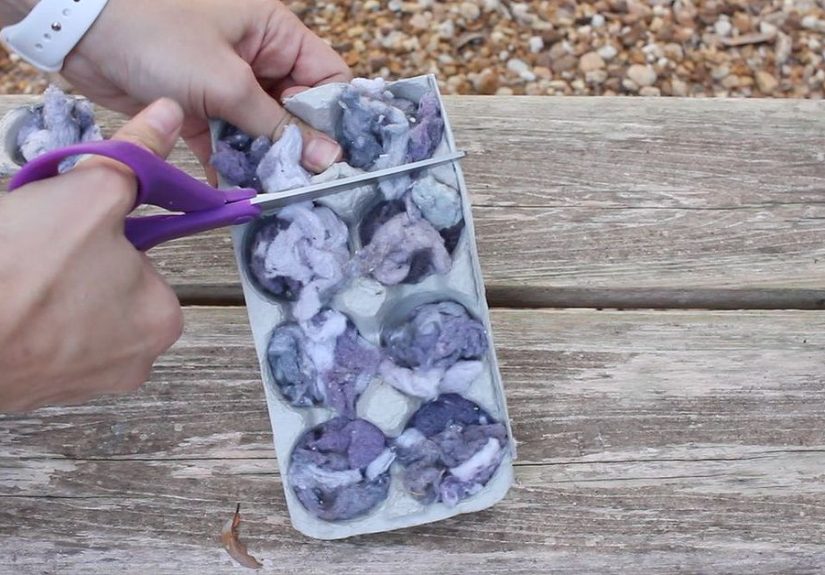
Once cool, separate the carton into individual cups or small sections. Each cup becomes its own little firestarter. Store them in a dry container, paper bag, tin, or box until you need them.
How to Use a Homemade Firestarter the Right Way
Using your firestarter properly matters just as much as making it well. A good firestarter is not meant to replace good fire-building habits. It is meant to support them.
For a Campfire or Fire Pit
- Place one egg carton firestarter at the base of your fire lay.
- Surround it with small, dry kindling.
- Add slightly larger sticks above that.
- Light the edge of the firestarter with a match or lighter.
- Once the kindling catches, add larger pieces of dry wood gradually.
A teepee, lean-to, or log cabin setup all work well, as long as you leave room for airflow. If you pile large logs on top too early, you’ll suffocate the flame and then blame the poor little egg carton for a failure it did not deserve.
For a Fireplace or Wood Stove
Use one firestarter beneath kindling and small split logs. Make sure the flue or airflow is set properly before lighting. If you are using dryer lint-based starters indoors, be extra thoughtful about the materials that went into that lint. Many people prefer sawdust or plain shredded paper indoors for a cleaner, more predictable burn.
Important Firestarter Safety Tips
DIY fire starters are simple, but they still involve wax, flame, and common sense. So yes, this is the part where we keep your eyebrows employed.
1. Use Cardboard, Not Foam
A cardboard egg carton is the correct choice. Foam or plastic-style cartons should not be used in homemade firestarters. They do not burn the same way, and they are not appropriate fuel for a campfire, fireplace, or wood stove.
2. Never Use Flammable Liquids
If your firestarter is made correctly, you do not need lighter fluid, gasoline, or any other accelerant. These can create dangerous flare-ups and make a small fire unexpectedly violent.
3. Melt Wax Gently and Watch It
Always melt wax slowly with indirect heat. Do not leave it unattended. Keep children and pets away while you work. Hot wax is not forgiving, and spilled wax on a hot burner is nobody’s idea of cozy.
4. Store Firestarters in a Cool, Dry Place
Heat can soften the wax and make the firestarters messy. Moisture can weaken the cardboard and filler. A dry container in a utility room, garage shelf, or camping bin works well.
5. Use Only in Appropriate Fires
These homemade firestarters are for fireplaces, wood stoves, campfires, and fire pits where open flames are allowed. Always follow local burn rules and fire restrictions. They are not toys, and they are not for tossing into random outdoor flame experiments.
6. Fully Extinguish the Fire
When you are done with an outdoor fire, use water, stir the embers, and make sure everything is cool before leaving. A fire that looks finished and a fire that is actually finished are not always the same thing.
Common Mistakes to Avoid
Most failed egg carton firestarters come down to a few avoidable issues.
Using Too Little Wax
If you barely drizzle wax over the top, the filler may ignite fast and burn out before your kindling catches. Saturation matters.
Using Damp Materials
Wet sawdust, damp paper, or lint stored in a humid laundry room can sabotage the whole batch. Start with dry materials only.
Overpacking the Cups
Too much stuffing can restrict airflow. You want compact, not brick-like.
Choosing the Wrong Lint
Lint from mostly natural-fiber loads is a better choice than lint loaded with synthetic fuzz. If in doubt, use sawdust or shredded paper instead.
Trying to Burn Bad Wood
Even the best homemade firestarter cannot perform miracles on soaked logs. Your firestarter helps the process, but dry kindling and dry firewood still matter.
Why This DIY Firestarter Is Worth Making
There are plenty of commercial fire starters on the market, and some work very well. But making your own homemade firestarter using egg carton has a few advantages that store-bought options cannot always match.
- It is budget-friendly. You can make a batch from materials you already have.
- It reduces waste. Egg cartons, leftover wax, sawdust, and paper all get a second life.
- It is customizable. You can make compact starters for camping or slightly fuller ones for home use.
- It is convenient. Having a stash ready means less scrambling when you want a quick fire.
There is also a quiet satisfaction in lighting a fire with something you made yourself. It feels capable. Resourceful. Slightly old-school in the best way.
Extra Practical Experiences and Lessons From Making Egg Carton Firestarters
People who make egg carton firestarters regularly tend to discover the same things after a few batches, and those real-world lessons are often more useful than the basic recipe itself. The first lesson is that not all batches burn the same way. A firestarter made with fine sawdust and plenty of wax usually burns slower and steadier than one made with loose paper scraps. A cup stuffed with fluffy dryer lint may catch fast, which is great, but it can also burn hotter at the start and feel a little more dramatic. That is not necessarily bad; it just means the “best” mix depends on where you plan to use it.
For example, many people find that sawdust-heavy firestarters are excellent for a backyard fire pit or wood stove because they burn in a more controlled way. If you are camping and want something that lights quickly when your fingers are cold and your patience is gone, a mix of shredded paper and a little lint may be more forgiving. In other words, the humble egg carton teaches the same lesson as cooking: ingredients matter, but ratios matter even more.
Another common experience is learning that clean-up and setup decide whether the project feels fun or annoying. The first time someone melts wax directly in a favorite kitchen pan, they often realize they have just created a very specific form of regret. A dedicated can, an old spoon, and newspaper or a tray under the carton make the whole process easier. So does working in a space where an accidental wax drip is merely rude, not tragic.
Storage is another detail that sounds boring until it saves the day. A batch of beautiful DIY fire starters can turn sad fast if tossed loosely into a hot garage in summer. The wax softens, the cups stick together, and suddenly your tidy supply becomes a chunky sculpture. People who use these often learn to store them in a box, tin, or paper bag in a cool, dry place. It is a small habit that makes the firestarters far more reliable months later.
Then there is the issue of expectation versus reality. Some beginners assume one little egg cup will instantly launch a roaring bonfire. Usually, that is not how it works. A firestarter is a helper, not a superhero. It still needs dry kindling, good airflow, and a sensible stack of wood. Once people stop expecting magic and start using the firestarter as part of a proper tinder-kindling-fuel sequence, their success rate shoots up.
One of the most repeated lessons from experience is wonderfully simple: make more than you think you need. A single carton disappears quickly once people realize how useful these are for fireplaces, camping kits, emergency supplies, and backyard nights. The good news is that once you have the rhythm down, batch-making is easy. Melt the wax once, fill the cups assembly-line style, and make several cartons at a time.
Finally, many DIYers end up liking this project because it makes them pay attention to materials they used to ignore. Suddenly, leftover candle wax is not useless. Cardboard packaging is not just trash. A plain egg carton becomes a tool. That shift in mindset is part of the charm. This project is not only about making a homemade firestarter using egg carton; it is about learning how a few ordinary household leftovers can become genuinely practical. And honestly, turning breakfast packaging into a reliable campfire starter is the kind of overachieving behavior we should all support.
Final Thoughts
If you want an easy, practical, low-cost way to make your next fire easier to start, an egg carton firestarter is hard to beat. With a cardboard egg carton, dry filler, and melted wax, you can create a dependable DIY fire starter that works for campfires, fireplaces, fire pits, and wood stoves. It is simple enough for beginners, useful enough for experienced campers, and satisfying enough to make you feel like the most prepared person in a 20-foot radius.
Keep the materials simple, follow basic safety rules, and remember the golden truth of fire-building: your firestarter is the opening act, not the whole concert. Give it dry kindling, decent airflow, and a little patience, and it will do its job beautifully.
Not bad for something that started life carrying a dozen eggs.