Table of Contents >> Show >> Hide
You leave the salon with fresh, shiny color, feeling like the main character. Two shampoos later,
your “espresso brunette” looks more like lukewarm tea. If your hair just won’t hold color anymore,
it’s not you being dramaticyour strands are literally leaking pigment.
The good news: in most cases, you don’t have to swear off hair dye forever. When hair stops
holding color, it’s usually a sign of damage and porosity issues, not a permanent sentence.
With the right repair routine and a smarter coloring strategy, you can get your shade to stick
again and make your hair feel like hair, not crunchy straw.
Why Your Hair Suddenly Won’t Hold Color
Porosity: The Real Villain Behind Fast-Fading Color
To understand why your color keeps ghosting you, you have to talk about hair porositythat’s how
easily your hair absorbs and loses moisture (and dye). Think of the hair cuticle like roof shingles:
when they’re flat, they protect what’s inside; when they’re lifted, stuff gets in quickly… and
falls out just as fast.
- Low porosity hair: tight cuticle, color has a hard time getting in.
- Normal porosity hair: happy middle ground, takes and holds color well.
- High porosity hair: cuticle is roughed up or damaged, color floods in then washes out quickly.
Years of lightening, perming, straightening, or just chronic heat styling can push hair into that
high-porosity zone. When that happens, those tiny color molecules don’t have much to cling to,
so they rinse away in a few shampoos or even the first wash.
Other Common Reasons Color Won’t Stick
- Overprocessed ends. The last few inches of your hair have been through every
bleach, toner, and flat iron you’ve ever used. They’re often too compromised to hold dye for long. - Using harsh shampoo. Sulfate-heavy or clarifying shampoos can strip pigment
quickly, especially on already damaged hair. - Washing too soon or too often. Shampooing within 24–48 hours of a color service
or washing daily lets fresh pigment slip away before it fully settles. - Hot water obsession. Very hot showers raise the cuticle, which encourages color
to bleed out faster. - UV and heat damage. Sun exposure and unprotected hot tools break down both the
cuticle and the actual dye molecules, fading color and weakening hair. - Underlying health or scalp issues. Hormonal changes, certain medications,
and scalp concerns can all affect how hair grows and responds to color. If you’re also seeing
thinning, shedding, or bald patches, it’s time to talk to a dermatologist or trichologist.
Step-by-Step: How to Help Hair Hold Color Again
Before you grab another box dye and hope for the best, take a breath. The goal is not “throw more
pigment at the problem.” It’s “heal the canvas, then repaint.”
Step 1: Call a Truce with Your Hair
If your hair is breaking, mushy when wet, or refuses to stay one color, it’s time for a pause on
aggressive processes:
- Skip bleach and high-lift color for several weeks or months.
- Avoid chemical straighteners or perms during the repair phase.
- Dial back hot tools to 1–2 times per week max, always with heat protectant.
- Get a trim to remove the most fried endsthey almost never hold color well anyway.
Think of this as “hair rehab.” You’re stabilizing the structure so it can actually keep pigment
instead of shedding it like a commitment-phobic ex.
Step 2: Figure Out If You Need Protein, Moisture, or Both
Not all damage looks the same. Some hair is dried out and rough; some feels stretchy and weak;
some is somehow both. A quick at-home check can help:
- Hair that needs protein often feels stretchy, gummy, or limp when wet and may
snap easily when you tug it. - Hair that needs moisture feels dry, rough, or staticky; it may look dull and
frizzy even if it’s not breaking a ton. - Hair that needs both might be dry and fragilebreaking and frizzing at
the same time.
Ideally, you want a balance. Too much protein can make hair stiff and brittle; too much moisture
can leave it limp and mushy. Rotating between strengthening (protein or bond-building) products
and deep moisturizers is usually the sweet spot for overprocessed, color-treated hair.
Step 3: Bring in Bond-Building Treatments
Traditional protein treatments coat or patch up the outside of the hair. Bond builders go deeper:
they’re designed to help reconnect broken bonds inside the hair shaft that make hair strong and
elastic.
You’ll see these marketed as “bond-repair,” “bond-builder,” or “bond-strengthening” masks, oils,
and leave-ins. Many are formulated specifically for bleached or color-treated hair. Used weekly
or as directed, they can:
- Improve elasticity so hair stretches and springs back instead of snapping.
- Make the cuticle lie flatter, which helps lock in both moisture and color.
- Reduce the look of frizz, roughness, and split ends.
Don’t expect one treatment to magically “reset” years of damage, but over 4–8 weeks of consistent
use, many people notice their color starts lasting longer and their hair feels stronger overall.
Step 4: Hydrate Like It’s Your Job
Damaged hair is usually dehydrated hair. You want a mix of:
- Deep conditioning masks once or twice a week to flood hair with moisture.
- Leave-in conditioner after every wash, focusing on mid-lengths and ends.
- Lightweight oils or serums to seal in all that goodness and smooth the
cuticle.
If your hair is high porosity, look for richer creams and oils to help seal the cuticle. If your
hair is finer or easily weighed down, choose lighter lotions and serums but still commit to
regular use. Consistent moisture makes hair more flexible, less likely to snap, and better able
to hold onto pigment.
Step 5: Switch to a Color-Safe, Low-Stress Wash Routine
Even the best color job will fade quickly if your everyday routine is too harsh. A few upgrades:
- Use sulfate-free, color-safe shampoo. These formulas cleanse without stripping
your fresh shade. - Wash less often. Aim for 2–3 wash days per week instead of daily shampooing.
- Turn down the water temperature. Lukewarm or cool water keeps the cuticle
smoother and pigment more secure. - Wait 24–48 hours after coloring before your first wash. Let the color fully
settle in before bringing shampoo into the conversation. - Gentle drying only. Swap rough towel rubbing for a microfiber towel or
soft T-shirt, and avoid blasting soaking-wet hair with high heat.
Step 6: Protect Hair from Heat and Sun
If you’re repairing damage and trying to keep color from fading, think of heat and UV rays as
optional villains you don’t have to invite in:
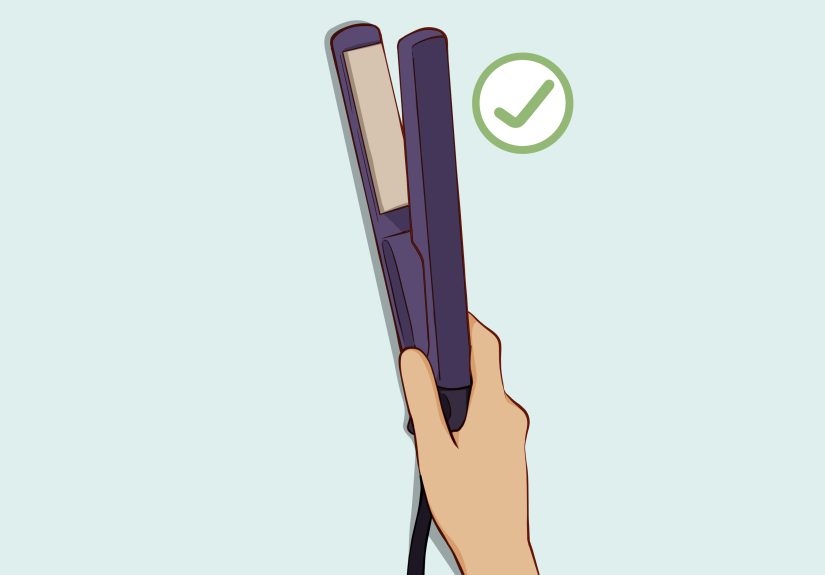
- Spray on a heat protectant every single time you use a blow dryer, curling iron, or flat iron.
- Use the lowest effective heat setting and fewer passes with hot tools.
- Wear a hat or use a UV-protectant hair product when you’ll be in strong sun for long periods.
You don’t have to give up styling forever, but every bit of protection buys your color more time
and your hair more resilience.
Step 7: Adjust Your Color Strategy
Once your hair is on a better path, the way you color it matters just as much as your aftercare.
A few stylist-backed tweaks:
- Use demi-permanent or glosses on fragile lengths. Save permanent color for the
roots; use gentler formulas through the ends. - Ask about fillers or porosity equalizers. These help even out very porous
sections so color takes more uniformly and lasts longer. - Go slightly darker or warmer. Super-light, cool shades on very damaged hair
tend to fade fast; a richer tone may look better for longer. - Stretch out lightening sessions. Instead of bleaching roots every four weeks,
extend to six–eight weeks when possible and rely on toners or glosses in between.
If your hair has reached the “cotton candy” stagewhere it’s mushy, stretchy, and breaks off with
minimal effortmany colorists will recommend a longer break from bleaching and a heavy focus on
repair before any more major color changes.
Daily & Weekly Routine for Previously Overprocessed Hair
If you like clear instructions, here’s a simple roadmap to help your hair recover and hold color
better over time.
On Wash Days (2–3 Times a Week)
- Detangle gently before you get in the shower, starting from the ends.
- Shampoo with a sulfate-free, color-safe formula, focusing on your scalp.
- Apply a moisturizing conditioner from mid-lengths down; leave it on for a few minutes before
rinsing cool. - Once a week, swap regular conditioner for a deep conditioning mask or bond-building treatment.
- After rinsing, gently squeeze out water with a microfiber towel or T-shirt.
- Apply leave-in conditioner and, if needed, a lightweight oil or serum to the ends.
On Non-Wash Days
- Use a dry shampoo on the roots if needed instead of washing again.
- Smooth a tiny bit of oil or cream through the ends if they look frizzy or dull.
- Keep hair in loose stylesavoid tight ponytails or buns on fragile hair.
Once Every 6–8 Weeks
- Get a micro-trim to remove split ends and keep damage from creeping up the hair shaft.
- Reassess your hair’s feel: is it less stretchy, less frizzy, easier to manage? Adjust how often
you use protein or bond builders based on that feedback.
When to See a Professional
While at-home care can do a lot, there are times when you need backup:
- Your hair is breaking off in chunks or feels like overcooked noodles when wet.
- Your scalp is burning, itching, or flaking badly after color or chemical services.
- You notice increased shedding, thinning, or visible scalp patches.
- You’ve layered multiple box dyes and bleach attempts and now have banding or uneven color.
In those cases, book with a trusted stylistand if shedding or scalp changes are significant,
also see a dermatologist or trichologist. They can check for underlying issues like hormonal
shifts, nutrient deficiencies, or skin conditions that might be affecting both hair health and
color results.
Real-Life Experiences: What Actually Works When Hair Won’t Hold Color
It’s one thing to list tips; it’s another to see what this looks like in real life. Here are
a few common “hair journeys” and what finally helped.
The Serial Lightener Who Went Too Far
Alex spent years chasing that icy-platinum look, bleaching roots every four weeks and toning
constantly. Eventually, the ends turned spongy, and every toner washed out within a week. Her
hairdresser gently suggested that if they kept going, Alex would be rocking a pixie cut she
definitely didn’t ask for.
The fix wasn’t glamorous: they stopped bleaching for several months. Instead, her stylist did
soft, demi-permanent lowlights to add depth and camouflage banding. At home, Alex swapped all
her shampoos for color-safe, sulfate-free formulas, used a bond-building mask once a week, and
trimmed half an inch every six weeks.
At first, she missed her blindingly icy blonde. But three months in, her hair felt thicker,
frizz calmed down, and toner suddenly lasted way longer. A year later, she could go
lighter againbut this time with more spacing between bleach sessions and far more conditioning
and bond care built into the process.
The At-Home Box Dye Queen with Patchy Color
Jordan loved a good drugstore deal and had a rainbow resume of box dyes to prove it. After a
while, her roots grabbed color but her ends faded to a weird, dull orange within days.
No matter which box she grabbed, the result was patchy and short-lived.
A consultation with a pro colorist revealed the problem: overlapping permanent dye and old bleach
on the ends had created a high-porosity situation. Her stylist evened out the canvas with a
filler and a slightly darker, warmer shade, then switched Jordan to demi-permanent formulas on
the lengths only.
At home, Jordan committed to washing every third day, using cool water, and avoiding clarifying
shampoos unless recommended. She added a weekly hydrating mask and a light bond builder. Within
a couple of months, her color stopped disappearing and started fading gracefully instead of in
dramatic, patchy chunks.
The Heat-Styling Addict with “Mystery Fading”
Sam wasn’t bleaching or using harsh box dye but still felt like his brunette shade refused
to last. The missing piece? Daily flat ironing without heat protectant and long weekends in
the sun without a hat.
Once he added a heat protectant before styling, dropped the temperature on his flat iron, and
tossed a baseball cap into his car, the difference was huge. His stylist also suggested a
weekly bond-building treatment and a simple switch to a color-safe shampoo. Suddenly, Sam could
go weeks longer between color appointments.
The moral of all these stories: getting hair to hold color again isn’t magic. It’s consistent
care, a bit of patience, and sometimes a gentle reality check from a pro. Your hair may not
bounce back overnight, but with the right strategy, you can absolutely move from “why won’t this
color stay?” to “wow, I actually like my hair again.”
Final Thoughts
If your hair no longer holds color, it’s really your hair’s way of waving a tiny white flag and
asking for help. Focus on strengthening and hydrating first, then adjust howand how oftenyou
color. Protect your shade from heat, hot water, and harsh products, and give your hair time to
recover between big changes.
You don’t have to swear off fun color or salon visits forever. You just need a plan that respects
what your hair has been through and what it needs now. Treat your hair like the delicate, slightly
dramatic friend it is, and it will start holding onto that gorgeous color a whole lot longer.