Table of Contents >> Show >> Hide
- Safety First: When Squeaky Brakes Are Not “Just Annoying”
- Why Brakes Squeak (And Why It’s Usually Vibration, Not Gremlins)
- Quick Diagnosis: What Your Squeak Pattern Is Trying to Tell You
- Try These Simple Fixes First (No Jack Stands Required)
- If the Squeak Persists: The “Do It Right” Brake Noise Fix (DIY-Ready)
- Tools & supplies (typical)
- Step 1: Lift safely (seriously)
- Step 2: Inspect pad thickness and wear indicators
- Step 3: Inspect the rotor surface
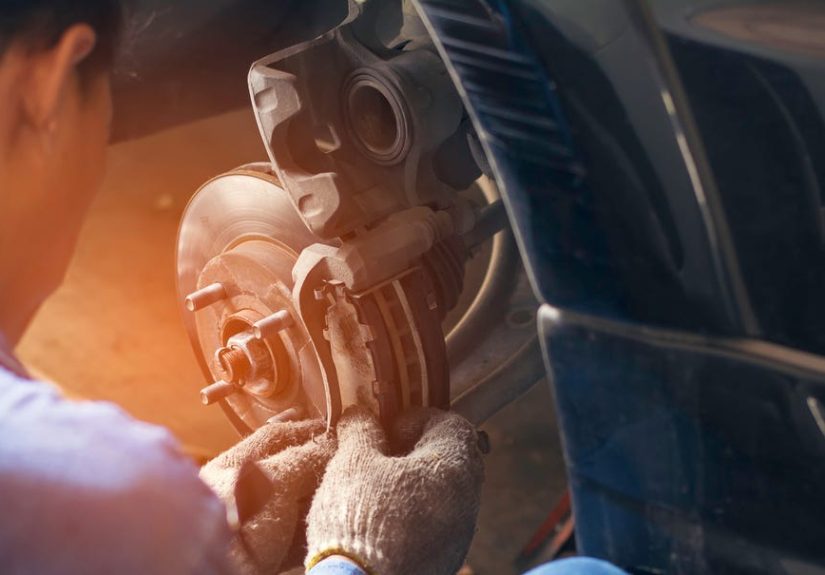
- Step 4: Remove pads and check the “sliding” areas
- Step 5: Clean the bracket and hardware contact points
- Step 6: Clean and lubricate caliper slide pins (for floating calipers)
- Step 7: Apply lubricant in the correct places (and nowhere else)
- Step 8: Anti-squeal shims/compound (use only if appropriate)
- Step 9: Reassemble, pump the brake pedal, and do a careful test drive
- What About Drum Brakes (and Parking Brakes)?
- How to Prevent Squeaky Brakes in the Future
- FAQ
- Conclusion: Quiet Brakes Are Usually a Process, Not a Miracle
- Real-World Experiences: What People Commonly Run Into (and What Usually Works)
Squeaky brakes are the car equivalent of a smoke alarm with a low battery: technically helpful, emotionally exhausting.
The good news is that brake noise is often fixablesometimes with a simple cleaning, sometimes with a little
lubrication in the right places, and sometimes with the mature decision to call a professional before your
“quick DIY” turns into “why is my wheel on a Facebook Marketplace listing?”
This guide will help you (1) figure out what kind of squeak you’re hearing, (2) try the safest, simplest fixes first,
(3) handle a basic brake inspection and noise-prevention steps, and (4) recognize the red flags that mean you should
stop driving and get the brakes checked ASAP.
Safety First: When Squeaky Brakes Are Not “Just Annoying”
Some brake noises are harmless. Others are your car politely warning you that you’re about one commute away from
turning rotors into modern art. Before you do anything else, use this quick safety filter:
Stop driving (or drive only to a repair shop) if you notice:
- Grinding, growling, or metal-on-metal noises when braking
- A soft/spongy pedal, pedal sinking, or brake warning light
- Pulling to one side under braking
- Strong vibration/shudder in the steering wheel or pedal
- Burning smell after normal driving (possible dragging brakes)
- Longer stopping distances or braking that feels “off”
Brakes are a safety system. If you’re not 100% confident in the diagnosis or repair, it’s not “quitting”it’s
choosing to keep your fenders attached to your car.
Why Brakes Squeak (And Why It’s Usually Vibration, Not Gremlins)
Most brake squeal happens because something is vibrating at a frequency you can hear. Pads, shims, clips, calipers,
and rotors can act like tiny instruments. Unfortunately, they’ve chosen to play “High-Pitched Screech in D Minor.”
Common causes of squeaky brakes
- Moisture or light surface rust: Overnight humidity, rain, or a car wash can leave a thin rust film
on rotors. The first few brake applications may squeak until the film is scrubbed off. - Brake pad wear indicators: Many pads have a small metal tab designed to squeal when pads are low.
It’s a built-in “time to replace me” alarm. - Dust/debris: Road grit, brake dust, or a tiny stone can get between pad and rotor or in the hardware.
- Dry or dirty hardware: Pads need to slide smoothly in the bracket. Rust buildup under abutment clips,
or dried-out lubricant on slide pins, can cause sticking and squeal. - New pads that aren’t bedded-in: Fresh pads may squeak until the friction surfaces seat and an even
transfer layer develops on the rotor. - Glazed pads/rotors: Overheating or lots of gentle braking can harden the pad surface (glazing),
increasing noise. - Pad material choice: Some compounds (often more aggressive) are naturally noisier than others.
- Loose/worn shims or anti-rattle clips: Missing or tired hardware can let parts chatter.
Quick Diagnosis: What Your Squeak Pattern Is Trying to Tell You
1) Squeaks only for the first few stops in the morning (then disappears)
This is often moisture or light rotor surface rust. It’s common after rain, washing, or humid nights.
If it goes away quickly and braking feels normal, it’s usually not urgent.
2) Squeaks mostly at low speeds (like creeping in traffic or parking lots)
Low-speed squeal is commonly related to vibration, light pad contact, or hardware that isn’t sliding smoothly.
It can also show up when pads are nearing the wear-indicator stage.
3) Squeaks when reversing
Reverse squeak can be caused by dust buildup, the way pads contact the rotor in reverse, or hardware/slide pins that
need cleaning and lubrication. It’s common enough that many shops hear this complaint weekly.
4) Constant squeal every time you brake
This often points to worn pads (wear indicator), contaminated friction surfaces, or missing/incorrect hardware.
If it’s been going on for more than a few days, plan an inspection soon.
5) Grinding or harsh scraping
Treat grinding as a “stop the music” moment. Pads may be worn down to the backing plate, damaging rotors.
That’s a repair that gets expensive fast.
Try These Simple Fixes First (No Jack Stands Required)
Start with the least invasive options. If you get lucky, you’ll solve the problem in your driveway with minimal tools
and maximum smugness.
Fix #1: Clean the wheels and braking surfaces (the gentle way)
- Rinse wheels thoroughly to remove dust and grit.
- Use a wheel cleaner safe for your wheel finish.
- Avoid blasting the brakes with a pressure washer up close. You’re cleaning, not power-washing a patio.
If the squeak is caused by dust or road grit, a thorough cleaning sometimes reduces noise noticeably.
Fix #2: Do a few normal, firm stops to clear rust and “seat” things
In a safe area with no traffic behind you, try 5–10 moderate stops from around 30 mph down to near walking speed.
Don’t lock the brakes; don’t do panic stops; don’t do this on ice, gravel, or wet roads.
If the squeak is moisture-related, this often clears it. If the squeak is from new pads that are still seating,
this can help them settle in.
Fix #3: Check for obvious “oops” items
- A pebble: Sometimes a small stone gets trapped and squeals like a tiny, angry violin.
- Dust shield contact: A bent backing plate can lightly rub the rotor and chirp.
- Loose wheel hardware: If you recently had work done, double-check wheel lug torque (proper spec).
Fix #4: Bed-in (burnish) new pads properly
If you recently replaced pads/rotors, bedding-in can reduce squeal and improve feel by helping create an even transfer
layer on the rotor. Different pad brands specify different procedures, but a common approach is a series of moderate
stops with cool-down time in between.
Tip: If the brake manufacturer provides a break-in procedure, follow that. It’s one of the few times “read the instructions”
can save you from a headache.
If the Squeak Persists: The “Do It Right” Brake Noise Fix (DIY-Ready)
If simple cleaning and normal bedding doesn’t helpand you’re comfortable working safely with a lifted vehiclethe most
effective DIY approach is usually: inspect + clean + replace hardware if needed + lubricate the correct contact points.
Tools & supplies (typical)
- Jack and jack stands (or ramps), wheel chocks
- Lug wrench
- Basic socket set/wrenches
- Brake cleaner (non-chlorinated is common) and shop towels
- Wire brush or small abrasive pad (for rust on bracket surfaces)
- High-temperature brake lubricant (for slide pins and pad contact points)
- Optional: anti-squeal compound (if your pad design calls for it)
- Gloves, eye protection
Step 1: Lift safely (seriously)
- Park on level ground.
- Set the parking brake (unless you’re working on rear brakes where that mattersuse wheel chocks).
- Chock the wheels that stay on the ground.
- Lift at the correct jack points and place the vehicle on jack stands.
- Remove the wheel.
Step 2: Inspect pad thickness and wear indicators
Look at the brake pad material (not the metal backing). If the pad is thin, uneven, or close to the wear indicator,
replacement is often the real solutionno amount of lubricant can “un-wear” a brake pad.
Step 3: Inspect the rotor surface
- Light surface rust is normal after moisture and usually clears quickly.
- Deep grooves, heavy scoring, cracks, or blue heat spots can indicate overheating or metal-on-metal wear.
- Pulsation/vibration may suggest rotor thickness variation or runout issues (often needs professional measurement).
Step 4: Remove pads and check the “sliding” areas
Many squeaks happen because pads can’t move freely in the bracket. When you remove the pads, inspect:
- Abutment clips/anti-rattle hardware (rusty, bent, missing?)
- Pad ears where they contact the clips (shiny wear spots can indicate sticking)
- Rust buildup on the bracket under the clips
Step 5: Clean the bracket and hardware contact points
- Remove the hardware clips if applicable.
- Use a wire brush to remove rust where the clips sit and where pads slide.
- Wipe clean and ensure the clips sit flush.
If clips are worn or distorted, replace them. Hardware kits are inexpensive compared to the cost of ongoing noise
(and your sanity).
Step 6: Clean and lubricate caliper slide pins (for floating calipers)
Slide pins allow the caliper to move evenly. If they’re dry or sticking, you can get uneven braking, noise, and wear.
Remove the pins (one at a time), wipe old grease, inspect boots, and apply a thin layer of the correct high-temp brake
grease before reinstalling.
Step 7: Apply lubricant in the correct places (and nowhere else)
Here’s the rule: lubricate metal-to-metal contact points that need to slide, not friction surfaces.
Typical lube points (depends on design):
- Caliper slide pins (floating calipers)
- Pad ears where they contact abutment clips
- Backing plate contact points (where the pad touches the caliper piston or bracket)
Never lubricate:
- Rotor faces
- Pad friction material
- Anything that should rely on friction to stop the car
Step 8: Anti-squeal shims/compound (use only if appropriate)
Many pads come with shims designed to damp vibration. Make sure they’re installed correctly and seated properly.
Some brake setups use a thin anti-squeal compound on the pad backing plate (again: not on friction surfaces).
If your pads already have integrated shims, follow the pad manufacturer’s guidance rather than improvising.
Step 9: Reassemble, pump the brake pedal, and do a careful test drive
- Reinstall pads, caliper, and wheel.
- Before moving the car, pump the brake pedal until it feels firm (this seats the pads).
- Test at low speed in a safe area. Confirm normal braking response.
- Perform the recommended bedding procedure for your pads if applicable.
What About Drum Brakes (and Parking Brakes)?
Drum brakes can squeak too, often from dust buildup, worn shoes, or hardware issues inside the drum.
Parking brakes (especially if integrated into the rear system) can also make noise when they drag slightly.
If you suspect drum or parking brake noise and you’re not experienced with drum assemblies, consider having a shop inspect it.
There are more springs and “snap!” moments than most people enjoy on a weekend.
How to Prevent Squeaky Brakes in the Future
Choose the right pad material for your driving
- Ceramic: Often quieter and cleaner (less dust), usually higher cost.
- Semi-metallic: Strong performance and durability, can be noisier and dustier.
- Organic/NAO: Often quiet, sometimes shorter lifespan and different performance characteristics.
Replace hardware when you replace pads
Reusing tired clips/shims is like reusing a flattened couch cushion: it technically works, but nobody’s happy about it.
New hardware helps pads move correctly and reduces chatter.
Keep slide pins and contact points serviced
Periodic cleaning and correct lubrication at the right places can prevent sticking and uneven wear.
Don’t ignore early warning squeals
If the squeal is a wear indicator, waiting usually means paying more later (rotor damage is not a budget-friendly hobby).
FAQ
Is it safe to drive with squeaky brakes?
Sometimeslike brief squeaks after rain that disappear quicklyyes. But constant squealing, any grinding, or changes in pedal feel
should be inspected soon. When in doubt, treat brakes as urgent.
Do new brakes squeak?
They can. New pads may make noise during break-in, especially if they weren’t bedded properly or if the hardware wasn’t cleaned and lubricated.
Noise that persists after the break-in period should be checked.
What’s the fastest DIY fix?
If it’s moisture-related, a few moderate stops may solve it. If it’s hardware-related, the best “real fix” is cleaning pad slide areas and
lubricating slide pins/contact points properly.
Can I spray something to stop squeaks?
There are brake “de-squeak” products, but the most reliable approach is addressing the root cause:
pad wear, debris, rusted hardware, sticking pins, missing shims, or improper break-in.
Conclusion: Quiet Brakes Are Usually a Process, Not a Miracle
Squeaky brakes don’t always mean danger, but they always mean information. Start by identifying the noise pattern and ruling out
serious symptoms. Then try the simple fixes: cleaning and normal bedding. If the squeal sticks around, a careful inspection plus
cleaning and proper lubrication of the correct contact points solves many real-world cases. And if you hear grinding or feel a change
in braking performance, skip the DIY heroics and get professional help.
Real-World Experiences: What People Commonly Run Into (and What Usually Works)
Since brakes squeak for a bunch of reasons, the “experience” of fixing them often depends on the exact sound and when it happens.
Below are a few realistic, common scenarios drivers reportthink of these as composite stories drawn from typical brake complaints,
not one magical universal fix.
The “It Only Squeaks When It’s Damp” Morning Mystery
A very common experience: you back out of the driveway on a humid morning and the brakes chirp like your car is arguing with a bird.
By the time you reach the end of the streetsilence. In many cases, this turns out to be light surface rust or moisture on the rotor.
Drivers often notice it more after rain, after washing the car, or during seasons when humidity stays high overnight.
The fix is usually not a product or a repair; it’s simply using the brakes a few times to clean the rotor surface.
The important “real life” lesson here is that temporary squeaks that disappear quickly (and come with normal pedal feel)
are often just environmental.
The “New Pads, New Noise, New Regrets” Situation
Another classic: someone replaces pads and rotors, feels proud for exactly 45 minutes, and then hears squealing at every stop sign.
This is where people learn the unglamorous truth: brakes are picky about details. If the pads weren’t bedded-in properly, the contact
between pad and rotor can be uneven at first, which invites noise. If the caliper slide pins were dry, the caliper may not retract
smoothly, causing light dragging and squeal. If the pad hardware (clips/shims) was reused and rusty, the pads can’t glide the way they
should, and they “sing” to you during low-speed stops. The fix that most often works in this scenario isn’t replacing parts again
it’s taking the assembly back apart, cleaning the bracket surfaces where the pads slide, replacing the hardware clips if needed,
lubricating the slide pins and pad contact points correctly, and then doing a proper break-in procedure. It’s not glamorous,
but it’s usually effective.
The Low-Speed Squeal That Makes Parking Lots Embarrassing
Many drivers say the squeak is worst at 5–10 mphlike creeping up to a drive-thru window or easing into a parking space.
That’s often where vibration and light contact are most noticeable. People frequently describe it as “fine on the highway,
annoying in town.” In real-world fixes, this is where cleaning and lubrication help the most because low-speed noise is commonly tied
to how the pads settle and slide in the bracket. Some drivers also discover a bent dust shield lightly rubbing the rotor,
which can mimic brake squeal and can sometimes be corrected by gently repositioning the shield away from the rotor (carefully,
with the wheel off).
The Wear-Indicator Wake-Up Call
A high-pitched squeal that appears consistently, especially if it gets louder over time, often ends up being the wear indicator tab
doing its job. In this scenario, drivers often report the squeal becoming “more confident” day by daybecause the pad is getting thinner,
and the indicator is spending more time contacting the rotor. The experience lesson: if the sound is consistent and braking has been
quiet for months before this started, it’s smart to inspect pad thickness sooner rather than later. Replacing pads at the indicator stage
is typically cheaper than waiting for grinding that damages rotors.
The “I Fixed It… But It Came Back” Finale
Sometimes people clean everything, apply the right lubricant in the right spots, and the brakes go quietthen squeal returns weeks later.
When that happens, the underlying cause can be stubborn: worn or loose hardware, a caliper beginning to stick, or pad material that’s
simply noisier on that vehicle. The real-world takeaway is that brake noise can be a system problem, not a single part problem.
If you’ve addressed cleanliness, hardware, lubrication, and bedding and it still squeals, a professional inspection can identify issues
like uneven rotor wear, caliper problems, or fitment nuances that are hard to diagnose in a driveway.
Bottom line: most squeaky-brake “experiences” end well when people treat the noise like a clue, not a dare. Start simple, stay safe,
and don’t gamble with stopping power.