Table of Contents >> Show >> Hide
- Before You Start: A Few Smart Brow Rules
- 1. Tweezing
- 2. Threading
- 3. Waxing
- 4. Sugaring
- 5. Trimming With Brow Scissors
- 6. Shaving or Dermaplaning
- 7. Depilatory Creams Made for the Face
- 8. Electrolysis
- What About Laser Hair Removal?
- How to Choose the Best Method for Your Unibrow
- Aftercare: How to Keep the Area Calm
- Mistakes to Avoid
- Real-World Experiences: What It Actually Feels Like to Deal With a Unibrow
- Conclusion
A unibrow is not a beauty emergency. It is not a character flaw. It is not your eyebrows “misbehaving” like tiny woolly rebels staging a coup across your forehead. It is simply eyebrow hair growing in the middle, which is completely normal. Some people love the bold look. Some prefer a cleaner space between the brows. Both choices are valid.
If you want to remove a unibrow, the good news is that you have several options, from quick at-home fixes to longer-lasting professional treatments. The better news? You do not need to panic, overspend, or accidentally turn your brows into distant cousins that no longer speak.
This guide breaks down how to get rid of a unibrow with eight practical methods, along with the pros, cons, pain level, cost, and who each option is best for. You will also learn what to avoid, how to prevent irritation, and how to keep your brows looking natural instead of permanently surprised.
Before You Start: A Few Smart Brow Rules
Before choosing a method, keep one thing in mind: the goal is usually to remove the hair between the brows, not redesign your entire face like a dramatic home renovation show. Start small. Step back from the mirror often. Good lighting helps, but a magnifying mirror can tempt you into removing every hair that has ever had a dream.
Wash your face first, dry the area, and use clean tools. If your skin is irritated, sunburned, or breaking out, wait until it calms down. And if you suddenly develop much thicker or darker facial hair than usual, especially with symptoms like irregular periods or acne, it may be worth speaking with a healthcare professional to rule out a hormone-related issue.
1. Tweezing
Best for: Precision and small areas
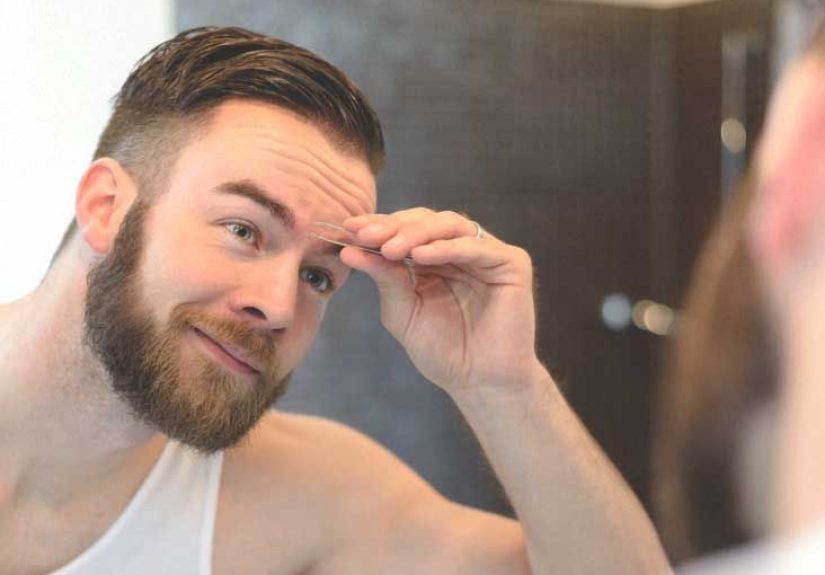
Tweezing is the classic unibrow fix for a reason. It is cheap, precise, and easy to do at home. You simply grab the stray hairs between your brows and pull them out one by one.
Why people like it: Tweezing gives you total control. You can remove only the hairs you do not want and leave the natural shape of your brows intact. That makes it one of the best methods for beginners.
Downside: It can sting, especially if you go hair-by-hair with determination and absolutely no snack break. Tweezing can also cause redness, ingrown hairs, or over-plucking if you get carried away.
Tip: Tweeze after a warm shower when the skin is softer. Pull in the direction of hair growth to reduce irritation. Sterilize your tweezers before and after use.
2. Threading
Best for: Clean lines and fast results
Threading uses twisted cotton thread to remove multiple hairs from the root. It is especially popular for eyebrow grooming because it creates a clean, defined finish without using heat or chemicals.
Why people like it: Threading is quick, fairly precise, and often works well for sensitive skin. A skilled threader can tidy the center of the brow in minutes.
Downside: The results depend heavily on the person doing it. In inexperienced hands, threading can leave brows uneven or irritate the skin. It is also not something most people master overnight at home.
Tip: Go to someone who regularly does eyebrows, not someone who treats your face like a group project.
3. Waxing
Best for: Fast removal with longer-lasting results
Waxing removes hair from the root, which means smoother skin for longer than shaving or trimming. For the unibrow area, a small amount of wax can clear the center quickly.
Why people like it: It is fast, efficient, and can last several weeks depending on your hair growth cycle. If you are tired of daily maintenance, waxing can feel like a relief.
Downside: Waxing can be painful and may irritate the skin, especially if you use retinoids, acne treatments, or have sensitive skin. It can also leave redness for a day or two.
Tip: Always wax clean, dry skin. If you are using strong exfoliants or prescription acne products, be extra careful and consider skipping wax until your skin barrier is happy again.
4. Sugaring
Best for: People who want a gentler waxing alternative
Sugaring uses a sticky paste, usually made from sugar, lemon, and water, to pull hair out from the root. It works similarly to waxing, but many people find it gentler on the skin.
Why people like it: Sugaring may cause less irritation than traditional waxing because the mixture does not stick to the skin as aggressively. Some people also find cleanup easier because the paste is water-based.
Downside: It can still hurt, and results vary depending on the skill of the professional or the quality of the at-home kit. It may also require a couple of passes to fully remove the hair.
Tip: For the brow area, professional sugaring usually gives better results than DIY attempts. This is not the place to freestyle with a saucepan and blind confidence.
5. Trimming With Brow Scissors
Best for: Very light cleanup and cautious groomers
If your unibrow is not dense and you just want to reduce visibility, trimming can help. Use a spoolie brush to lift the center hairs and carefully snip only the longest ones with small brow scissors.
Why people like it: Trimming is painless, fast, and low-risk. It is a nice option if you are nervous about removing hair from the root or changing your brow shape too much.
Downside: It does not remove the hair completely, so the shadow may still be visible. Results are subtle and short-lived.
Tip: Trim only a little at a time. One overenthusiastic snip can turn “softly groomed” into “what happened here?”
6. Shaving or Dermaplaning
Best for: Painless, quick maintenance
Using a facial razor or dermaplaning tool to shave the center brow area is one of the easiest ways to remove a unibrow. It cuts the hair at the surface of the skin, so there is no pulling involved.
Why people like it: It is painless, fast, affordable, and easy to do at home. It is also a useful option for people who do not tolerate waxing or tweezing well.
Important myth-busting moment: Shaving does not make hair grow back thicker, darker, or faster. It may feel stubbly at first because the hair has a blunt edge, but the follicle itself has not changed.
Downside: Hair grows back quickly, and shaving can cause razor burn, nicks, or ingrown hairs if done carelessly. Overdoing dermaplaning can also irritate delicate facial skin.
Tip: Use a clean facial razor, work on dry or lightly moisturized skin depending on the tool instructions, and go slowly. You are grooming a brow, not landscaping a hillside.
7. Depilatory Creams Made for the Face
Best for: Chemical hair removal without plucking
Depilatory creams dissolve hair at the skin’s surface. Some formulas are specifically made for facial hair and can be used for the center brow area with extreme care.
Why people like it: It is painless when used correctly, and results may last a bit longer than shaving. It also avoids the sting of tweezing or threading.
Downside: Facial skin can react badly to these products. Burning, stinging, redness, and irritation are possible if the cream is left on too long or if the formula is too harsh.
Very important: Only use a product labeled for facial hair removal. Body-hair formulas are too strong for the face. Do a patch test first, follow the directions exactly, and keep the product well away from the eyes.
8. Electrolysis
Best for: Long-term or permanent removal
Electrolysis uses an electrical current to damage individual hair follicles so they stop growing hair. It is the most serious option on this list and the one people usually choose when they want a more permanent solution.
Why people like it: If you are tired of maintaining a unibrow over and over again, electrolysis can be a game changer. It works on different hair colors and can give long-term results.
Downside: It is expensive, time-consuming, and requires multiple sessions. It can also cause temporary redness, swelling, or irritation after treatment.
Tip: Choose a qualified professional with experience in facial hair removal. This is one of those services where bargain hunting should not be your personality for the day.
What About Laser Hair Removal?
You may have noticed that laser hair removal is not in the eight main methods above for the unibrow area. That is intentional. Laser hair removal can be effective for many parts of the body, but the eyebrow area is different. The skin is close to the eyes, and this area requires extra caution. If you are considering laser treatment anywhere near the brows, talk to a qualified dermatologist or medical professional first rather than trying to improvise with an at-home device.
How to Choose the Best Method for Your Unibrow
The best method depends on your priorities:
If you want the cheapest option
Choose tweezing, trimming, or shaving.
If you want the cleanest finish
Choose threading or tweezing.
If you want longer-lasting results
Choose waxing, sugaring, or electrolysis.
If you have sensitive skin
Threading, careful tweezing, or trimming may be better than waxing or harsh creams.
If you want low maintenance
Electrolysis is the strongest long-term choice, but it requires time and budget.
Aftercare: How to Keep the Area Calm
Whatever method you use, aftercare matters. The skin between your brows can get red quickly, especially after hair is removed from the root.
- Wash your hands before touching the area.
- Apply a cool compress if the skin feels hot or irritated.
- Use a gentle, fragrance-free moisturizer.
- Avoid picking, scratching, or piling on strong active ingredients right away.
- Skip heavy makeup over the area if it feels tender.
- If you shaved or dermaplaned, keep your tool clean to reduce the chance of irritation.
Mistakes to Avoid
- Over-plucking: The middle section should look natural, not vacuum-sealed.
- Using dirty tools: This raises the risk of skin irritation and infection.
- Trying body-hair cream on your face: Your skin will not send a thank-you note.
- Removing too much at once: Start small and reassess in normal lighting.
- Ignoring sudden hair changes: If facial hair becomes noticeably thicker or appears with other symptoms, get medical advice.
Real-World Experiences: What It Actually Feels Like to Deal With a Unibrow
For a lot of people, figuring out how to get rid of a unibrow is not just about grooming. It is also about trial and error, small wins, and at least one moment of standing too close to the mirror wondering why the center of your face suddenly looks so empty. That is a very normal part of the learning curve.
One common experience is starting with tweezing because it feels safe. You tell yourself you are only going to remove “a few hairs,” and 15 minutes later you are in a staring contest with your reflection, negotiating with individual follicles like a hostage mediator. The upside is that tweezing teaches restraint. Once people get the hang of it, they often realize they do not need to remove much at all. Just clearing a small space between the brows can make the whole face look tidier while still keeping a natural, strong brow shape.
Threading is another experience people remember vividly. The first session often comes with two thoughts: “That was faster than I expected,” followed immediately by, “Wow, that stings more than I thought.” But many people end up loving the results because threading can clean up the center area without changing the actual brow shape too much. It is a favorite for those who want a polished look without the commitment of something permanent.
Then there is shaving or dermaplaning, which tends to divide people into two camps. One camp says it is the easiest beauty hack ever invented. The other camp says the regrowth feels annoying after a couple of days. What most people discover, though, is that shaving does not cause thicker hair. It just creates a blunt edge, so the regrowth feels sharper at first. Once that myth is out of the way, many become loyal to the convenience of a tiny facial razor and a two-minute cleanup routine.
Waxing and sugaring often appeal to people who are tired of constant maintenance. The experience here is usually, “Ouch, but efficient.” One quick pull can clear the area in seconds, and that speed is exactly why some people keep coming back. Still, anyone with reactive skin usually learns pretty fast that aftercare is not optional. A cool compress, gentle moisturizer, and a little patience can make the difference between “freshly groomed” and “angrily red.”
Electrolysis is a different kind of experience altogether. People who choose it are usually done with repeat upkeep and want a serious long-term plan. It takes commitment, money, and multiple appointments, but those who stick with it often appreciate not having to think about the center brow area all the time. It is less of a quick fix and more of a “future me will be thrilled” decision.
What many people eventually learn is that the best unibrow routine is not the most dramatic one. It is the one that fits your skin, your pain tolerance, your budget, and your patience. Some like a super-clean separation. Others prefer to leave a few soft hairs so the brows still look natural. In the end, the most helpful experience is realizing that grooming is personal. You are not fixing your face. You are just choosing how you want to wear it.
Conclusion
If you want to get rid of a unibrow, you have plenty of good options. Tweezing, threading, waxing, sugaring, trimming, shaving or dermaplaning, facial depilatory creams, and electrolysis all have their place. The trick is choosing the method that matches your skin type, budget, pain tolerance, and long-term goals.
The smartest approach is also the simplest one: start gently, remove less than you think you need, and respect the fact that eyebrows can go from “beautifully bold” to “surprisingly fictional” very quickly. A unibrow is completely normal, and removing it is always a choice, not a requirement. But if that choice makes you feel more comfortable, confident, or polished, now you know exactly where to start.