Table of Contents >> Show >> Hide
- Is Clover Really Bad for Horses?
- Step 1: Evaluate How Much Clover You Really Have
- Step 2: Adjust Grazing Management to Slow Clover Down
- Step 3: Cultural and Mechanical Control of Clover
- Step 4: Using Herbicides Safely to Control Clover
- Step 5: Reseed and Rebuild a Grass-Dominant Pasture
- Quick Safety Tips While You’re Fixing Clover Problems
- Real-World Experiences: What Actually Works Long-Term
You walk out to check your horse pasture, dream of lush green grass, and instead
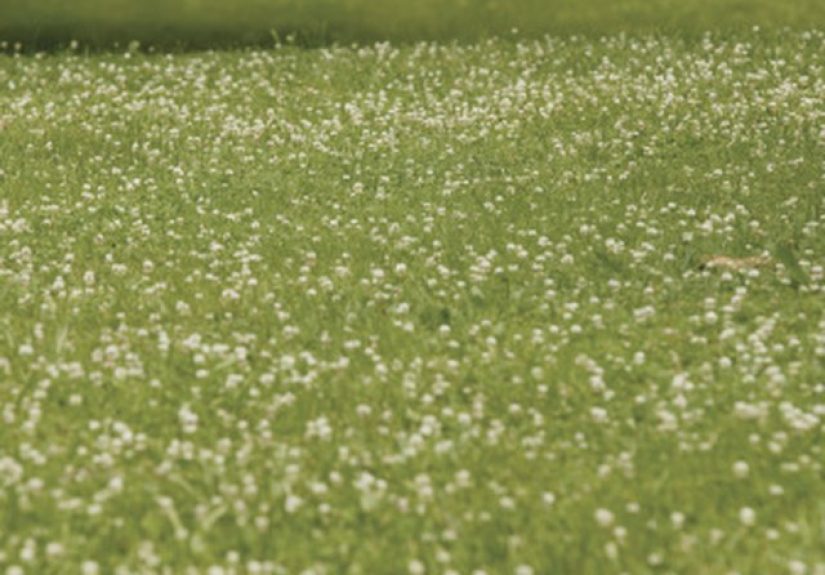
you’re staring at a sea of little three-leaf shamrocks. The horses look thrilled.
You, on the other hand, are Googling “how to get rid of clover in horse pasture”
while wondering if you’re a bad pasture parent.
Good news: clover isn’t always the villain. It can be a helpful forage plant in
small amounts. But when clover takes over, especially certain species or moldy
patches, it can cause health issues for horses and choke out your desirable grasses.
With a smart management plan, you can thin out problem clover, protect your horses,
and rebuild a healthy, grass-dominant pasture.
Is Clover Really Bad for Horses?
Clover is a legume, like alfalfa. It fixes nitrogen in the soil, offers decent
protein, and in a balanced pasture mix it can actually improve forage quality.
Common types in horse pastures include white clover, red clover, and sometimes
alsike clover. The trouble starts when:
- Clover makes up more than about a third to half of the pasture.
- Conditions are wet and humid, which encourages fungal growth on clover leaves.
- You’re dealing with alsike clover, which is more strongly associated with toxicity.
Health Issues Linked to Clover
Horse owners typically worry about clover because of a few key problems:
-
“Slobbers” (excessive drooling). Certain fungi on red or white clover
can produce a toxin (slaframine) that makes horses drool like a broken faucet.
It’s usually more gross than life-threatening, but it tells you something in that
pasture is off. -
Photosensitization (sunburn-like lesions). Some clover issues and
especially alsike clover have been associated with sunburned white noses,
crusty skin, and even liver problems in horses. -
Bloat and digestive upset. Horses are less prone to legume bloat
than cattle, but a clover-heavy, lush, wet pasture still isn’t ideal.
If your horse is drooling excessively, acting off, or showing swollen, crusty,
sunburned areas after grazing on clover-rich pasture, call your veterinarian and
remove them from that field right away. Vet care comes first; pasture renovation
comes second.
Step 1: Evaluate How Much Clover You Really Have
Before you declare war on clover, figure out where you’re starting. A simple
“pasture inventory” is a quick walk-through with a critical eye.
Estimate Clover Percentage
Look down at several random spots and ask yourself:
- Is the pasture mostly grass with scattered clover patches?
- Is it a 50/50 mix?
- Or does it look like a clover festival with a few grass plants trying to survive?
As a rough rule of thumb:
- Under ~20–30% clover: Usually acceptable if your horses tolerate it.
- 30–50% clover: Time to actively manage it so it doesn’t keep spreading.
-
Over 50% clover: You’re in clover takeover territory and likely need
a multi-step plan, including herbicides and reseeding, to shift the balance back to
grasses.
Check for Risk Factors
While you walk the pasture, also check:
- Wet, low spots: Clover loves moist, compacted soil.
- Overgrazed areas: Horses graze grasses first, then clover, then weeds. Overgrazing weakens grass and gives clover an opening.
- Signs of mold or “black patch” on leaves: Dark spots and patches may signal a fungus problem, which raises the risk of slobbers and photosensitization.
Soil Test for the Long Game
Clover often thrives where soil fertility is out of balance or where grasses are
struggling. A basic soil test can tell you:
- Whether pH is in the ideal range (typically around 6.0–6.5 for most pasture grasses).
- If phosphorus and potassium are adequate.
- Whether nitrogen is too low, which clover can exploit thanks to its nitrogen-fixing ability.
Your local agricultural extension office can usually help with soil testing and
pasture recommendations tailored to your region.
Step 2: Adjust Grazing Management to Slow Clover Down
Overgrazing is like a turf removal service you accidentally hired. Horses nip grass
down to the nub, the grass plants weaken, and guess who moves in? Clover and weeds.
Use Rotational Grazing
If possible, divide your pasture into paddocks and rotate horses so grass has time
to rest and regrow. Many extensions recommend:
- Let horses in when grass is about 6–8 inches tall.
- Move them off when it’s grazed down to around 3–4 inches.
- Allow several weeks of rest for each paddock, depending on weather and growth.
Strong, vigorous grass competes with clover more effectively than any single spray
or gadget ever will.
Use a Sacrifice Area
In wet seasons or drought, or when grass is very short, move horses to a “sacrifice”
lot or dry lot. Yes, it gets beat up. That’s the point. You protect your main pasture
from being grazed into oblivion while it recovers.
Step 3: Cultural and Mechanical Control of Clover
Before reaching for herbicides, you can do a lot just by changing how you mow and
manage the pasture surface.
Mow at the Right Height and Time
Regular mowing at about 4 inches:
- Encourages grasses to tiller and thicken.
- Prevents clover from going to seed as aggressively.
- Helps keep other broadleaf weeds in check.
Avoid scalping your pasture like a golf green. Very short mowing stresses grasses
and actually helps clover and weeds.
Thin Clover Patches and Improve Drainage
For heavy clover spots:
- Use a brush hog or mower to clip the area before seed heads fully develop.
- In stubborn wet spots, consider improving drainage (ditching, grading, or tile) so the area isn’t constantly damp.
- Drag or harrow lightly to break up manure piles and smooth uneven spots, but avoid tearing up sod when it’s very wet.
Overseed with Horse-Friendly Grasses
After you’ve thinned clover with mowing or other methods, overseed with suitable
grasses such as:
- Orchardgrass
- Timothy
- Tall fescue (endophyte-free or tested horse-safe varieties)
- Local recommended pasture mixes for horses
Overseeding is most successful when:
- The soil surface is slightly disturbed for good seed-to-soil contact.
- Horses are kept off until the new grass is well rooted and at least 6 inches tall.
- You time seeding for your climate’s ideal window (often early fall or early spring).
Step 4: Using Herbicides Safely to Control Clover
If clover dominates your pasture or you’re battling toxic species like alsike clover,
mechanical and cultural methods may not be enough. That’s when a broadleaf
herbicide can help thin or remove clover so grasses can reclaim the field.
Types of Herbicides Commonly Used
Horse pasture managers frequently use:
-
2,4-D and related products: Target many broadleaf weeds, including
clovers, while sparing grasses when used correctly. -
Combination herbicides: Mix active ingredients (for example,
2,4-D with others) to broaden the weed spectrum and improve clover control.
Brand names and legal uses vary by region, so always follow your local regulations
and consult your extension agent or pasture professional.
Timing Matters More Than You Think
Clover is often most susceptible when it’s actively growing but not yet fully
mature. Many extension recommendations lean toward:
- Spring or early summer, once clover has leafed out well.
- Fall applications in some regions, when plants are storing energy in roots.
Avoid spraying drought-stressed or very young seedlings, and never spray when
wind could drift herbicide onto desirable plants, gardens, or water sources.
Read Labels and Follow Grazing Restrictions
This part isn’t optional or “nice to have.” Herbicide labels are literally the law.
Always:
- Confirm the product is labeled for pasture use and safe for horses.
- Check how long horses must be kept off the treated pasture.
- Observe any haying restrictions if you cut the field.
- Wear proper protective gear when mixing and applying.
In many cases, a single application will thin clover significantly but not eliminate
every plant, because seeds in the soil can germinate later. Expect to pair herbicide
use with overseeding and improved management for best results.
Step 5: Reseed and Rebuild a Grass-Dominant Pasture
Once you’ve knocked clover back, you need to give grasses the upper hand so the
clover doesn’t just come roaring back next season.
Choose the Right Seed Mix
Look for a pasture mix formulated for horses, ideally from a reputable local
supplier who understands your climate. Check that:
- Endophyte-infected tall fescue is avoided or clearly labeled for non-broodmares.
- The mix includes several grass species for resilience.
- Any legumes included are appropriate and in modest percentages.
Fertilize to Favor Grass, Not Clover
Follow your soil test recommendations. Often:
- Correcting low pH with lime helps grasses thrive.
- Balanced phosphorus and potassium support strong root growth.
-
Moderate nitrogen boosts grasses; too little nitrogen lets clover use its nitrogen-fixing
superpower to outcompete grass.
Be Patient: Clover Seeds Can Persist
Clover seeds can hang out in the soil for several years, waiting for a chance to
germinate. That means:
- You may see some clover come back even after you spray and reseed.
- Good grazing management and thick grass stands are your best long-term defense.
- Spot-treating problem patches in later years is often enough once the main invasion is under control.
Quick Safety Tips While You’re Fixing Clover Problems
-
If horses show slobbers, behavior changes, sunburn-like lesions, or signs of liver
trouble after grazing on clover, remove them from that pasture and call your vet. -
Fence horses out of very clover-rich areas, especially during wet, humid weather
when fungal issues are more likely. -
Offer alternative forage (hay) so horses aren’t forced to graze questionable
pasture to stay full. - Introduce horses gradually to improved pastures to avoid digestive upsets.
Real-World Experiences: What Actually Works Long-Term
It’s one thing to read a list of steps. It’s another to juggle weather, time, money,
and a horse who thinks the clover patch is the best salad bar in town. Here are some
lived-in lessons that many horse owners discover the hard way.
Experience #1: The “Spray and Pray” Trap
A common story goes like this: a pasture gets overwhelmed with clover, the owner
buys a broadleaf herbicide, sprays once, watches everything wilt, and then assumes
the job is done. The following year, clover quietly returns, sometimes thicker than
before. Why?
Because without overseeding and better grazing management, there’s nothing to fill
the bare spots except whatever seeds are sitting in the soil usually weeds and,
yes, more clover. Horses then overgraze the few surviving grass plants, weakening
them and giving clover a fresh opening. One frustrated owner described it as
“playing chemical whack-a-mole with my pasture.”
The fix is mindset, not just chemicals: think of herbicide as a reset button, not
a permanent solution. You still have to build back a dense grass stand and protect
it with better grazing practices.
Experience #2: The Rotational Grazing “Aha” Moment
Another common experience: a barn that moves from continuous grazing to rotational
grazing sees clover patches shrink over a couple of seasons, even without heavy
herbicide use. The owners often say something like, “I thought I needed a stronger
spray. Turns out I needed a stronger fence game.”
By letting grass rest and recover, those plants develop deeper roots and thicker
crowns. That thicker grass canopy shades the soil surface and gives clover less
sunlight and space. You still might need to tackle stubborn clover areas, but the
overall trend shifts in favor of grass. The bonus: horses usually get better-quality
forage and more consistent footing.
Experience #3: Managing Problem Spots, Not Just the Whole Field
Many pastures have “clover hot spots” low, damp corners, areas around waterers,
or sections near gates where traffic compacts the soil. Horse owners who make the
fastest progress learn to treat those zones like mini projects:
- Improving drainage or re-grading small wet areas.
- Installing gravel pads around gates or waterers to reduce mud and compaction.
- Spot-spraying or mowing clover-dense patches slightly more often.
Once those hotspots are tamed, the overall clover load drops and the pasture looks
more consistent. It also makes daily horse care easier less mud, better footing,
and fewer mystery “swamp weeds” popping up.
Experience #4: Working With Your Local Extension and Neighbors
A huge, underrated resource in the battle against clover is your local agricultural
extension service. Many horse owners report that a single farm visit or phone call
saved them years of trial and error. Extension agents can:
- Identify the exact clover species in your field (white, red, alsike, or a mix).
- Recommend herbicides that are legal and effective in your state or region.
- Suggest the best seeding dates and grass varieties for your climate.
Combine that expert input with the real-world wisdom of your horse-keeping
neighbors, and you get a much clearer picture of what actually works where you live.
One neighbor’s “secret” may simply be that they fertilize and overseed on a schedule
and rotate horses religiously but that routine makes all the difference.
Experience #5: Accepting That Zero Clover Is Rare (and Not Always Needed)
Finally, a lot of owners start out determined to eliminate every single clover
plant. Over time, they realize that:
- A small amount of clover in a balanced pasture isn’t automatically a problem.
- The goal is a safe, productive pasture, not a botanical monoculture.
- Monitoring horse health and pasture condition matters more than chasing perfection.
In practice, “success” usually looks like this: clover is present but scattered,
grasses are thick and dominant, horses show no signs of slobbers or sensitivity,
and you have a workable routine for mowing, rotating, and reseeding. That’s a win
and a lot less stressful than trying to banish every three-leaf plant from your
property.
In short, getting rid of clover in a horse pasture is less about a one-time fix and
more about an ongoing relationship with your land. When you combine smart grazing,
thoughtful mowing, strategic herbicide use, and consistent overseeding, clover
becomes a manageable supporting character instead of the star of the show.