Table of Contents >> Show >> Hide
- Mold vs. Mildew: What Are You Actually Looking At?
- Is Mold Dangerous? When to Worry
- Before You Start: Safety First and When to Call a Pro
- Step-by-Step: How to Get Rid of Mold and Mildew
- How to Prevent Mold and Mildew from Coming Back
- Common Mold Mistakes to Avoid
- Real-Life Mold-Busting Experiences and Lessons Learned
- Conclusion: Clean, Dry, and Done with Mold
If your bathroom smells like a forgotten gym bag or your basement has that “old boat” vibe, you’re probably dealing with mold or mildew. The good news: you don’t have to burn the house down and start over. With the right cleaning methods and a solid prevention plan, you can kick mold and mildew outand actually keep them from returning.
This guide walks you through what mold and mildew are, how to clean them up safely, when to call a pro, and the everyday habits that stop them from creeping back into your shower, walls, and closets.
Mold vs. Mildew: What Are You Actually Looking At?
People often say “mold” for everything, but mildew is technically a specific kind of surface-level fungus that usually looks gray or white and powdery. Mold tends to be darker, fuzzier, and may appear green, black, brown, or even orange. Both are fungi, both need moisture, and both can cause damage and trigger allergy-like symptoms in sensitive people.
More important than naming it correctly is recognizing that any visible mold or that classic musty smell means you have a moisture problem. Where there’s lingering moisture, mold spores are happy to set up camp.
What Mold Needs to Grow
Mold is not mysterious. It needs three things:
- Moisture: leaks, condensation, floods, steamy showers, damp basements.
- Food: drywall, wood, paper, cardboard, dust, fabric, even soap scum.
- Time: mold can start growing in as little as 24–48 hours on a wet surface.
Indoor humidity above about 60% gives mold a big head start. Keeping relative humidity between roughly 30% and 50% is the sweet spot for comfort and mold control.
Is Mold Dangerous? When to Worry
Small patches of household mold aren’t a horror movie, but they’re not harmless either. Mold exposure can irritate the eyes, nose, throat, and lungs and can worsen allergies and asthma. People with asthma, chronic lung disease, weakened immune systems, or mold allergies should be especially cautious.
You don’t need testing to decide what to do. Public health agencies are extremely clear: if you see or smell mold, clean it up and fix the moisture source. You don’t have to know which species it is; the plan is the sameremove it and dry the area.
Before You Start: Safety First and When to Call a Pro
Protect Yourself During Mold Cleanup
Even if you’re just tackling that ring of mildew in the shower, protect your lungs, eyes, and skin. The CDC and EPA recommend basic protective gear for mold cleanup:
- Nitrile or rubber gloves
- Safety goggles (no open sides)
- At least an N95-style respirator or mask for larger jobs
- Old clothes you can wash in hot water right after
Always ventilate the areaopen windows and doors, and use fans blowing air out of the space if you can do so safely.
DIY vs. Professional Mold Remediation
You don’t have to call a remediation company for a small patch of mold on your shower grout. But there is a limit to what’s safe and practical for DIY. EPA and other professional guidelines generally suggest:
- DIY is usually fine when:
- The affected area is less than about 10 square feet (think a 3 ft × 3 ft patch).
- The mold is on hard, non-porous or semi-porous surfaces (tile, glass, metal, sealed countertops).
- There’s no major ongoing leak or structural damage.
- Call a professional when:
- The mold covers more than 10 square feet or several large areas.
- Mold is inside HVAC systems or deep in walls/insulation.
- There’s been major water damage or flooding.
- Someone in the home has severe asthma, immune problems, or mold-related illness.
Step-by-Step: How to Get Rid of Mold and Mildew
General Rules for Any Mold Cleanup
- Fix the water or humidity problem first (or at least at the same time).
- Work from the cleanest areas toward the dirtiest to avoid spreading spores.
- Bag and seal anything you throw away before carrying it through the house.
- Never mix cleaning productsespecially bleach with ammonia or vinegar. This can create toxic gases.
Cleaning Mold from Hard, Non-Porous Surfaces
Think: bathroom tile, glass shower doors, metal fixtures, sealed countertops, and some painted walls.
- Ventilate the area. Open windows, turn on the exhaust fan, and keep doors open if possible.
- Put on your protective gear.
- Start with soap and water. Scrub the moldy area with warm water and a small amount of dish detergent using a stiff brush or sponge. This alone removes many mold colonies.
- Use a mold-killing cleaner if needed.
- You can use a commercial mold and mildew cleaner, or
- A diluted bleach solution: up to 1 cup household bleach in 1 gallon of water for hard, non-porous surfaces (never exceed this or mix with other cleaners).
- Alternatively, white vinegar can help on many surfaces; just don’t mix it with bleach or hydrogen peroxide.
- Rinse and dry thoroughly. Mold loves lingering moisture, so dry the area completely with towels and, if possible, a fan.
For bathroom mold on tile and grout, many experts recommend using non-acidic cleaners (especially on natural stone) and treating grout gently to avoid damage. Some homeowners also use borax or commercial no-scrub mold removers for stubborn staining.
Dealing with Mold on Porous Materials
Porous surfaces are things like drywall, ceiling tiles, insulation, some types of unfinished wood, and carpet. Once mold grows into these materials, it can be extremely difficultor impossibleto clean thoroughly.
- Small, surface-level spots on painted drywall may be cleanable if the material is otherwise sound and dries quickly.
- But if drywall, insulation, carpet, or ceiling tiles have been wet for more than 24–48 hours and show mold growth, the safest route is usually to remove and discard them.
This is where a lot of people try to save money and end up with chronic mold problems later. If the material is soft, squishy, or crumbles when you touch itor if there’s a musty smell that doesn’t go away after dryingit likely needs replacement.
Fabrics, Clothing, and Soft Furnishings
Mold and mildew love damp towels, rugs, curtains, and upholstery.
- Wash washable fabrics (towels, clothes, shower curtains, some slipcovers) in hot water with detergent. Dry them completely in a dryer or outdoors in direct sun.
- Check padded furniture, mattresses, and rugs. If mold has penetrated deeply or the item smells musty even after cleaning and drying, it may need to go.
Special Case: The Bathroom Mold War Zone
Bathrooms are basically mold’s favorite roomwarm, humid, and full of surfaces that stay damp.
To clean bathroom mold and mildew:
- Scrub tile, grout, and caulk with a detergent solution or a bathroom-safe mold cleaner.
- Rinse, then follow up with diluted bleach or a commercial mold remover if staining persists, always with good ventilation.
- If silicone caulk is heavily moldy and stains won’t budge, it’s often easier to remove and re-caulk than to keep fighting it.
After you win the first battle, prevention habits will determine whether you actually win the war.
How to Prevent Mold and Mildew from Coming Back
1. Control Moisture and Humidity
The golden rule of mold control, according to EPA and many building-health experts: the key to mold control is moisture control.
Here’s how to do that in everyday life:
- Fix leaks fast. Roof leak? Dripping pipe under the sink? Condensation around windows? Repair them as soon as possible.
- Dry wet areas within 24–48 hours. After spills, small floods, or shower overspray, dry and ventilate the area quickly.
- Use a dehumidifier in damp spaces. Basements, crawl spaces, and laundry rooms often need help staying in the 30–50% humidity range. Modern dehumidifiers can automatically maintain a set humidity level.
- Slope water away from your home. Keep gutters clean and make sure soil around your foundation slopes away from the house to prevent water intrusion.
2. Improve Airflow and Ventilation
Stale, trapped air = trapped moisture. Simple airflow upgrades can make a big difference:
- Use exhaust fans in bathrooms and kitchens that vent to the outdoors, and run them during and after showers or cooking.
- Don’t trap steam. Leaving the bathroom door tightly closed during and after a hot shower can make mold grow faster; crack the door, open a window, or run the fan to let steam escape.
- Open interior doors and closets in damp areas occasionally so air can circulate.
3. Build Mold Resistance into Your Home
Some smart upgrades reduce mold risk long-term:
- Mold-resistant products: Consider mold-resistant drywall, backer board, and paints (with mold inhibitors added) in bathrooms, laundry rooms, and basements.
- Seal and maintain tile and grout. Regularly sealing grout and natural stone helps keep moisture and stains out and reduces mildew growth.
- Manage temperature and condensation. In cooler months, maintaining a consistent moderate indoor temperature and reducing cold surfaces (via insulation) can cut down on condensation that feeds mold.
4. Daily and Weekly Habits That Keep Mold Away
Think of mold prevention as a lifestyle: a few small habits go a long way.
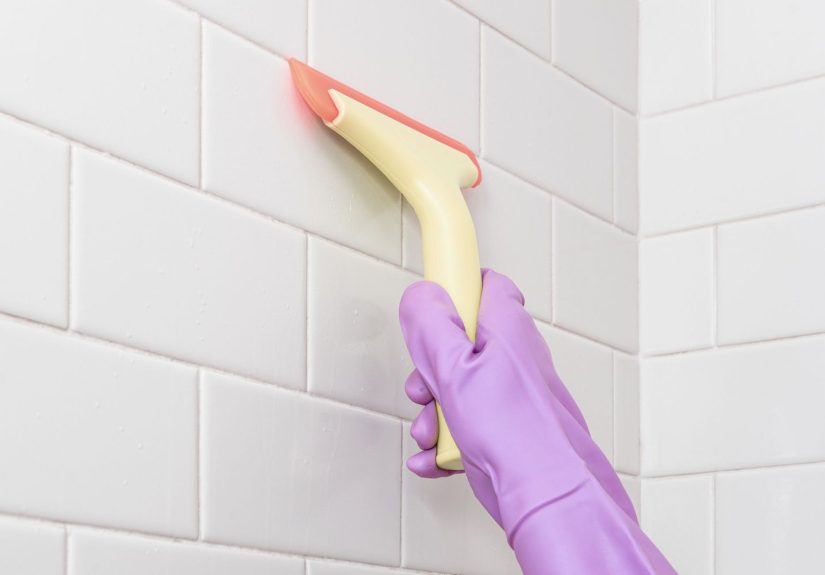
- Squeegee shower walls and doors after each use to remove excess water and soap scum.
- Hang towels, bath mats, and clothes to dry instead of piling them in a damp heap (mildew’s favorite situation).
- Clean “wet zones” regularlyaround sinks, under plants, in window tracks, and behind furniture in basements.
- Use your nose. A persistent musty smell is often your first sign of hidden mold or moisture, even before you see anything.
Common Mold Mistakes to Avoid
- Relying only on scent-masking sprays. Air fresheners and candles don’t remove mold; they just make your house smell like “Beach Breeze & Basement.” You must remove the moisture and the growth.
- Cleaning mold but ignoring leaks. If you don’t fix the water source, the mold will returnoften faster and worse.
- Using straight bleach on everything. Bleach isn’t always necessary, can be harsh, and must never be mixed with other cleaners. Sometimes soap, water, and drying are enough, especially on small areas.
- Trying to “save” badly moldy carpet or drywall. If they’ve been wet for days and smell musty, replacement is usually safer and cheaper long-term.
Real-Life Mold-Busting Experiences and Lessons Learned
The science is helpful, but sometimes what really sticks is hearing how this plays out in real homes. Here are a few “I’ve been there” style scenarios that capture what worksand what definitely doesn’twhen you’re trying to get rid of mold and mildew for good.
The Shower That Wouldn’t Stay Clean
Picture a classic bathroom: no window, a small exhaust fan that might be older than the house itself, and a busy household taking multiple hot showers a day. At first, mildew shows up as a faint gray line along the grout. Someone attacks it with an all-purpose spray, it fades a bit, and everyone forgets about it.
A few weeks later, the grout looks darker, the caulk along the tub is spotted, and the shower smells a little “off.” This time, the cleanup routine includes a proper scrub with detergent and warm water, followed by a mold-specific cleaner on the grout and caulk. The fan is turned on during cleanup and left running afterward. The shower looks betterbut the real turning point is the new habit that follows: a quick squeegee after each shower, and making sure the door stays cracked open until the walls are dry.
What changed? Not just the cleanerthe moisture control improved. That combination of physical removal plus better ventilation is what finally stopped the mildew from returning every couple of weeks.
The Basement Dehumidifier “Miracle”
Another common story: a slightly damp, unfinished basement that never quite feels dry. Cardboard boxes are stacked along exterior walls, a few area rugs sit on the concrete floor, and every summer the basement starts to smell like an old library.
In this situation, the first attempt at fixing things might be spraying a bit of bleach on visible mold patches and tossing a few scented products around. The smell improves temporarily, but the damp feeling and mustiness keep coming backbecause the actual humidity stays high.
The real progress starts when someone brings in a hygrometer (a cheap device that measures humidity) and discovers the basement is hovering around 65–70% relative humidity on humid days. Once a dehumidifier is added and set to maintain humidity closer to 45–50%, cardboard is swapped for plastic bins, and items are pulled a few inches away from the walls, the space gradually transforms. Concrete dries out more, musty odors fade, and those recurring mold spots stop reappearing on the same surfaces.
The lesson here: you can’t scrub your way out of a humidity problem. You have to change the environment so mold doesn’t get what it needs to keep regrowing.
The “Tiny Leak” That Wasn’t Tiny
One of the sneakiest mold experiences starts small: a slow drip under a kitchen sink. It might only leave a faint water ring at first, and everything looks normal when you glance inside the cabinet. But over months, the wood gets just damp enough to support mold growth, and a mild musty odor shows up nearby.
In a situation like this, it’s easy to blame a trash can, a pet, or the general “kitchen smell.” Only when someone pulls everything out of the cabinet and really looksand smellsdo they find the problem. The fix isn’t just spraying a cleaner. The leak gets repaired, the cabinet floor is dried with fans, and any warped or moldy wood is replaced. A one-time cleanup becomes a reminder to quickly investigate mysterious smells and minor stains… before they evolve into a full-blown remediation project.
Why These Stories Matter
Across all these experiences, the pattern is the same:
- Cleaning alone is never enough if moisture and humidity stay high.
- Ignoring “small” issueslike a faint smell, minor condensation, or a tiny leakoften leads to bigger, more expensive problems.
- Simple tools (a hygrometer, dehumidifier, working exhaust fans, squeegee) and consistent habits are surprisingly powerful.
Once you’ve gone through the trouble of scrubbing mold and mildew away, it’s much easier to stay consistent with prevention. After all, wiping down a shower wall or hanging up a towel is a lot less painful than ripping out drywall or replacing a soggy carpet.
Conclusion: Clean, Dry, and Done with Mold
Getting rid of mold and mildew is a mix of one-time effort and ongoing habits. First, clean it up safelywith good ventilation, protective gear, and appropriate cleaners for the surface you’re working on. Next, fix the moisture source and keep indoor humidity in the 30–50% range whenever possible. Finally, build mold prevention into everyday life: use fans, dry wet surfaces, manage leaks quickly, and pay attention to musty odors.
Do that, and mold and mildew go back to where they belong: outside, in the compost pile, and not in your shower, your walls, or your lungs.