Table of Contents >> Show >> Hide
- Why fiddle-leaf figs act “finicky” (it’s not personal… probably)
- Quick care cheat sheet (save this for your next plant panic)
- Step 1: Get the light right (the #1 make-or-break factor)
- Step 2: Watering without drama (a.k.a. The Goldilocks Challenge)
- Step 3: Soil and potsdrainage is the whole plot
- Step 4: Humidity and temperature (keep it cozy, not chaotic)
- Step 5: Feeding, cleaning, and growthhow to keep it glossy and growing
- Step 6: Repottingwhen (and how) to give it new digs
- Step 7: Troubleshooting common fiddle-leaf fig problems
- Propagation: how to make a “mini fiddle”
- Safety note: sap, skin irritation, and pets
- A simple 30-day plan for a happier fiddle-leaf fig
- FAQ: quick answers to common questions
- Conclusion: the secret to “easy” fiddle-leaf fig care is consistency
- Real-World Experiences: Lessons From the Fiddle-Leaf Fig Support Group (Extra)
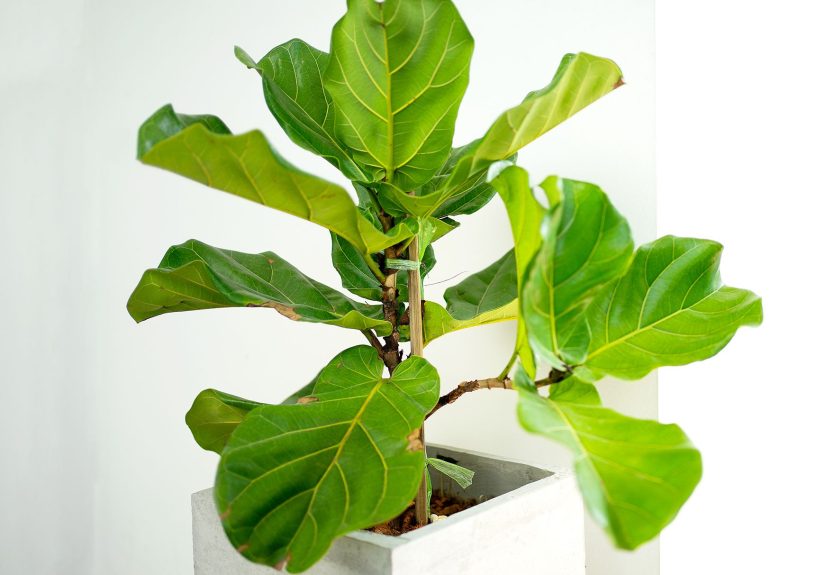
The fiddle-leaf fig (Ficus lyrata) is the houseplant equivalent of a celebrity: gorgeous, dramatic, and
occasionally prone to… creative differences. One week it’s serving glossy-leaf perfection, and the next it’s
dropping leaves like it just discovered your heating vent. The good news? A “finicky” fiddle-leaf fig isn’t
impossibleit’s just picky in predictable ways. Once you learn what it wants (and what it absolutely does not),
you can keep it thriving for years and avoid becoming the newest member of the “I swear I watered it” support group.
This guide breaks down fiddle-leaf fig care with practical, real-life strategies: dialing in light, watering without
panic, choosing the right soil and pot, troubleshooting brown spots and leaf drop, and building a simple routine that
works in actual homesnot just botanical conservatories.
Why fiddle-leaf figs act “finicky” (it’s not personal… probably)
Fiddle-leaf figs are tropical trees, adapted to warm, bright, and humid conditionsand they prefer consistency.
When indoor conditions swing (drafts, dry winter air, sudden moves, irregular watering), they respond with the plant
version of a strongly worded email: leaf drop, brown spots, drooping, or stalled growth. Even reputable plant experts
routinely emphasize two themes: steady conditions and drainage that prevents roots from sitting in water. In other
words, your fiddle doesn’t want surprises. It wants a routine.
The “finicky” reputation often comes from well-meaning care that’s a little too enthusiasticlike watering on a strict
calendar instead of checking the soil, or moving the plant around the house like it’s touring an open house. Most
problems are fixable once you treat the plant less like a décor object and more like a living system with roots that
need air, light, and a steady moisture rhythm.
Quick care cheat sheet (save this for your next plant panic)
- Light: Bright, consistent indirect light; protect from harsh afternoon sun; rotate occasionally for even growth.
- Water: Water thoroughly only when the top inch (or two) is dry; always empty the saucer; reduce watering in winter.
- Soil: Well-draining, airy mix in a pot with drainage holesnon-negotiable.
- Humidity: Moderate to higher humidity helps; avoid blasting dry air from vents and heaters.
- Temperature: Keep it warm and stable; avoid drafts; don’t let it get chilled.
- Fertilizer: Feed during active growth (spring/summer), go easy in winter.
Step 1: Get the light right (the #1 make-or-break factor)
Where to place your fiddle-leaf fig
Aim for bright, indirect light that stays consistent day after day. A spot near a sunny window often works, especially
if the light is filtered or the plant is set back from the glass. Many care guides also recommend protecting it from
strong afternoon sun that can stress leaves, while still giving it enough brightness to grow well.
A practical rule: if you can comfortably read a book in that spot without squinting all afternoon, your fiddle-leaf fig
is probably pleased. If it’s dim enough that you’d describe the lighting as “moody,” your plant will eventually become
leggy and grumpy.
How to tell if light is too low (or too intense)
- Too little light: Slow growth, long spaces between leaves, leaning hard toward the window, and increased risk of overwatering problems because soil dries slowly.
- Too much direct sun: Scorched or crispy patches, especially after a sudden move into stronger sunlight.
Rotate, but don’t relocate
Rotating your fiddle-leaf fig every so often helps it grow straighter and fuller, since it will naturally lean toward
light. The key is tiny changes, not dramatic relocations. Many plant pros warn that frequent moving can trigger stress
and leaf dropso rotate gently, then leave it alone to do its job.
What about grow lights?
If your home doesn’t get strong natural light (hello, winter), a grow light can be a game-changer. Use it to supplement
daylight rather than to “cook” the plant. The goal is steady brightness, not a tanning-bed situation.
Step 2: Watering without drama (a.k.a. The Goldilocks Challenge)
Watering is where most fiddle-leaf figs and their humans part ways. Overwatering and underwatering can both cause
issuesleaf drop, brown spots, and root troubleso the trick is to water based on soil dryness, not the calendar.
Many guides suggest checking the top inch of soil and watering only when it feels dry. In warmer, brighter conditions
you might water about once a week to 10 days, but that’s a starting pointnot a contract.
How to know when it’s time to water
- The finger test: Stick your finger about an inch into the soil. If it feels damp, wait.
- Pot-weight test: Lift the pot (carefully). Dry pots feel noticeably lighter.
- Moisture meter (optional): Useful if you’re a chronic over-waterer who needs receipts.
How to water correctly (do this, and your plant will stop judging you)
- Use a pot with drainage holes. No drainage = root-rot roulette.
- Water slowly until it drains from the bottom.
- Let it finish draining, then empty the saucer. Roots need oxygen, not a bath.
Some gardeners also use bottom watering (letting the pot sit in water for 15–30 minutes, then draining), which can help
hydrate evenly and keep foliage drier. If you mostly bottom-water, an occasional top watering can help flush mineral
buildup from the soil.
Water quality and “mystery buildup”
If your water is heavily treated or very hard, minerals can accumulate in soil over time. Some plant care sources recommend
occasionally flushing the pot thoroughly to reduce salt buildupespecially if you fertilize regularly.
Seasonal watering adjustments (winter is different)
In winter, light is often weaker and indoor air is drier. Your plant may grow more slowly, and soil may dry at a different
pace. University extension guidance for interior plants commonly recommends reducing watering frequency during winter’s
shorter, cooler days, especially when growth slows.
Step 3: Soil and potsdrainage is the whole plot
Choose a pot that won’t sabotage you
A pot with drainage holes is essential. Without drainage, water collects at the bottom, roots lose oxygen, and the plant
declines. If you love decorative cachepots, keep the plant in a nursery pot inside the pretty pot, and remove it to water
so it can drain fully before going back in.
Container material matters, too: porous pots (like terracotta) can help soil dry faster, while nonporous pots hold moisture
longer. Either can workjust adjust watering accordingly.
The best soil mix for a fiddle-leaf fig
Think “airy and well-draining.” Many guides recommend a quality indoor potting mix amended with ingredients like perlite
(for aeration) and sometimes orchid bark (for chunkiness and airflow). The goal is soil that holds some moisture but drains
quickly enough that roots get oxygen.
If your soil stays wet for too long, your plant becomes more vulnerable to root rot and leaf spot issues. If it drains too
fast and dries instantly, you may need more frequent watering. The sweet spot is a mix that dries gradually and evenly.
Step 4: Humidity and temperature (keep it cozy, not chaotic)
Fiddle-leaf figs generally do best in warm, stable indoor temperatures and moderate humidity. Many care guides recommend a
comfortable household range around the 60–80°F zone and emphasize keeping the plant away from cold drafts, AC blasts, and
heating vents. Extension references also note sensitivity to colder temperatures and the need for protection from harsh
conditions.
Easy ways to raise humidity (without turning your home into a rainforest)
- Humidifier: The most consistent option, especially in winter.
- Pebble tray: A shallow tray with pebbles and water kept below the pebble line (so the pot isn’t sitting in water).
- Group plants: Plants can create a slightly more humid microclimate together.
- Occasional misting: Helpful in dry homes, but consistency matters more than random spritzing.
Step 5: Feeding, cleaning, and growthhow to keep it glossy and growing
Fertilizing (less is more)
During spring and summerwhen your fiddle-leaf fig is actively growingmany plant experts recommend fertilizing lightly and
regularly (for example, monthly in summer), while skipping fertilizer in winter when growth slows. Always apply fertilizer
to damp soil to reduce the risk of root burn, and avoid the “if a little helps, a lot will make it unstoppable” mindset.
That’s how you get leggy growth or stressed roots.
Flush the soil occasionally
If you fertilize often or suspect mineral buildup, an occasional thorough flush (watering until plenty drains out) can help
reduce salt accumulation. Let the pot drain fully afterward.
Clean the leaves (your plant can’t photosynthesize through dust)
Those big, dramatic leaves are dust magnets. Dust blocks light and reduces photosynthesis, so wipe leaves gently with a
damp, soft clothtop and underside. Clemson’s indoor plant guidance recommends wiping both leaf surfaces for non-hairy leaves
or rinsing plants in a shower when practical. Bonus: your plant looks instantly healthier, like it just went to a spa.
Pruning for shape and branching
Pruning helps control height and encourages a fuller silhouette. Use clean, sharp pruners and cut just above a node (where a
leaf meets the stem). Do bigger cuts during the growing season so the plant can recover faster. If you’re trying to encourage
branching, pruning is often more reliable than hoping your plant spontaneously decides to become bushy.
Step 6: Repottingwhen (and how) to give it new digs
Repotting is helpful when your plant is root-bound (roots visible at the surface or coming out of drainage holes) or when
water rushes through quickly because there’s more root than soil left in the pot. Many experts advise avoiding oversized
potsgoing too big can keep soil wet for too long and increase root problems.
Repotting checklist
- Timing: Spring or early summer is ideal for recovery and new growth.
- Pot size: Move up only 1–2 inches in diameter (or refresh soil in the same pot if size is still appropriate).
- Soil: Use a fresh, airy, well-draining mix.
- Aftercare: Water once, let it drain, and then keep conditions stable (no “let’s try a new corner” experiments).
Step 7: Troubleshooting common fiddle-leaf fig problems
Most problems fall into a few buckets: light, watering rhythm, drainage, humidity/temperature swings, and pests. Here’s a
practical “symptom-to-solution” guide.
| Symptom | Most likely cause | What to do |
|---|---|---|
| Brown spots (especially spreading) | Inconsistent watering, overwatering/root stress, sometimes leaf spot issues | Check soil moisture habits, improve drainage, increase light consistency, remove badly damaged leaves |
| Yellowing leaves | Too much water / soil staying wet | Let soil dry more between waterings; confirm pot drains; consider airier soil |
| Sudden leaf drop | Stress from moving, drafts, watering extremes | Stabilize location, avoid vents, correct watering rhythm; expect a short acclimation period |
| Drooping or limp leaves | Often underwatering (or root issues from chronic overwatering) | Check soil: if dry, water thoroughly; if wet, improve drainage and hold off watering |
| Webbing / speckled leaves | Spider mites | Rinse leaves, isolate plant, wipe down regularly; treat with appropriate insecticidal soap if needed |
| Fungus gnats | Soil staying moist too long | Let topsoil dry more; improve airflow; use sticky traps; consider bottom watering with care |
Brown spots: the most common “what did I do?!” moment
Brown spots can come from several causes, but inconsistent watering is a frequent culprit. Many reputable sources note that
both over- and underwatering can cause stress symptoms, and that soggy soil increases the risk of root issues. Start by
checking your routine: Are you watering on a schedule instead of checking soil? Is the pot draining fully? Is the plant
getting enough bright light to actually use the water you’re giving it?
Pests: tiny villains with excellent timing
Fiddle-leaf figs can attract spider mites, mealybugs, and scaleespecially in dry indoor air. Inspect leaf undersides
regularly. If you see pests, isolate the plant and clean leaves thoroughly. Consistent leaf cleaning does double duty:
it improves photosynthesis and helps you catch problems early.
Propagation: how to make a “mini fiddle”
You can propagate a fiddle-leaf fig from healthy stem cuttings. Choose a cutting with a node, remove lower leaves, and place
it in water or a moist, well-draining medium. Keep it warm and bright (indirect light), and be patientroots can take time.
Once roots are established, pot it into an airy mix and avoid overwatering while it adapts.
Safety note: sap, skin irritation, and pets
Fiddle-leaf figs produce a milky sap that can irritate skin. Wear gloves when pruning, and wash hands after handling cut
stems. If you have pets, keep the plant out of reach: the ASPCA notes that fiddle-leaf figs are mildly toxic to dogs and cats
and may cause gastrointestinal upset; sap can also irritate skin.
A simple 30-day plan for a happier fiddle-leaf fig
- Pick a bright, stable spot away from vents, drafts, and harsh afternoon sun.
- Stop schedule-watering. Check the top inch of soil and water only when it’s dry.
- Water thoroughly until it drains, then empty the saucer.
- Improve drainage if soil stays wet too long (airier mix, correct pot size, drainage holes).
- Clean the leaves weekly or biweekly so the plant can use the light you’re giving it.
- Hold fertilizer if the plant is stressed; restart gently during active growth.
- Watch for pests and treat early if you spot webbing, sticky residue, or cottony clusters.
FAQ: quick answers to common questions
How big can a fiddle-leaf fig get indoors?
With strong light and steady care, fiddle-leaf figs can grow into impressive indoor trees (often several feet tall).
Many home-focused guides cite heights up to around 10 feet in the right conditions.
Should I mist my fiddle-leaf fig?
Misting can help a bit in dry homes, but the bigger wins come from stable humidity and avoiding hot/cold drafts. If your air is
very dry, a humidifier is usually more effective than occasional spritzing.
Why is my plant dropping leaves after I moved it?
Stress. Fiddle-leaf figs often respond to relocation with leaf drop, then recover after acclimating if conditions are otherwise
good. The solution is consistency: pick a spot and let it settle.
Conclusion: the secret to “easy” fiddle-leaf fig care is consistency
A fiddle-leaf fig doesn’t need perfect careit needs predictable care. Give it bright, steady light, water only when the soil
tells you it’s time, and make drainage your non-negotiable. Keep it away from vents and drafts, clean those big leaves so they
can do their photosynthesis magic, and resist the urge to move it around like a living-room prop. Do that, and your “finicky”
fiddle-leaf fig stops being a diva and starts being what it was always meant to be: a bold, glossy, room-stealing tree that
makes your home look like it has its life together.
Real-World Experiences: Lessons From the Fiddle-Leaf Fig Support Group (Extra)
If fiddle-leaf figs had a group chat, the pinned message would be: “Please stop moving me.” One of the most common experiences
reported by plant owners is the “new home slump.” A fiddle comes home from the nursery, looks amazing for about five days, and
then starts dropping leaves like it’s cleaning out its closet. In many cases, nothing “mystical” is happeningthe plant is
adjusting to a new light level, new humidity, and a new watering rhythm. The owners who get the best outcomes tend to do one
boring thing exceptionally well: they pick a bright spot and keep the environment stable while the plant acclimates.
Another classic scenario: the well-intentioned watering spree. Someone reads that fiddle-leaf figs like “consistent moisture,”
panics, and waters every three daysespecially if the top of the soil looks dry. But in many indoor pots, the surface dries
faster than the root zone. The result is soil that stays wet deeper down, roots that can’t breathe, and leaves that turn yellow
or develop brown spots. The owners who recover fastest usually switch to a simple method: check the top inch (or two) of soil,
water thoroughly only when that zone is dry, and always let the pot drain completely. A lot of “mysterious” problems improve
when roots get oxygen again.
Then there’s the winter plot twist. Homes get drier, days get darker, and HVAC systems start blasting air like they’re trying
to launch a kite indoors. Many people notice leaf edges crisping or leaves dropping more than usual. A common “success story”
is adding a small humidifier nearby and moving the plant slightly closer to the light sourcewithout putting it in harsh direct
sun. Sometimes it’s as simple as redirecting a vent so it isn’t blowing directly onto the plant. Owners often describe this as
the moment their fiddle finally “stops complaining,” because the plant’s environment becomes stable again.
Repotting brings its own set of experiences. A frequent mistake is potting up too aggressivelyjumping from a snug pot to one
that’s dramatically larger. Bigger pots hold more wet soil, which can stay moist longer than roots can tolerate. People who
report the smoothest transitions usually size up gradually (just an inch or two wider), use a well-draining mix, and avoid
fertilizing immediately afterward. In contrast, owners who combine a big pot, heavy soil, and frequent watering often end up
troubleshooting root stress. The “lesson learned” is almost always the same: drainage and pot size matter as much as watering.
Finally, there’s the “I cleaned the leaves and it instantly looked better” momenta surprisingly common win. Because fiddle
leaves are large and glossy, they collect dust fast. When owners start wiping leaves regularly, they often notice improved
shine, better light absorption, and fewer pest surprises (since they’re actually looking at the undersides). It’s not glamorous
work, but it’s one of those habits that separates thriving fiddles from the ones that always look slightly… disappointed.
If you want a real-life takeaway, it’s this: the best fiddle-leaf fig care is mostly unsexy consistencysteady light, sensible
watering, and a home environment that doesn’t swing wildly day to day.