Table of Contents >> Show >> Hide
- Geranium Types: Pick the One That Matches Your Life
- Where Geraniums Grow Best
- Planting Geraniums in the Ground
- Growing Geraniums in Containers
- Watering Geraniums: The “Goldilocks” Rule
- Fertilizing Geraniums for More Blooms (Without Turning Them Into Leaf Monsters)
- Pruning, Pinching, and Deadheading: The Secret to Full, Flowering Plants
- Common Problems (And How to Fix Them Without Panicking)
- How to Overwinter Geraniums (So You Don’t Have to Buy Them Again)
- Geraniums Indoors: Quick Care Rules
- Are Geraniums Safe Around Pets?
- Seasonal Care Calendar (A Simple Rhythm That Works)
- Extra: of Real-World Experience Tips (The Stuff People Learn the Hard Way)
- Conclusion: Your Geranium Game Plan
Geraniums are the MVPs of summer color: cheerful, tough, and constantly blooming like they’ve got a personal grudge against boredom.
But before you grab a flat of “geraniums” and sprint to the checkout, here’s the plot twistmost “annual geraniums” sold in the U.S.
are actually Pelargoniums (tender perennials from the geranium family). Meanwhile, “hardy geraniums” are the true
Geranium genus that survives winter in many regions. Same family, different personalities.
This guide focuses mainly on the classic bedding and container geraniums (Pelargonium)zonal, ivy, regal (Martha Washington),
and scented typesplus quick notes for hardy geraniums where it matters. If you want nonstop blooms from late spring until frost,
you’re in the right place.
Geranium Types: Pick the One That Matches Your Life
Zonal geraniums (Pelargonium × hortorum)
The classic porch-pot superstar: rounded leaves often marked with a darker “zone,” and big clusters of flowers. Great in pots,
window boxes, and sunny beds.
Ivy geraniums (Pelargonium peltatum)
Trailing growth that spills beautifully from hanging baskets and rail planters. Leaves look glossy and “ivy-ish,” and the blooms
keep coming with good light.
Regal (Martha Washington) geraniums (Pelargonium × domesticum)
Showy, ruffly flowers and a slightly more “I need the right conditions” attitude. Often treated like a bright indoor/outdoor plant,
especially in heat.
Scented geraniums (Pelargonium spp.)
Grown for fragrant leaves (rose, lemon, mint, spice, and more). Flowers are usually smaller, but the foliage is the main event.
These are fun for patio pots and herb-style containers.
Hardy geraniums (true Geranium)
Perennial groundcovers with a totally different vibe: less “constant flower machine,” more “low-maintenance garden worker.”
Hardy geraniums often prefer part sun and spread politely, depending on species.
Where Geraniums Grow Best
Light: Give them sun, but don’t roast them
Most common geraniums bloom best in full sunthink 6+ hours a day. In very hot areas, they appreciate
light afternoon shade so they don’t pause flowering when temperatures spike. If your plants look leafy but stingy
with flowers, lack of light is often the culprit.
Temperature: Frost is the villain
Pelargonium geraniums are frost-tender. Treat them as annuals in most of the U.S., unless you overwinter them indoors.
Outdoors, wait until after the last frost to plant. If nights dip too cool, growth slows and the plants sulkpolitely, but noticeably.
Soil: Drainage first, compliments later
Geraniums want well-drained soil. In the ground, aim for average to organically rich soil that doesn’t stay soggy.
In containers, use a quality potting mix with good drainage. The big rule: geraniums hate “wet feet.” If roots sit in water, you’re
basically sending them a breakup text.
Planting Geraniums in the Ground
Step-by-step planting
- Choose a sunny site with well-drained soil.
- Loosen the soil and mix in compost if it’s heavy or low in organic matter.
- Plant at the same depth as the nursery potdon’t bury the crown.
- Space appropriately so air can move around leaves (crowding invites disease).
- Water in thoroughly once, then let the surface dry slightly before watering again.
In garden beds, a good target is about 1 inch of water per week from rain plus irrigation, adjusting for heat and soil type.
Water at the base when possible and avoid soaking foliage to reduce disease issues.
Growing Geraniums in Containers
Pick the right pot (and don’t skip the drainage holes)
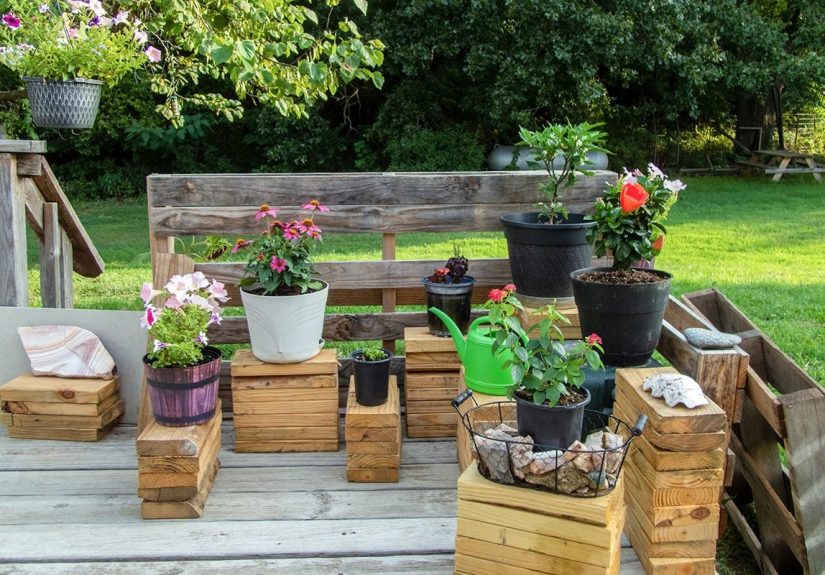
Use a container with drainage holesnon-negotiable. Geraniums in pots can thrive in plastic, ceramic, or terra-cotta; just remember
terra-cotta dries faster. If you love hanging baskets, ivy geraniums are your dramatic trailing best friends.
Container soil and setup
- Use a well-draining potting mix (not garden soil).
- Don’t add rocks at the bottom “for drainage”it can actually worsen water pooling by creating a perched water table.
- Plant so the crown sits just above the soil line, then water in.
Container watering: frequent, but not constant
Container geraniums may need watering 2–3 times a week in hot, dry weather, sometimes more for small pots or baskets.
The trick is to water deeply, then let the top inch (or so) dry before the next round. If the pot is still heavy and damp, step away
from the watering can. You’re not helpingyou’re hovering.
Watering Geraniums: The “Goldilocks” Rule
How to tell you’re watering correctly
- Good: leaves stay firm, blooms keep coming, soil dries slightly between waterings.
- Too dry: droopy leaves during heat (that recover at night), crispy edges, fewer blooms.
- Too wet: yellowing leaves, mushy stems, fungus gnats, or a general “sad sponge” vibe.
A simple habit: check soil with your finger. If it’s dry to the touch at the surface and slightly down, water. If it’s still damp, wait.
Overwatering is one of the most common geranium mistakes because the plant looks so cheerful… right up until it doesn’t.
Fertilizing Geraniums for More Blooms (Without Turning Them Into Leaf Monsters)
In-ground feeding
Many geraniums don’t need heavy feeding in garden beds if soil is reasonably fertile. A light, balanced fertilizer can help,
but overfeedingespecially with high nitrogencan give you lush foliage and fewer flowers.
Container feeding
In containers, nutrients wash out faster, so feeding matters more. Many extension guides recommend a consistent program during active growth,
often using a soluble fertilizer at a conservative strength or a slow-release option. If you fertilize, water first if the plant is dryfeeding
a wilted plant is like handing someone a burrito while they’re sprinting.
A practical approach that works for many gardeners:
- During active growth (spring through early fall): feed lightly every few weeks, or use slow-release fertilizer as directed.
- When light is low (winter indoors): reduce fertilizer significantly so you don’t push weak, leggy growth.
Pruning, Pinching, and Deadheading: The Secret to Full, Flowering Plants
Deadheading: remove the whole flower cluster
When blooms fade, remove the entire spent flower stem back to where it meets the main stem. This tidies the plant and helps redirect energy
into new buds. Regular deadheading is the closest thing geraniums have to a “bloom subscription plan.”
Pinching for bushiness
Early in the season (or after overwintering), pinch the tips of stems just above a leaf node to encourage branching. More branches often
means more flower headsand a fuller, less leggy look.
Pruning leggy geraniums
If a plant stretches (common indoors or in shade), cut stems back to just above a leaf node. Many overwintering guides suggest trimming
plants back by roughly one-third to one-half when bringing them indoors, then pinching as needed when growth gets lanky.
Common Problems (And How to Fix Them Without Panicking)
1) Not blooming much
- Cause: not enough sun, too much nitrogen, or heat stress.
- Fix: move to brighter light, switch to a more bloom-friendly feeding plan, deadhead consistently, and offer afternoon shade in extreme heat.
2) Yellow leaves
- Cause: overwatering, poor drainage, or natural aging of lower leaves.
- Fix: let soil dry slightly between waterings, confirm drainage holes are open, remove old leaves, and avoid soaking the plant daily “just in case.”
3) Edema (blisters/corky spots on leaves)
Edema can happen when roots take up water faster than leaves can release itoften with warm soil, high moisture, and slower transpiration.
You may see raised bumps or corky patches. The fix is usually cultural: improve airflow, avoid waterlogged soil, and adjust watering timing.
4) Botrytis (gray mold) and other fungal issues
Botrytis can cause blossom blight, leaf spots, and soft rot, especially with high humidity and poor airflow. Sanitation is huge:
remove infected material, avoid wet foliage, and give plants space so air can move.
5) Pests (aphids, mites, whiteflies)
Check undersides of leaves and growing tips. Many infestations can be managed early with a strong water spray, insecticidal soap,
or other garden-safe controls. The real trick is noticing them before your plant looks like it lost a wrestling match.
How to Overwinter Geraniums (So You Don’t Have to Buy Them Again)
Since Pelargonium geraniums can’t handle frost, overwintering is how you keep favorites going year after year. Choose your method based on
space, light, and how emotionally attached you are to that one perfect hot-pink plant.
Method 1: Bring potted plants indoors as houseplants
- Before frost, inspect for pests and rinse foliage if needed.
- Trim back the plant (many guides recommend cutting back about one-third to one-half) to reduce stress and legginess.
- Place in a bright window or under supplemental lights.
- Keep in cooler indoor temps when possible and away from heat vents.
- Water sparinglyjust enough to keep roots from drying out completely.
Expect slower growth in winter. If stems stretch, pinch back. If you’re using low light, reduce fertilizer so the plant doesn’t produce weak growth.
Method 2: Take cuttings (the “insurance policy” approach)
Cuttings are a popular way to save prized varieties, especially zonal and scented types. Snip healthy non-flowering stems, remove lower leaves,
and root them in a sterile, well-draining medium. By spring, you’ll have compact, vigorous plants ready to harden off outdoors.
Method 3: Dormant storage (for the brave and the basement-equipped)
Some gardeners store geraniums in a semi-dormant state (cool, low light), watering only occasionally so they don’t shrivel.
Success depends on keeping plants cool, not wet, and checking regularly for rot or excessive drying.
Hardening off in spring
When temperatures warm, don’t toss indoor geraniums outside like it’s a surprise party. Acclimate them gradually to brighter light and outdoor
conditions over a week or two to avoid sun scorch and shock.
Geraniums Indoors: Quick Care Rules
- Light: brightest window you’ve got, or grow lights.
- Water: only when soil dries; avoid constant moisture.
- Fertilizer: light feeding during active growth; reduce when light is low.
- Grooming: deadhead, pinch, and prune leggy stems.
Are Geraniums Safe Around Pets?
If you have dogs or cats that nibble plants, note that Pelargonium “geraniums” are considered toxic to pets and can cause GI upset and other
symptoms. Place them out of reach, especially scented varieties that curious pets may investigate.
Seasonal Care Calendar (A Simple Rhythm That Works)
Spring
- Plant outside after frost; refresh potting mix for containers.
- Pinch tips for bushiness; begin a light fertilizing routine once growth takes off.
Summer
- Water deeply, then let soil dry slightly; deadhead weekly.
- Watch for pests; give afternoon shade in extreme heat if flowering slows.
Fall
- Decide: overwinter indoors, take cuttings, or compost and start fresh next year.
- Before first frost, bring plants in and trim back to reduce stress.
Winter
- Bright light, less water, less fertilizer, and occasional pinching to prevent legginess.
Extra: of Real-World Experience Tips (The Stuff People Learn the Hard Way)
Ask a handful of gardeners about geranium care, and you’ll hear a consistent theme: geraniums are easyuntil they’re kept too wet.
One of the most common “experience-based” lessons is that the plant’s toughness can trick people into overwatering. The leaves stay
perky for a while, blooms might even continue, and then one week the plant looks tired, yellowed, and oddly mushy near the base.
The takeaway many people eventually adopt is a simple container rule: water by weight. Lift the pot.
If it feels light, water. If it still feels heavy, walk away like you just resisted online shopping.
Another lived-in lesson: geraniums are champions of “good enough” soil, but they are not champions of no soil refresh.
In containers, old mix compacts over time and holds moisture differently. Gardeners who get the best blooms often refresh the top few inches
of potting mix midseason (or repot if roots are crowded), then restart a mild fertilizer schedule. The result is less stress during heat waves,
fewer random yellow leaves, and more consistent flowering. It’s not fancyjust practical maintenance that pays off.
Deadheading also looks optional… until someone compares a deadheaded pot to a “hands-off” pot. Removing spent flower clusters isn’t just cosmetic;
it keeps plants producing new buds instead of spending energy on fading blooms. People who deadhead in one quick weekly pass often report their
plants look fuller and bloomierlike the difference between a made bed and a bed that’s been “lived in” all week. Same bed, different energy.
Indoor overwintering teaches its own set of truths. First: light is everything. A bright window can work, but many gardeners discover
that winter sun angles and shorter days lead to leggy stems unless they add a simple grow light. Second: indoor air can be dry and warm,
so plants may need less water than expected but also benefit from being kept away from heating vents. Third: pruning is not cruelty.
People who hesitate to cut back end up with floppy stems; people who trim and pinch above leaf nodes usually get compact regrowth.
Finally, there’s a “geranium personality” realization: these plants love boundaries. They like sunbut not scorching punishment.
They like waterbut not constant sogginess. They like fertilizerbut not a nonstop buffet. Once gardeners treat geranium care like
a polite routine rather than an emergency response, the plants reward them with months of color. And that’s the best experience tip of all:
consistency beats intensityevery single time.
Conclusion: Your Geranium Game Plan
To grow and care for geraniums successfully, focus on the fundamentals: bright sun (with afternoon shade in brutal heat),
well-drained soil, deep-but-not-constant watering, and light, consistent feeding during active growth. Add regular deadheading and occasional
pinching to keep plants full and blooming. If frost is coming, overwinter your favorites indoors or save them with cuttings.
Do those things, and geraniums will happily put on a flower show that lasts from spring into fallno diva contract required.