Table of Contents >> Show >> Hide
- Getting to Know Pomegranate Trees
- Choosing the Right Pomegranate Variety
- How to Plant a Pomegranate Tree
- Watering and Mulching Pomegranate Trees
- Fertilizing Pomegranate Trees
- Pruning and Training for Health and Fruit
- Growing Pomegranates in Containers and Cool Climates
- Common Problems and How to Fix Them
- Harvesting and Enjoying Your Pomegranates
- Real-Life Experiences: Lessons from Growing Pomegranate Trees
If you’ve ever cracked open a pomegranate and thought, “I wish I could grow this at home,” good news: pomegranate trees are surprisingly tough, long-lived, and pretty forgiving. They’re not just for orchards and fancy Mediterranean estates with the right spot, you can grow pomegranates in an average backyard or even in a big container on the patio.
In this guide, we’ll walk through everything you need to know about how to grow and care for pomegranate trees: choosing varieties, planting, watering, pruning, dealing with pests, and bringing in that first basket of jewel-like fruit. We’ll also finish with some real-world experiences and practical lessons you won’t always find on a plant tag.
Getting to Know Pomegranate Trees
Tree or shrub? (Answer: both.)
Botanically, the pomegranate (Punica granatum) is usually a large shrub that can be trained into a small tree. In most home gardens, it ends up around 8–15 feet tall, depending on the variety and how aggressively you prune. The branches are somewhat thorny, the leaves are narrow and glossy, and in late spring to early summer you get showy orange-red flowers that look like they belong on a tropical vacation.
Many growers choose to keep pomegranates as multi-stemmed shrubs, which makes it easier to manage size and remove older, unproductive wood. Others train a single trunk for a more traditional “tree” look. Either way works choose what fits your space and style.
Climate and hardiness zones
Pomegranates love heat. They perform best in regions with hot, dry summers and cool (but not brutally cold) winters. In the United States, they’re typically grown outdoors in USDA hardiness zones 7–10, sometimes 8–10 for reliable fruiting. In these zones, they’re perennial, leaf out in spring, flower in late spring or early summer, and ripen fruit in late summer to fall.
They can tolerate brief dips to around 10°F (−12°C), but repeated hard freezes or long, icy winters will damage or kill above-ground growth. In colder climates, gardeners often grow pomegranates in large containers that can be moved into a greenhouse, sunroom, or bright garage for the winter.
Choosing the Right Pomegranate Variety
Before you buy the first pretty plant you see, check the variety label. Different pomegranates can vary in flavor, seed hardness, chill tolerance, and overall size.
- ‘Wonderful’: The classic supermarket-style pomegranate. Big, deep red fruit, strong sweet-tart flavor. Best in warm zones; needs a fairly long, hot season to ripen well.
- ‘Eversweet’: Known for very sweet, almost non-acid fruit and relatively soft seeds. A great choice if you prefer a sweeter snacking fruit and live in a warm climate.
- ‘Parfianka’, ‘Ambrosia’, ‘Sweet’, etc.: Popular home-garden cultivars with good flavor and reliable cropping when given enough heat.
- Dwarf pomegranates: Smaller plants (often 3–6 feet) that work well in containers or tight spaces. Some dwarf types are more ornamental than edible, so check whether the fruit quality matches your goals.
If you live on the edge of pomegranate territory (the cooler end of zone 7), look for varieties described as “cold hardy” or “shorter season.” They’ll have a better chance of ripening fruit before frost.
How to Plant a Pomegranate Tree
Site selection: sun, soil, and spacing
Pomegranates are sun worshipers. Aim for at least 6–8 hours of direct sunlight daily; more is better if you want strong flowering and sweet fruit. A warm, south-facing wall or a heat-reflecting patio can give plants an extra boost in marginal climates.
When it comes to soil, they aren’t picky about texture they’ll grow in sandy, loamy, or even heavier clay soils but they do insist on good drainage. Constantly soggy soil encourages root problems and reduced vigor. Ideally, you want a deep, well-drained soil that’s slightly acidic to slightly alkaline, with a pH around 5.5–7.2.
Space standard pomegranate trees about 10–15 feet apart. Dwarf varieties can be planted closer, around 6–8 feet. If you’re growing in containers, choose a pot at least 18–24 inches in diameter with large drainage holes.
When and how to plant
In warm climates with mild winters, you can plant pomegranates in fall or early spring. In cooler regions, spring planting is safer so young roots can get established before winter.
- Dig a hole about twice as wide as the root ball and roughly the same depth.
- Gently remove the tree from its container, loosening circling roots with your fingers.
- Set the plant in the hole so that the top of the root ball is level with the surrounding soil.
- Backfill with native soil (you can mix in a bit of compost if your soil is very poor, but don’t turn the hole into a “compost pocket”).
- Water deeply to settle soil around the roots and eliminate air pockets.
- Add a 2–3 inch layer of mulch, keeping it a few inches away from the trunk.
Watering and Mulching Pomegranate Trees
One of the reasons pomegranates are popular in arid and semi-arid regions is that they’re drought-tolerant once established. However, “tolerant” doesn’t mean “thrives on neglect.” For the best fruit size and quality, you’ll want to water regularly during dry periods.
In the first year or two, water deeply about once a week (or every 7–10 days) when there’s no significant rainfall. The goal is to moisten the root zone, not just the top inch of soil. As the tree matures, you can stretch out the interval between waterings, but keep an eye on hot, dry spells.
During the dormant season, pomegranate trees need much less water, and overwatering at that time can actually harm them. If your tree is dropping leaves in late fall or winter, that’s normal just cut back on irrigation until new growth appears in spring.
Mulch is your best friend here. A ring of organic mulch (shredded bark, wood chips, straw) around the base of the tree helps conserve moisture, buffer soil temperature, and limit weeds. Just don’t pile mulch up against the trunk; think “donut,” not “volcano.”
Fertilizing Pomegranate Trees
Pomegranates aren’t heavy feeders, but a little balanced nutrition goes a long way toward healthy growth and consistent cropping.
- Skip heavy fertilizing in the first year after planting; the roots are still getting established. Some sources even recommend no fertilizer in year one beyond a bit of compost or well-rotted organic matter.
- From year two onward, a modest dose of nitrogen each spring can help maintain vigor. Many extension recommendations suggest a small amount for young trees (several ounces of nitrogen per year), gradually increasing until maturity.
- You can use a balanced slow-release tree fertilizer, organic fertilizer, or simply top-dress with compost and allow it to break down over time.
Avoid overfertilizing. Too much nitrogen can push lots of leafy growth at the expense of flowers and fruit, and can make the tree more susceptible to issues like fruit splitting.
Pruning and Training for Health and Fruit
Shaping young trees
At planting time, decide whether you want your pomegranate to be more “bushy hedge” or “mini tree.” For a shrub, select three to five strong shoots emerging from the base and remove the rest. For a tree form, choose one main stem and prune away competing trunks.
For the first three or four years, the goal is to build a sturdy framework of branches and keep the interior of the plant reasonably open so sunlight can penetrate. This improves flower formation, fruit quality, and airflow.
Annual pruning
Once the tree begins bearing, prune annually in late winter after leaf drop, before new growth appears:
- Remove suckers that pop up from the base (unless you’re training a multi-stem bush and want to replace older trunks).
- Cut out dead, damaged, or crossing branches.
- Thin out some of the oldest, unproductive wood to encourage new fruiting shoots.
- Shorten overly long branches to keep the tree’s height manageable.
Pomegranates fruit on new shoots that arise from two- or three-year-old wood, so the goal is a steady rotation: always renewing some older branches while preserving enough semi-mature wood for the upcoming crop.
Growing Pomegranates in Containers and Cool Climates
If you’re gardening in a cooler zone, or you only have a small patio or balcony, a container-grown pomegranate can still give you flowers and fruit.
- Choose a dwarf or naturally compact variety, and plant it in a large container with a well-drained potting mix.
- Give it full sun in spring and summer, then move it indoors (bright, cool spot) before hard freezes. A sunroom, unheated greenhouse, or bright garage window works well.
- Container plants dry out faster, so check soil moisture frequently and water deeply when the top couple inches are dry.
- Lightly prune to control size and shape; don’t be afraid to thin crowded branches to let in more light.
You may not get supermarket-sized fruit in a marginal climate or a small container, but you can absolutely enjoy smaller yields and those gorgeous flowers.
Common Problems and How to Fix Them
Fruit splitting
One of the most frustrating issues with pomegranates is fruit that splits open on the tree right before harvest. Often, this happens when the tree goes from dry to suddenly very wet for example, after a big irrigation or heavy rain following a dry spell. The arils swell faster than the rind can stretch, and the fruit cracks.
To help prevent this, keep soil moisture more consistent in late summer and early fall. Mulch, regular deep watering during drought, and avoiding last-minute “panic watering” can all reduce splitting.
Leaf-footed bugs and other pests
Leaf-footed bugs are notorious pomegranate pests in many warm regions. They pierce the fruit and suck out juices, leaving behind discolored or shriveled arils. Ants may also move in to enjoy the sticky sap.
The best defense is early detection:
- Inspect your trees frequently, especially in the morning when bugs are sluggish.
- Hand-pick adults and nymphs into soapy water if you only have a few.
- Use insecticidal soap or approved organic sprays for young nymphs if infestations are heavy.
- Remove fallen fruit, weeds, and nearby debris where insects may overwinter.
Overall, pomegranates tend to be less disease-prone than many other fruit trees, especially in dry climates. Good air circulation, full sun, and reasonable watering habits are usually enough to keep them healthy.
Flowers but no fruit
If your pomegranate flowers but doesn’t set fruit, a few things might be going on:
- The tree is still young; many need 2–3 years after planting to really start producing.
- Lack of sun move container plants or thin nearby shade.
- Extreme heat or drought stress during bloom.
- Overfertilizing with nitrogen, which pushes leaves instead of fruit.
Focus on consistent care for a full season, and many trees “suddenly” reward you once they reach maturity and settle into their environment.
Harvesting and Enjoying Your Pomegranates
Pomegranates don’t continue to ripen once they’re off the tree, so timing matters. Depending on the variety and climate, harvest usually falls from late summer into fall.
Use these clues:
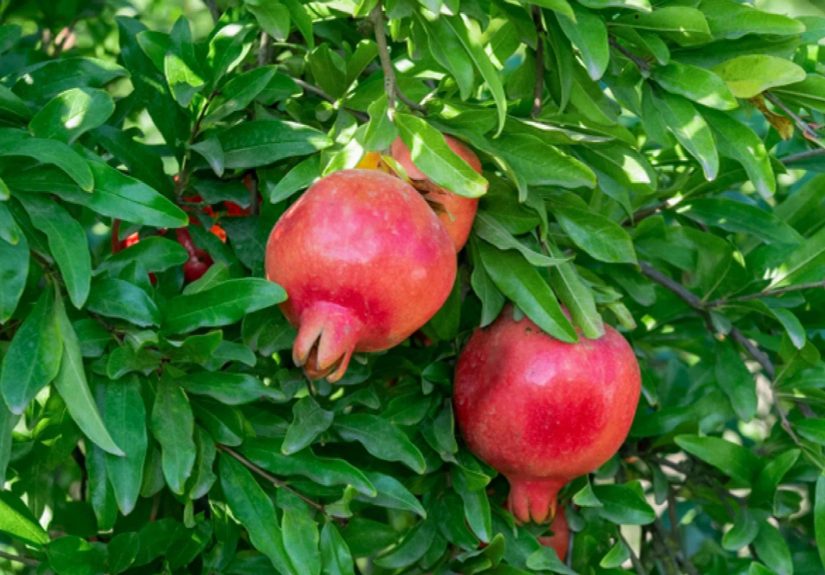
- The rind turns from greenish to a rich red, burgundy, or variety-specific color.
- The sides of the fruit become slightly angular rather than perfectly round.
- The fruit feels heavy for its size a sign of full, juicy arils.
- A gentle tap produces a metallic or hollow sound instead of a dull thud.
Cut, don’t yank, the fruit from the tree, leaving a short stem attached. Store pomegranates in a cool, dry place; they keep for several weeks in the refrigerator. Then it’s up to you: toss the arils on salads, blend them into smoothies, juice them, or just snack on them straight out of the bowl.
Real-Life Experiences: Lessons from Growing Pomegranate Trees
On paper, pomegranate care sounds very neat and linear: plant, water, prune, harvest. In real gardens (with real weather, real distractions, and the occasional forgotten hose), things get more interesting. Here are some practical, experience-based tips that often make the difference between “it’s alive” and “wow, this tree is incredible.”
1. Microclimates matter more than the map. Many gardeners discover that pomegranates labeled “zone 7–10” can struggle in an exposed, windy corner but thrive when tucked against a south-facing wall. That wall absorbs sun all day and slowly releases warmth at night, giving the tree just enough extra protection to push fruit to maturity. If you’re on the edge of the recommended zone, don’t give up just be strategic about placement.
2. Expect an awkward adolescence. Pomegranates can spend the first couple of years looking slightly unimpressive: some lanky shoots, a handful of flowers, maybe a token fruit or two. That’s normal. Under the soil, the root system is expanding. Above the soil, the plant is building its basic branch structure. Many gardeners report that fruit production really ramps up around year three or four, almost as if the tree suddenly “decides” it’s ready to perform.
3. Overwatering is a more common mistake than underwatering. Because they’re marketed as drought-tolerant, some people panic-water every time the tree looks a little droopy. Combine that with heavy soil and you can end up with stressed roots and splitting fruit. A better approach is: water deeply, then let the top few inches of soil dry out before watering again. Consistency beats frequency.
4. Pruning pays off in fruit quality. It’s tempting to leave every branch, especially when the tree is small and you’re hungry for growth. But a tangle of thin, crowded shoots produces lots of tiny, shaded fruit. Gardeners who commit to removing suckers and thinning out older or crossing branches every year generally report fewer but larger, better-colored pomegranates, and branches that are less likely to snap under the weight of a good crop.
5. Don’t underestimate pests just because the tree “looks fine.” Leaf-footed bugs, in particular, can quietly damage a significant portion of your fruit without turning the tree into a dramatic mess. The leaves may still look green and healthy, but the arils inside can be discolored or shriveled. Regularly checking the fruit, especially on the shady interior of the tree, helps you catch issues early instead of being surprised at harvest.
6. Containers are surprisingly productive with discipline. Many gardeners are pleasantly surprised at how well pomegranates perform in large pots, especially dwarfs. The catch is that containers demand more consistent watering and occasional root pruning or repotting. If you’re the kind of person who can walk past a wilting plant without noticing for a week, an in-ground tree might be more forgiving. If you enjoy checking on your plants daily, a container pomegranate can reward you with more fruit than you’d expect from such a compact footprint.
7. Your first “perfect” pomegranate is worth the wait. There’s something deeply satisfying about cutting open a fruit you’ve watched develop from flower to full color. The first time the arils are fully plump, sweet-tart, and brilliantly colored, most gardeners immediately forget the years of pruning, watering, and bug patrol. It’s the kind of success that makes you start planning where to squeeze in “just one more” tree.
Put all of this together, and you’ll see that learning how to grow and care for pomegranate trees isn’t just about checking boxes on a care tag. It’s about tuning into your climate, soil, and schedule, and then matching your care habits to what this tough, beautiful fruit tree really needs. Once you get the balance right, a pomegranate tree can be one of the most rewarding and surprisingly low-maintenance additions to your edible landscape.