Table of Contents >> Show >> Hide
- What Are Hardy Mums?
- Choose the Right Hardy Mum Variety
- The Best Time to Plant Hardy Mums
- Where to Plant Hardy Mums
- Prepare the Soil Before Planting
- How to Plant Hardy Mums Step by Step
- Watering Hardy Mums
- Fertilizing Hardy Mums for Strong Growth
- Pinching Hardy Mums for More Blooms
- Mulching Hardy Mums
- How to Overwinter Hardy Mums
- Dividing Hardy Mums
- Common Hardy Mum Problems
- Best Companion Plants for Hardy Mums
- Seasonal Care Calendar for Hardy Mums
- Experience: What Growing Hardy Mums Teaches You Over Time
- Conclusion
Hardy mums are the garden’s cheerful way of saying, “Summer was fun, but fall is my moment.” When most annuals are fading and the vegetable patch is looking a little dramatic, hardy chrysanthemums step in with domes of gold, bronze, burgundy, pink, lavender, white, and pumpkin-orange blooms. The best part? With the right care, hardy mums can return year after year instead of becoming a one-season porch decoration.
The trick is understanding that not every mum sold in fall is ready to become a long-term garden resident. Some are florist mums, bred mainly for temporary indoor or container color. Others are garden mums, often called hardy mums, developed to grow outdoors and survive winter in many regions. If you want perennial fall flowers, you need the right plant, the right planting time, and a little seasonal discipline. Mums are forgiving, but they are not magic. They like sunshine, drainage, steady moisture, timely pruning, and winter protection that does not turn their roots into soup.
This guide explains how to grow hardy mums for blooms year after year, from choosing the best varieties to planting, pinching, feeding, overwintering, dividing, and solving common problems. Think of it as a friendly coaching session for turning “cute fall pot” into “reliable autumn showstopper.”
What Are Hardy Mums?
Hardy mums, also known as garden mums or hardy chrysanthemums, are perennial chrysanthemums grown for outdoor landscapes. They form compact mounds covered with flowers in late summer or fall, depending on the cultivar and climate. Unlike many florist mums, hardy mums are selected for better cold tolerance, shorter day-length requirements, and earlier bloom timing.
Chrysanthemums are photoperiodic plants, which means they respond to day length. As late summer days shorten and nights grow longer, mums begin forming flower buds. That is why they seem to appear right on cue with pumpkins, sweaters, and people suddenly pretending they like raking leaves.
Hardy Mums vs. Florist Mums
The difference matters. Florist mums are usually grown for gift pots, indoor display, or temporary seasonal color. They may look perfect at the store, but they often lack the root vigor or cold hardiness needed to survive outdoors. Garden mums are more likely to come back, especially when planted early enough to establish strong roots before winter.
When shopping, look for labels such as “garden mum,” “hardy mum,” or regionally adapted perennial mum. If the tag only says “chrysanthemum” and the plant is wrapped in shiny foil, assume it may be a short-term guest rather than a permanent garden tenant.
Choose the Right Hardy Mum Variety
Success starts at the garden center. Select healthy plants with dark green foliage, strong stems, and plenty of unopened buds. A mum already in full bloom looks tempting, but a plant with tight or partially opened buds will usually give you a longer show after planting.
For colder climates, choose varieties known for winter hardiness. The Mammoth series, developed through University of Minnesota breeding work, is a famous example of hardy perennial mums that can grow into large, flower-covered plants when established. Cushion-type mums are also popular because they naturally form rounded mounds that look tidy without much fuss.
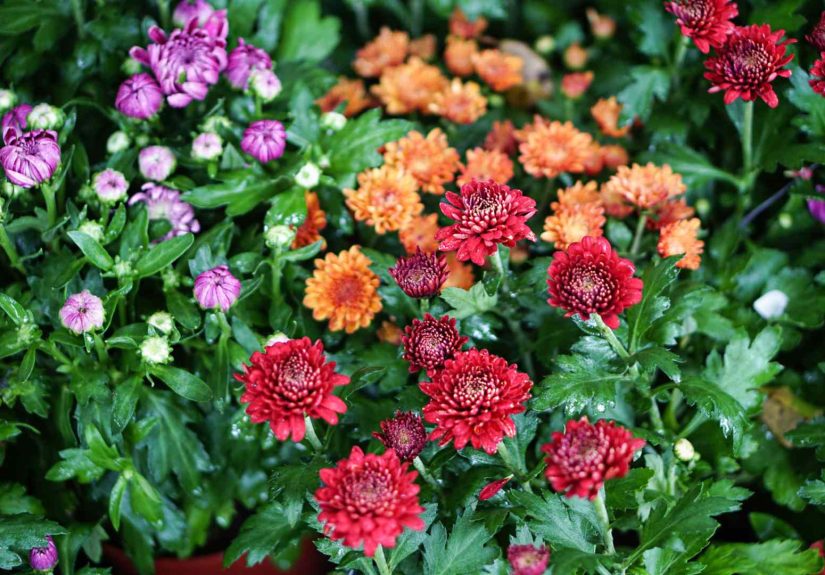
Flower forms vary widely. You can find decorative mums with full, layered blooms; daisy-like single mums with visible centers; pompom mums with round button flowers; spider mums with long, narrow petals; and anemone types with raised centers. For landscape impact, choose colors that echo your fall garden: bronze with ornamental grasses, purple with asters, yellow near evergreens, or white near dark foliage for a crisp contrast.
The Best Time to Plant Hardy Mums
The best time to plant hardy mums for long-term success is spring. Spring planting gives roots months to grow before winter. A well-rooted mum can handle cold far better than a fall-planted mum that has spent all its energy blooming instead of settling in.
Fall planting can work in mild climates or when done early, but it is riskier. Many people buy mums in September or October, enjoy the flowers, plant them after bloom, and then wonder why they disappear by spring. The reason is simple: late-planted mums often do not have enough time to form a strong root system before freezing weather arrives.
Can You Plant Fall Mums and Still Have Them Return?
Yes, but give them the best possible chance. Plant as early as possible, preferably several weeks before the first hard freeze. Remove the plant from its nursery pot, loosen circling roots, and place it in well-prepared soil at the same depth it was growing in the container. Water deeply after planting and mulch after the ground begins to cool.
If your fall mums are already in full bloom and your winter is harsh, treat them as a beautiful seasonal display and consider buying young hardy mums in spring for your perennial bed. There is no shame in enjoying fall mums as annuals. Gardeners are allowed to have both ambition and realistic expectations.
Where to Plant Hardy Mums
Hardy mums need full sun to produce dense plants and abundant flowers. Aim for at least six hours of direct sunlight per day. Morning sun is especially helpful because it dries dew from leaves and may reduce disease pressure. In hot southern regions, a little afternoon shade can be useful, but too much shade leads to weak stems, fewer flowers, and plants that lean like they are trying to hear gossip from the next flower bed.
Also avoid planting mums near bright outdoor lights. Because mums bloom in response to long nights, artificial light can interfere with bud formation and delay or reduce flowering. A sunny bed away from porch lights, streetlights, and security lamps is ideal.
Prepare the Soil Before Planting
Hardy mums prefer fertile, moist, well-drained soil. Drainage is the non-negotiable part. Mums have shallow, fibrous roots, and soggy soil can damage or kill them, especially in winter. If your soil is heavy clay, improve it with compost, leaf mold, or well-rotted organic matter. Raised beds can also help in areas where water sits after rain.
Before planting, loosen the soil 8 to 10 inches deep and mix in compost. The goal is soil that holds moisture but does not stay waterlogged. If you squeeze a handful and it forms a brick worthy of a tiny garden castle, add organic matter and improve drainage before planting.
Spacing Hardy Mums
Space most garden mums 18 to 24 inches apart, depending on the variety. Larger cultivars may need more room. Good spacing improves air circulation, lowers disease risk, and lets each plant develop its natural rounded shape. Crowding mums may look full at first, but by late summer the bed can become a humid jungle of tangled stems and mildew regrets.
How to Plant Hardy Mums Step by Step
Planting hardy mums is simple, but the details matter.
- Water the plant first: A hydrated root ball is easier to handle and less stressed after planting.
- Dig a wide hole: Make it slightly wider than the container but no deeper than the root ball.
- Loosen circling roots: If roots are wrapped tightly around the pot shape, gently tease them outward.
- Set the crown correctly: Plant at the same depth the mum grew in its container. Do not bury the crown.
- Backfill with improved soil: Firm gently, but do not stomp. This is gardening, not grape crushing.
- Water deeply: Soak the root zone after planting.
- Add mulch: Use 2 inches of shredded bark, chopped leaves, or compost around the plant, keeping mulch slightly away from the stems.
Watering Hardy Mums
Hardy mums need consistent moisture during active growth. Their shallow roots dry out faster than deep-rooted perennials, especially in hot weather or containers. Water when the top inch of soil feels dry, and water deeply enough to moisten the root zone.
Avoid frequent shallow sprinkling. It encourages weak roots and keeps foliage damp, which can invite disease. Water at the base of the plant in the morning whenever possible. During dry spells, established garden mums may need a deep watering every 7 to 10 days, while container mums may need water much more often.
Fertilizing Hardy Mums for Strong Growth
Mums are fairly hungry plants. In spring, feed established mums when new growth appears. A balanced slow-release fertilizer or compost-enriched soil works well for many home gardens. During active growth, some gardeners use a diluted liquid fertilizer every few weeks until buds begin to show color.
Do not overdo it. Too much nitrogen can create lush, floppy growth with fewer flowers. The goal is sturdy stems, healthy leaves, and strong roots, not a chrysanthemum trying to become a green octopus.
Stop heavy feeding by late summer. At that point, the plant should focus on bud development and preparing for dormancy rather than producing tender new growth.
Pinching Hardy Mums for More Blooms
Pinching is the secret behind those dense, rounded mums covered in flowers. Without pinching, many mums grow tall and leggy, bloom mostly at the top, and flop under their own floral enthusiasm.
When new spring growth reaches about 6 inches tall, pinch or snip off the top 1 inch of each shoot. This encourages side branches to form. When those branches grow another 5 to 6 inches, pinch again. Continue every few weeks through early summer.
In many regions, gardeners stop pinching around the Fourth of July. In warmer coastal or southern areas, the final pinch may be slightly later, but the principle is the same: stop in time for flower buds to form. If you keep pinching too late, you may delay blooms or remove developing buds.
What If Your Mum Blooms Too Early?
Sometimes mums bloom in spring or early summer because of weather stress, nursery timing, or light changes. If that happens, shear off the early flowers and continue normal care. The plant often resets and blooms again in fall, especially if you stop pruning at the proper time.
Mulching Hardy Mums
Mulch helps conserve moisture, suppress weeds, and moderate soil temperature. During the growing season, use a light layer of organic mulch around the base. Keep it from piling against stems because constant moisture at the crown can lead to rot.
Winter mulch is different. After the ground has begun to freeze, apply loose mulch such as straw, pine needles, evergreen boughs, or chopped leaves over the root zone. The goal is not to keep the plant warm like a blanket in a movie scene. The real goal is to reduce freeze-thaw cycles that can heave shallow roots out of the soil.
Remove winter mulch gradually in early spring as new growth appears. Leaving heavy mulch too long can smother emerging shoots or trap too much moisture.
How to Overwinter Hardy Mums
Winter survival depends on variety, planting time, drainage, climate, snow cover, and care. Even hardy mums may fail if planted late, placed in soggy soil, or cut back too aggressively before winter.
In colder areas, leave the dead stems standing through winter. The old top growth can help catch leaves and snow, adding natural insulation. In spring, cut back the dead stems once new shoots emerge at the base.
If you prefer a tidy garden in fall, you can cut stems back after several hard frosts, but leave a few inches above ground and mulch well. Avoid cutting mums to the ground too early while the plant is still moving energy into the roots.
Overwintering Potted Hardy Mums
Potted mums are more vulnerable because container roots get colder than roots in the ground. To overwinter potted hardy mums, move them after frost to an unheated garage, cold frame, shed, or protected area where they stay cold but not exposed to severe drying winds. Water lightly when the soil becomes dry, but do not keep the pot wet.
In spring, move the pot back outdoors gradually after the danger of hard freezing has passed. Once new growth appears, you can plant it in the garden or refresh the container with new potting mix.
Dividing Hardy Mums
Established mums may become crowded after a few years. Division keeps them vigorous and improves flowering. The best time to divide hardy mums is spring, when new shoots are several inches tall.
Dig up the clump, gently separate healthy outer sections with roots and shoots, and discard weak or woody centers. Replant divisions at the same depth, water well, and treat them like young plants. Dividing every two to three years is a practical rhythm for many gardens.
Common Hardy Mum Problems
Leggy Growth
Leggy mums usually need more sun, better pinching, or less nitrogen fertilizer. Move plants to a brighter location and follow a spring pinching schedule.
Few Flowers
Low bloom count can result from too much shade, late pinching, interrupted darkness from outdoor lights, drought stress, or poor fertility. Check the growing conditions before blaming the plant. Mums are dramatic, but they usually have reasons.
Wilting
Wilting often means dry soil, especially in containers. However, plants in soggy soil can also wilt because damaged roots cannot function properly. Feel the soil before watering.
Leaf Spots and Mildew
Improve air circulation, avoid overhead watering, and remove diseased leaves. Crowded, damp plants are more likely to develop fungal problems.
Winter Loss
If mums do not return, the usual causes are late planting, poor drainage, an unsuitable variety, extreme cold, or freeze-thaw heaving. Try spring planting, better mulch timing, and more cold-hardy cultivars next time.
Best Companion Plants for Hardy Mums
Hardy mums shine in fall combinations. Pair them with asters for a pollinator-friendly color echo, ornamental grasses for movement, sedum for sturdy texture, pansies for cool-season charm, and evergreens for structure. Bronze mums look beautiful near blue-green junipers. Purple mums glow beside golden grasses. White mums can brighten shady-looking corners, as long as the actual location still gets enough sun.
For containers, combine mums with ornamental kale, trailing ivy, small grasses, pansies, or pumpkins. Just remember that a potted mum meant to survive winter needs more root space and protection than a decorative porch pot usually provides.
Seasonal Care Calendar for Hardy Mums
Spring
Plant new hardy mums, divide older clumps, begin fertilizing, and start pinching once shoots reach about 6 inches tall.
Summer
Continue watering consistently and pinch until early July in many regions. Watch for pests, avoid drought stress, and maintain mulch.
Late Summer to Fall
Stop pinching, reduce heavy fertilizing, keep soil evenly moist, and enjoy the flower show. Buy budded plants for longer bloom in containers.
Late Fall to Winter
After hard frost, leave stems standing or cut them back lightly. Apply loose mulch after the ground cools or begins to freeze. Protect potted mums from severe cold.
Experience: What Growing Hardy Mums Teaches You Over Time
Growing hardy mums year after year teaches a gardener one very important lesson: fall success is built in spring. The first season I planted mums, I treated them like instant decorations. I bought three gorgeous pots in full bloom, admired them beside the steps, forgot to water them twice, planted them late, and expected a perennial miracle. Spring arrived, and the mums did not. The garden gave me silence, which is plant language for “Please read the tag next time.”
The next attempt was different. I planted smaller garden mums in spring, long before they looked exciting. Honestly, they were not impressive at first. They were little green mounds with no flowers, sitting there like they were waiting for instructions. But by early summer, after regular pinching, they began to branch. Every pinch felt slightly wrong, as if I were sabotaging the plant, but the results were clear. Instead of stretching into floppy stems, the mums became compact, rounded, and full.
The biggest practical lesson was watering. Hardy mums do not enjoy neglect during hot weather. They may survive a dry spell, but they will not bloom with the same confidence. A mum that dries out repeatedly can set fewer buds, open unevenly, or look tired just when you want it to perform. Deep watering at the soil level made a visible difference. So did mulch, especially during late summer heat.
Another lesson was about sunlight. A bed that looked sunny in March became partly shaded by June after nearby trees leafed out. The mums grew, but they leaned and bloomed lightly. Moving them to a true full-sun spot changed everything the following year. Gardeners often evaluate light when they plant, but hardy mums need enough sun during the growing season, not just when the garden is bare.
Winter care also took some experimenting. Cutting mums to the ground in fall made the bed look neat, but leaving stems standing improved survival in colder seasons. The old stems caught leaves and snow, and the crowns seemed better protected. In spring, cleanup was easy: I cut away the dead stems once new growth appeared, added compost, and let the cycle begin again.
Over time, hardy mums become less like disposable fall color and more like trusted garden companions. They are not difficult, but they do ask for timing. Plant early. Give sun. Pinch before July. Water deeply. Mulch wisely. Divide when crowded. Do those things, and your mums can reward you with that wonderful autumn effect: a garden that looks fresh, colorful, and intentional just when everything else is thinking about retirement.
Conclusion
Hardy mums can bloom year after year when you treat them like perennials instead of temporary decorations. Choose garden mums rather than florist mums, plant them in spring whenever possible, give them full sun and well-drained soil, pinch them for bushy growth, water consistently, and protect shallow roots through winter. The formula is simple, but the timing matters.
For the biggest fall display, think ahead. A mum that looks humble in May can become a glowing mound of color by September. With the right care, hardy mums bring reliable beauty to borders, containers, walkways, and cottage gardens. They are proof that the garden does not have to fade quietly after summer. Sometimes it can go out wearing gold, burgundy, and purple.