Table of Contents >> Show >> Hide
- What Onion Powder Actually Is (and Why Homemade Tastes Different)
- Pick the Right Onions (Yes, It Matters)
- Tools You’ll Need (Minimalist Edition + “Nice to Have”)
- Before You Start: Slice Size, Odor, and a Quick Reality Check
- Method 1: How to Make Onion Powder in a Dehydrator (Best Flavor + Best Texture)
- Method 2: How to Make Onion Powder in the Oven (No Dehydrator, No Problem)
- Grinding Dried Onions Into Powder (Without Turning Your Kitchen Into a Spice Fog)
- Storage, Shelf Life, and How to Prevent Clumping
- Troubleshooting: Fix the Most Common Onion Powder Problems
- How to Use Homemade Onion Powder (So It Earns Its Spot in Your Spice Rack)
- Quick Reference: Homemade Onion Powder Checklist
- Conclusion: Your Pantry Just Got an Upgrade
- Kitchen Stories & Real-World Experience (500-ish Words of “What It’s Actually Like”)
Onion powder is the culinary equivalent of a good friend: it shows up quietly, makes everything better, and never asks you to chop anything while your eyes are doing that “sad movie” thing. The store-bought version works, surebut homemade onion powder can taste fresher, smell more onion-y (in a good way), and lets you control exactly what’s in the jar (spoiler: onions and only onions).
In this guide, you’ll learn how to turn fresh onions into a fine, pantry-ready powder using either a dehydrator (best results) or an oven (still great). We’ll also cover storage, troubleshooting, and how to use your homemade onion powder so it doesn’t just sit on the spice rack looking impressive.
What Onion Powder Actually Is (and Why Homemade Tastes Different)
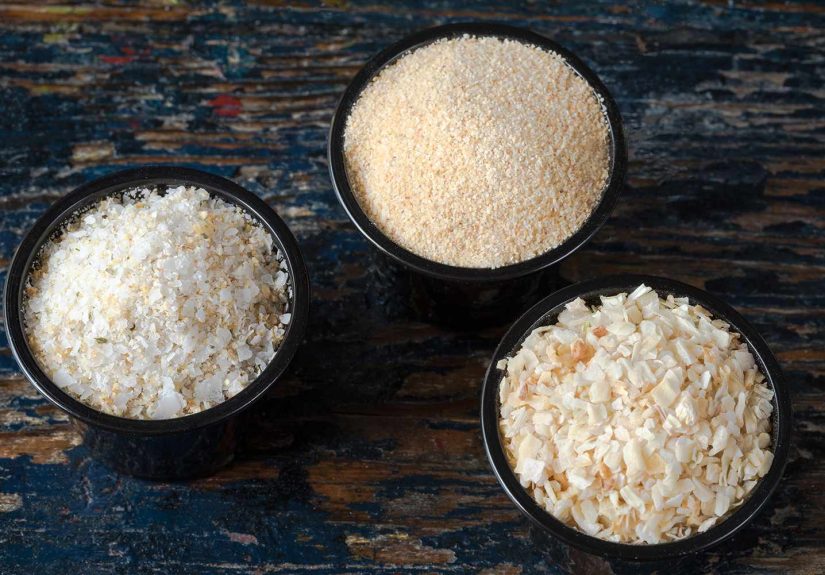
Onion powder is simply dehydrated onion that’s been ground into a fine powder. Commercial onion powder is often made from dried onion flakes and may include anti-caking agents to keep it from clumping. Homemade onion powder skips the extrasso the flavor can feel “cleaner,” and the aroma can be noticeably brighter.
The tradeoff: since you won’t be adding anti-caking agents, your powder may clump a bit over time. Don’t panic. That’s not a failure; that’s proof you made real food. A quick shake (or a fork poke) brings it right back.
Pick the Right Onions (Yes, It Matters)
You can make onion powder from almost any onion, but your choice changes the final flavor:
- Yellow onions: classic, balanced, and the closest to what most people expect from “onion powder.”
- White onions: a bit sharper and punchiergreat for Tex-Mex and bold seasoning blends.
- Red onions: milder and slightly sweet; can be delicious, but the flavor is less “standard pantry onion powder.”
- Sweet onions (Vidalia-style): sweeter, softer flavoramazing for rubs and dips, less intense for savory soups.
Choose onions that are firm, dry-skinned, and free from soft spots or mold. If an onion is sprouting, it’s not automatically trashbut the flavor can be harsher and the texture can be watery, which makes drying take longer. If your goal is the best, most consistent powder, start with the best onions you’ve got.
Tools You’ll Need (Minimalist Edition + “Nice to Have”)
Must-haves
- Fresh onions
- A sharp knife (or mandoline if you like living on the edgecarefully)
- A dehydrator or an oven
- A spice grinder, coffee grinder, or high-powered blender
- An airtight jar or container
Nice to have
- Kitchen scale (for repeatable batches)
- Fine-mesh sieve (for ultra-smooth powder)
- Parchment paper or dehydrator liners (especially if using minced onion)
- Labels (because “mystery beige powder” is a suspense genre you don’t need)
Before You Start: Slice Size, Odor, and a Quick Reality Check
The biggest secret to great onion powder is even drying. Even drying comes from even slicing. Aim for slices about 1/8 to 1/4 inch thick. Thinner dries faster; thicker takes longer. Either works as long as you dry the onions completely.
Also: onions have a strong odor when dehydrating. If you’re drying multiple foods, onions are the social butterfly that talks to everyonemeaning the smell can transfer. If possible, dry onions by themselves (or at least not next to strawberries unless you’re inventing a new candle scent).
Finally: you do not need to blanch onions before drying for a basic, safe, effective method. Some people blanch to reduce odor or help with color, but it’s optional, not required.
Method 1: How to Make Onion Powder in a Dehydrator (Best Flavor + Best Texture)
Step 1: Prep the onions
- Peel the onions and remove the root and top ends.
- Slice into even rounds or half-moons, about 1/8 to 1/4 inch thick.
- Optional: separate the rings for faster drying. If you chop/mince instead of slice, spread it thinly (and consider a liner so tiny pieces don’t fall through).
Step 2: Load the dehydrator
Arrange onions in a single layer on dehydrator trays. Don’t overlap. Overlapping = trapped moisture = longer drying time and uneven results.
Step 3: Dry at the right temperature
Most home-food-preservation guidance places onions in the general vegetable-dehydrating range, often around 130°F to 140°F, with typical drying times in the 3–9 hour neighborhoodthough your real time depends on thickness, humidity, and your dehydrator’s airflow.
Translation: don’t marry the clock. Date it casually. Check as you go.
Step 4: Know when onions are fully dry
You’re looking for onions that are dry, crisp, and brittle. They should snap or crumble easily. If they bend or feel leathery, keep drying. Any remaining moisture can lead to clumpingor worse, spoilagein storage.
Step 5: Cool + “condition” before grinding
Let dried onions cool completely before grinding. Warm onions can release steam inside your grinder or jar, adding moisture. For extra insurance, you can “condition” dried onions: place them in a jar for a day, shaking occasionally. If you see condensation, they’re not doneback to the dehydrator.
Method 2: How to Make Onion Powder in the Oven (No Dehydrator, No Problem)
Oven-drying worksyou just need low heat and a way for moisture to escape. Many ovens don’t go super-low, so the main goals are: keep the temperature as low as possible, circulate air, and stir/flip periodically.
Step 1: Prep as usual
Peel and slice onions evenly (again, 1/8 to 1/4 inch is your friend). Spread them in a single layer on a baking sheet. Parchment paper helps with cleanup. A wire rack can improve airflow if you have one.
Step 2: Set the oven low
Aim for the lowest setting you can manageoften around 150°F if your oven allows it. If your oven runs hotter, you can still do this, but watch closely near the end to avoid browning or scorching.
Step 3: Prop the door (the “let the moisture out” move)
Crack the oven door open a couple inches to let humidity escape (a wooden spoon handle is a common trick). This helps the onions dry instead of steam.
Step 4: Stir and rotate
Stir onions or flip slices every 20–30 minutes, and rotate pans if you’re using multiple racks. Expect oven drying to take longer than a dehydratorsometimes up to about twice as longbecause most ovens don’t move air as efficiently at low temps.
Step 5: Dry until brittle
Just like the dehydrator method, you want onions that crumble easily. If you can bend it, it’s not done. If it snaps, you’re in business.
Grinding Dried Onions Into Powder (Without Turning Your Kitchen Into a Spice Fog)
Once the onions are fully dry and completely cool, it’s time to turn them into onion powder.
Step-by-step grinding
- Start small: Fill your grinder or blender only partway so pieces can move freely.
- Pulse first: Short bursts reduce heat buildup and prevent clumping.
- Let the dust settle: Wait a few seconds before opening the lid unless you enjoy inhaling “eau de onion.”
- Sift (optional): For a finer powder, pour through a fine-mesh sieve and re-grind larger bits.
Want onion flakes too? Stop grinding earlier. Keep a jar of flakes and a jar of powderyou’ll use both. Flakes are excellent in soups, sauces, and slow-cooked dishes where they can rehydrate gradually.
Storage, Shelf Life, and How to Prevent Clumping
Homemade onion powder’s biggest enemy is moisture. Store it in an airtight container in a cool, dark, dry spot (think pantry, not above the stove where steam does its daily interpretive dance).
Best storage practices
- Use a clean, dry glass spice jar or canning jar with a tight lid.
- Label it with the date.
- Keep the jar away from heat, humidity, and direct sunlight.
- Never shake powder directly over a steaming potsteam can sneak into the jar and cause clumps.
For peak flavor, aim to use homemade onion powder within 6–12 months. If dried thoroughly and stored well, it can last about a year while still tasting good.
Clumping is normal
Without anti-caking agents, a little clumping is expectedespecially in humid climates. If it clumps: break it up with a clean, dry spoon, or toss it back in the grinder for a quick refresh.
Troubleshooting: Fix the Most Common Onion Powder Problems
“My powder is clumping into a solid brick.”
That’s usually moisture. Make sure your onions were fully brittle before grinding, and always cool completely. If it’s already clumped, spread it on a baking sheet and gently re-dry at a low temperature, then re-grind.
“It tastes bitter or ‘cooked.’”
Your drying temperature may have been too high or the onions browned. Keep heat low, stir/rotate more often, and pull onions as soon as they’re crisp. A little color change can happen, but deep browning changes flavor.
“It’s not powder… it’s onion confetti.”
Grind longer, in smaller batches, and sift. Some grinders struggle if pieces are too largestart with flakes, then powder.
“My whole house smells like onions.”
Congratulations, you are doing it correctly. If possible, run the dehydrator in a garage, covered porch, or well-ventilated area. If you’re using an oven, crack a window and turn on the vent fan.
How to Use Homemade Onion Powder (So It Earns Its Spot in Your Spice Rack)
Onion powder shines when you want onion flavor without onion texture. It’s especially useful in:
- Dry rubs: for chicken, pork, roasted veggies, and fries
- Soups and stews: quick onion depth without sautéing
- Dips and dressings: ranch-style dips, sour cream dips, vinaigrettes
- Burgers and meatballs: flavor mixed right into the meat
- Eggs: scrambled eggs, omelets, deviled eggs
- Homemade seasoning blends: taco seasoning, BBQ blends, “everything” mixes
Bonus: Make onion salt in 10 seconds
Mix three parts salt with one part onion powder (3:1). Store airtight. Since it won’t have anti-caking agents, stir or shake before using.
Quick Reference: Homemade Onion Powder Checklist
- Slice evenly (about 1/8–1/4 inch).
- Dry fully until brittle (no bending).
- Cool completely before grinding.
- Grind in small batches; sift if you want ultra-fine powder.
- Store airtight, cool, and dry; avoid steam exposure.
Conclusion: Your Pantry Just Got an Upgrade
Making onion powder from scratch is one of those kitchen projects that feels oddly powerfullike you’ve unlocked a “level up” in pantry skills. It’s simple (dry onions, grind onions, enjoy onions), but the payoff is real: bold flavor, less waste, and a DIY seasoning you’ll actually use all the time.
Start with a small batch, learn how your dehydrator or oven behaves, and adjust as you go. Once you’ve done it once, you’ll look at those tiny store-bought jars and think, “I could make you… and I could make you better.”
Kitchen Stories & Real-World Experience (500-ish Words of “What It’s Actually Like”)
The first time I made onion powder from scratch, I had two assumptions: (1) it would be quick, and (2) my kitchen would smell “pleasantly onion-y.” Reader, both assumptions were adorable.
Here’s what actually happened. I sliced a pile of yellow onionsfeeling very productive and domestically unstoppable and loaded up my dehydrator like I was stocking supplies for a pioneer trek. Within thirty minutes, the smell had announced itself to every room in the house. The onions weren’t being rude, exactly, but they were definitely being present. If you’ve never dehydrated onions before, imagine you’re caramelizing onions, but without the butter, and the aroma doesn’t politely stay near the stove. It travels. Confidently.
I learned fast that ventilation is your best friend. The next batch went in the garage with the door cracked (and my family thanked me like I’d performed a small public service). If you can’t move your dehydrator, running a fan and opening a window helps. If you’re using an oven, the vent hood earns its paycheck that day.
The second lesson was about patience. Onion pieces can look dry on the outside but still have a little bend in the center. I rushed one batch, ground it, and felt like a spice wizarduntil the powder clumped a week later. That’s when I realized: “brittle” isn’t a suggestion; it’s the goal. Now I do the snap test. If it doesn’t snap, it goes back in. No negotiating.
Grinding was another surprisingly dramatic moment. The first time I opened the grinder lid immediately after blending, I created a tiny onion dust cloud that made me cough and laugh at the same timean experience I do not recommend. Waiting ten seconds for the powder to settle is the difference between “chef energy” and “why are my eyes watering again?”
Once I nailed the dryness and the grinding rhythm, the process became easyand honestly kind of satisfying. There’s something great about taking a basic ingredient and turning it into a pantry staple you’ll use for months. I started keeping both onion flakes and onion powder, because flakes are perfect in soups and slow cooker meals, while powder disappears into burgers, dressings, and rubs.
My favorite “aha” moment was realizing homemade onion powder can taste more vivid than the store version, especially in simple recipes. Sprinkle it into sour cream with a little salt and pepper, and you’ve got a fast dip that tastes like you tried harder than you did. Add it to roasted vegetables before they hit the oven, and suddenly your weeknight side dish has a little extra “what did you do differently?” magic.
If you’re on the fence, here’s my honest take: the first batch teaches you the most. After that, it’s just routine slice, dry, grind, storeand enjoy the smug satisfaction of saying, “Oh, this onion powder? Yeah, I made it.”